
Overview
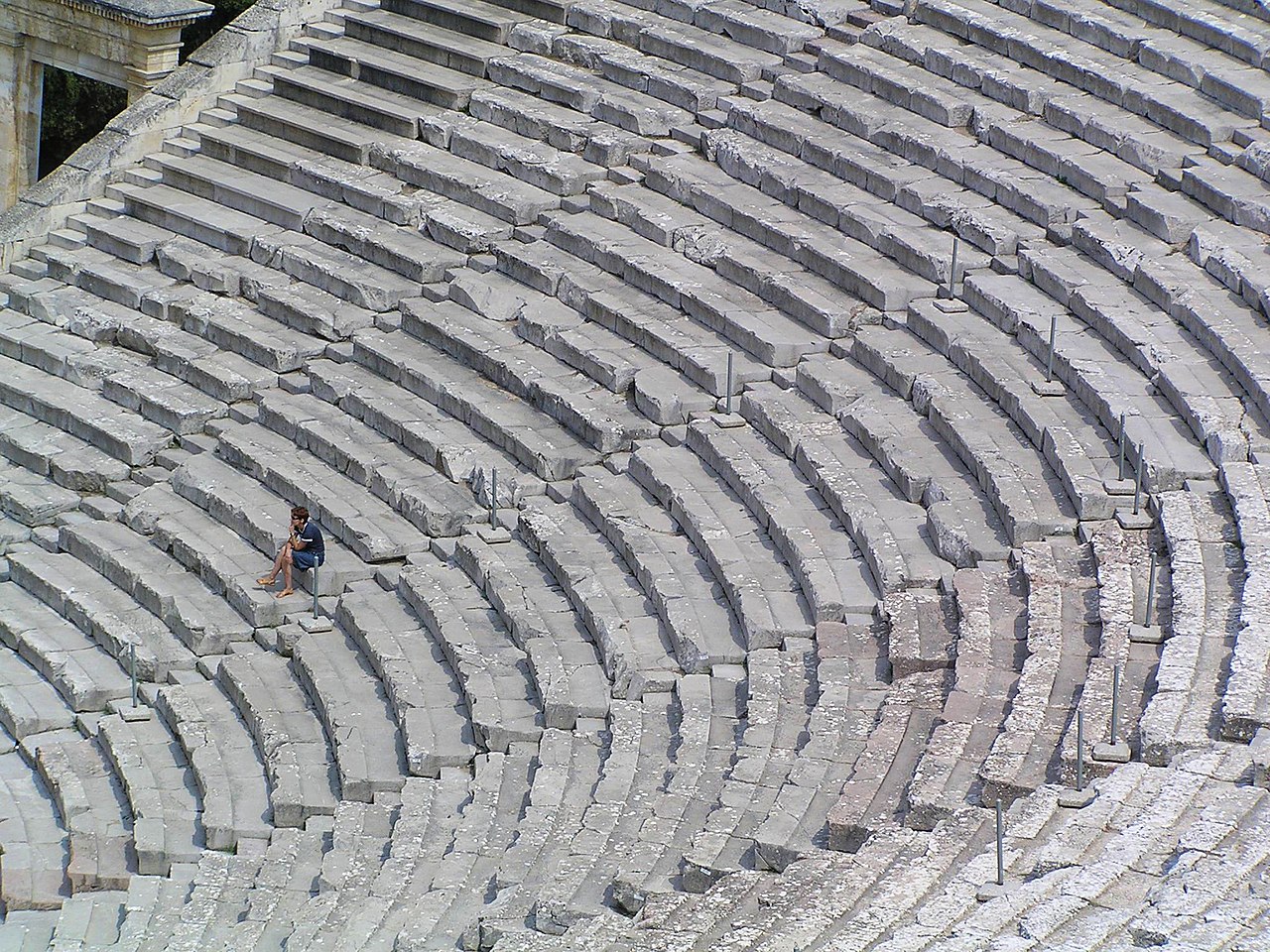
Epidaurus (modern Epidavros) lies in the northeastern Peloponnese, 30 km south of Corinth, at the foot of a wooded hillside in the Argolid. The site was the principal healing sanctuary of the ancient Greek world, dedicated to Asclepius, the god of medicine, from at least the fifth century BCE. Patients traveled from across the Mediterranean to undergo incubation — ritual sleep in the sanctuary, during which Asclepius was believed to appear in dreams and prescribe or perform cures. The sanctuary complex included a round tholos building of extraordinary architectural refinement (its purpose remains uncertain; possibly related to the sacred serpents kept there), baths, a gymnasium, a stadium, and multiple temples. The theater, built around 360–330 BCE and attributed to the architect Polykleitos the Younger, is the best-preserved example from antiquity. Its 55 rows seat approximately 14,000 spectators. The cavea (seating area) is carved into a hillside so precisely that acoustic tests have demonstrated it eliminates low-frequency background noise while transmitting high-frequency sound — spoken text from the stage circular orchestra reaches every seat with equal clarity. The sanctuary continued to function as a healing center into the fifth century CE.