Beycesultan
Palace
Late Bronze Age palace with megaron-like hall plan
Shrines
Paired Early Bronze Age temples with unique cult installations
Possible Identity
May correspond to ancient Arzawa kingdom
Province
Denizli, upper Meander valley of western Anatolia
“Beycesultan provides crucial evidence for the development of western Anatolian civilizations that existed alongside but independently of the Hittites.”
Beycesultan is a major Bronze Age settlement in western Anatolia with a palace complex possibly representing the architectural ancestor of the Greek megaron.
read_wikipedia →overview
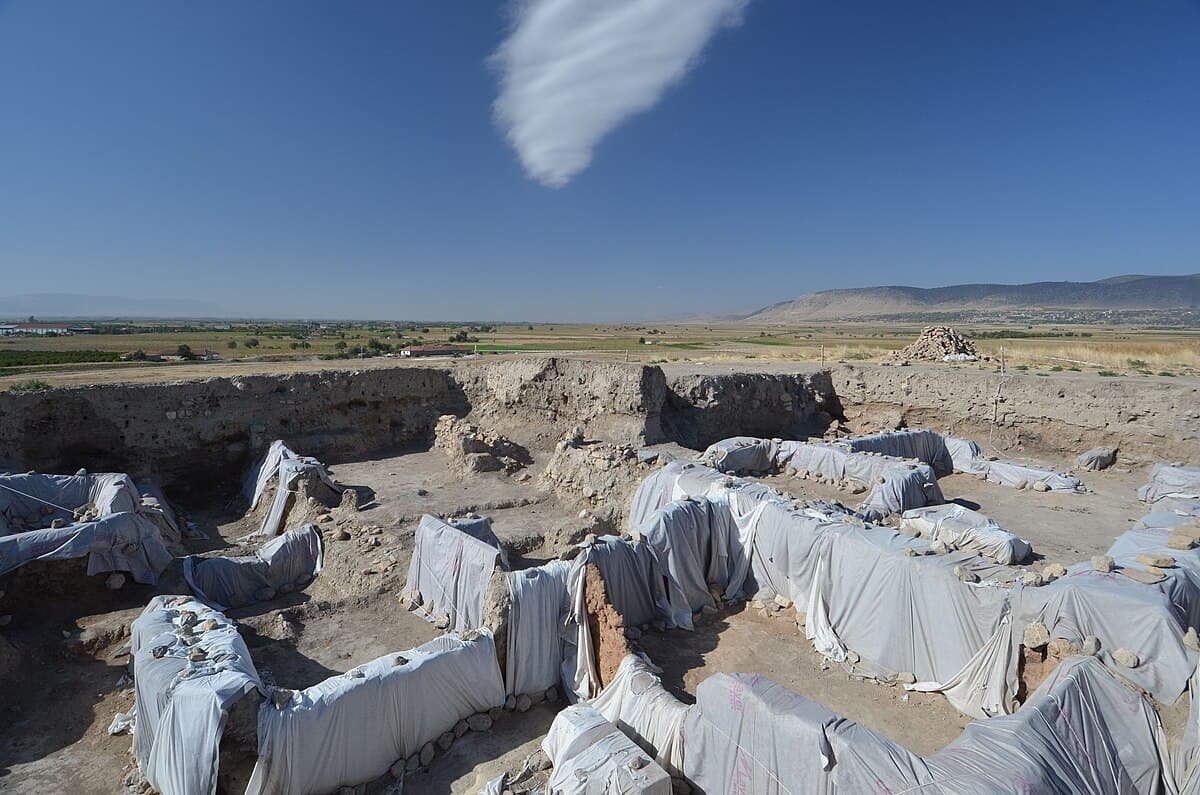
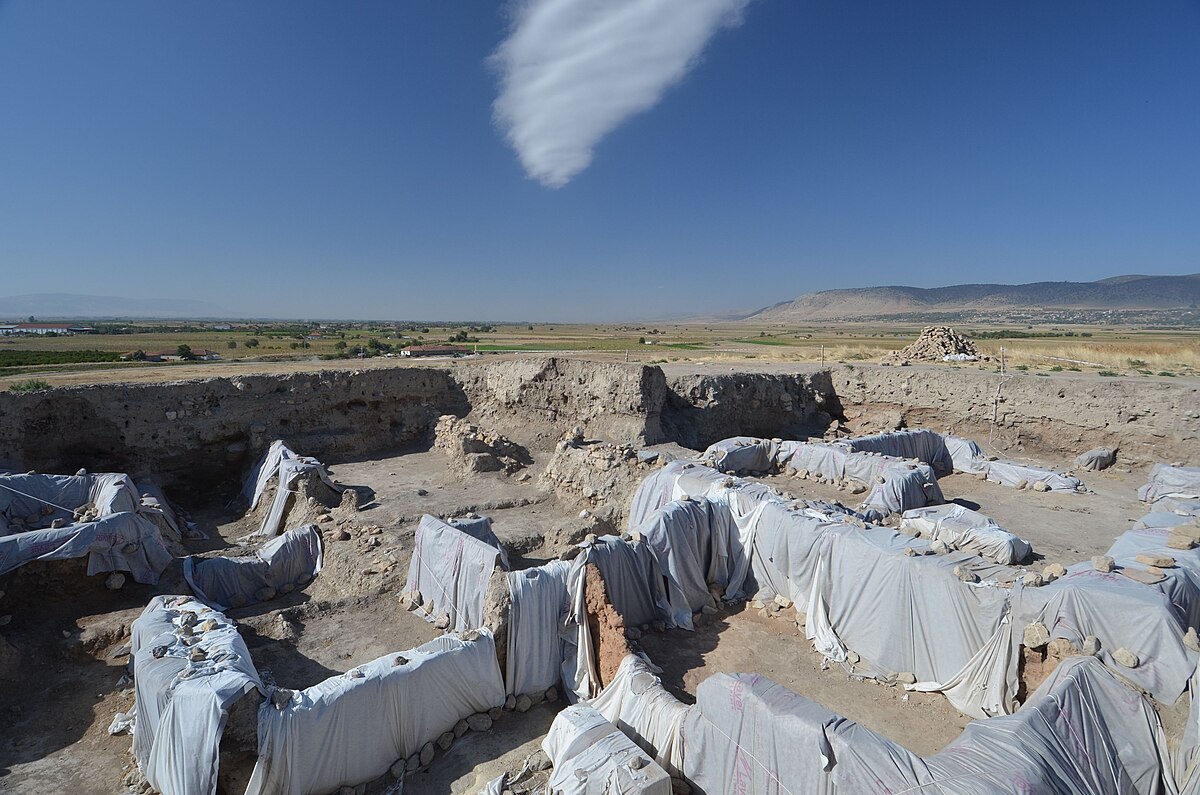
Beycesultan is a large tell (artificial mound) in the upper Meander River valley of Denizli province, western Anatolia. Excavations have revealed a substantial Bronze Age settlement that was one of the most important centers of power in western Anatolia during the 3rd and 2nd millennia BCE — contemporary with but independent of the great Hittite civilization to the east. The site's most significant feature is a large Late Bronze Age palace (c. 1900-1750 BCE) destroyed by fire, which paradoxically preserved its contents and architectural details. The palace features a distinctive hall with a central hearth and a raised platform at one end — a plan that closely resembles the later Greek megaron, the rectangular hall form that became the basis for the Greek temple. This has led scholars to propose that the megaron concept originated in Anatolian architecture. Earlier levels at Beycesultan include a remarkable Early Bronze Age shrine complex with paired temples featuring distinctive cult installations including blood channels and horn-shaped altar elements. These shrines provide unique evidence for Bronze Age Anatolian religious practices in a region poorly documented by contemporary texts. The settlement's location in the upper Meander valley places it at the crossroads of Aegean and central Anatolian cultural zones. The site may correspond to ancient Arzawa, a powerful western Anatolian kingdom mentioned in Hittite texts as a rival power, though this identification remains debated.
why_it_matters
evidence
evidence_desc
confirmed
2- The Late Bronze Age palace was destroyed by fire c. 1750 BCE, preserving architectural details including a large hall with central hearth and raised platform.
- Early Bronze Age shrines contain paired temple units with horn-shaped altar elements and blood channels, unique in Anatolian Bronze Age archaeology.
inferred
2- The palace hall's plan closely resembles the later Greek megaron, suggesting western Anatolian architecture may have influenced the development of this fundamental Greek building form.
- The scale and sophistication of the palace complex suggest a major regional power center controlling the upper Meander valley and its trade routes.
debated
1- The identification of Beycesultan with the Arzawa kingdom mentioned in Hittite texts remains debated, with alternative locations proposed at other western Anatolian sites.
excavation
British Institute excavations
led_by Seton Lloyd & James Mellaart
Seton Lloyd and James Mellaart directed excavations revealing the Bronze Age palace, shrine complex, and a sequence of occupation levels spanning over a millennium.
Ege University excavations
Turkish excavations resumed work at the site, re-examining the palace complex with modern methods and investigating previously unexplored areas of the mound.
Conservation project
Conservation work focused on protecting the exposed Bronze Age architecture and developing the site for public visitation.
more_photos
artifacts
Community Photos
Share your experience
Have you visited this site? Upload your photos to help others discover it.
location
related_sites
sources
- Beycesultan: Late Bronze Age Architecture — Seton Lloyd & James Mellaart (1965)
- The Bronze Age Palace at Beycesultan and the Origin of the Megaron — James Mellaart (1962)
- Wikipedia — Beycesultanlink