Overview
Colossae is one of the most historically significant unexcavated archaeological sites in the ancient world. Located in the Lycus Valley of western Turkey near modern Honaz in Denizli province, the city is best known as the recipient of the Apostle Paul's Epistle to the Colossians, one of the canonical letters of the New Testament.
Long before its Christian associations, Colossae was a major Phrygian city on the principal route from the Aegean coast to the Anatolian interior. Herodotus described it as "a great city of Phrygia" when Xerxes passed through in 481 BCE. The city was famous for its production of "colossinus" — a distinctive dark red or purple wool dye that was traded across the ancient world.
"Colossae is a populous city, wealthy and large."
— Xenophon, Anabasis (c. 370 BC)
The city declined in importance during the Hellenistic and Roman periods as nearby Laodicea and Hierapolis grew. Despite this relative decline, Colossae maintained a community significant enough to receive Paul's letter (written c. 60-62 CE), which addresses theological issues within its early Christian congregation.
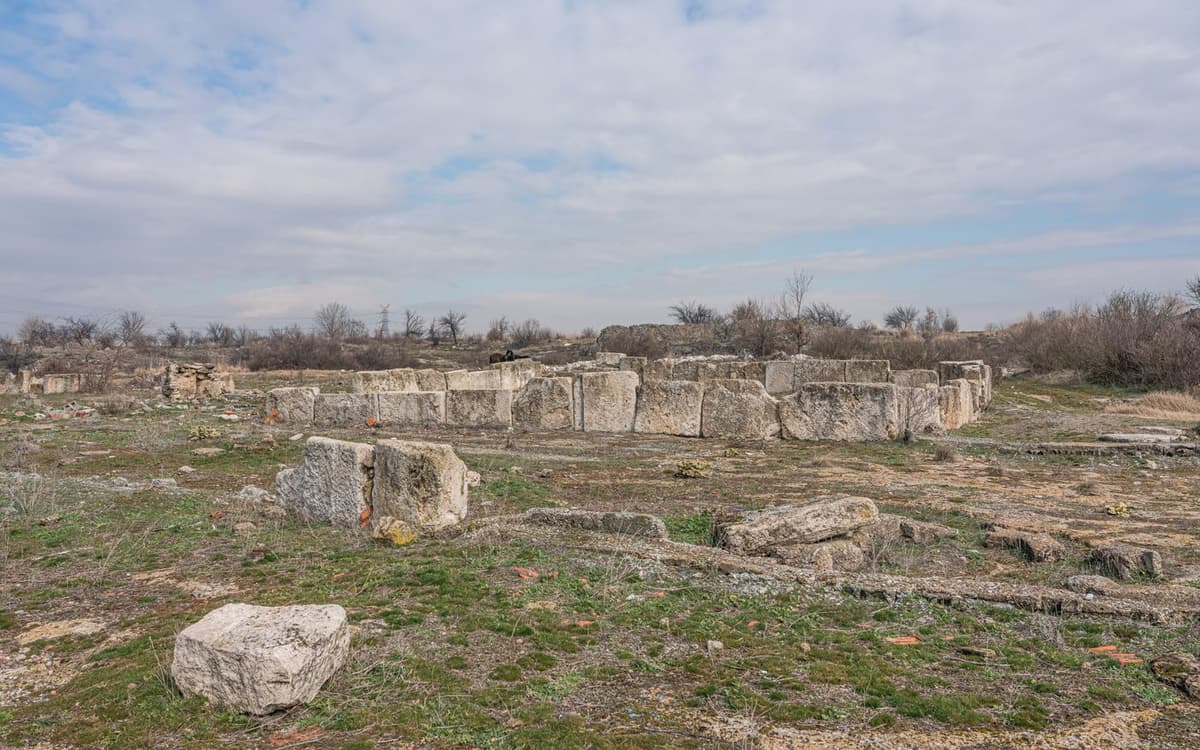
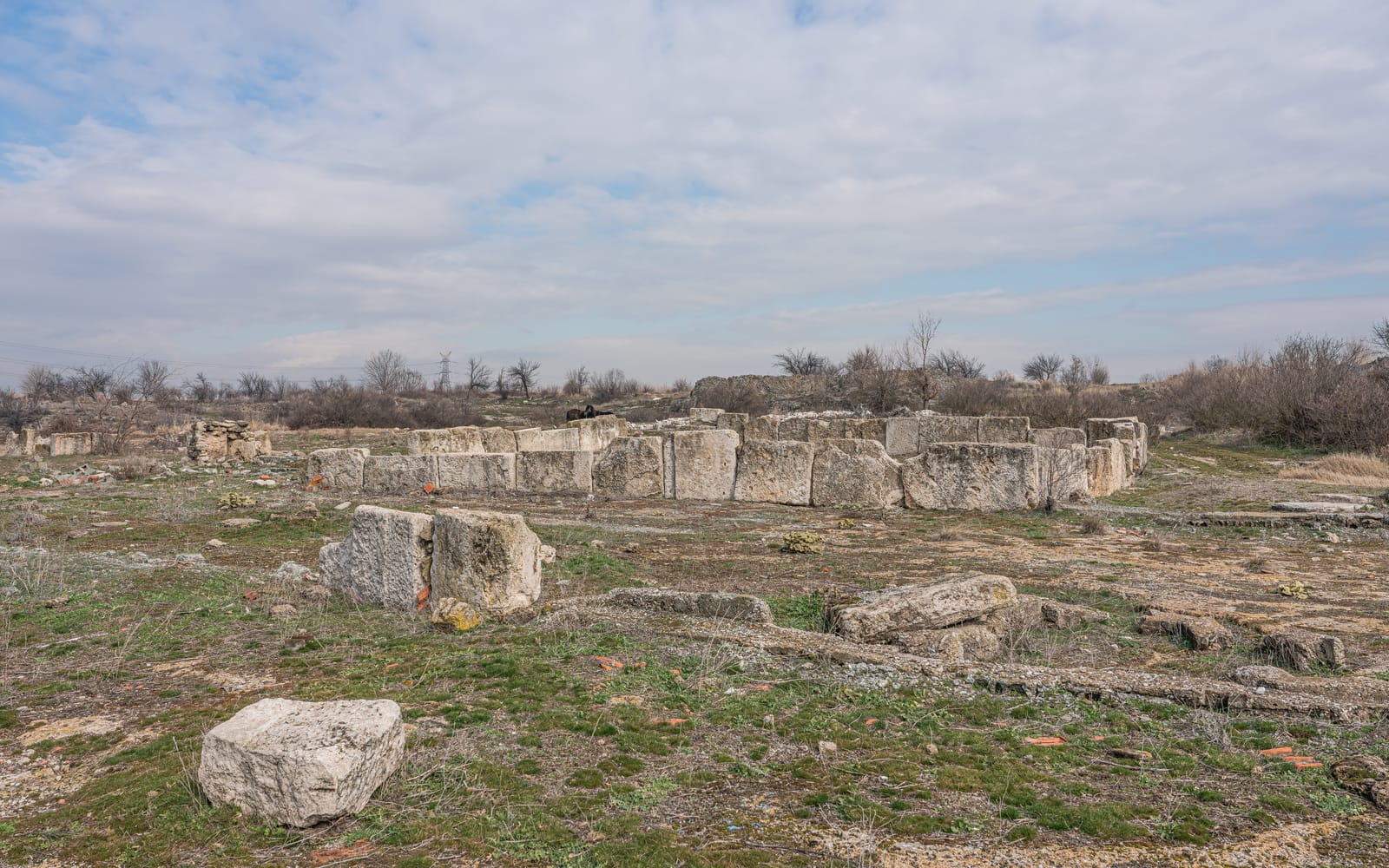
The ancient city survives as a substantial tell (mound) roughly 100 meters across, with surface pottery spanning from the Bronze Age through Byzantine periods. Despite its Biblical fame, the site has never been formally excavated, though systematic surface surveys and geophysical investigations have mapped subsurface features. Mount Honaz (ancient Mount Cadmus) provides a dramatic backdrop to the site.

Colossae'den Honaz görünüm | Gülhan Nurhan (CC BY-SA 4.0)
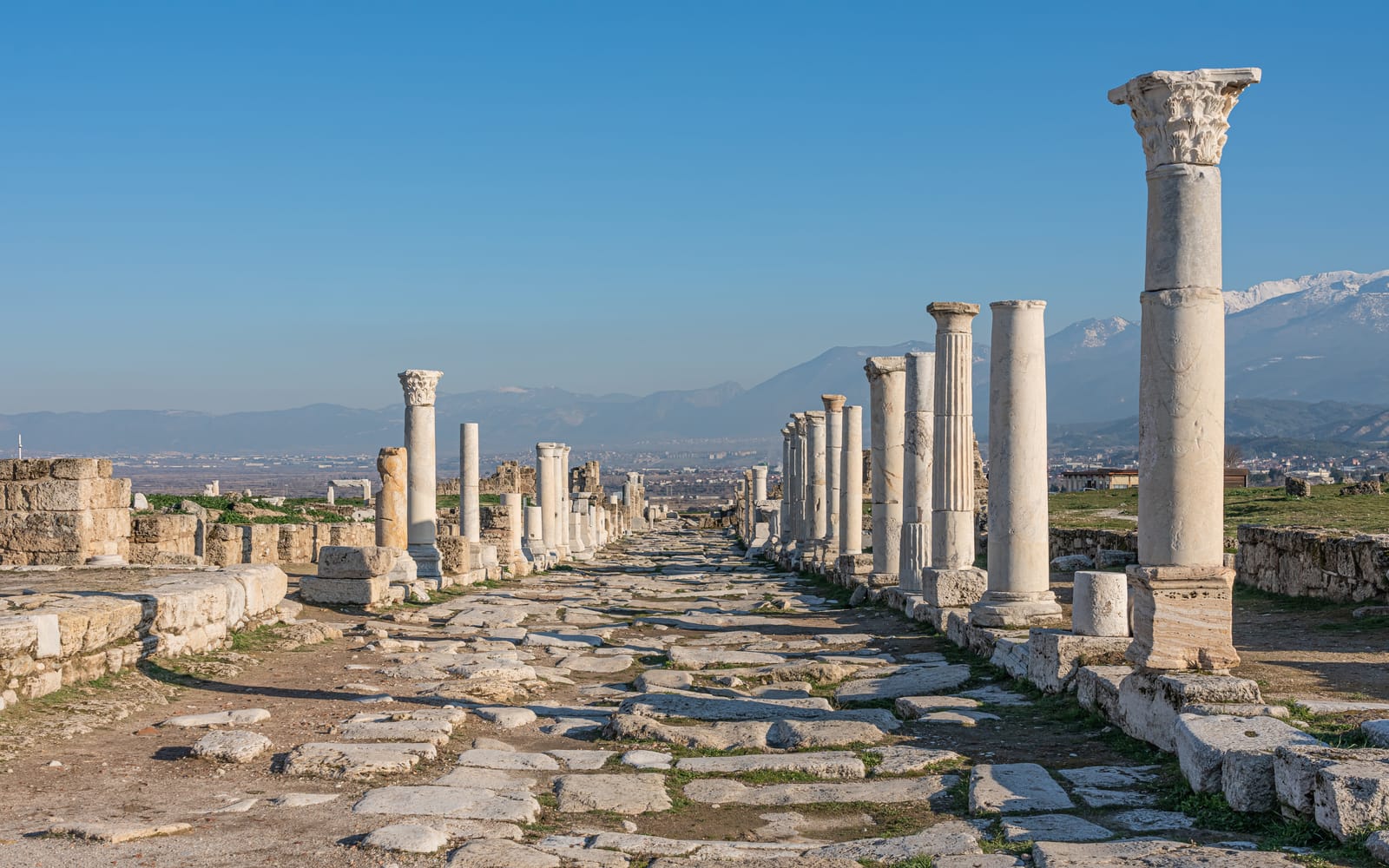
The city's architecture, as suggested by surface remains and geophysical survey, was typical of a prosperous Hellenistic and Roman-era settlement. It likely featured a theater, an agora, and colonnaded streets. Daily life for its inhabitants centered on the textile industry, with workshops producing the famous dark red 'colossinus' wool dye from local madder root, a luxury commodity traded across the Mediterranean. The city's strategic position on the trade route from Ephesus to the east ensured a flow of goods and cultural influences.
Colossae's decline began in earnest in the late Roman period. A major factor was the rise of neighboring Laodicea, which, under Roman patronage, became the judicial and commercial capital of the region, drawing trade and population away. While Colossae remained inhabited into the Byzantine era, repeated seismic activity in the geologically active Lycus Valley, including a devastating earthquake in the early 7th century CE, accelerated its abandonment. The population eventually shifted to the more defensible settlement of Chonae (modern Honaz) on the slopes of Mount Honaz.