Overview
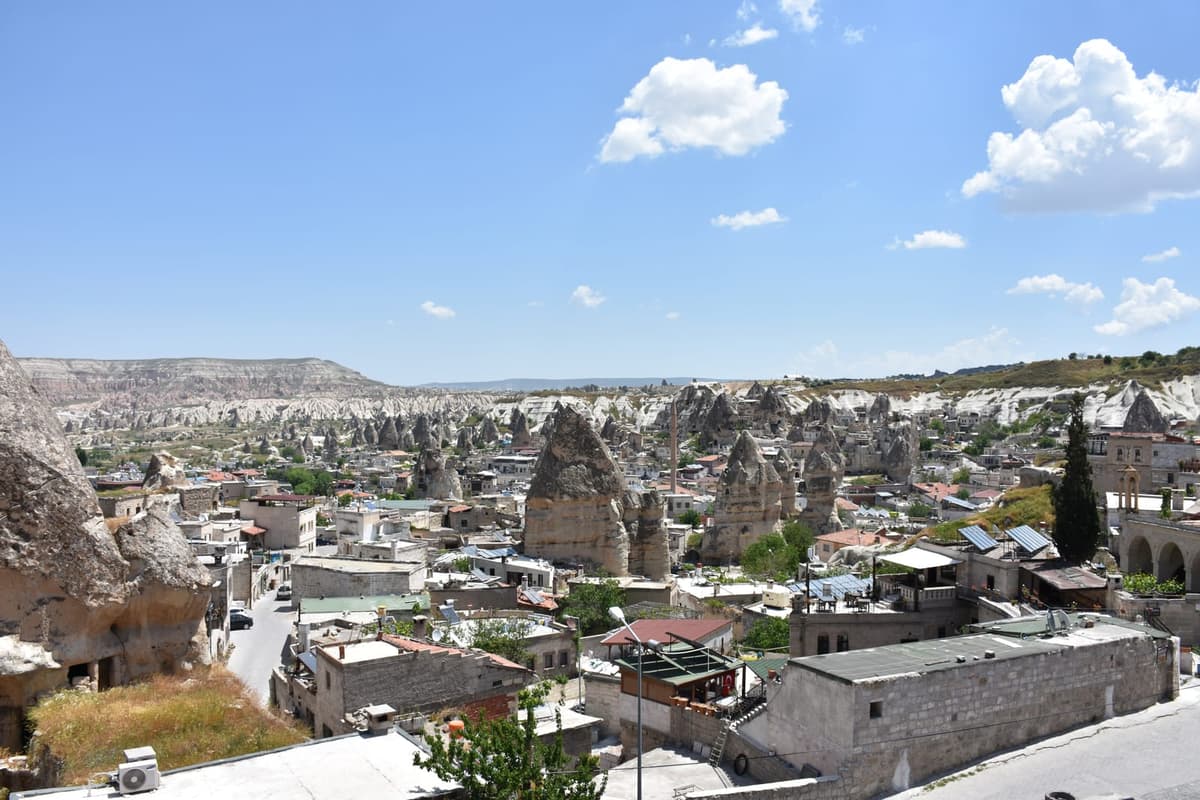
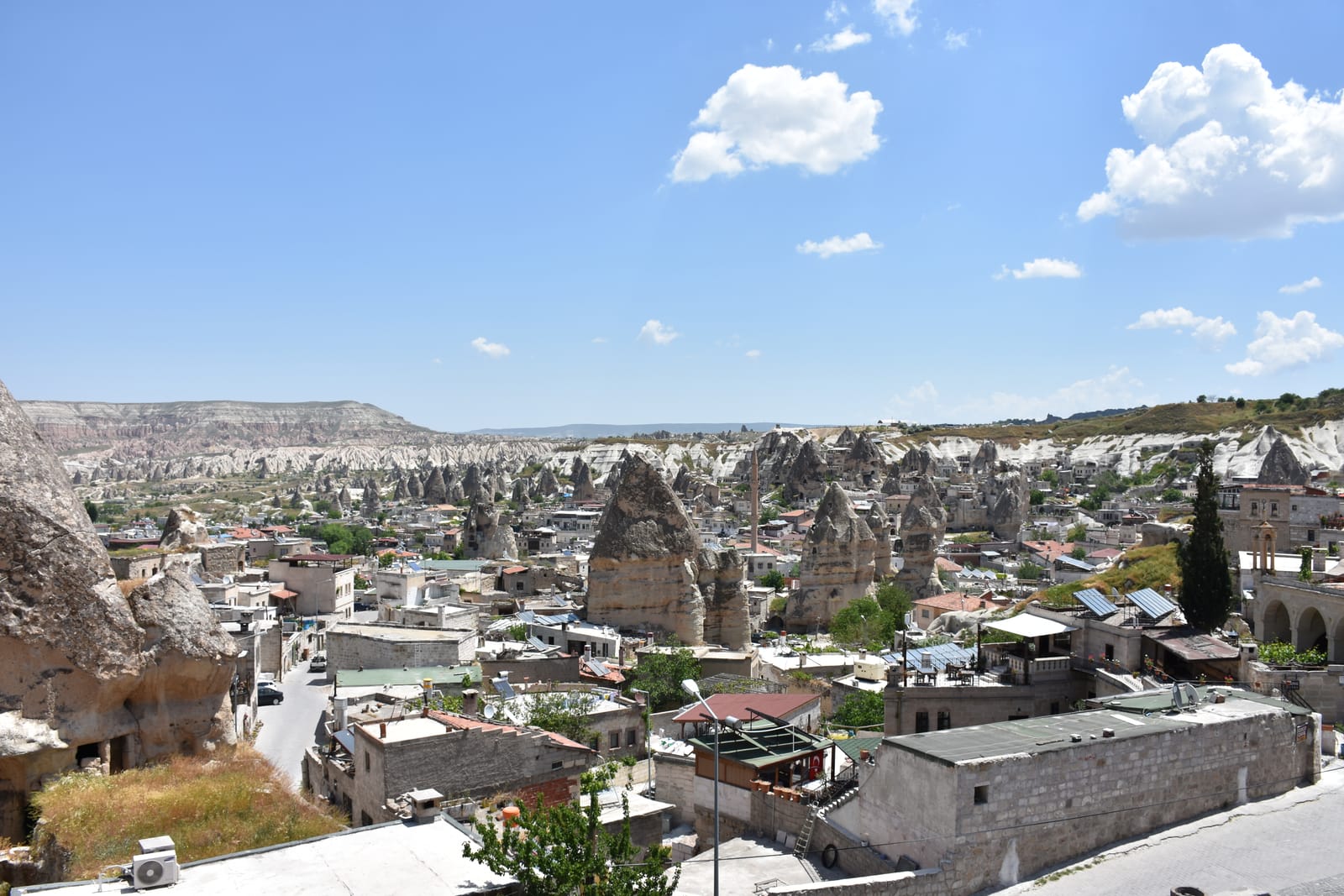
The Goreme Open Air Museum is the concentrated heart of Cappadocia's monastic heritage — a cluster of rock-cut churches, chapels, and refectories carved into the soft tuff formations that define this otherworldly landscape. The volcanic eruptions of Mount Erciyes and Mount Hasan millions of years ago deposited thick layers of ash that solidified into tufa, which wind and water sculpted into the cones, pillars, and "fairy chimneys" that make Cappadocia unmistakable.
Early Christians fleeing Roman persecution discovered that the soft rock was ideal for carving. By the 4th century CE, anchorite monks had established hermitages here. The region flourished as a monastic center from the 6th through 13th centuries, producing hundreds of rock-cut churches decorated with vivid frescoes depicting biblical scenes, saints, and geometric patterns.
"In Cappadocia the mountains are hollow, and men dig their houses out of the rock."
— Xenophon, Anabasis IV.5.25, 401 BCE
The Dark Church (Karanlik Kilise), with its remarkably preserved 11th-century frescoes, is the jewel of the complex. The Buckle Church (Tokali Kilise), the largest in Goreme, features an extensive cycle of New Testament scenes. The Apple Church (Elmali Kilise) and Snake Church (Yilanli Kilise) each offer distinct artistic programs that illuminate the evolution of Byzantine provincial art.
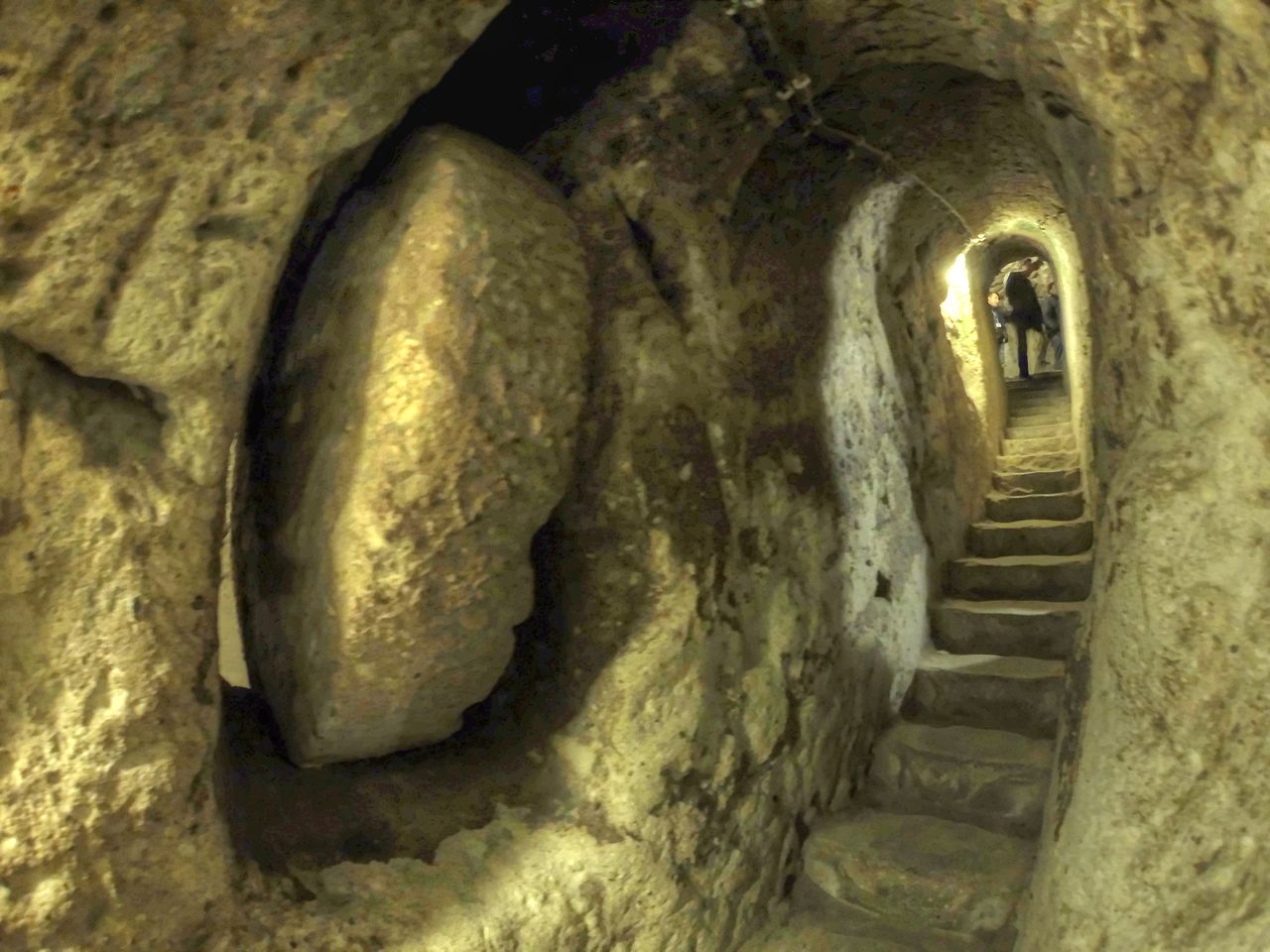
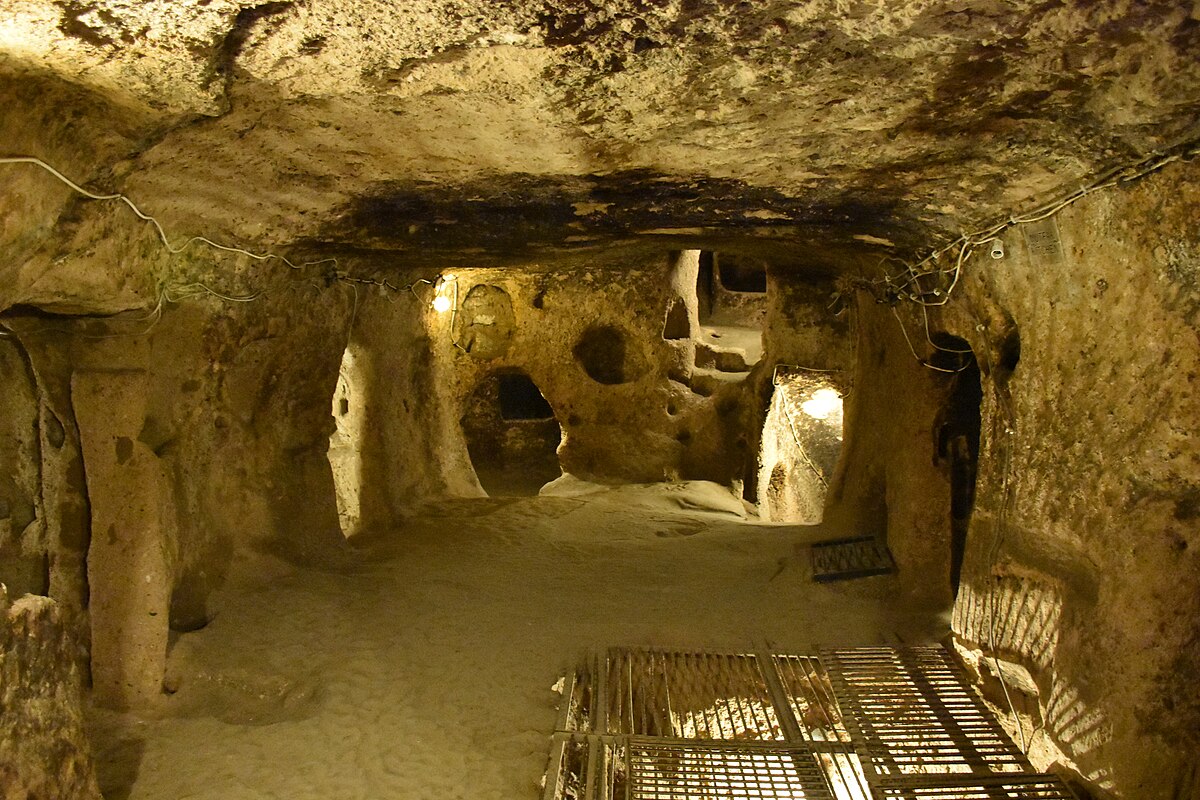
Beyond the museum, the broader Cappadocian landscape encompasses underground cities like Derinkuyu and Kaymakli, the Zelve and Ihlara valleys, and the fortress-rock of Uchisar — a civilization carved entirely into stone.

Göreme Open Air Museum 01 | Bernard Gagnon (CC BY-SA 3.0)
The architecture evolved from simple, undecorated chapels of the early ascetics to sophisticated, multi-domed churches like the Tokalı Kilise, reflecting increased patronage and theological complexity in the Middle Byzantine period. Beyond the churches, the complex includes refectories, kitchens, wine and oil presses, and dormitory cells, painting a vivid picture of a communal monastic life integrated into the rock. The site's decline began after the Seljuk conquest of the region in the late 11th century, which shifted political and economic power away from the Byzantine monastic centers. While some Christian use continued, many complexes were gradually abandoned or converted for storage and shelter by later inhabitants, until systematic archaeological study began in the 20th century.