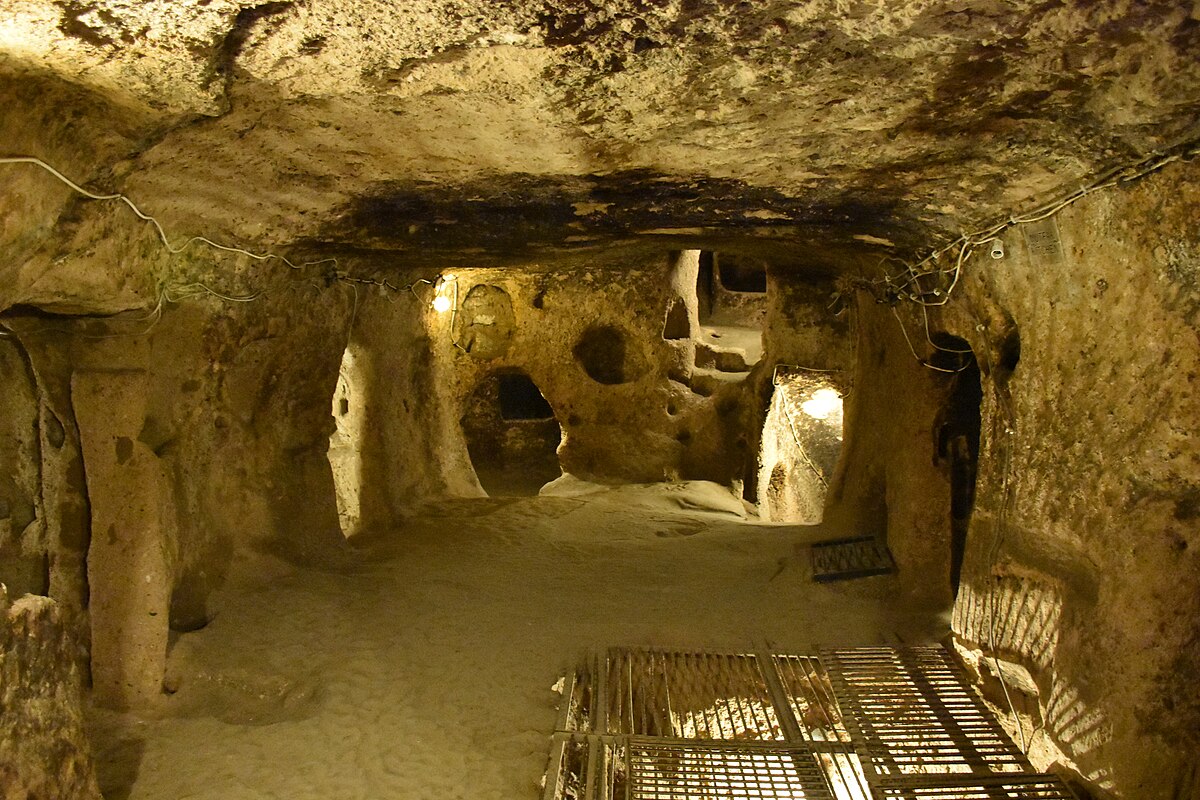
Overview
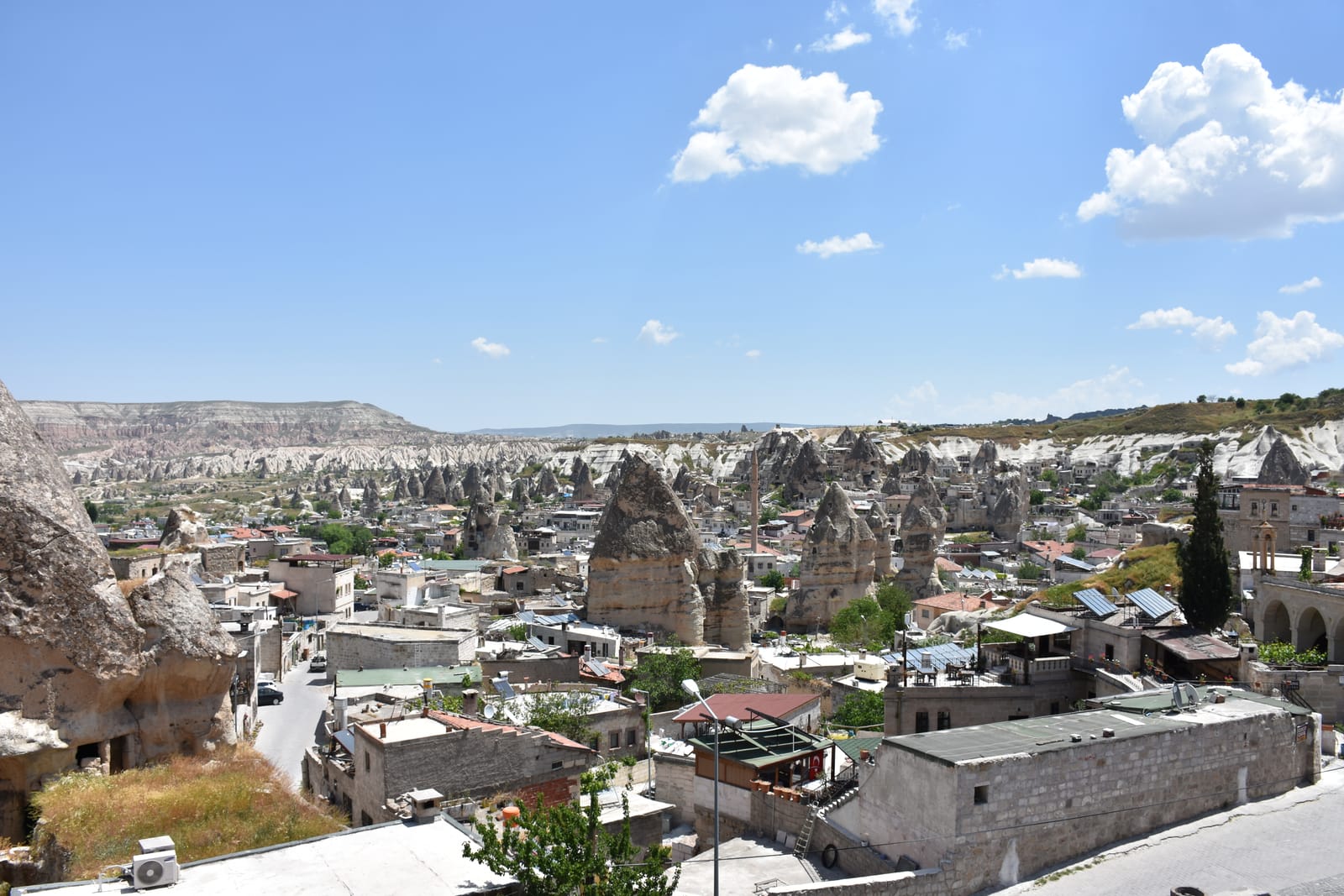
Kaymaklı Underground City extends beneath the modern village of Kaymaklı in Nevşehir province, a vast subterranean complex carved into the soft volcanic tuff that defines the Cappadocian landscape. With eight known levels descending approximately 80 meters below the surface, it is the second-largest underground city in the region after nearby Derinkuyu, and together they represent one of the most remarkable feats of subterranean architecture in the world.
The origins of Kaymaklı's underground spaces likely date to the Phrygian period (8th-7th centuries BCE), when the soft tuff was first hollowed out for storage and shelter. However, the complex was massively expanded during the Roman and Byzantine periods, when the Christian communities of Cappadocia required refuge from periodic invasions and persecutions. The underground city could shelter thousands of people along with their livestock and food supplies during sieges, creating a self-contained subterranean community that could survive for months.
"The inhabitants of Cappadocia dig their dwellings underground, connecting them like the burrows of animals, and live in them with their entire households."
— Xenophon, Anabasis (c. 370 BCE)
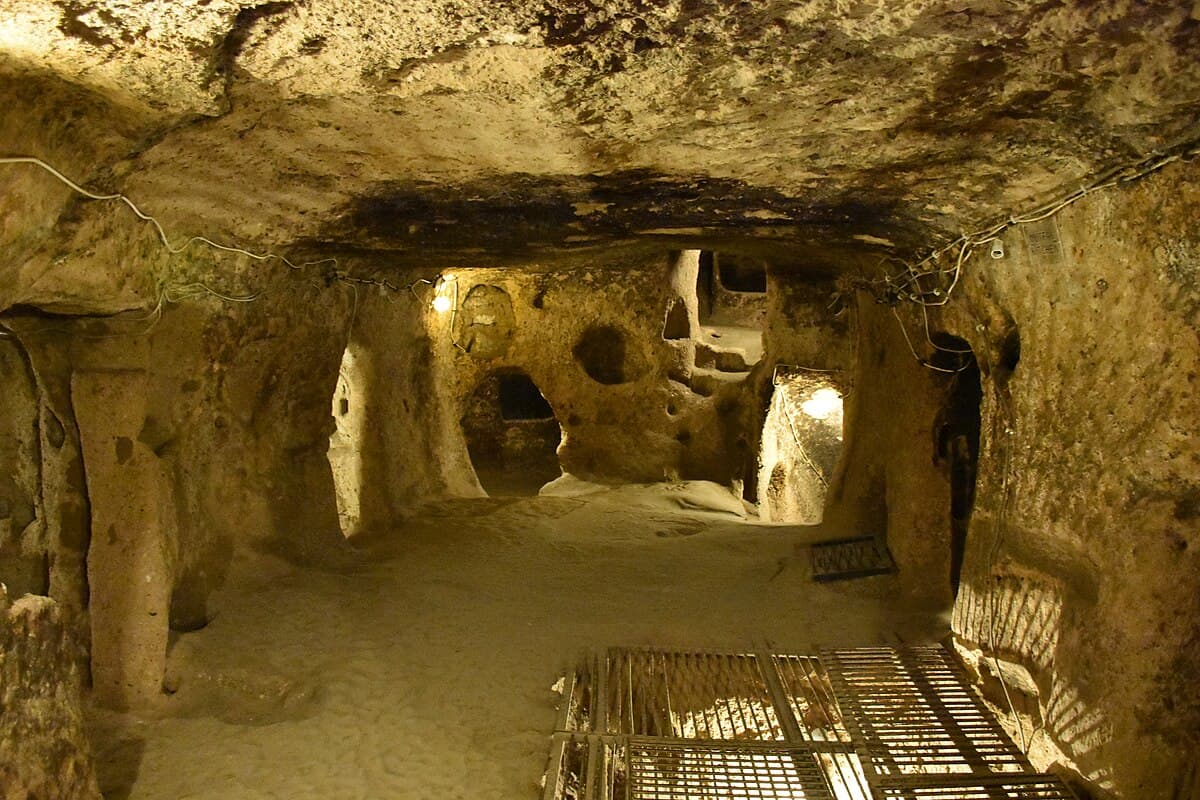
The layout reflects careful planning despite the organic expansion over centuries. Each level served distinct functions: upper levels contained living quarters with sleeping platforms and cooking areas (identifiable by smoke-blackened ceilings), while middle levels housed storerooms for grain, wine, and oil. A church level featured a barrel-vaulted chapel with simple carved decoration. The deepest accessible levels contained water wells and additional storage, ensuring the survival of sheltering populations even during extended sieges.
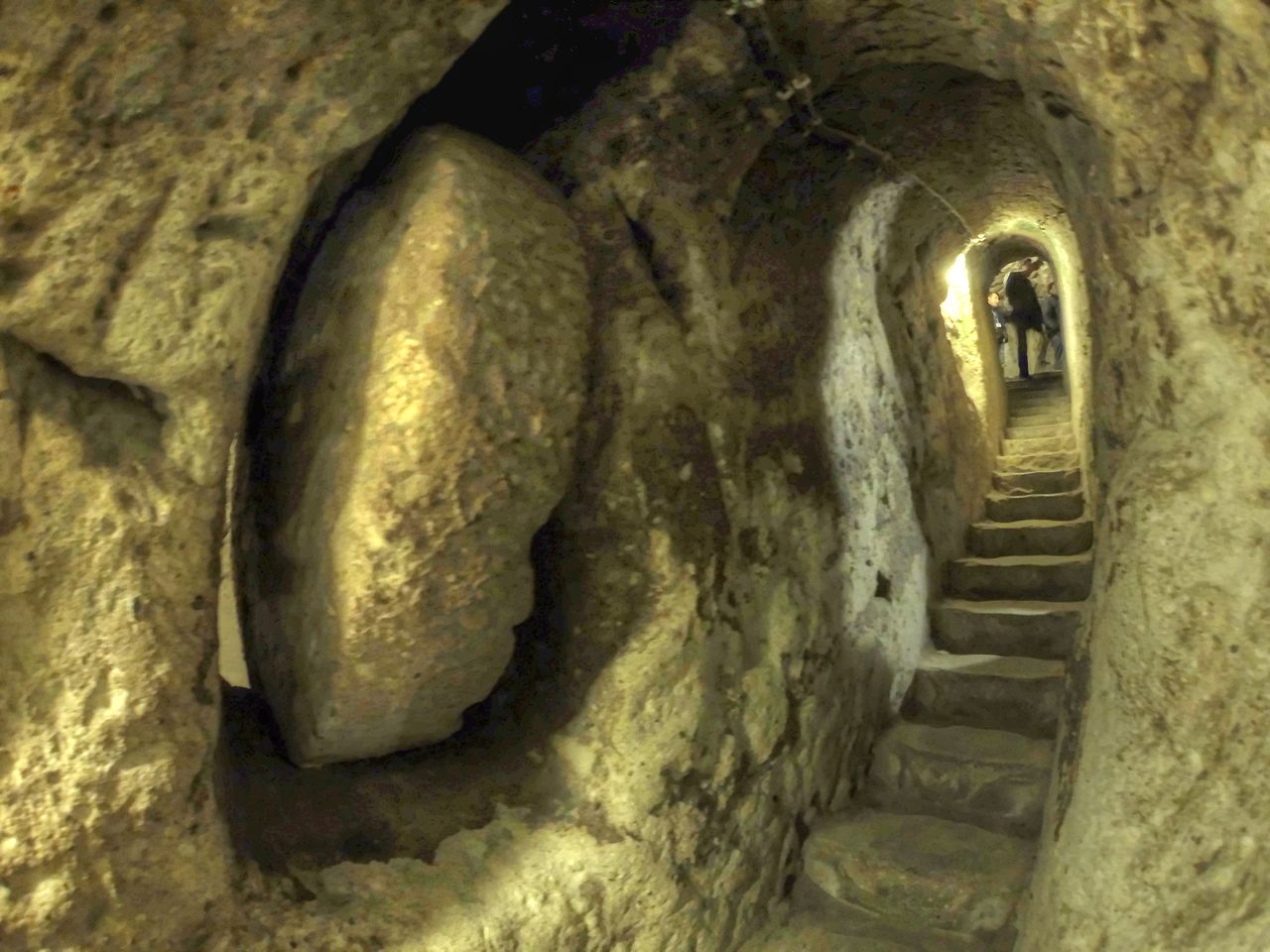
Massive circular rolling stones, weighing up to half a ton, could be rolled across corridor junctions to seal off sections of the underground city. These ingenious defensive devices, operated from the inside, could be positioned quickly and were nearly impossible to move from the exterior. Narrow tunnels connecting levels served as chokepoints where a single defender could hold off multiple attackers.

CAPPADOCIA Göreme National Park and the Rock Sites. World Heritage List. Turkey. Hot Air Ballooning Cappadocia | Feridun F. Alkaya (CC0)
The ventilation system demonstrates sophisticated engineering. Dozens of vertical shafts penetrate from the surface through all eight levels, providing fresh air circulation even to the deepest chambers. Some of these shafts also served as communication channels between levels and as wells providing access to underground water sources.
A tunnel reportedly connected Kaymaklı to Derinkuyu underground city, approximately 9 kilometers away, though this passage has not been fully explored. If confirmed, it would represent an underground infrastructure network of extraordinary ambition.