Atlas AnatoliaAtlas Anatolia
Submerged ruins of the ancient city visible through the clear waters at Kekova

Kekova

400 bce – 700 ce
ClassicalRomanByzantineLycianRomanByzantineAntalya

Sunken City

Submerged by earthquakes in the 2nd century CE

Ancient Name

Dolichiste, part of the Lycian coastal network

Protection

Specially Protected Area since 1990, no diving allowed

Visibility

Ruins visible through crystal-clear Mediterranean water

Kekova offers a uniquely vivid encounter with the seismic vulnerability of Mediterranean civilizations.”

Wfrom_wikipedia

Kekova is a partially sunken ancient Lycian city along the Mediterranean coast, its ruins visible through crystal-clear water after 2nd century earthquakes submerged the settlement.

read_wikipedia

overview

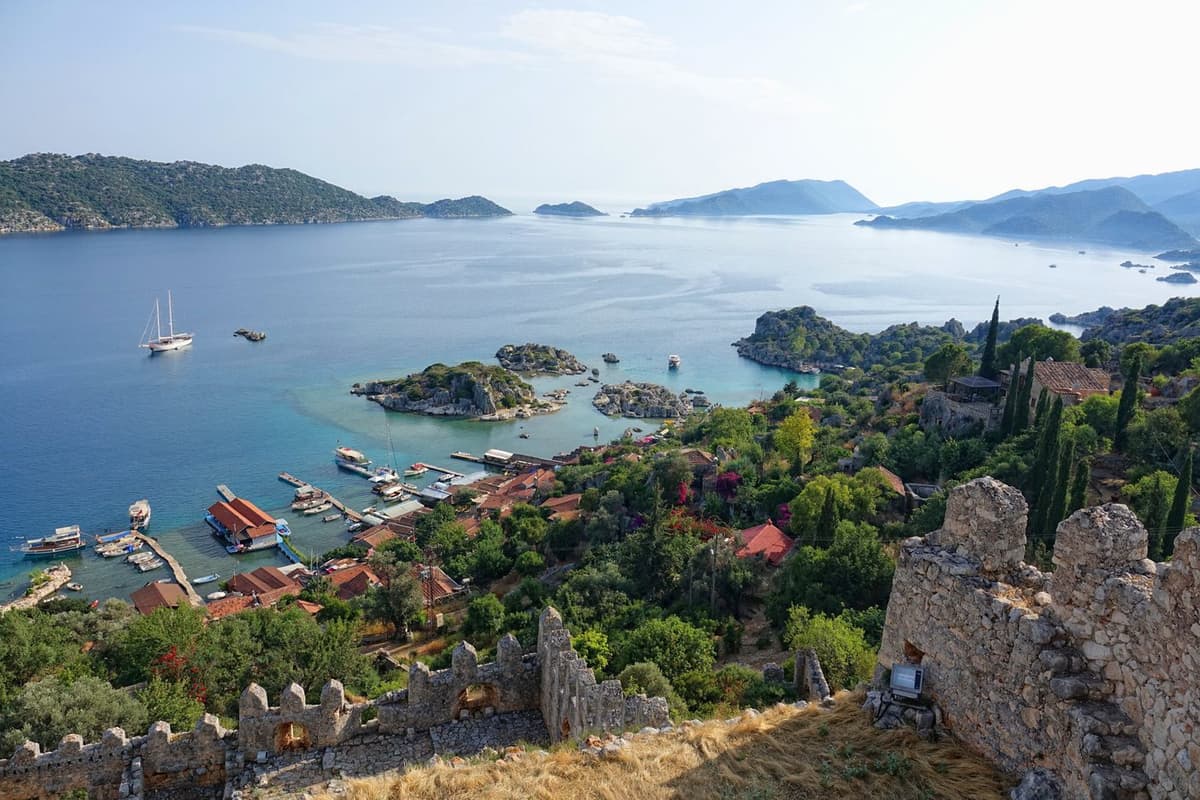
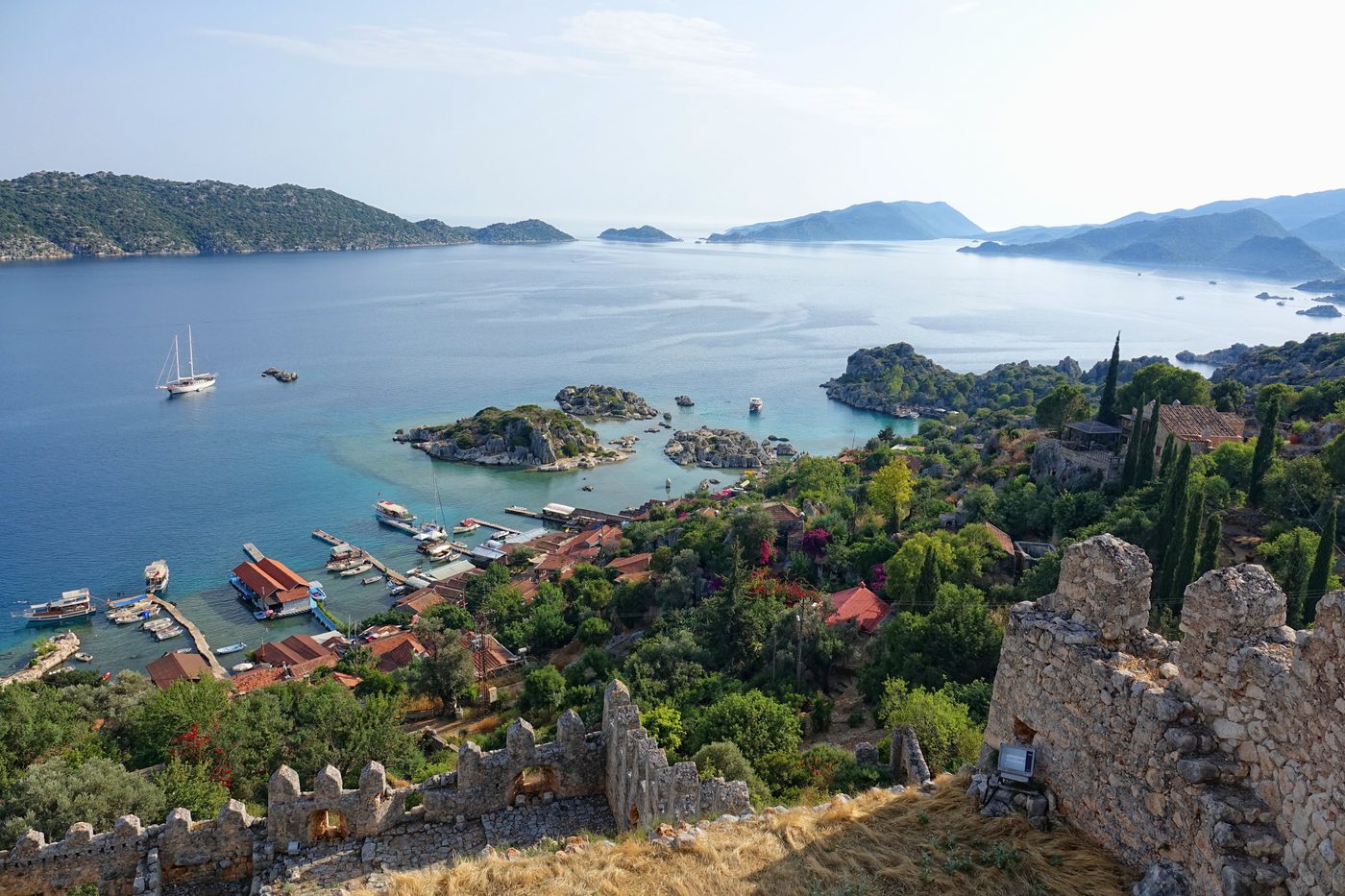
Kekova is the name of both an island and the surrounding region along the Lycian coast of Antalya province, where the ruins of an ancient city lie partially submerged beneath the extraordinarily clear waters of the Mediterranean. The ancient settlement on the island's northern shore — identified as Dolichiste — sank below sea level following devastating earthquakes in the 2nd century CE, creating one of the most visually spectacular archaeological sites in Turkey. Visible through the transparent water are the remains of staircases, house foundations, harbor quays, and other structures that once formed a thriving Lycian and Roman coastal town. The gradual submersion preserved architectural details that would have been lost to erosion on land, while the warm Mediterranean light illuminating the submerged ruins creates an otherworldly effect. The broader Kekova region includes the fortified settlement of Simena (modern Kalekoy) perched on a dramatic hillside above the strait, with a Crusader-era castle incorporating ancient walls and Lycian rock-cut tombs half-submerged at the waterline. Across the strait, the ancient city of Teimioussa (modern Ucagiz) preserves more Lycian sarcophagi and tomb facades. The Turkish government designated Kekova as a Specially Protected Area in 1990, prohibiting diving and swimming over the submerged ruins to prevent damage. Visitors typically view the underwater city from glass-bottomed boats or kayaks, observing Lycian and Roman construction techniques frozen in time beneath the surface.

why_it_matters

Kekova offers a uniquely vivid encounter with the seismic vulnerability of Mediterranean civilizations. The submerged ruins powerfully demonstrate how tectonic activity has shaped the archaeological landscape of coastal Anatolia, destroying cities and reshaping coastlines throughout history. The site's exceptional preservation underwater provides architectural evidence for Lycian and Roman domestic and harbor construction rarely available on land. As a Specially Protected Area, Kekova represents Turkey's commitment to preserving underwater cultural heritage for future study.

evidence

evidence_desc

confirmed

2
  • Underwater survey has documented submerged building foundations, staircases, quay walls, and harbor structures consistent with a Lycian-Roman coastal settlement.
  • Lycian rock-cut tombs at the waterline at Simena (Kalekoy) confirm the region's tectonic subsidence since antiquity.

inferred

1
  • The settlement pattern of Dolichiste, Simena, and Teimioussa suggests a networked coastal community sharing harbor facilities and defensive responsibilities.

debated

1
  • The precise date and magnitude of the earthquake(s) that submerged Dolichiste remain debated, with some scholars proposing a single catastrophic event and others a gradual subsidence.

excavation

1982–1985

Underwater survey

Initial underwater archaeological survey documented the extent of the submerged city, mapping house foundations, staircases, and harbor installations.

1990

Protected area designation

Turkish government designated Kekova as a Specially Protected Area, restricting activities to preserve the submerged ruins and marine environment.

2009–2015

Simena and Teimioussa surveys

Archaeological surveys of the neighboring land-based settlements documented Lycian tombs, fortification walls, and the relationship between the submerged and surviving ruins.

Community Photos

Share your experience

Have you visited this site? Upload your photos to help others discover it.

location

related_sites

sources

  • The Sunken Cities of LyciaGeorge E. Bean (1978)
  • Lycian Turkey: An Archaeological GuideGeorge E. Bean (1989)
  • Wikipedia — Kekovalink

papers