Overview
Rhodiapolis is a small but historically significant Lycian city nestled in the pine-forested hills above Kumluca in Antalya province. Though modest in scale compared to major Lycian centers, the city gained extraordinary fame through one resident: Opramoas, a 2nd century CE citizen whose philanthropic donations across the entire province of Lycia remain unparalleled in the ancient record.
Opramoas's generosity is documented in inscriptions totaling over 60,000 words — one of the longest inscriptions from the ancient world — carved on his monumental tomb at Rhodiapolis. His donations funded reconstruction after a devastating earthquake around 141 CE, providing money for rebuilding theaters, baths, granaries, and other public buildings in cities across Lycia. His benefactions totaled millions of denarii, making him the most documented philanthropist of the Roman world.
"Opramoas of Rhodiapolis, a most excellent man, gave gifts to all the cities of Lycia."
— Inscription from the Monument of Opramoas, Rhodiapolis (c. 140-150 CE)
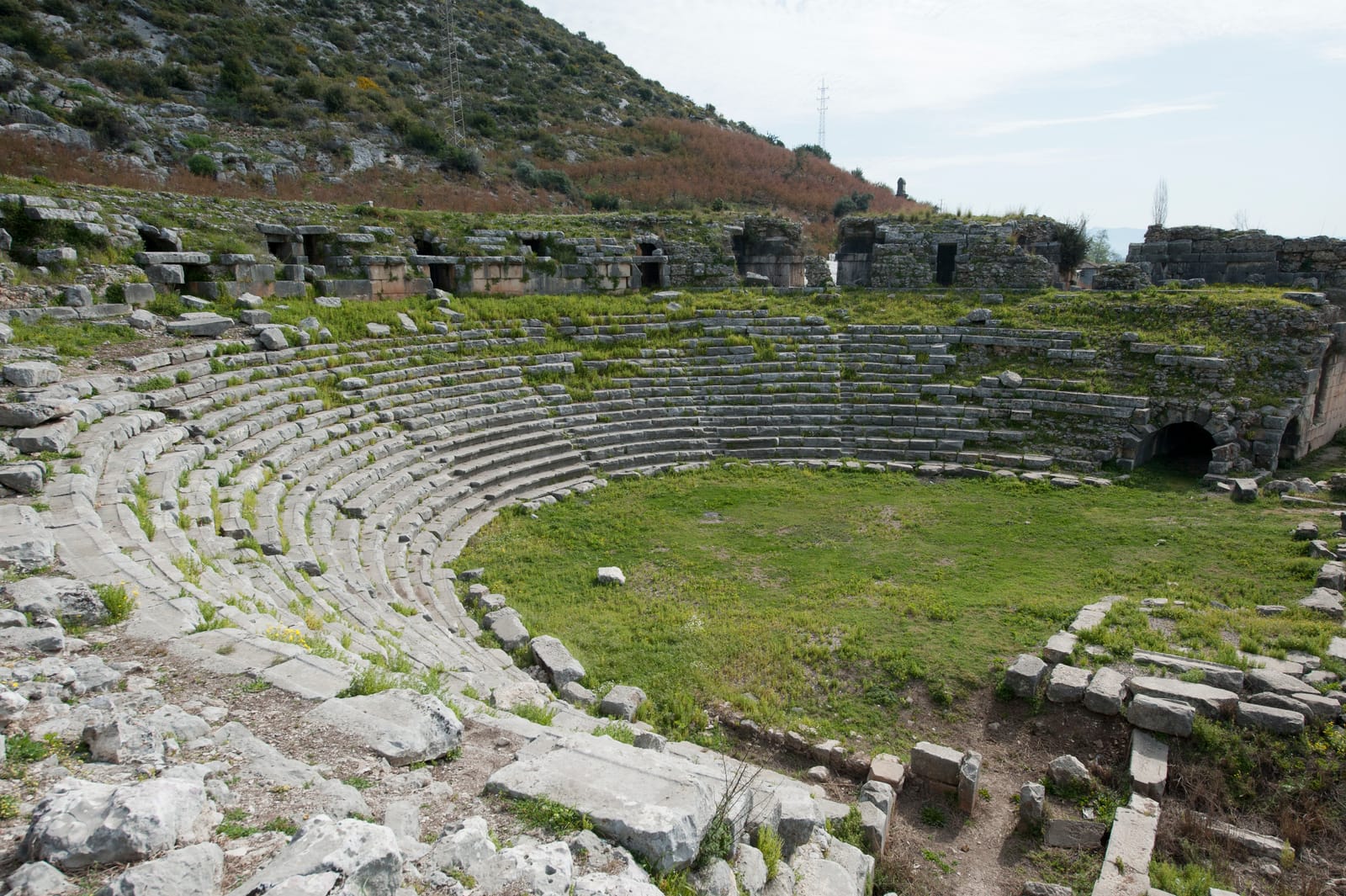
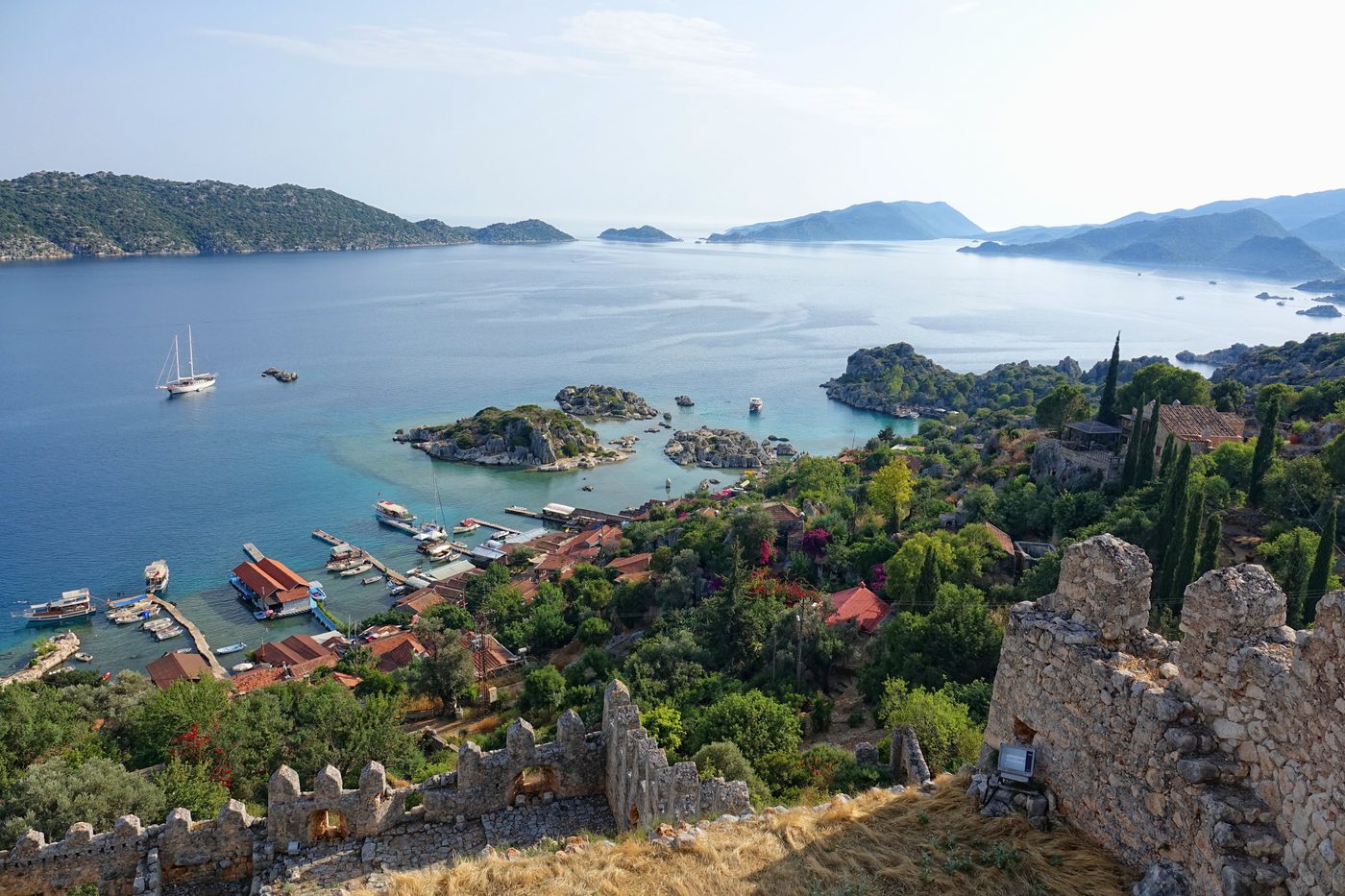
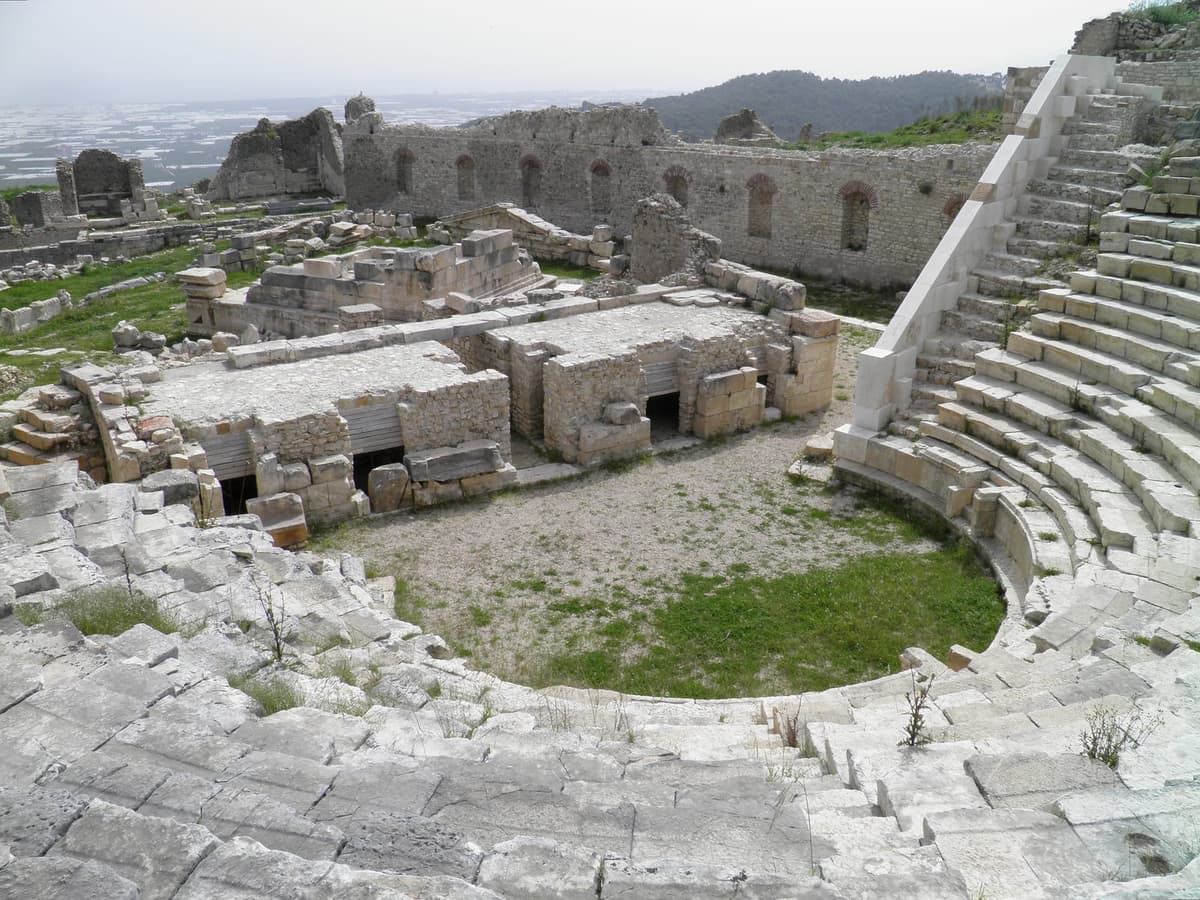
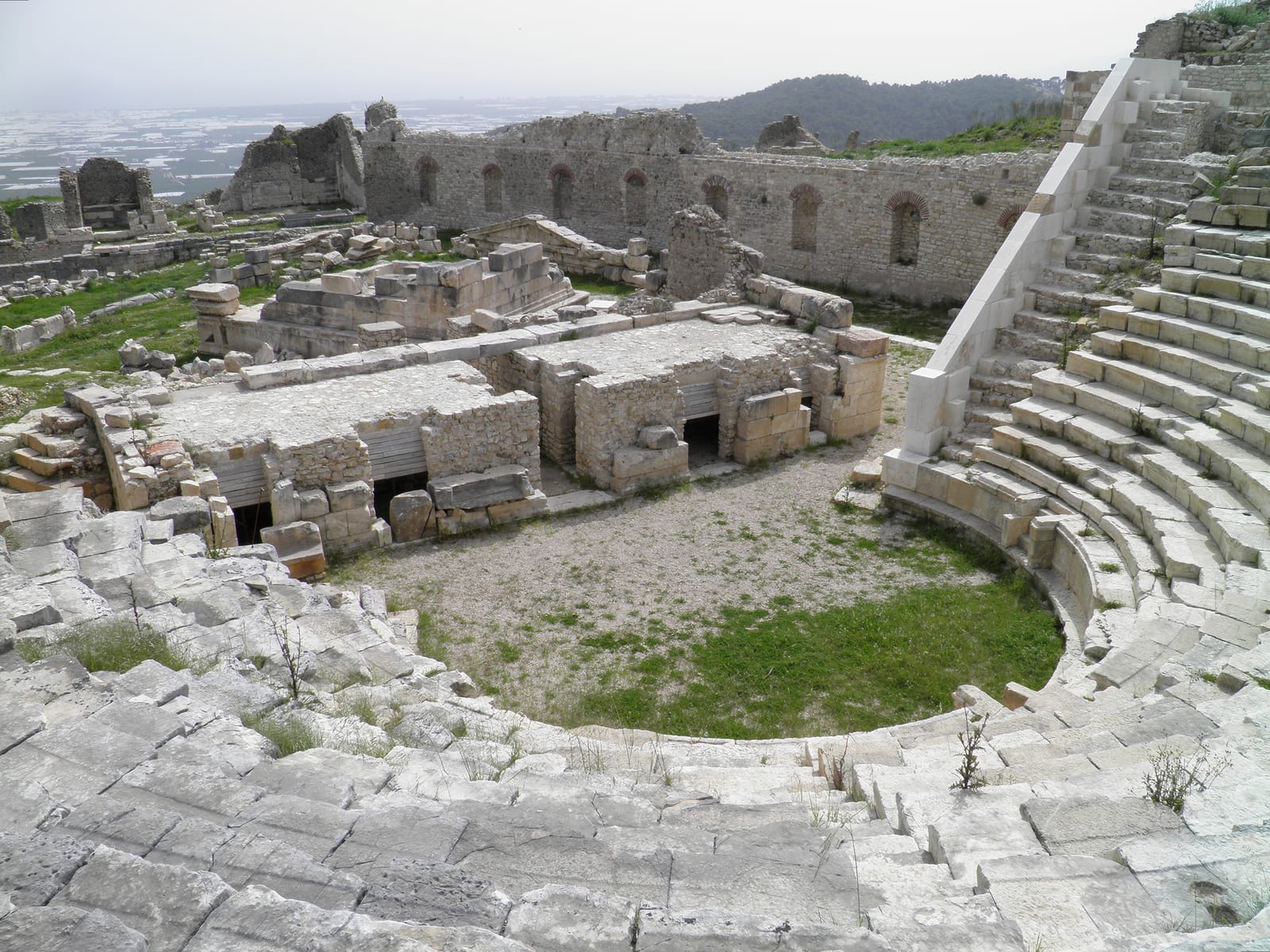
The city itself preserves a small theatre, baths, churches, tombs, and portions of its agora, spread across a terraced hillside with views toward the Mediterranean. Lycian rock tombs in the surrounding cliffs predate the Roman-period city. The Opramoas monument — a large heroon (hero shrine) — dominates the site with its inscription-covered walls.
Recent Turkish excavations have uncovered additional public buildings, mosaics, and a bishop's church indicating the city continued into the Byzantine period.

Rhodiapolis (Turkey) banner Ruins of ancient city | Gunthram (CC0)
The city's urban fabric, as revealed by excavations led by Prof. Dr. İsa Kızgut since 2006, includes a well-preserved theater, a colonnaded street, an agora, and a substantial bath-gymnasium complex. These structures, largely funded by local elites like Opramoas, illustrate the adoption of Roman architectural models within a Lycian hilltop setting. The sophisticated water management system, featuring an aqueduct and a large nymphaeum, was vital for sustaining public life and hygiene.
Rhodiapolis's economy was likely based on agriculture, particularly olive oil and wine from the fertile plains below, and timber from its forested hills. Its position allowed it to participate in regional trade networks along the Lycian coast. The city declined in the late Roman and early Byzantine periods, with a small Christian community building a church atop earlier structures, but it never regained its 2nd-century prominence and was eventually abandoned.