Overview
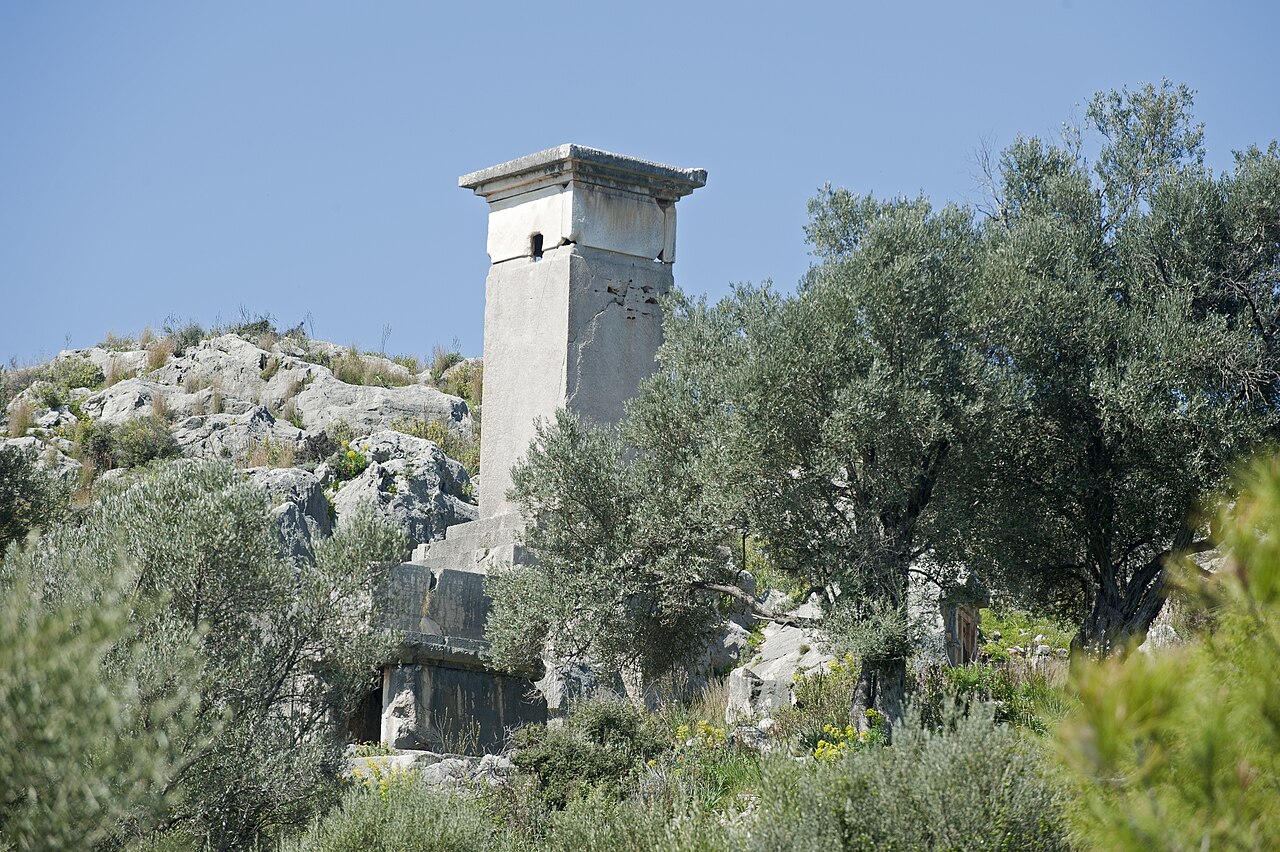
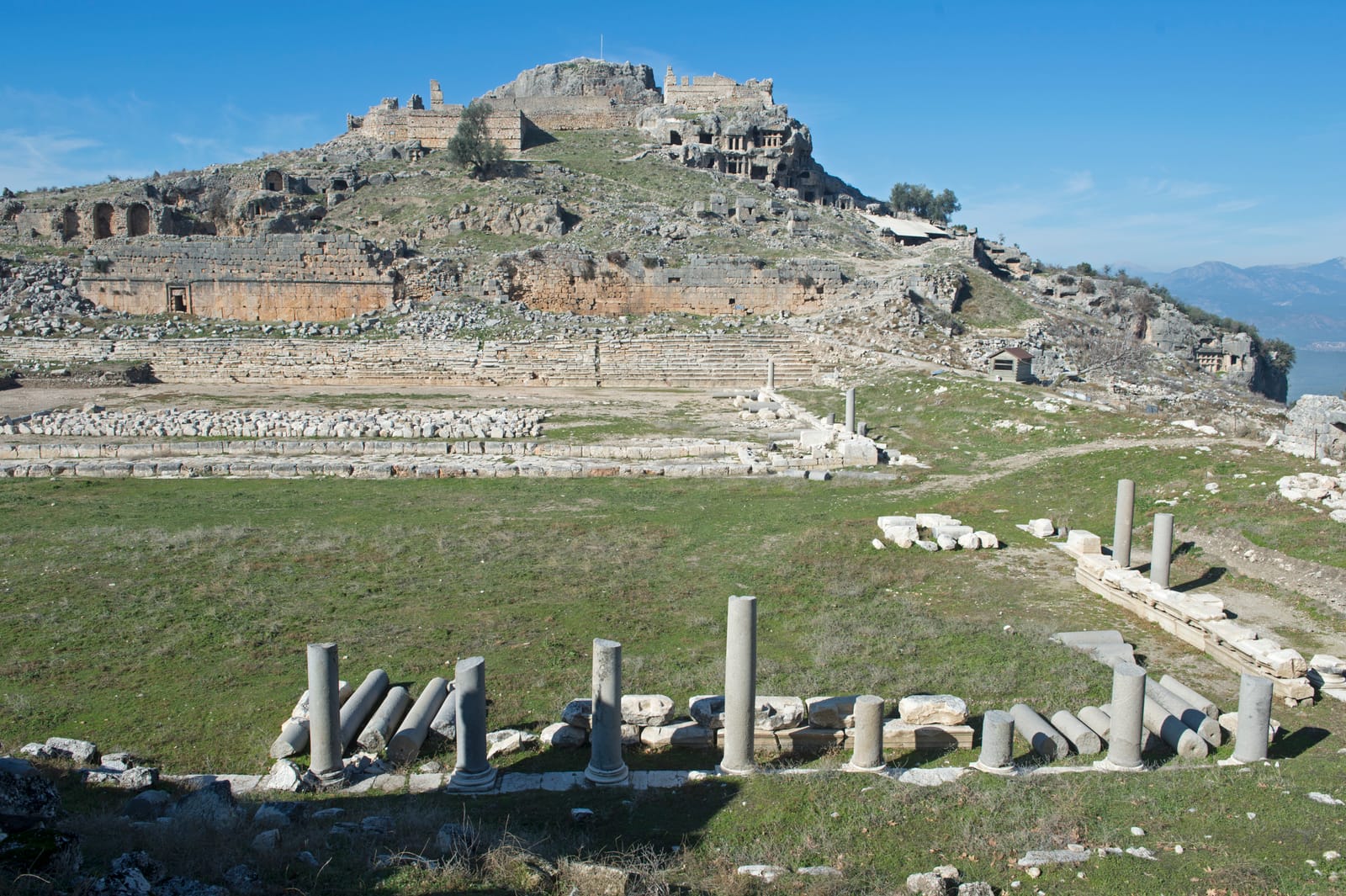
Limyra was one of the most important cities of ancient Lycia, sprawling across a fertile plain at the foot of the Tocat Dagi mountain in eastern Lycia. The city's most striking feature is the extraordinary concentration of rock-cut tombs — over 400 — carved into the limestone cliffs above the city, making it one of the densest necropoleis in the Lycian world.
The city rose to prominence under the Lycian dynast Pericles of Limyra (not to be confused with the Athenian statesman), who in the early 4th century BCE briefly united much of Lycia under his rule. His monumental tomb — the Heroon — is an elaborate freestanding structure combining Greek and Lycian architectural elements, decorated with sculptural friezes depicting battle scenes and mythological narratives.
"Limyra is a city of Lycia, where there is a temple of Apollo."
— Pseudo-Scylax, Periplous (c. 4th century BCE)
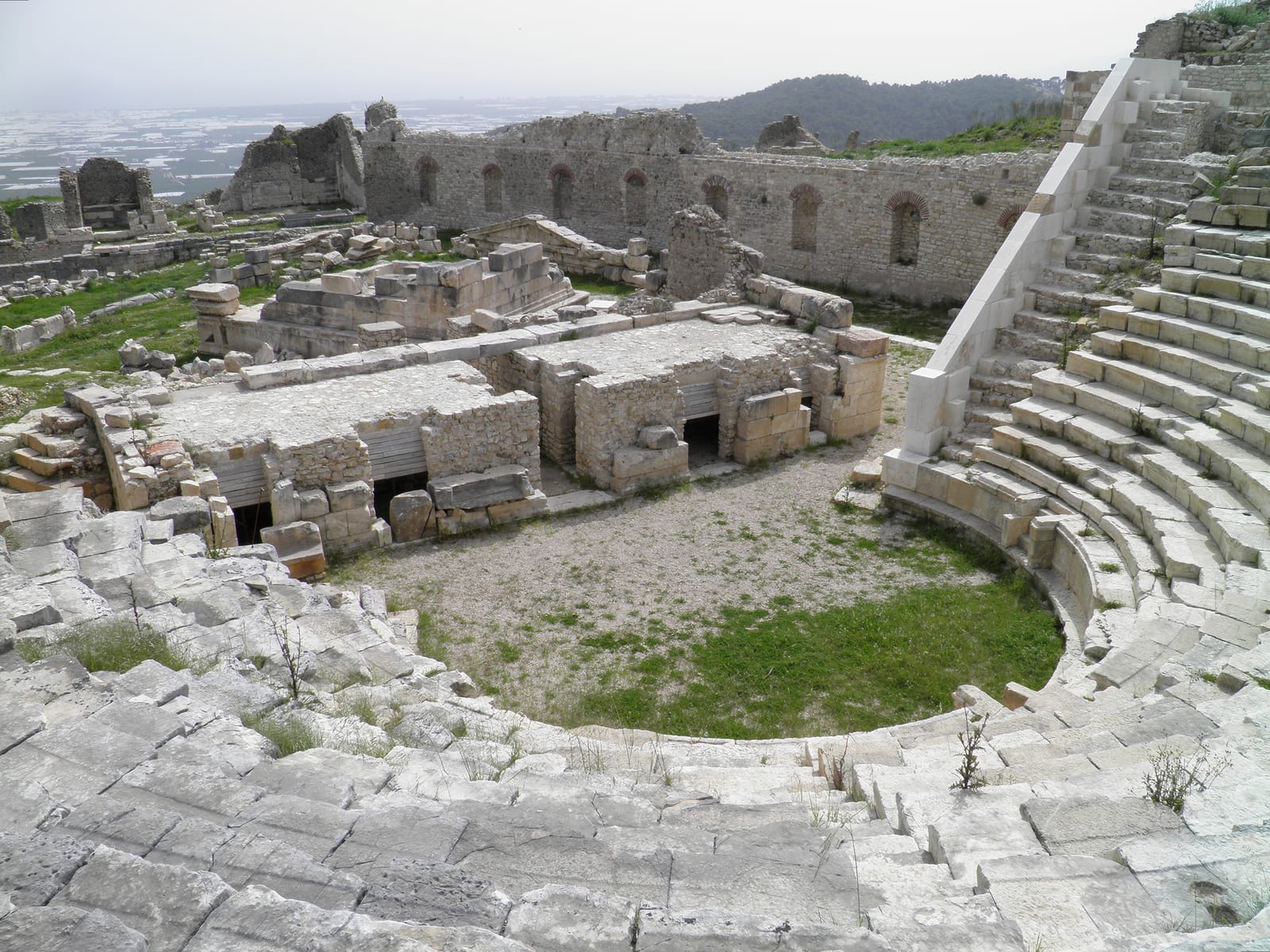
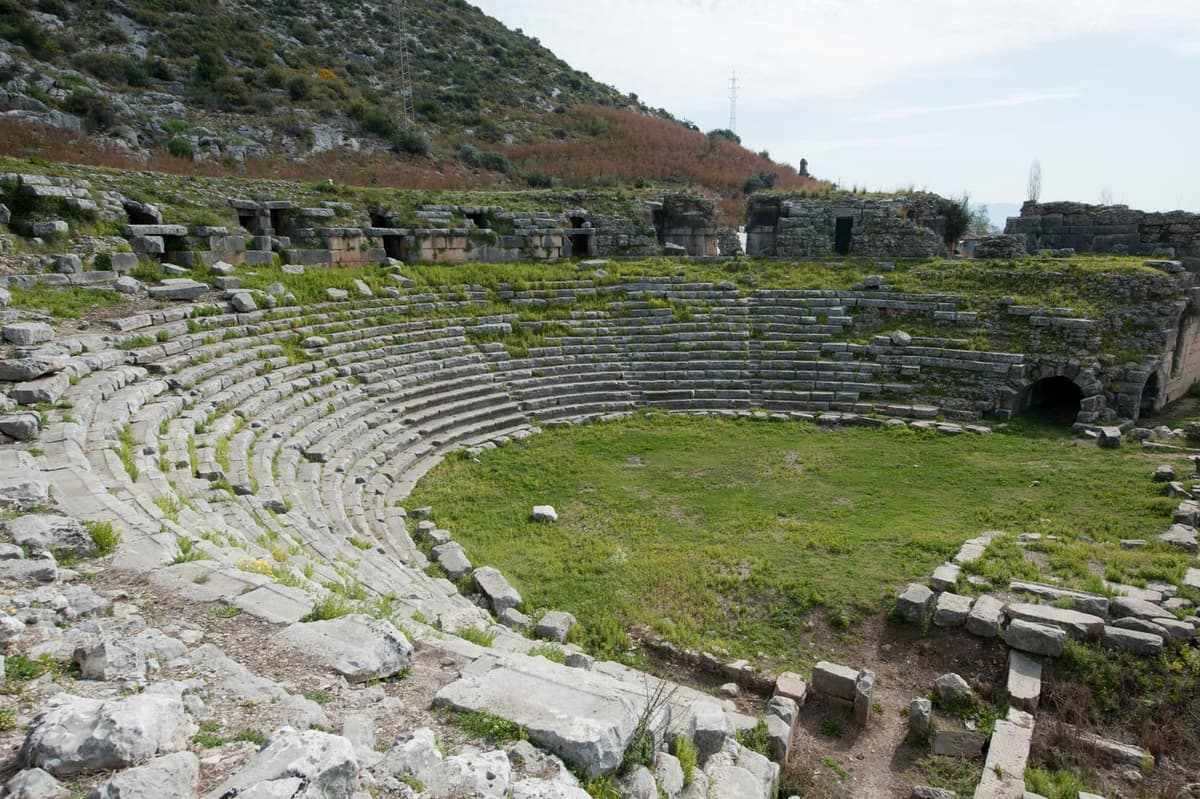
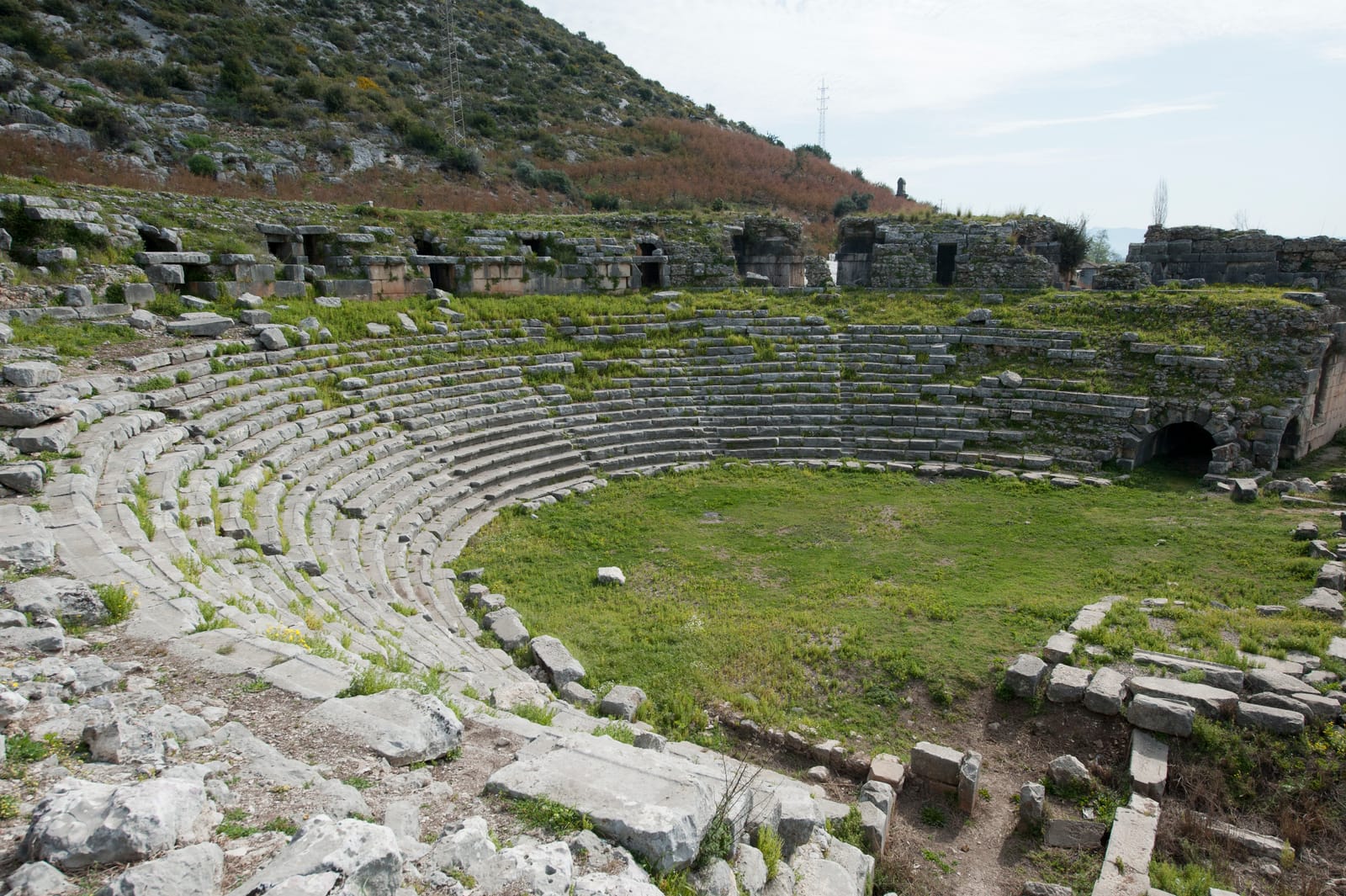
Under Roman rule, Limyra became the capital of the Lycian province. The city preserves a theatre, baths, churches, and an extensive urban plan. Below the ancient city, the Limyra Bridge — a late Roman stone bridge with 26 segmental arches spanning a marshy valley — is one of the oldest segmental arch bridges in the world and a milestone in the history of engineering.
The site is fed by abundant springs that create a lush landscape contrasting with the dry terrain typical of the Lycian coast. These springs were sacred in antiquity and contributed to the city's prosperity.

Limyra 5233 | Dosseman (CC BY-SA 4.0)
Beyond its famed necropolis, Limyra was a thriving urban center. The lower city, situated on the plain, contained public buildings such as a large theater, a colonnaded street, and a probable agora, indicating a sophisticated civic life. The city's strategic location on the route between the Lycian coast and the interior facilitated trade, evidenced by finds of imported pottery and coins. A significant Byzantine ecclesiastical complex, including a basilica and bishop's palace, attests to the city's continued importance into late antiquity. Limyra's decline began in the 7th century CE, likely due to a combination of Arab raids, seismic activity, and the silting up of its port, leading to its eventual abandonment. The ruins were later used as a quarry for neighboring settlements.