Overview
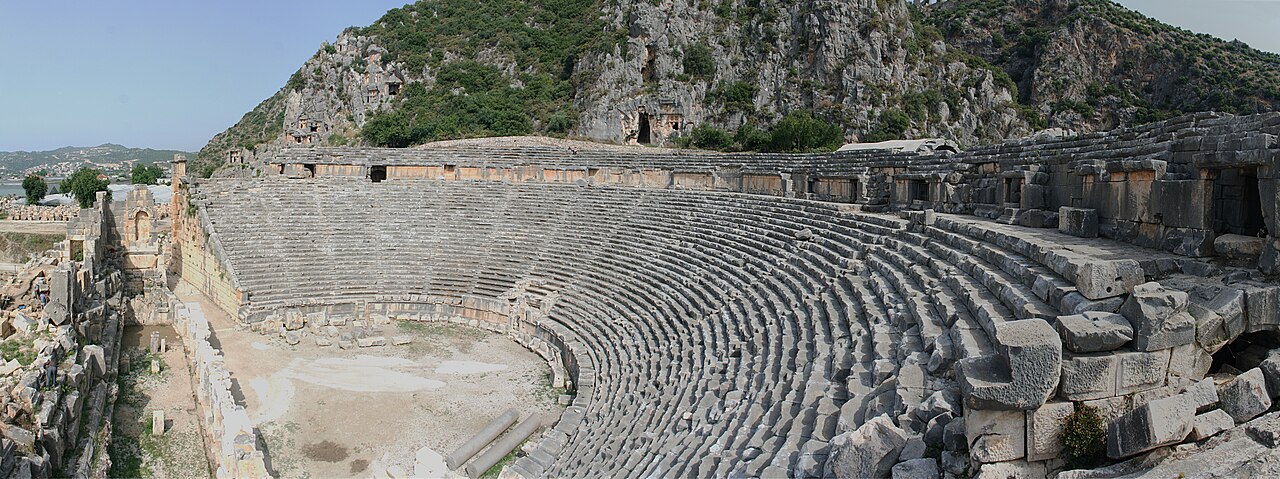
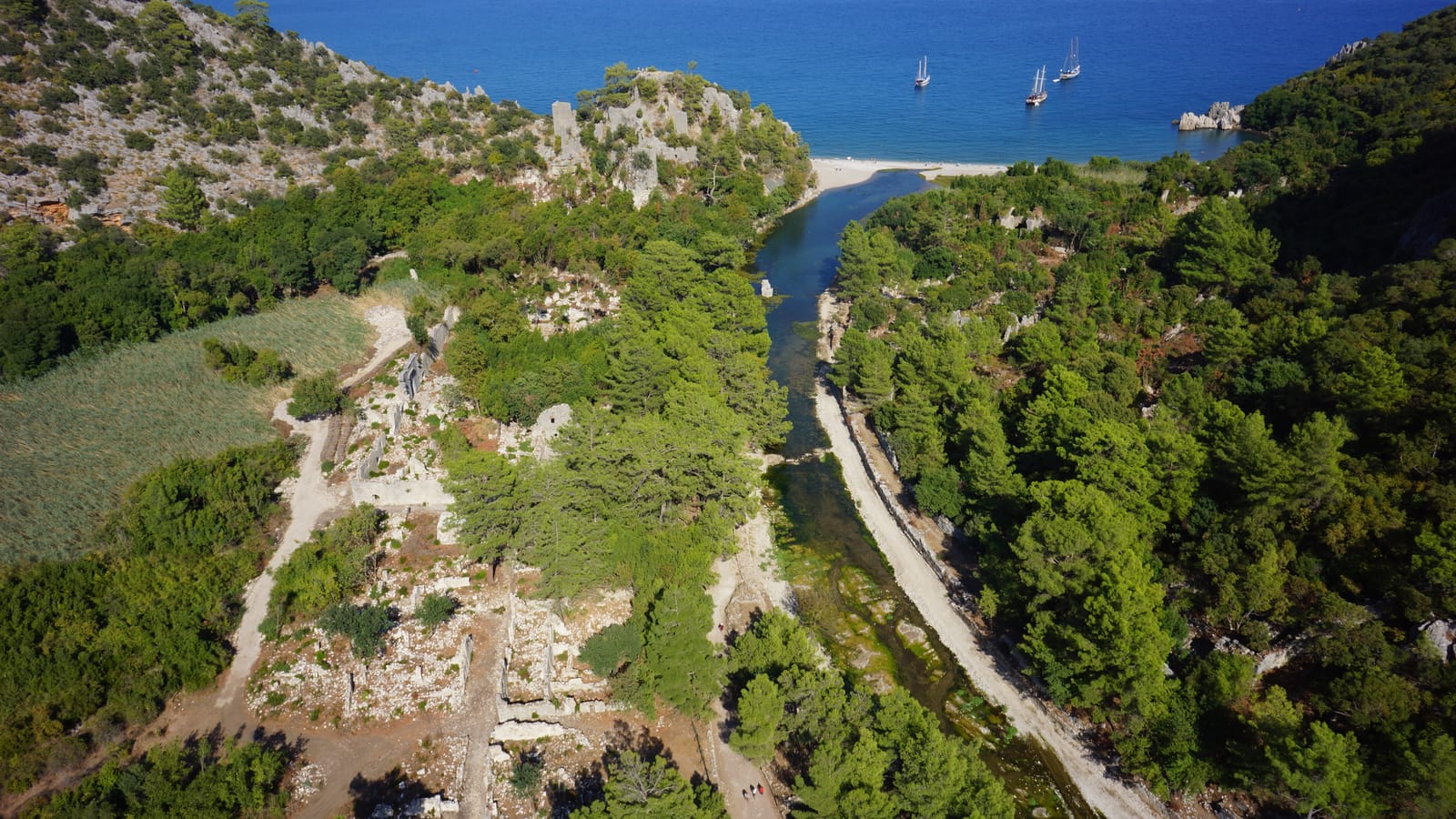
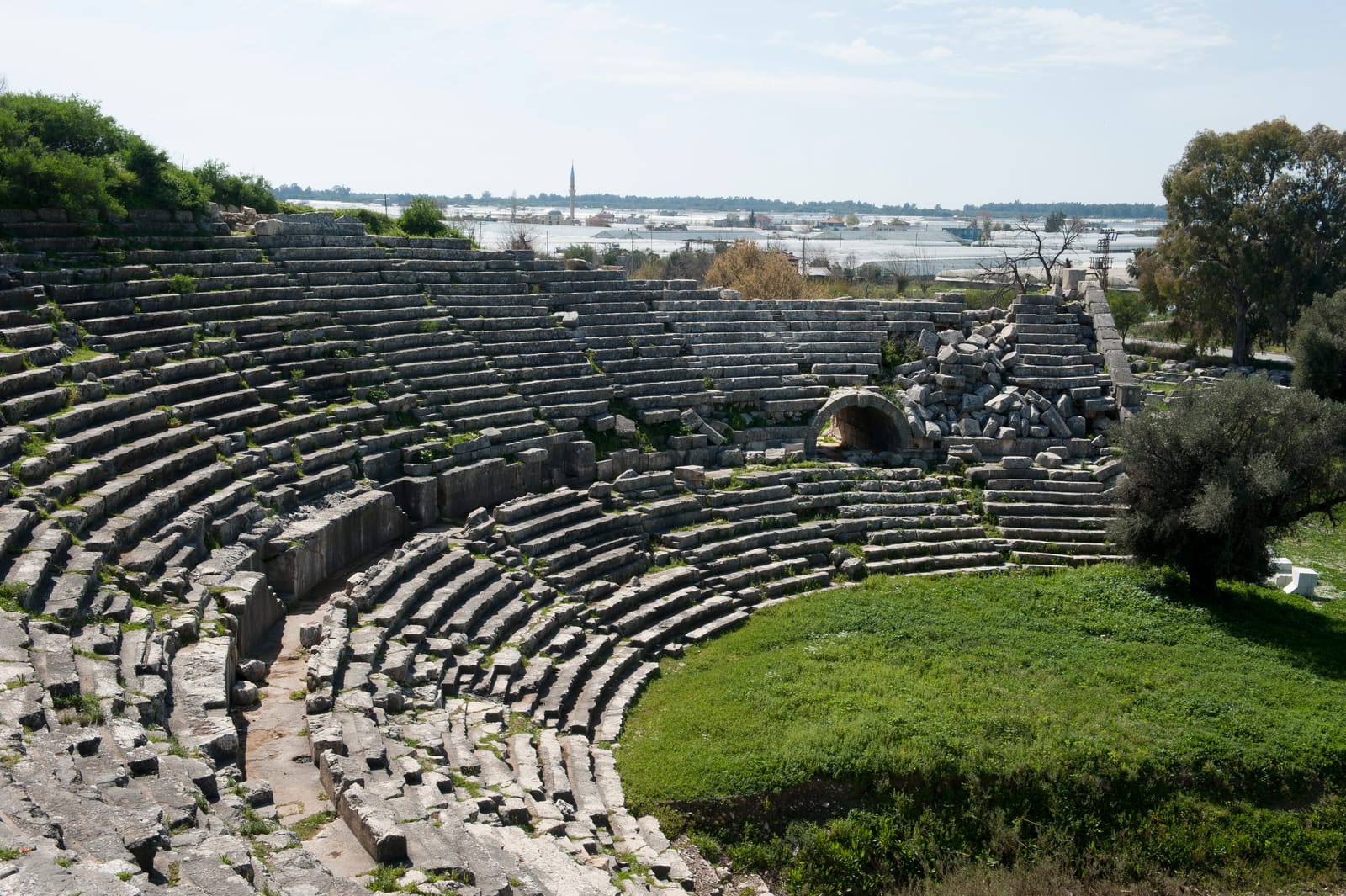
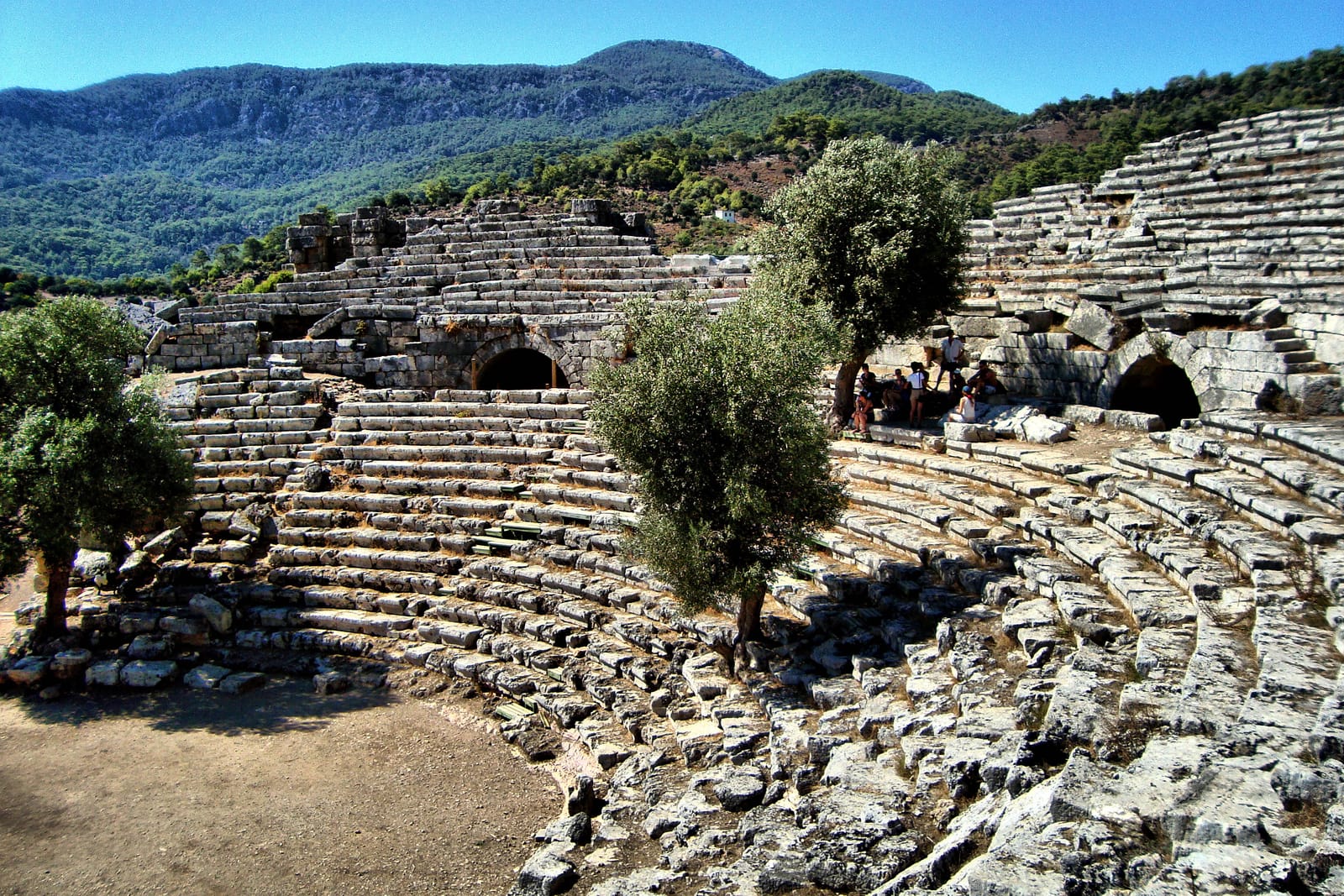
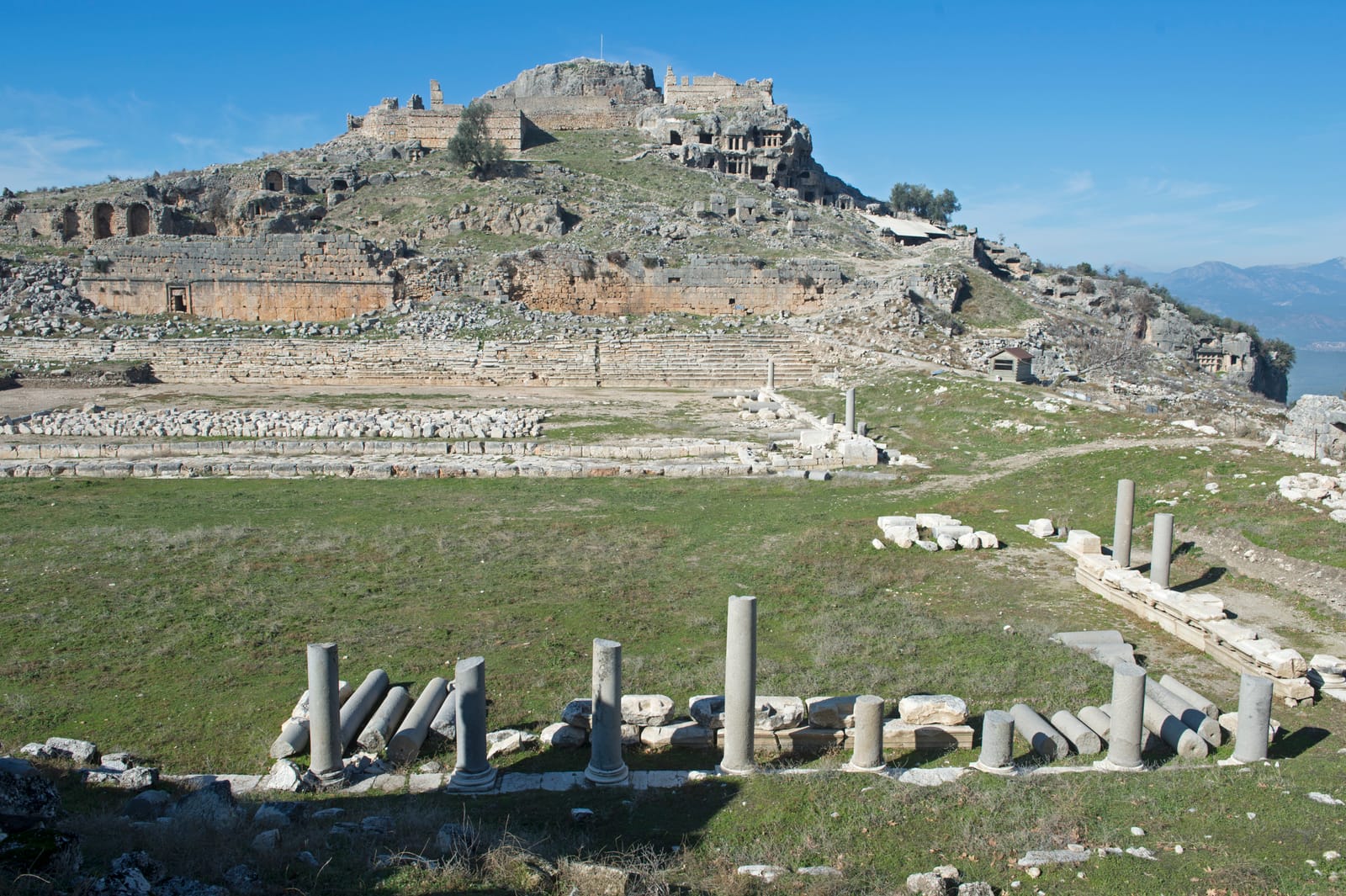
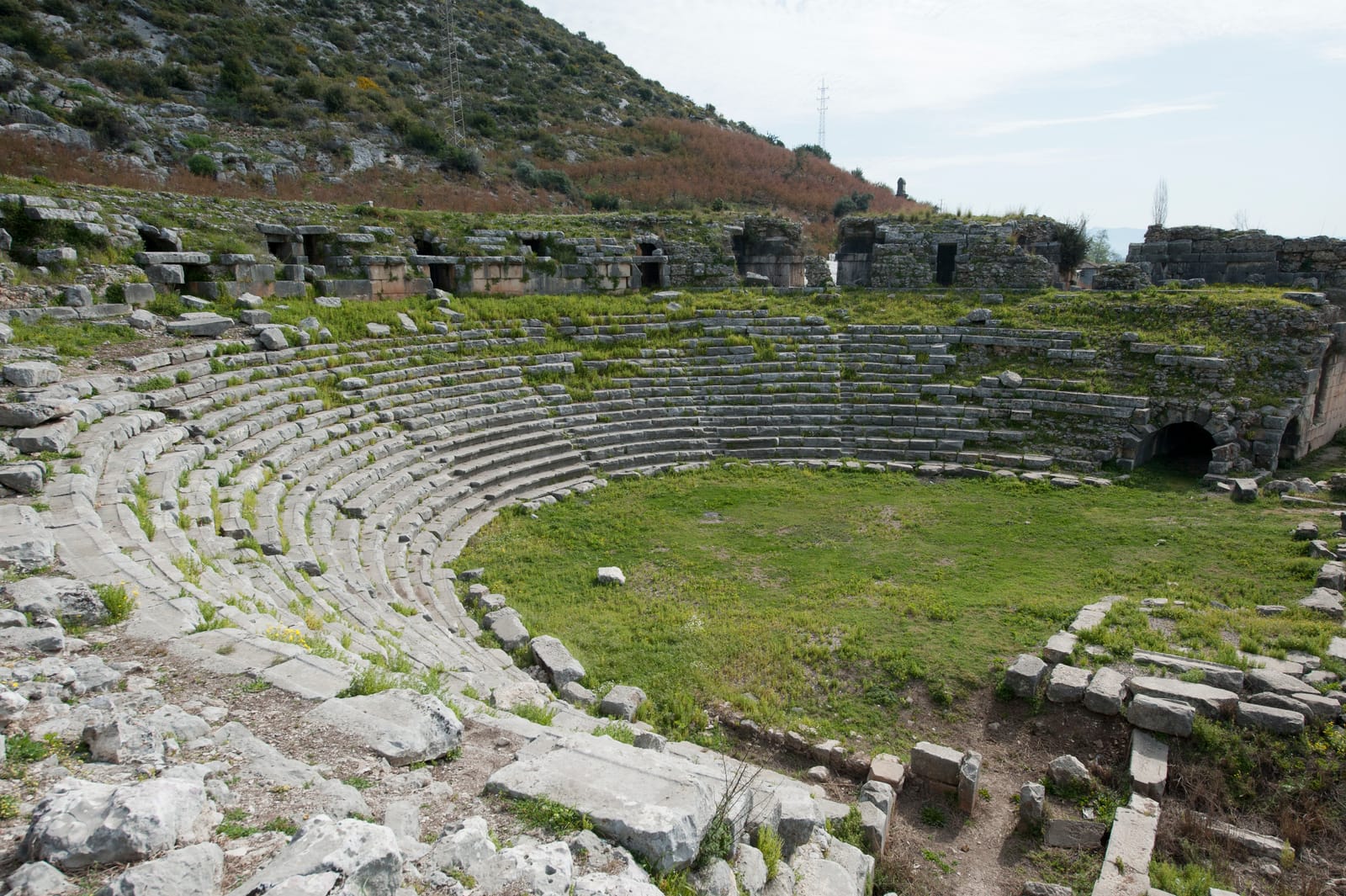
Xanthos, situated on a rocky acropolis overlooking the fertile Xanthos River valley in modern-day Antalya province, presents a dramatic physical setting that underscores its historical significance. As the political and religious capital of ancient Lycia, the city commanded a strategic position linking the Anatolian interior to the Mediterranean coast. Its remains, spread across two hills, reveal a complex urban layout featuring an impressive circuit of walls, an agora, a Roman-era theater, and several Byzantine churches. The site's most distinctive feature, however, is its extraordinary collection of monumental funerary architecture, which fuses Anatolian, Greek, and Persian influences into a unique Lycian expression.
The historical significance of Xanthos is profound, both for its role as a resilient Lycian stronghold and for the poignant episodes of self-destruction recorded by ancient historians. According to accounts by Herodotus and Appian, the Xanthians chose mass suicide—first during a Persian siege in the mid-6th century BCE and again in 42 BCE against Roman forces under Brutus—rather than submit to foreign conquest. These acts cemented Xanthos's legendary reputation for fierce independence. The city later flourished under Roman and Byzantine rule before its eventual abandonment.
"The Xanthians, besieged by the Persians, gathered their wives, children, and possessions into the acropolis and set it all ablaze, then sallied forth to die fighting."
— Herodotus, c. 440 BCE
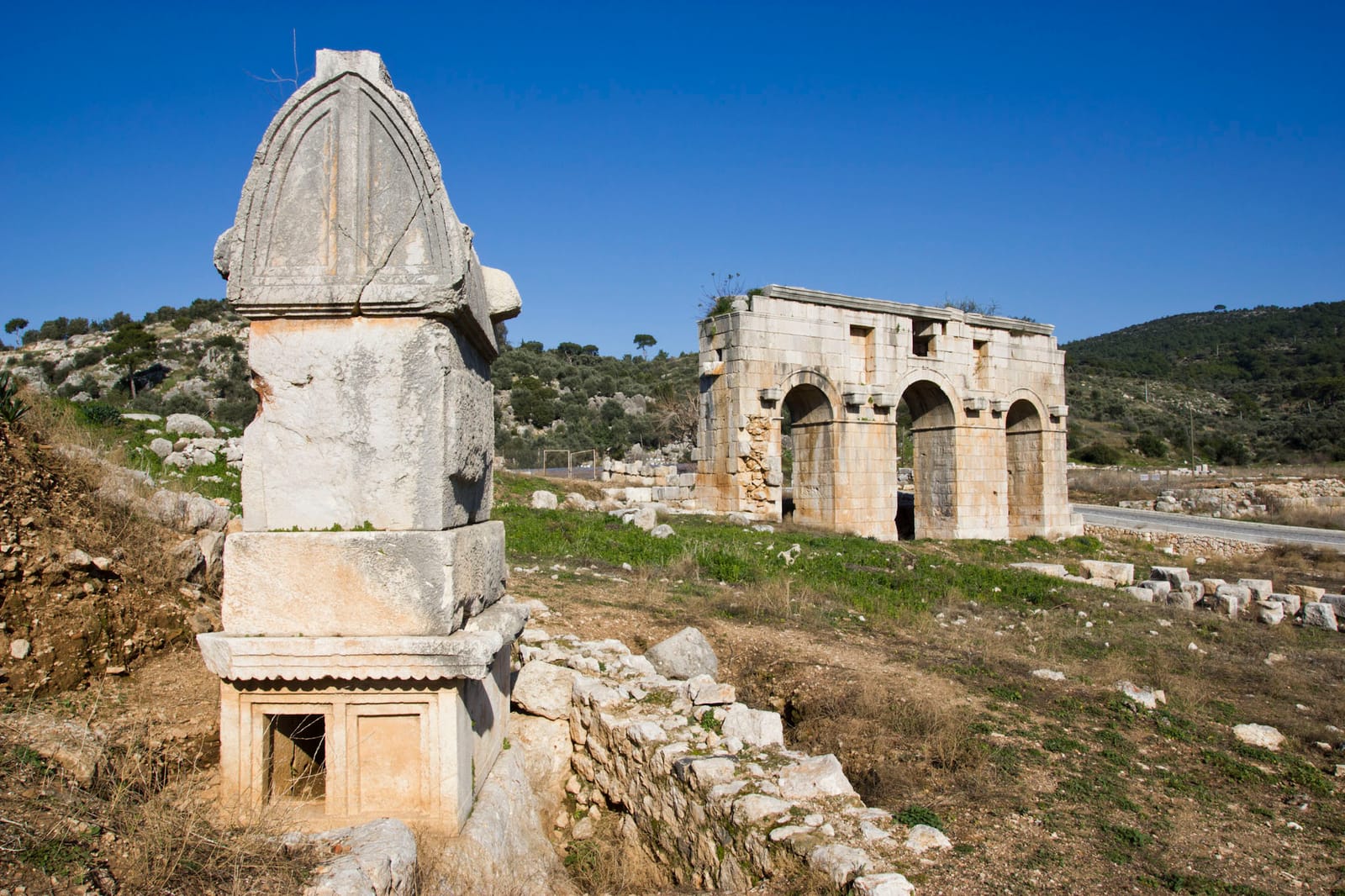
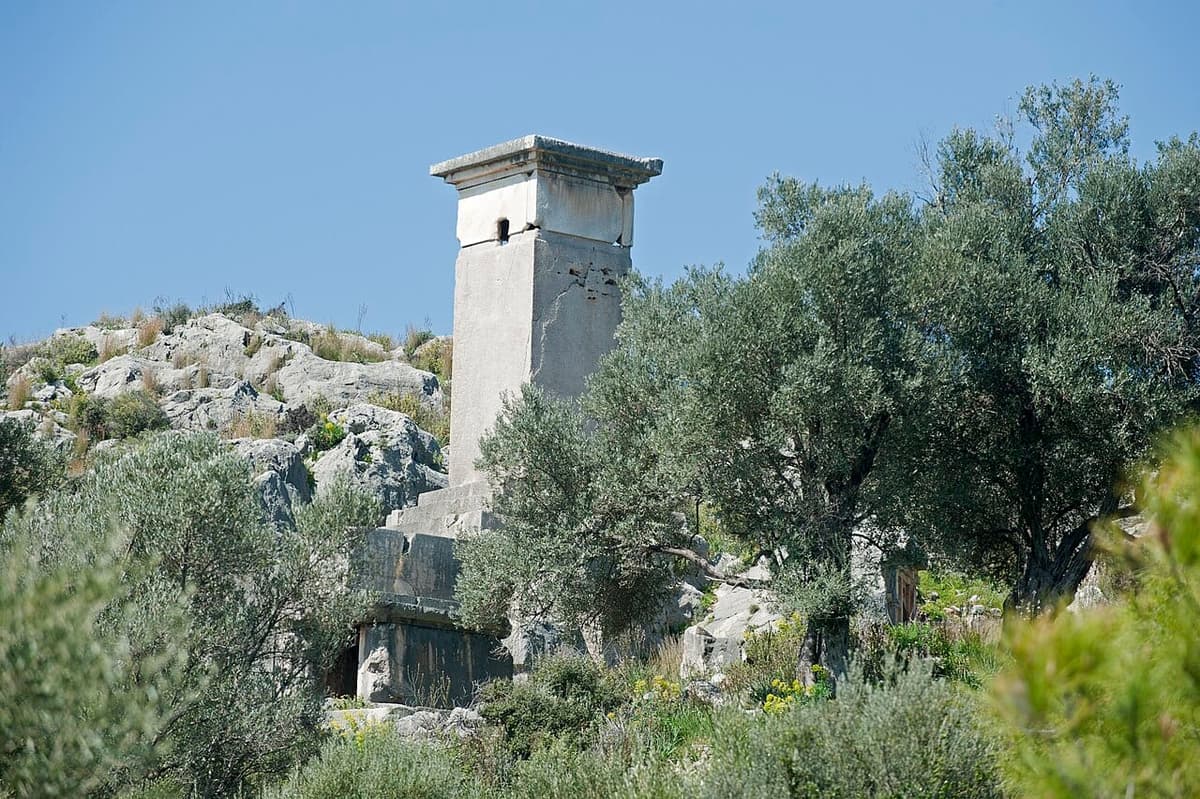
Key structures that define the site include the iconic pillar tombs, where Lycian nobles were interred atop tall, carved monoliths, most notably the Harpy Tomb and the Inscribed Pillar. The latter bears a crucial trilingual inscription in Lycian, Greek, and Aramaic that proved instrumental in deciphering the Lycian language. Although the famed Nereid Monument, a lavish temple-tomb resembling an Ionic Greek temple adorned with statues of Nereids, was removed in the 19th century and now resides in the British Museum, its base remains in situ. Other significant remains include the richly decorated Roman-era theater, the extensive agora, and the later Byzantine basilica.
Culturally, Xanthos stands as the primary testament to the Lycian civilization, a people who maintained a distinct identity, language, and political federation while absorbing and adapting external influences. The artistic and architectural syncretism visible at the site—blending Persian motifs, Greek architectural orders, and local traditions—epitomizes the complex cultural interactions of ancient Anatolia. The extensive epigraphic record found here provides invaluable insight into Lycian social structure, religion, and funerary practices, solidifying Xanthos's status as an essential source for understanding this unique Bronze Age and classical culture.

The Xanthos Obelisk, a trilingual inscribed pillar in the Lycian language with Greek inscriptions, Xanthos, Lycia, Turke | Carole Raddato from FRANKFURT, Germany (CC BY-SA 2.0)