
Atlas AnatoliaAtlas Anatolia
The vast, intricately carved geometric facade of the Midas Monument rock-cut sanctuary against a sky backdrop.

Midas City

800 BCE – 300 BCE
Iron AgeClassicalPhrygianPersianEskisehir

Primary Monument

The Midas Monument (Yazılıkaya), a 17m high rock-cut facade

Inscription

Old Phrygian inscription reading 'Midas' or 'Ates'

Dating

c. 8th–6th centuries BCE (Iron Age)

Main Deity

Matar (Mother Goddess Cybele)

Notable Feature

Extensive complex of rock-cut tombs, altars, and stepped monuments

Midas City is the foremost example of Phrygian religious architecture and urban planning, offering unparalleled insight into a kingdom that bridged the Bronze and Iron Ages in Anatolia.”

Overview

Discovery and Setting

Midas City, known locally as Yazılıkaya, is an extensive archaeological site located on the high plateau of the Phrygian Highlands, approximately 80 kilometers southeast of modern Eskişehir. The site's dramatic landscape is dominated by monumental rock-cut facades, tombs, altars, and stepped monuments carved directly into the natural volcanic tuff outcrops. Its prominent location and imposing structures suggest it served as a major religious and political center for the Phrygian Kingdom, likely functioning as a key sanctuary and necropolis rather than a densely populated urban settlement.

The Midas Monument

The site's most iconic feature is the so-called 'Midas Monument,' a vast, intricately carved rock facade standing nearly 17 meters high. This monument is adorned with geometric patterns and a large, recessed niche, above which an ancient Phrygian inscription reads 'Midas' or 'Ates.' While long associated with the legendary King Midas of Greek myth, the inscription more likely refers to a local ruler or deity. The facade's design, resembling the front of a temple or palace, represents the pinnacle of Phrygian rock-cut architecture and symbolic artistry.

"The great rock-cut facade at Yazılıkaya stands as the most impressive monument of Phrygian civilization."
— Rodney S. Young, Archaeologist (1960s)

Religious and Cultural Significance

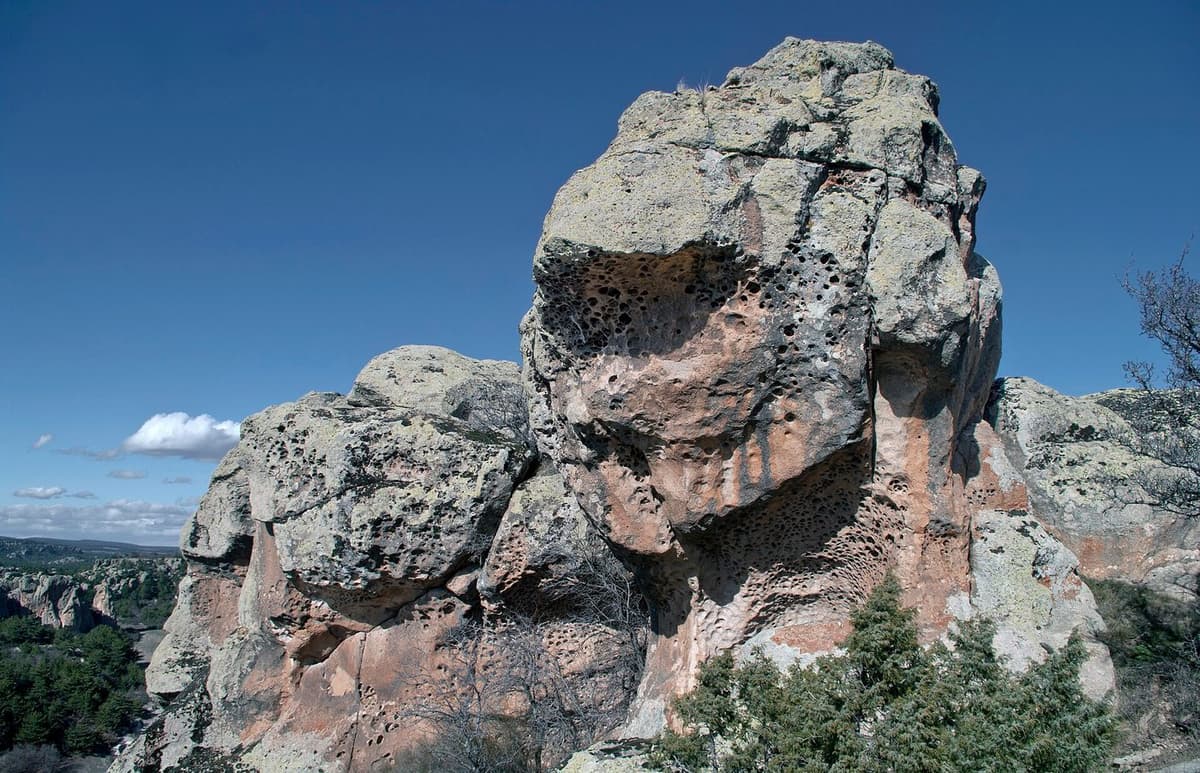
Midas City was a profound religious sanctuary, with numerous altars, cult niches, and stepped monuments dedicated to the Phrygian mother goddess, Matar (Cybele). The complex interplay of tombs, facades, and ritual spaces indicates a deep connection between the veneration of ancestors, royal authority, and the worship of the divine. The site's layout and iconography provide critical insights into Phrygian cosmology, ritual practices, and the syncretic blending of indigenous Anatolian and later Greek religious ideas.

Midas City, Yazılıkaya 05 | Zeynel Cebeci (CC BY-SA 4.0)

Architectural and Epigraphic Evidence

The rock-cut monuments display a sophisticated understanding of stone-working and spatial planning. Alongside the grand facades are numerous smaller tombs, cisterns, and defensive structures. The Phrygian inscriptions found at the site, written in an alphabet derived from Phoenician script, are among the oldest known examples of the language, offering invaluable linguistic data. This epigraphic corpus helps scholars trace the development of the Phrygian language and its connections to other Indo-European tongues.

Midas City, Yazılıkaya 03 | Zeynel Cebeci (CC BY-SA 4.0)

Historical Context and Legacy

The city flourished from the 8th to the 6th centuries BCE, during the peak of Phrygian power in central Anatolia. It likely declined following the Cimmerian invasions and the subsequent rise of the Lydian and later Persian empires. Despite this, the site remained a place of memory and occasional use. Its rediscovery by modern archaeologists in the 19th century sparked fascination with Phrygian culture, bridging the gap between Hittite and classical Greek civilizations in Anatolian history.

Why It Matters

Midas City is the foremost example of Phrygian religious architecture and urban planning, offering unparalleled insight into a kingdom that bridged the Bronze and Iron Ages in Anatolia. Its monuments and inscriptions are fundamental for understanding Phrygian language, art, and the cult of the mother goddess Cybele, whose worship spread across the ancient Mediterranean.

Stay curious

New stories and sites, once a month. No spam.

Evidence & Interpretation

Distinguishing what is well-established from what remains debated.

Well-Established Facts

2
  • The site was a major Phrygian religious and ceremonial center, as confirmed by monumental altars and dedications to the goddess Matar.
  • The Phrygian alphabet inscriptions at the site are authentic and date to the 8th-6th centuries BCE.

Scholarly Inferences

2
  • The 'Midas Monument' facade likely represented a symbolic palace or temple front for ritual purposes, not an actual building.
  • The complex may have served as a royal necropolis for Phrygian elites, given the concentration of ornate rock-cut tomb facades.

Debated Interpretations

1
  • The exact relationship between the site's name 'Midas' and the legendary King Midas of Greek myth remains a subject of scholarly discussion.

Discovery & Excavation

1936–1939

Initial Systematic Excavations

Led by Albert Gabriel and French Archaeological Institute

First major archaeological campaign led by the French Archaeological Institute, focusing on clearing and documenting the main monuments.

1970–1974

Survey and Epigraphic Studies

Led by Turkish Historical Society and Ankara University

Detailed survey of the site's topography and comprehensive study of the Phrygian inscriptions by a Turkish-led team.

2015

Midas City Survey Project

Led by Eskişehir Archaeological Museum and Anadolu University

Ongoing non-invasive survey using GIS, photogrammetry, and geophysics to map the full extent of the complex and its hinterland.

More Photos

Museum Artifacts

Community Photos

Share your experience

Have you visited this site? Upload your photos to help others discover it.

Location

Sources

  • The Phrygian Highlands: An Archaeological GuideT. Tüfekçi Sivas & H. Sivas (2018)
  • Phrygia in Antiquity: From the Bronze Age to the Byzantine PeriodEdited by G. R. Tsetskhladze (2019)
  • Midas City (Yazılıkaya) - Turkish Archaeological NewsTurkish Archaeological News (2022)Link

Research Papers

Stay in the loop

Get notified when we add new sites or major features. We send at most 1–2 emails per year. We never sell your email.

Atlas AnatoliaAtlas Anatolia

An interactive atlas of ancient Anatolian sites. Explore civilizations, monuments, and stories across millennia.

info@atlasanatolia.com

© 2026 Atlas Anatolia. Content is provided for educational purposes.

Map data © OpenStreetMap contributors