Overview
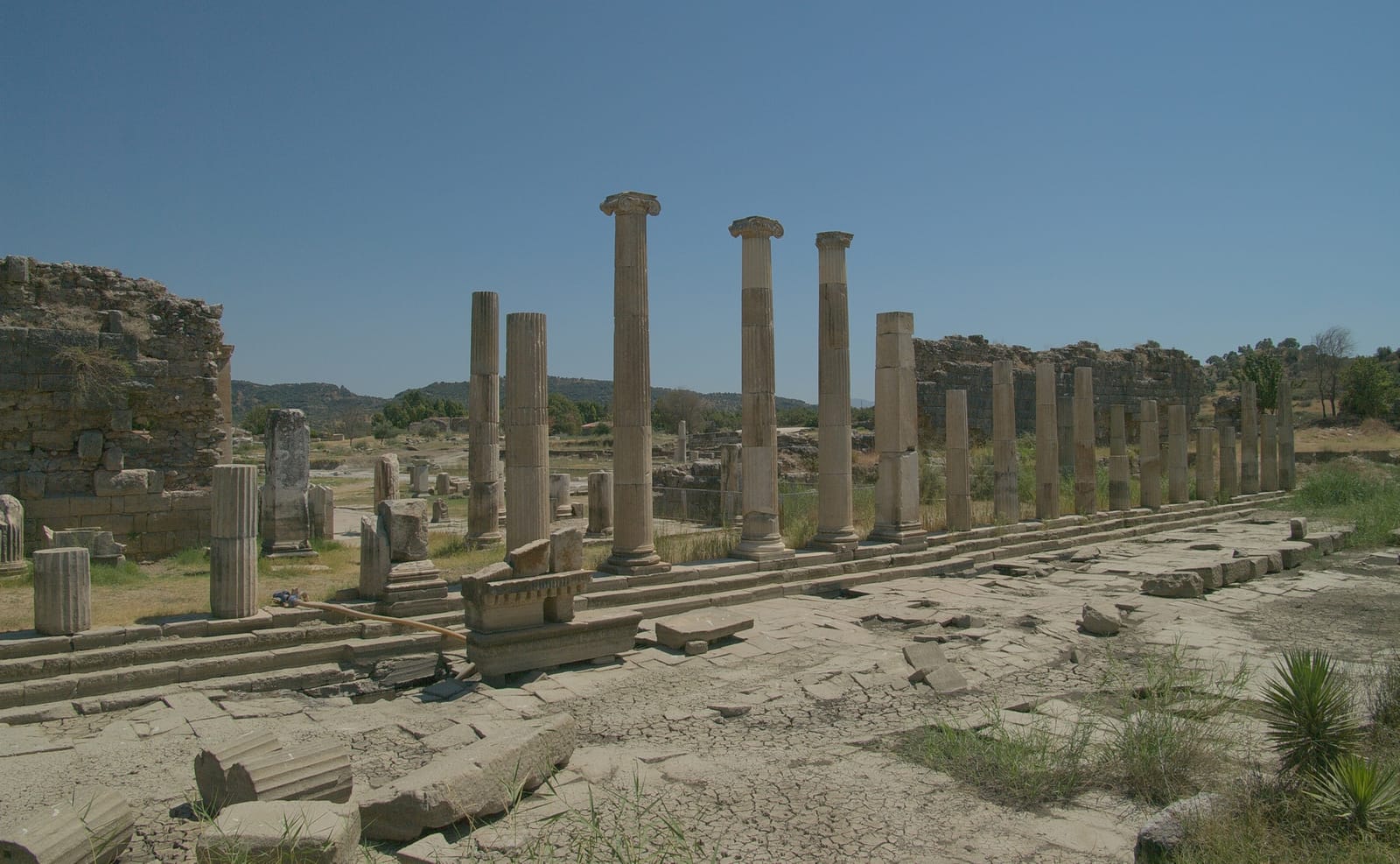
Priene is the architect's city. Re-founded in the mid-4th century BCE on a dramatic terrace overlooking the Maeander River plain, it was laid out on a strict Hippodamian grid plan that has been called the most perfectly preserved example of ancient Greek urban design. Every street, block, and public space follows the orthogonal system with mathematical precision, adapted to the steep hillside through a series of terraces.
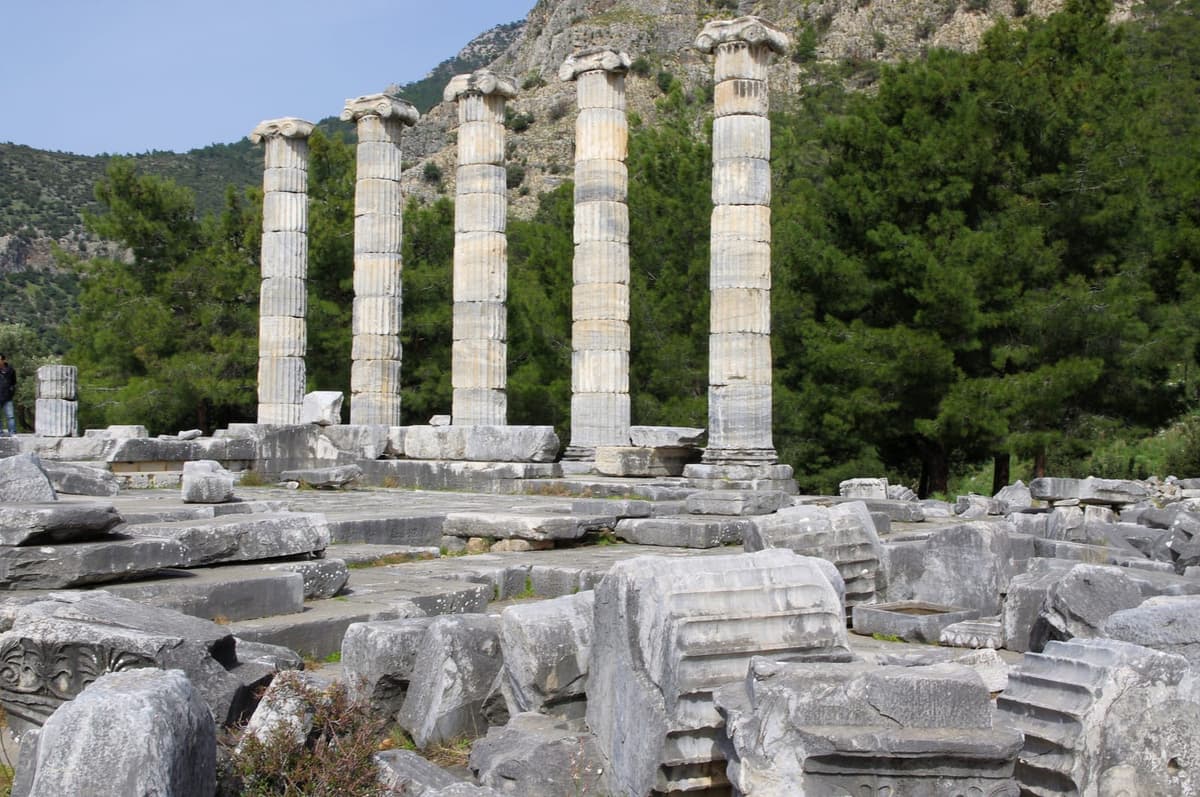
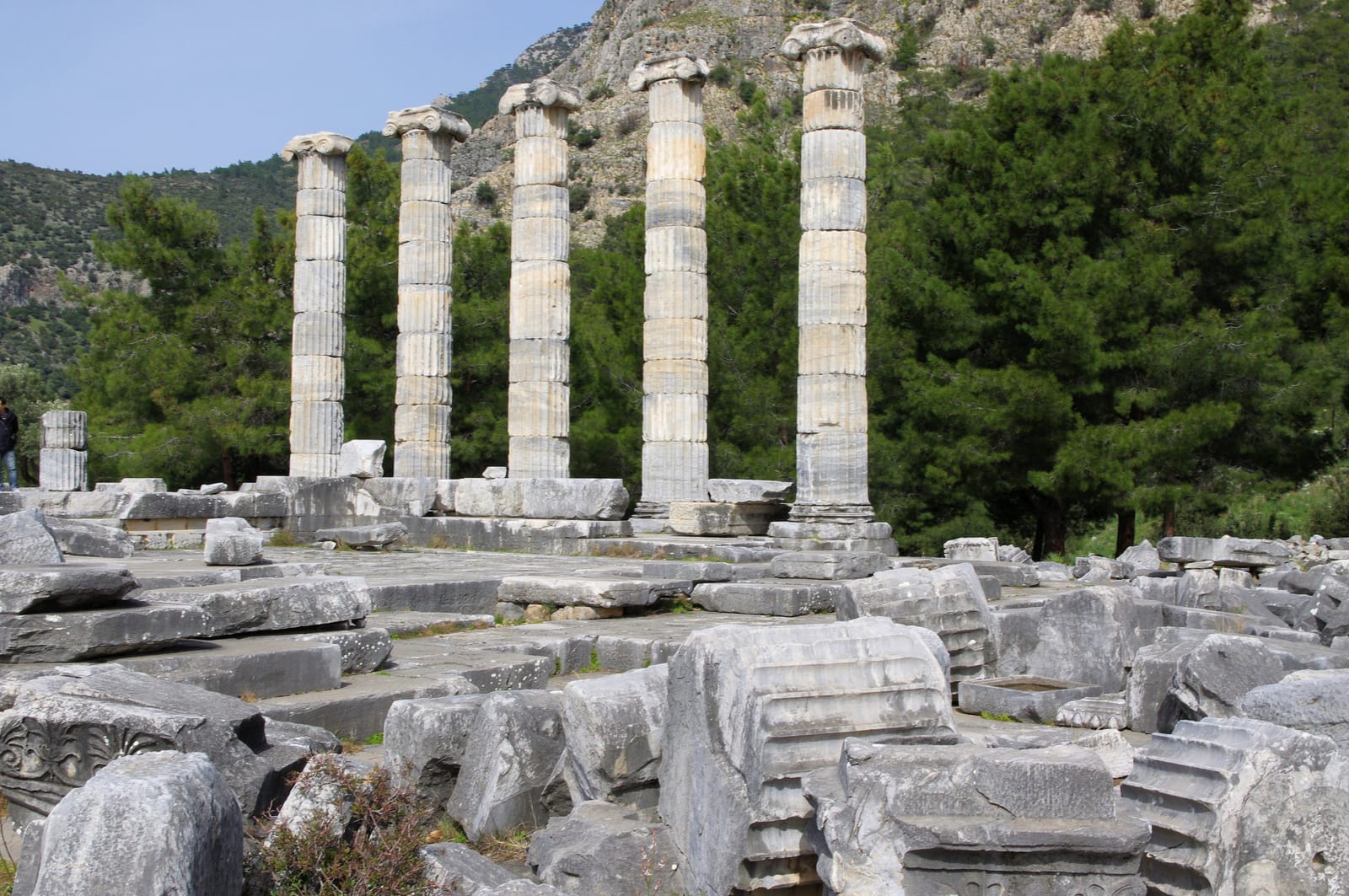
The Temple of Athena Polias, designed by the celebrated architect Pytheos (who also designed the Mausoleum at Halicarnassus, one of the Seven Wonders of the Ancient World), was considered a model of Ionic temple architecture. Alexander the Great himself dedicated the temple during his campaign through Asia Minor in 334 BCE — the dedicatory inscription survives and is now in the British Museum.
"The city is built on a steep hill, with a temple of Athena Polias, the work of Pytheos, who also built the Mausoleum."
— Strabo, c. 7 BCE
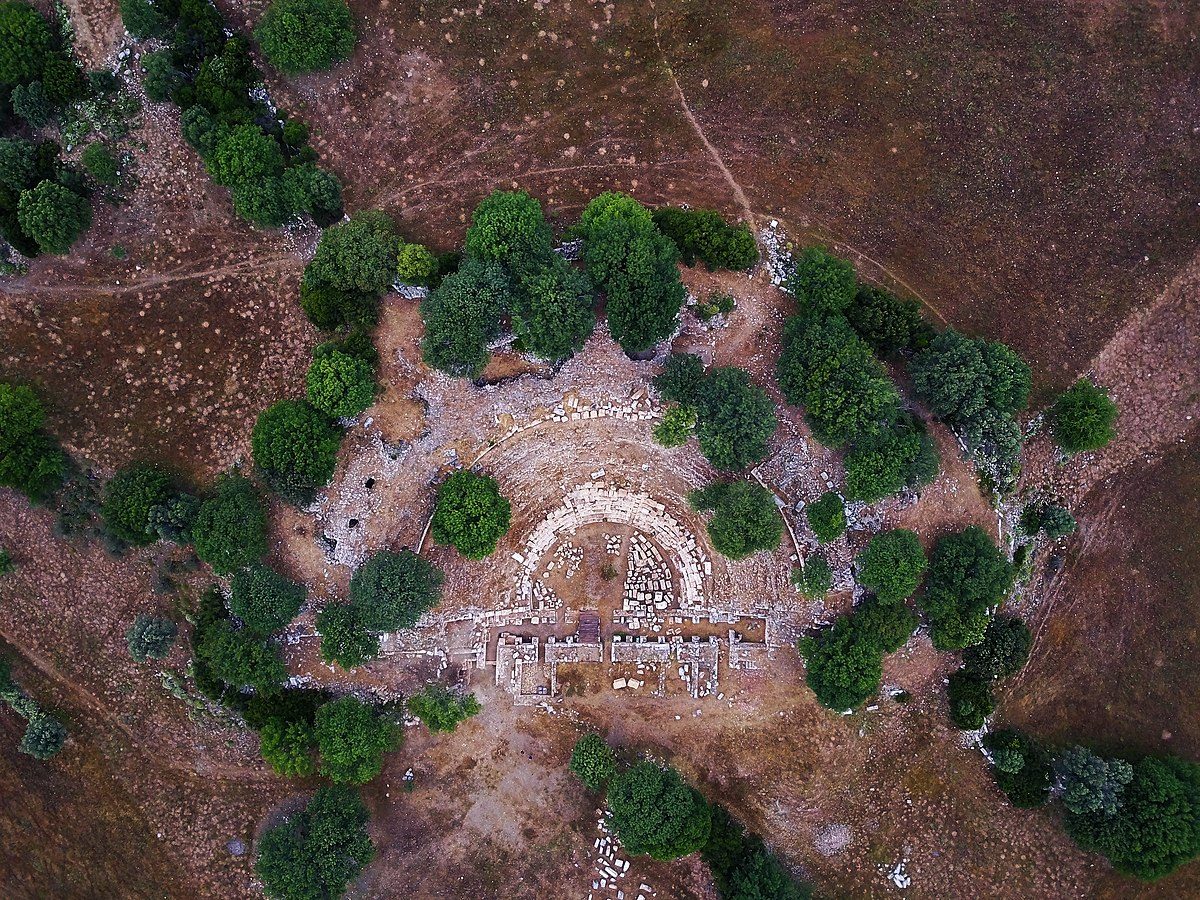
The city's bouleuterion (council chamber) is the best-preserved example of a Greek democratic assembly building, with seating for 640 citizens arranged in a semi-circle around a central altar. The agora, gymnasium, stadium, and residential quarters are all preserved in remarkable detail, offering a complete snapshot of Hellenistic civic life.
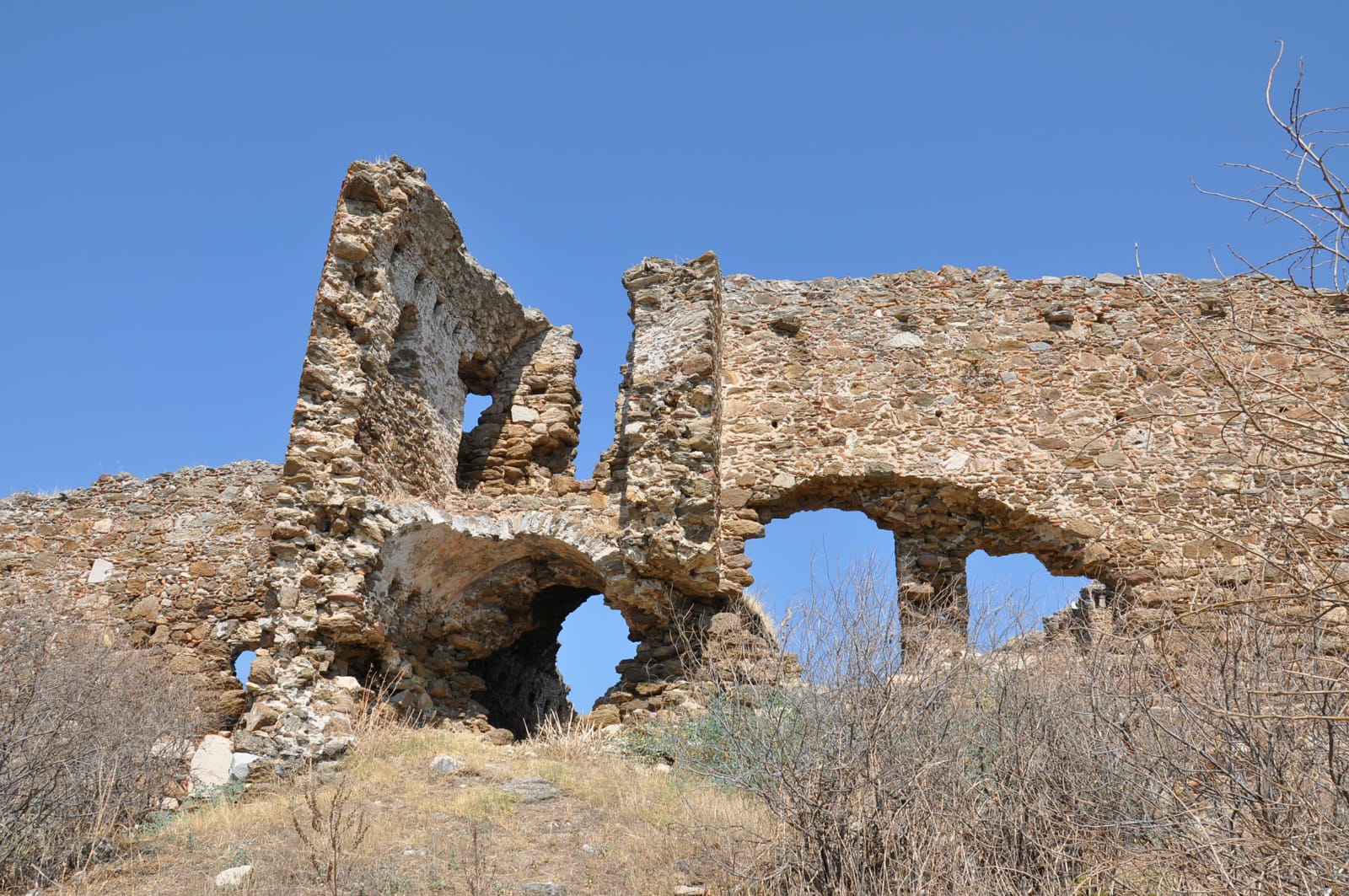
Priene was gradually abandoned as the Maeander River silted up the harbor, leaving the once-coastal city stranded kilometers from the sea. This abandonment preserved the Hellenistic plan without later Roman rebuilding, making Priene uniquely valuable for understanding pre-Roman Greek urbanism.

Marble Statue from Priene (28120553914) | Gary Todd from Xinzheng, China (CC0)
Beyond its monumental public buildings, Priene offers a clear view of daily life in a middle-class Hellenistic city. The standardized residential blocks (insulae) contained comfortable houses built around central courtyards, often with mosaic floors and painted plaster. The city's infrastructure was advanced, featuring an extensive water supply system of terracotta pipes feeding public fountains and private homes, and a well-planned drainage network.
Priene's economy was supported by its port, which connected it to the maritime trade networks of the Aegean. This is reflected in the discovery of a sanctuary dedicated to the Egyptian gods Serapis, Isis, and Anubis, attesting to direct cultural and commercial contacts with Ptolemaic Egypt. The city's gradual decline began in the Roman Imperial period, as the relentless silting of the Maeander River delta by the 2nd century CE progressively isolated its harbor, leading to economic stagnation and eventual abandonment in favor of more accessible coastal settlements.