Atlas AnatoliaAtlas Anatolia
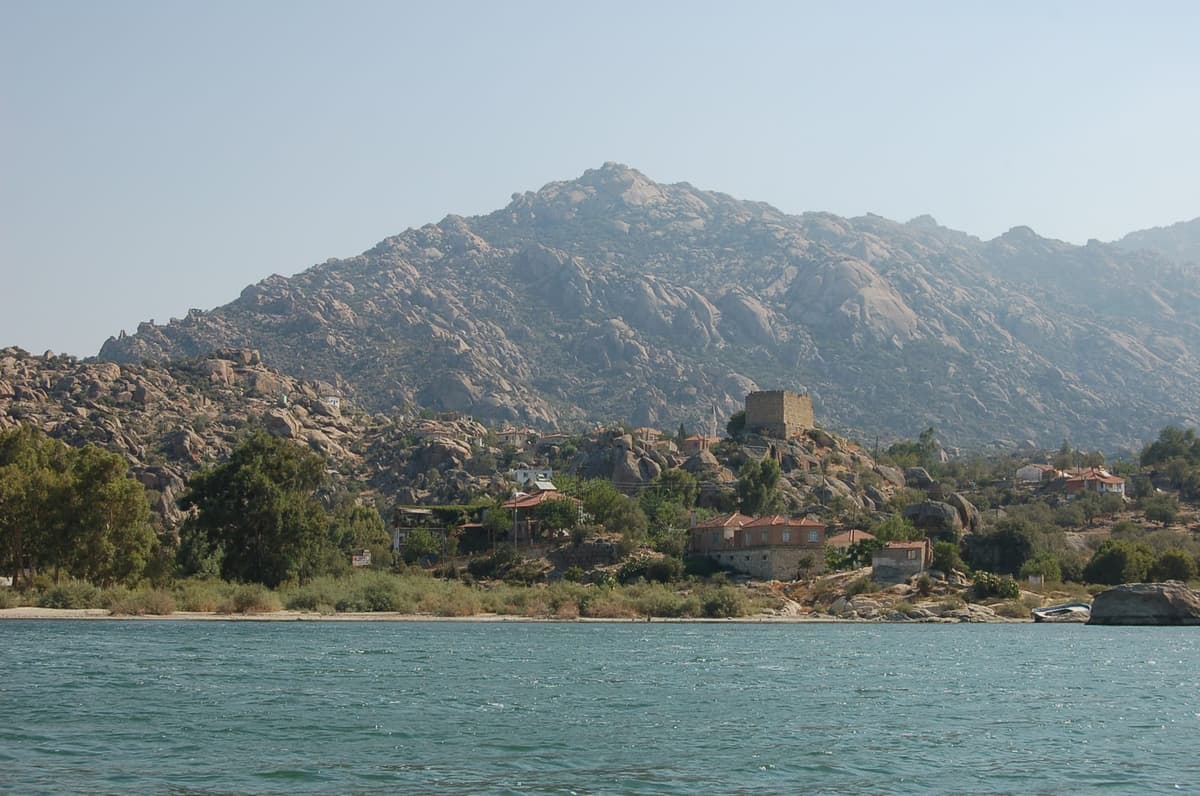
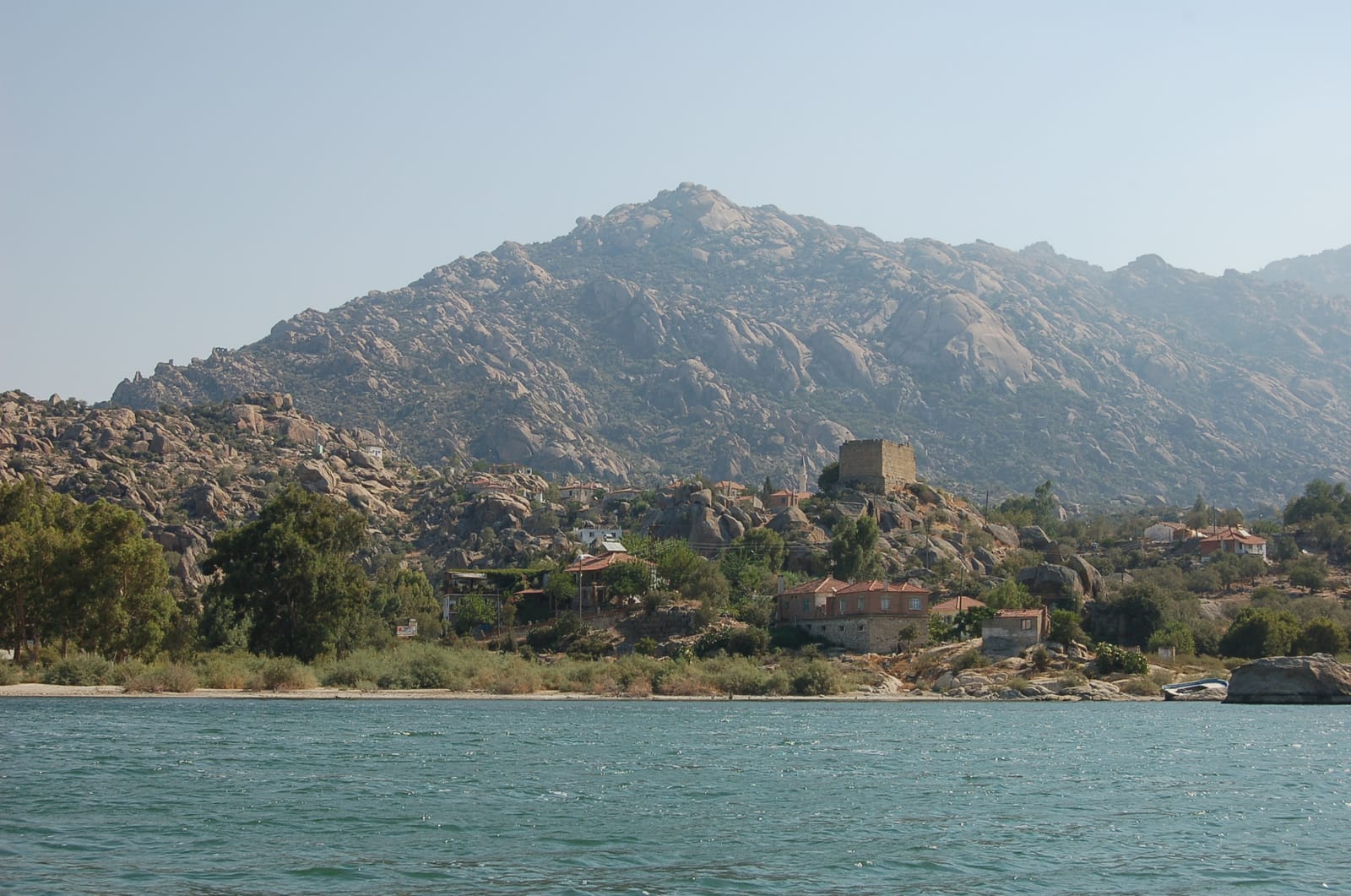
Lake Bafa and ancient Herakleia ruins

HerakleiaKapikiri

700 bce – 1300 cephoto: Wikimedia Commons (CC BY-SA)
ClassicalHellenisticRomanByzantine+1GreekRomanByzantineMugla

Mythology

Endymion and the Moon (Selene) legend

Landscape Change

Former Aegean port, now on landlocked Lake Bafa

Fortifications

Hellenistic walls with 65+ defensive towers

Byzantine Heritage

Island monasteries with frescoed chapels

Heraclea at Latmus demonstrates how dramatically the Anatolian landscape has changed over millennia.”

Wfrom_wikipedia

Heraclea at Latmus is an ancient city on Lake Bafa in western Turkey, known for the legend of Endymion, Hellenistic walls, and Byzantine island monasteries.

read_wikipedia

overview

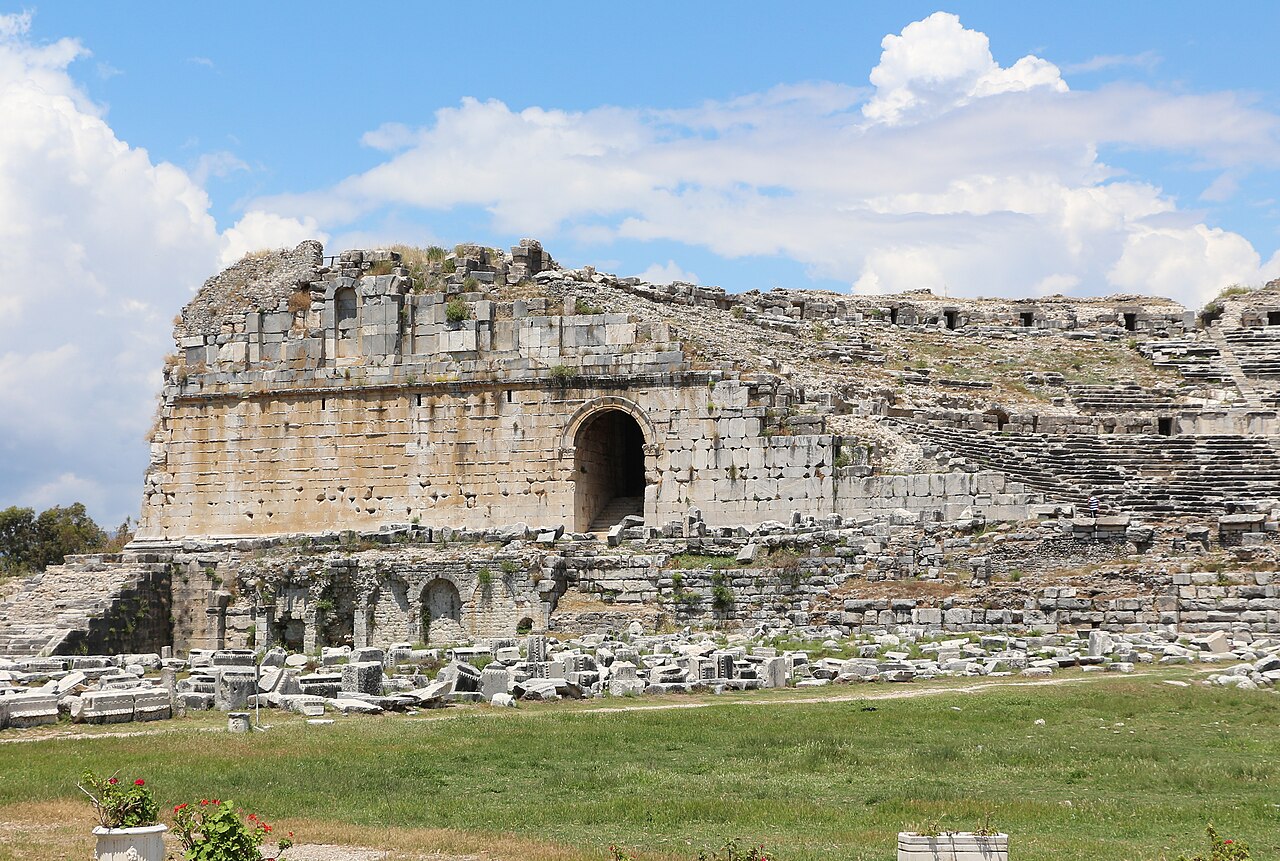
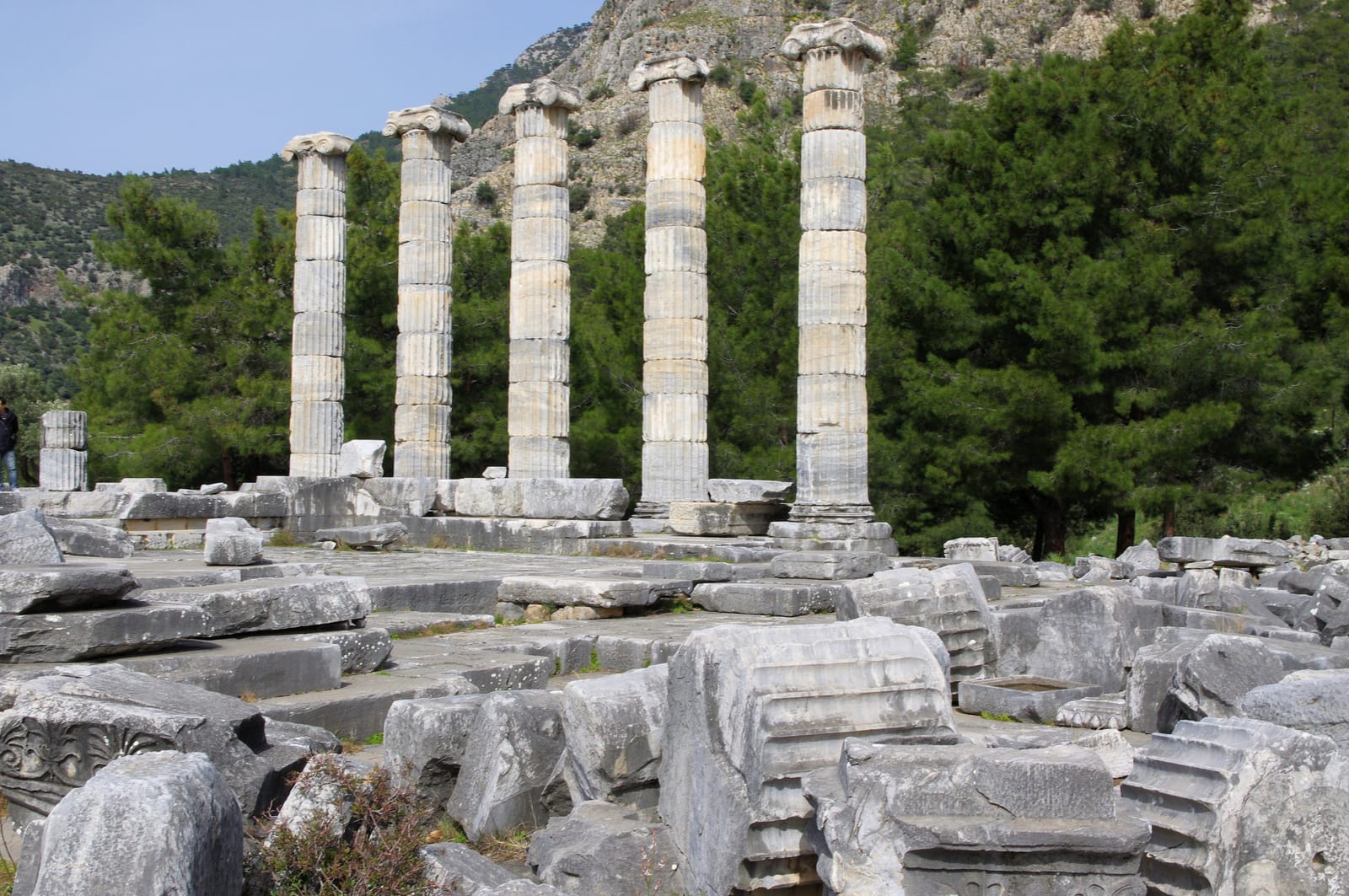
Heraclea at Latmus is one of Anatolia's most atmospherically dramatic archaeological sites, set between the granite peaks of Mount Latmos and the shores of Lake Bafa. The city — now occupied by the village of Kapikiri — preserves well-built Hellenistic fortification walls studded with defensive towers, a Temple of Athena on a rocky promontory, and sweeping views across the lake to islands dotted with Byzantine monastery ruins. In antiquity, the site lay on the coast of the Latmian Gulf, an inlet of the Aegean Sea. Over centuries, silt from the Maeander River gradually cut off the gulf from the sea, creating the landlocked Lake Bafa that exists today. This transformation from maritime port to lakeside village is one of the most vivid examples of environmental change reshaping human settlement in the ancient world. Heraclea is intimately connected to one of Greek mythology's most evocative tales: the story of Endymion, a beautiful shepherd whom the moon goddess Selene fell in love with and placed in eternal sleep on Mount Latmos. A sacred cave on the mountainside was identified in antiquity as Endymion's resting place, and the story gave the region an aura of mystical enchantment. The Byzantine period left remarkable traces: small monasteries and hermit caves are scattered across the islands and rocky shores of the lake. These medieval monastic communities, accessible only by boat, produced frescoed chapels and rock-cut cells that constitute a hidden treasure of Byzantine sacred art.

why_it_matters

Heraclea at Latmus demonstrates how dramatically the Anatolian landscape has changed over millennia. The transformation of an Aegean port into a freshwater lakeside site — caused by the progressive silting of the Maeander River — is one of the most striking examples of geoarchaeological change in the Mediterranean. The Byzantine monastic settlements on the lake's islands represent a largely unstudied chapter of medieval religious life. The combination of ancient mythology (Endymion), Greek urban planning, and Byzantine sacred art makes Heraclea a uniquely layered site that spans from legend to documented history.

evidence

evidence_desc

confirmed

3
  • Hellenistic fortification walls with over 65 towers encircle the city, representing one of the most complete defensive circuits in western Anatolia.
  • Geological evidence confirms that Lake Bafa was once an arm of the Aegean Sea (Latmian Gulf), progressively enclosed by Maeander River silt deposits.
  • Byzantine frescoes in island monasteries on Lake Bafa date from the 7th to 13th centuries CE based on stylistic analysis.

inferred

1
  • The sacred cave of Endymion on Mount Latmos was likely a pre-Greek cult site whose mythology was later absorbed into the Greek mythological tradition.

debated

1
  • Whether the prehistoric rock paintings discovered in the Latmos Mountains are related to the settlement at Heraclea or represent an independent cultural tradition remains debated.

excavation

1900

First systematic survey

led_by Theodor Wiegand

Theodor Wiegand surveyed the fortification walls and the Temple of Athena during his regional explorations.

1990–2000

Fortification wall study

led_by Anneliese Peschlow-Bindokat

Anneliese Peschlow-Bindokat studied the Hellenistic walls, Byzantine monasteries, and prehistoric rock paintings in the Latmos range.

2005

Lake survey

Underwater and island surveys documented the Byzantine monastic remains and the changing lake-level history.

Community Photos

Share your experience

Have you visited this site? Upload your photos to help others discover it.

location

related_sites

sources

  • Der Latmos: Eine unbekannte Gebirgslandschaft an der turkischen WestkusteAnneliese Peschlow-Bindokat (2006)
  • Herakleia am Latmos and the Latmian GulfWolfgang Held (2009)
  • Wikipedia — Heraclea at Latmuslink

papers