Overview
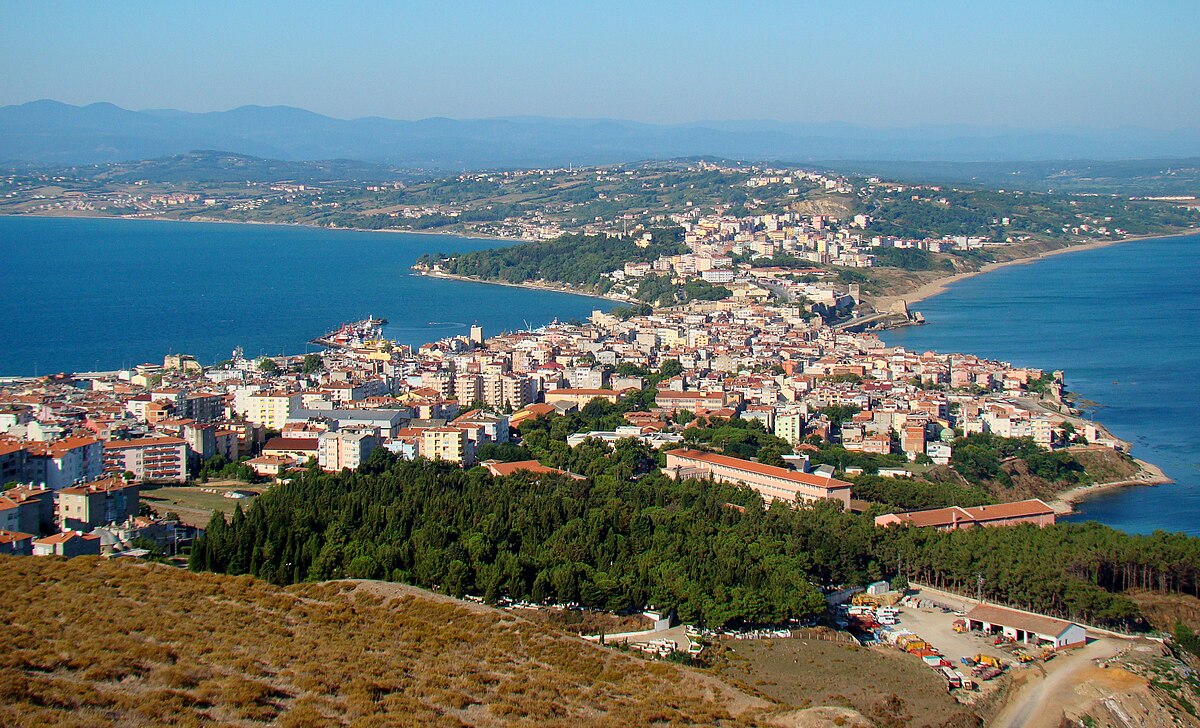
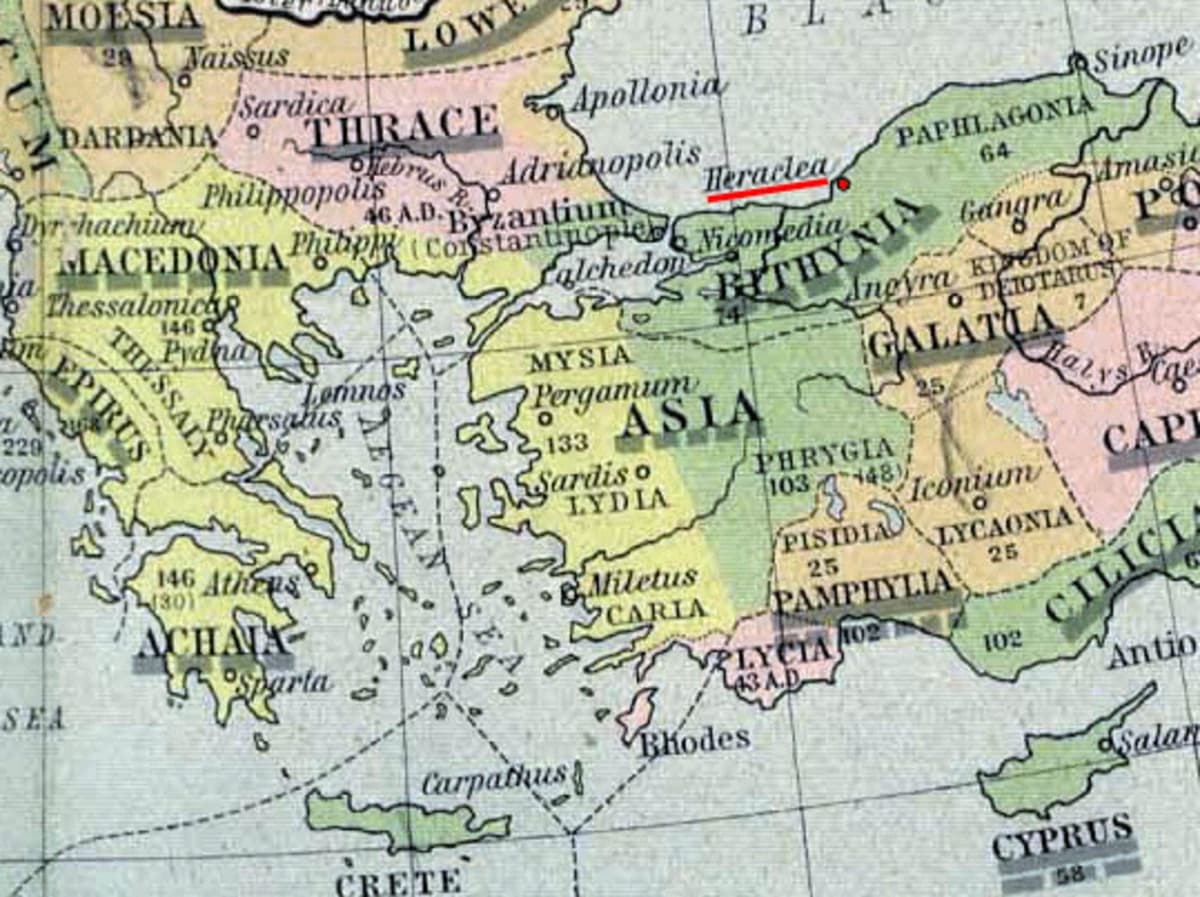
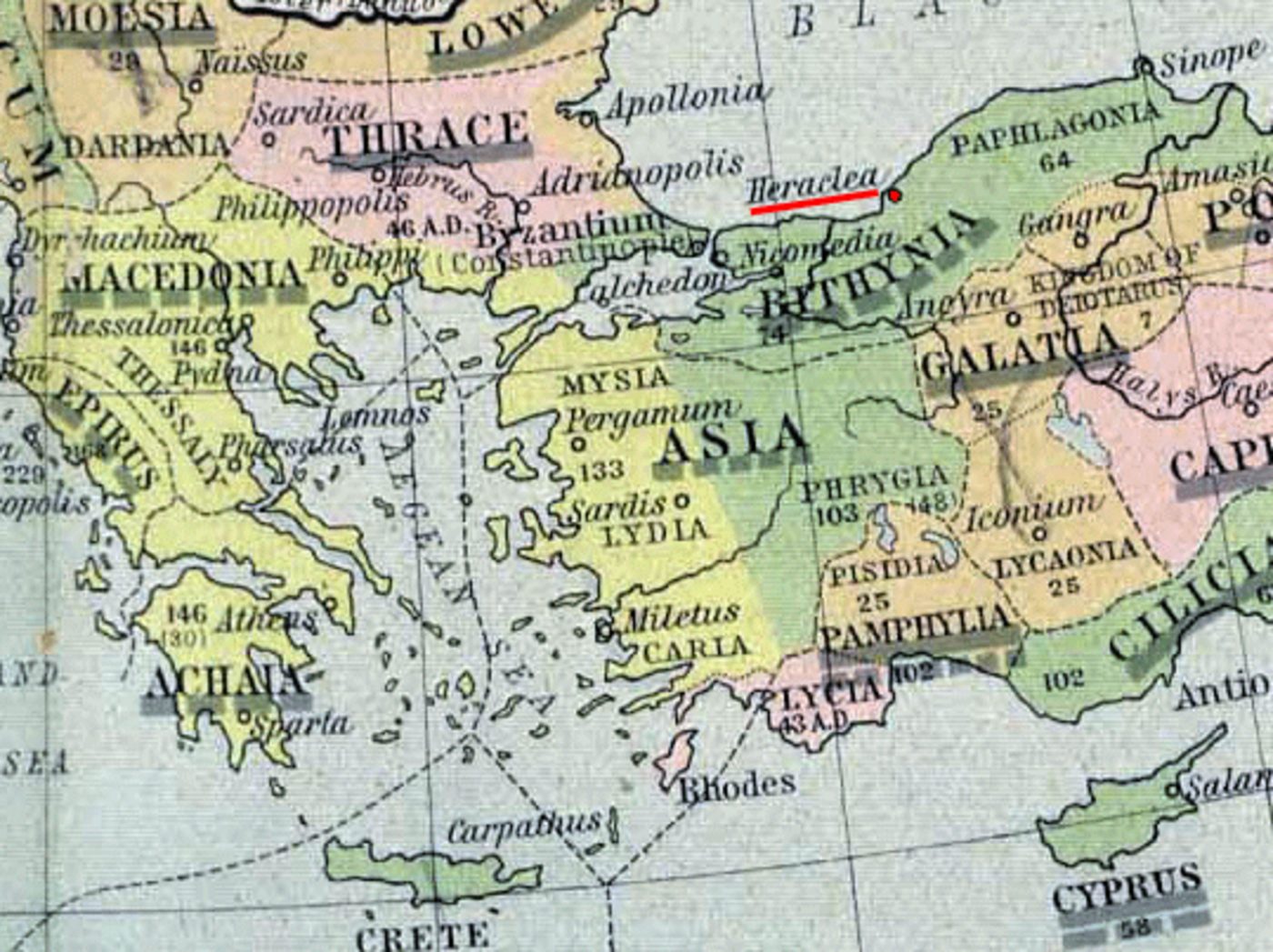
Heraclea Pontica, modern Karadeniz Eregli in Zonguldak province, was one of the most important Greek colonies on the southern Black Sea coast. Founded around 560 BCE by colonists from Megara and Boeotia, the city was named after Heracles, whose legendary Twelfth Labor — the capture of Cerberus from the Underworld — was believed to have taken place in the nearby caves of Cehennemagzi (literally "mouth of hell" in Turkish), identified in antiquity as the entrance to Hades itself.
The city rapidly grew into a major maritime power, establishing its own colonies along the Black Sea including Callatis and Chersonesus. Heraclea's wealth derived from its control of rich agricultural hinterlands, timber resources, and strategic position along the east-west Black Sea trade routes. The city was renowned for producing a distinctive poisonous honey, mentioned by Xenophon in the Anabasis, created by bees feeding on rhododendron nectar in the surrounding mountains.
"Heraclea is a city of Pontus, a colony of the Megarians, situated on the coast."
— Strabo, c. 7 BCE - 23 CE
During the 4th century BCE, Heraclea came under the rule of a remarkable dynasty of tyrants beginning with Clearchus, a student of both Plato and Isocrates, who seized power around 364 BCE. His successors maintained an independent state that navigated between the great Hellenistic kingdoms with considerable diplomatic skill. The city minted impressive coinage featuring Heracles and maintained cultural institutions that attracted philosophers and artists.
Under Roman rule, Heraclea retained its importance as a port city and administrative center. The Romans recognized the Cave of Hades as a site of religious significance, and the oracle associated with it continued to function. The city's harbor served as a crucial waystation for grain shipments and military fleets operating along the Black Sea coast, and it remained an important Byzantine bishopric into the medieval period.

Karadeniz Ereğli sahil görünümü | Tom Evuntia (CC BY-SA 4.0)