Overview
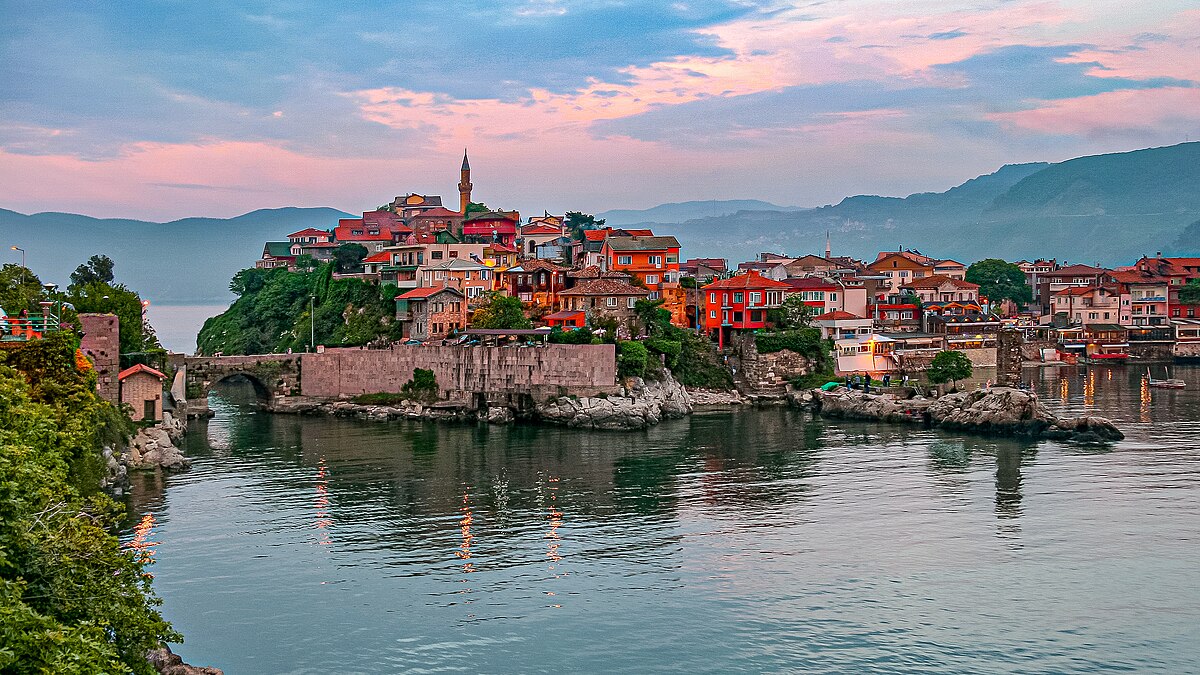
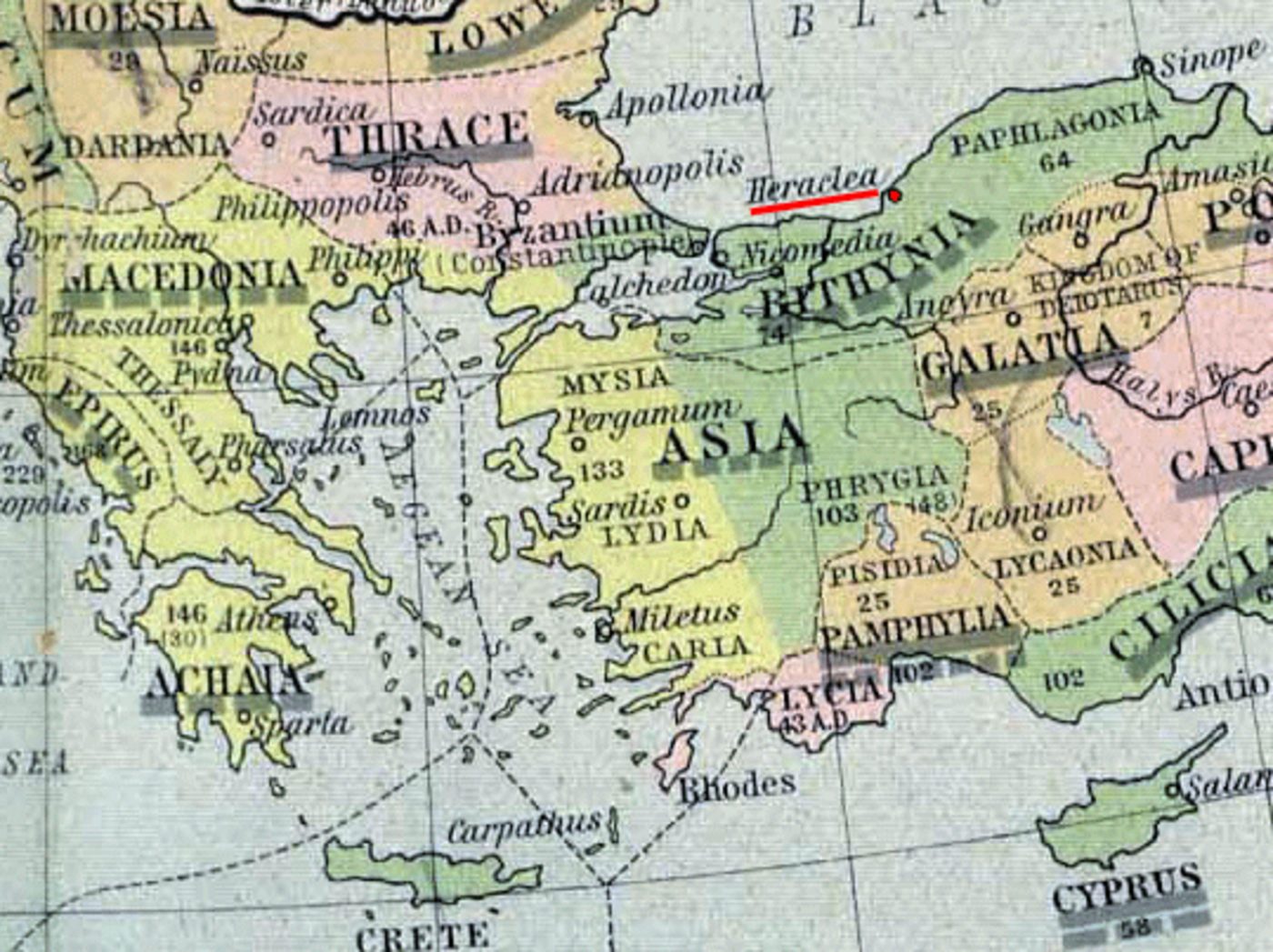
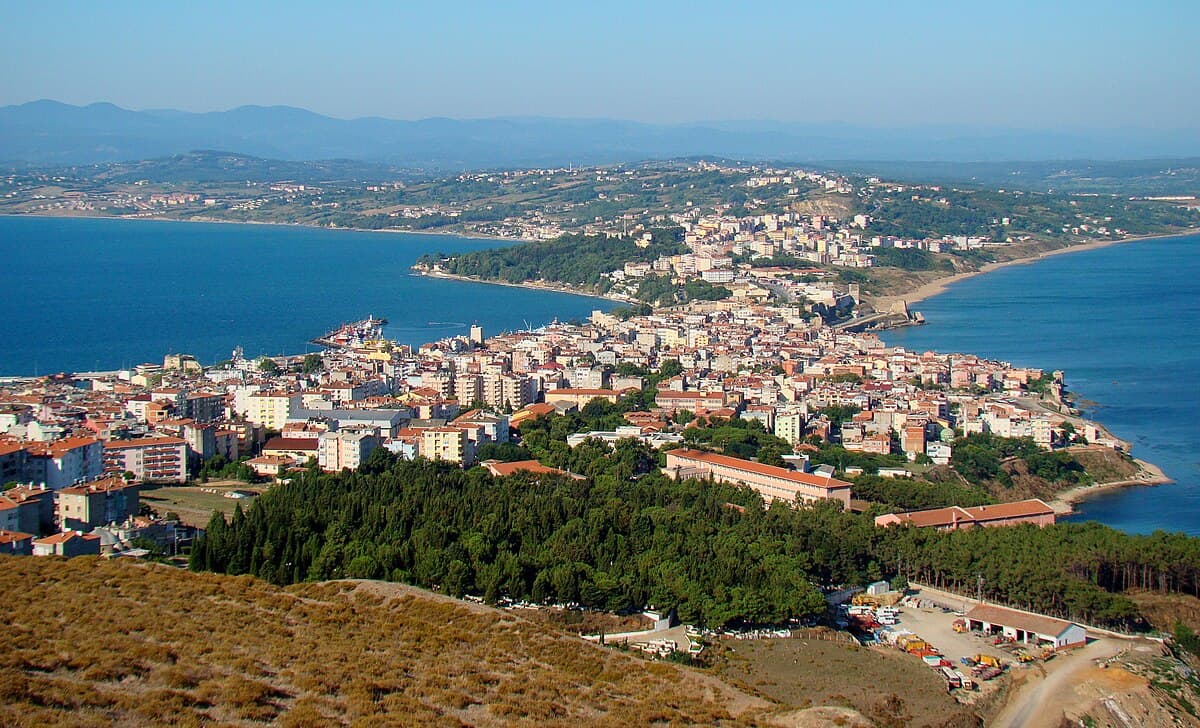
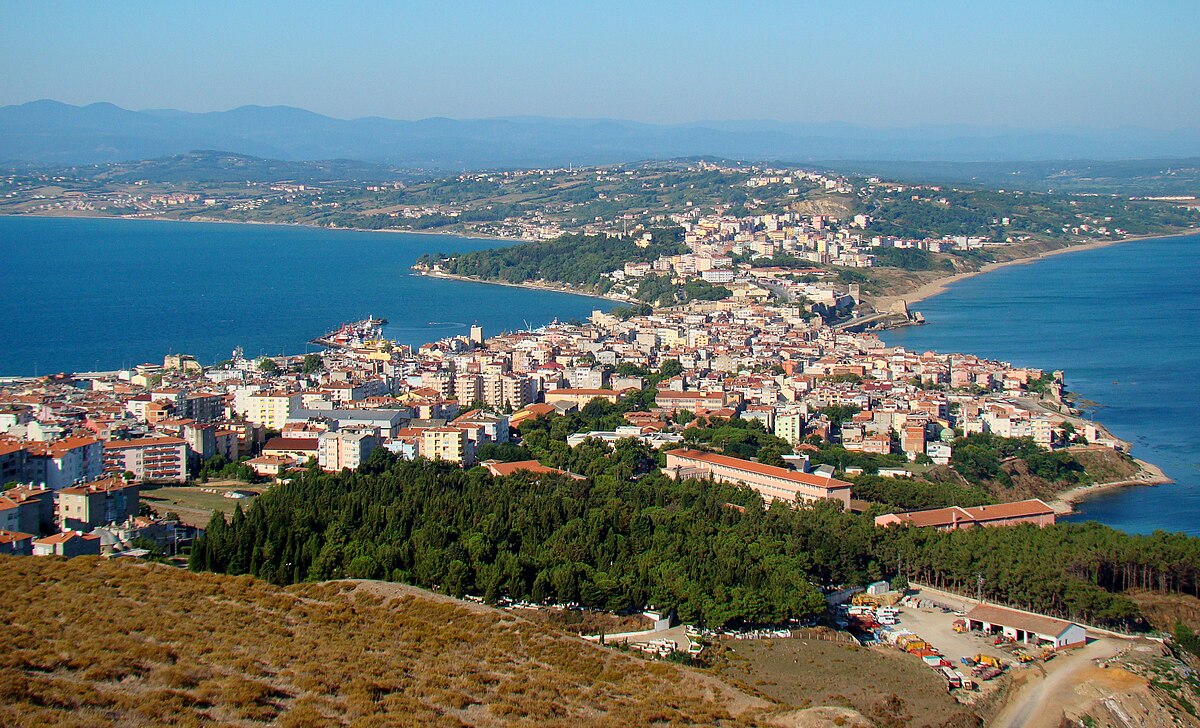
Sinop occupies one of the most defensible natural positions on the entire Black Sea coast — a narrow peninsula jutting into the sea, creating twin harbors on either side. This geographic advantage made it the site of the oldest documented Greek colony on the Anatolian Black Sea coast, traditionally founded by Milesians around 631 BCE (though earlier contacts are attested).
The city's most famous native son was Diogenes, the founder of Cynic philosophy, born here around 412 BCE. Diogenes, who famously lived in a barrel and told Alexander the Great to stop blocking his sunlight, became one of the most colorful and influential figures in ancient philosophy. His radical rejection of social conventions in favor of a natural life influenced Stoicism and remains provocative today.
"Sinope is a city beautifully situated on the isthmus of the Chersonese which is on the Euxine."
— Strabo, c. 7 BC
Sinop rose to great political importance as the birthplace and initial capital of Mithridates VI Eupator, the formidable Pontic king who challenged Roman expansion in three major wars during the 1st century BCE. Under Pontic rule, the city became a major naval base and commercial hub, controlling Black Sea trade routes.
The city preserves remnants of its layered past: Hellenistic walls, a Roman temple, Byzantine churches, and a remarkable Seljuk-era theological school (the Pervane Medrese). The archaeological museum houses important collections including painted Hellenistic sarcophagi and maritime artifacts reflecting the city's role as a major port.

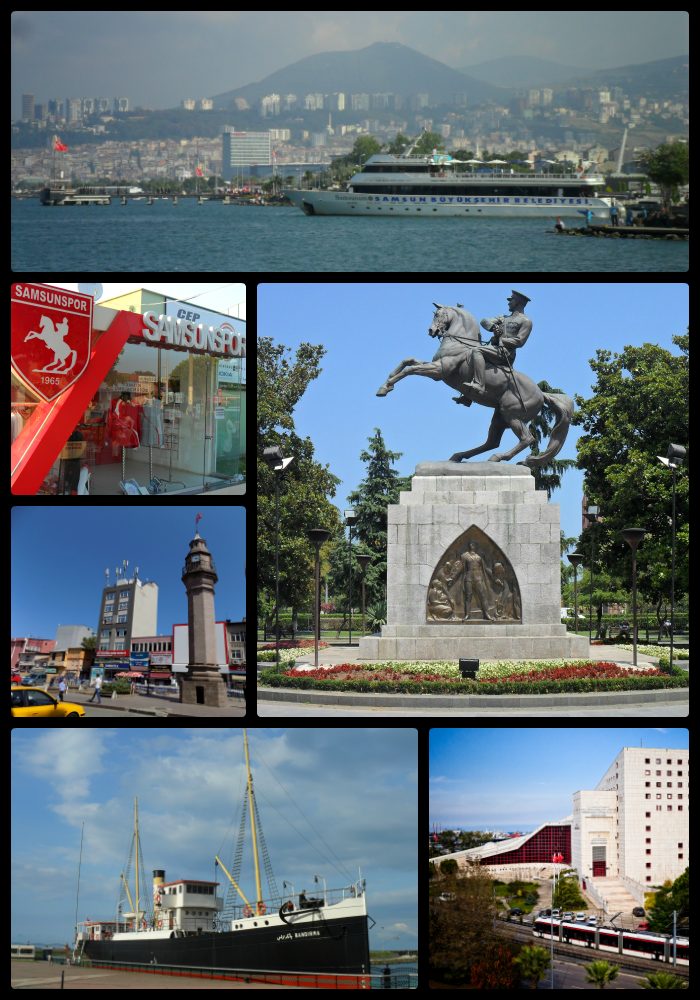
Sinop Overview 2009 | Bjørn Christian Tørrissen (CC BY-SA 3.0)
Under Roman rule, following Pompey's reorganization in 64 BCE, Sinop remained a prosperous provincial capital. Archaeological remains, including a substantial aqueduct, a large theater overlooking the sea, and extensive city walls, attest to significant urban investment during the Imperial period. The city's economy thrived on maritime trade, exporting its famed Sinopian red ochre pigment (miltos) and serving as a key port in the Black Sea grain route.
In Late Antiquity, Sinop transitioned into an important Byzantine ecclesiastical and military center. It became the metropolitan see of Helenopontus, and the large Balatlar Church complex, built in the 7th century CE over Roman baths, became a major pilgrimage site associated with Christian relics. The city's strategic importance persisted into the medieval era, evidenced by Seljuk and later Ottoman fortifications built upon the ancient acropolis, though its commercial dominance gradually waned with shifting trade networks.