Atlas AnatoliaAtlas Anatolia
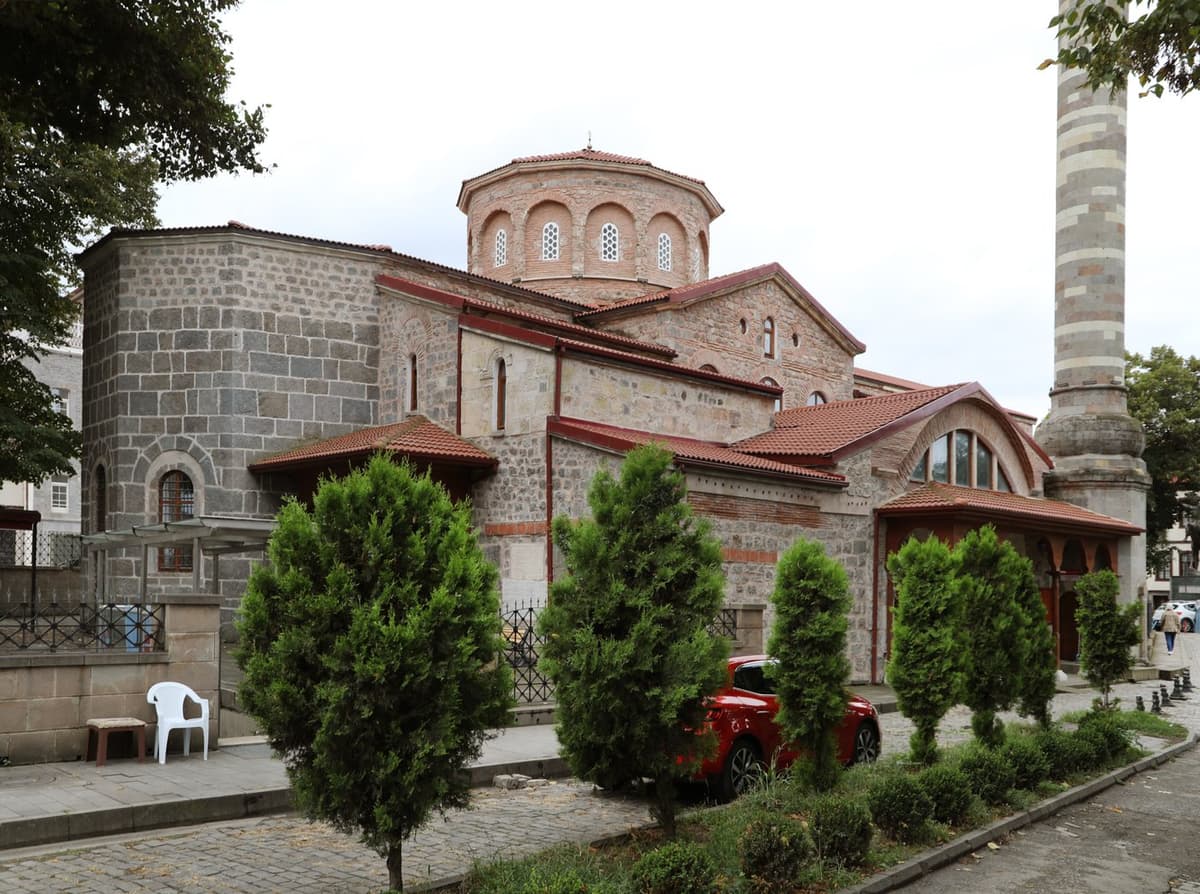
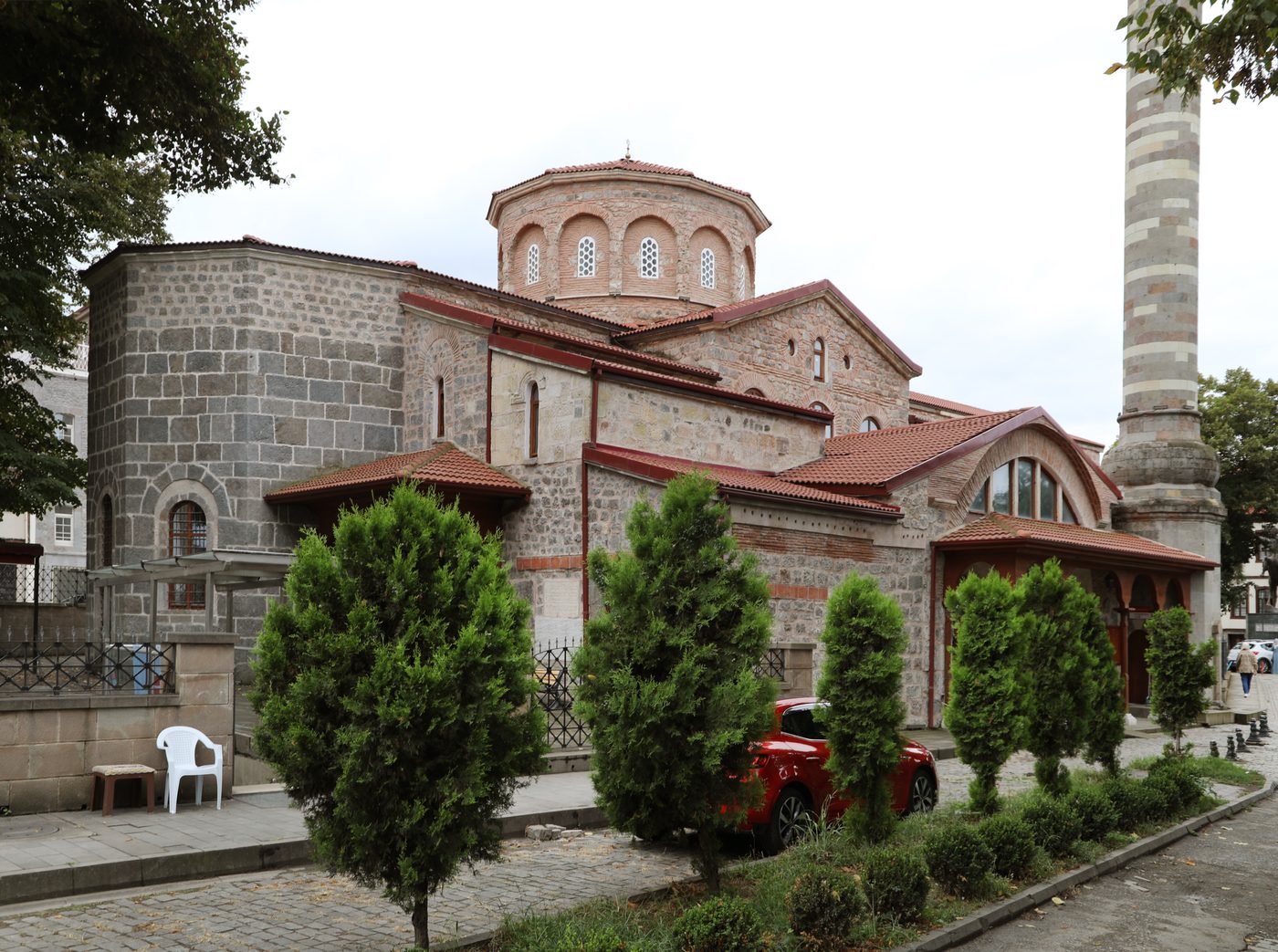
The Hagia Sophia of Trabzon with its 13th-century Byzantine frescoes

Trabzon (Trapezus)

Trabzon756 bce – 1461 ce
ClassicalRomanByzantineMedievalGreekRomanByzantineTrabzon

Empire

Capital of Empire of Trebizond (1204-1461 CE)

Last to Fall

Final Byzantine successor state, fell 1461 — 8 years after Constantinople

Hagia Sophia

13th-century church with extraordinary Byzantine frescoes

Xenophon

Where the Ten Thousand reached the sea (400 BCE)

Trabzon represents the remarkable persistence of Greek-Byzantine civilization on the frontier of empires.”

Wfrom_wikipedia

Trabzon (Trapezus/Trebizond) was capital of the Empire of Trebizond, the last Byzantine successor state, and a major Silk Road terminus on the Black Sea coast.

read_wikipedia

overview

Trabzon — ancient Trapezus, medieval Trebizond — is one of the most historically significant cities on the Black Sea, perched on a clifftop above the sea with the Pontic Alps rising dramatically behind. Founded as a Greek colony around 756 BCE (traditionally by settlers from Sinope), the city became famous when Xenophon's Ten Thousand Greek mercenaries reached it in 400 BCE, crying "Thalatta! Thalatta!" (The sea! The sea!) after their legendary march from Persia. The city reached its greatest glory as the capital of the Empire of Trebizond (1204-1461), a successor state to the Byzantine Empire founded by the Komnenos dynasty after the Fourth Crusade's sack of Constantinople. For over 250 years, Trebizond was an independent Greek empire and a crucial terminus of the Silk Road, where goods from Central Asia, Persia, and the Caucasus reached Mediterranean markets. The Empire of Trebizond was the very last fragment of the Byzantine world to fall, surrendering to Mehmed II in 1461, eight years after the fall of Constantinople. This distinction gives the city a poignant place in history as the final chapter of the Roman-Byzantine tradition stretching back over two millennia. The Hagia Sophia of Trabzon, built in the 13th century, is one of the finest Byzantine churches in Turkey, featuring extraordinary frescoes depicting Biblical scenes and saints. The city also preserves its medieval citadel, Ottoman-era mansions, and a remarkable position commanding the coastal road between Anatolia and the Caucasus.

why_it_matters

Trabzon represents the remarkable persistence of Greek-Byzantine civilization on the frontier of empires. As the capital of the last Greek empire, Trebizond embodies the tenacity of a culture that maintained independence for centuries at the edge of the Mongol, Seljuk, and Ottoman worlds. The city's role as a Silk Road terminus connects the Mediterranean and Asian worlds, making it essential for understanding the global trade networks of the medieval period. Its Hagia Sophia preserves some of the finest Byzantine frescoes surviving anywhere, a treasure of medieval Christian art.

evidence

evidence_desc

confirmed

3
  • Xenophon's Anabasis (4.8.22) records the Ten Thousand reaching Trapezus and seeing the Black Sea in 400 BCE, one of the most famous passages in Greek literature.
  • The frescoes of Trabzon's Hagia Sophia have been dated to the 1250s-1260s CE based on stylistic analysis and inscriptions, making them among the finest surviving Byzantine artworks.
  • The historian Michael Panaretos provides a contemporary chronicle of the Empire of Trebizond, documenting its independence from 1204 to its fall in 1461.

inferred

1
  • The concentration of Silk Road-era commercial buildings and caravanserais suggests Trabzon was the primary Black Sea terminus for overland trade from Tabriz and Central Asia.

debated

1
  • Whether the Empire of Trebizond should be considered a legitimate continuation of the Byzantine Empire or merely a regional successor state is debated by historians.

excavation

1957–1962

Hagia Sophia restoration

led_by David Talbot Rice

David Talbot Rice led documentation and restoration of the Hagia Sophia's Byzantine frescoes, revealing their exceptional quality and iconographic program.

1988–2000

Citadel surveys

Archaeological surveys of the medieval citadel documented construction phases from the Byzantine through Ottoman periods and the defensive system of the city.

2013

Hagia Sophia controversy

The building was briefly converted to a mosque, generating international debate about the preservation and accessibility of its Byzantine frescoes.

2018

Urban rescue excavations

Construction projects in the modern city revealed additional sections of the ancient and medieval urban fabric, including sections of the Hellenistic-era walls.

Community Photos

Share your experience

Have you visited this site? Upload your photos to help others discover it.

location

related_sites

sources

  • The Empire of Trebizond and the PontosAnthony Bryer & David Winfield (1985)
  • The Church of Hagia Sophia at TrebizondDavid Talbot Rice (1968)
  • Wikipedia — Trabzonlink

papers