Terme (Themiscyra)
Mythology
Legendary capital of the Amazon warrior women
River
On the Thermodon (Terme) River, cited by Homer and Strabo
Evidence
Female warrior burials found across steppe cultures
Province
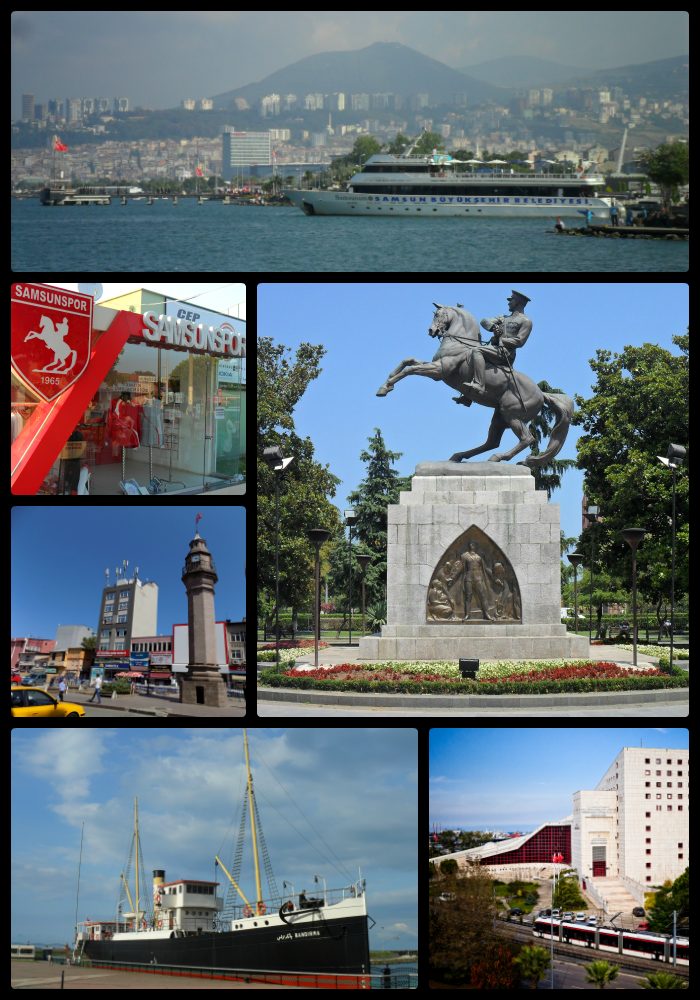
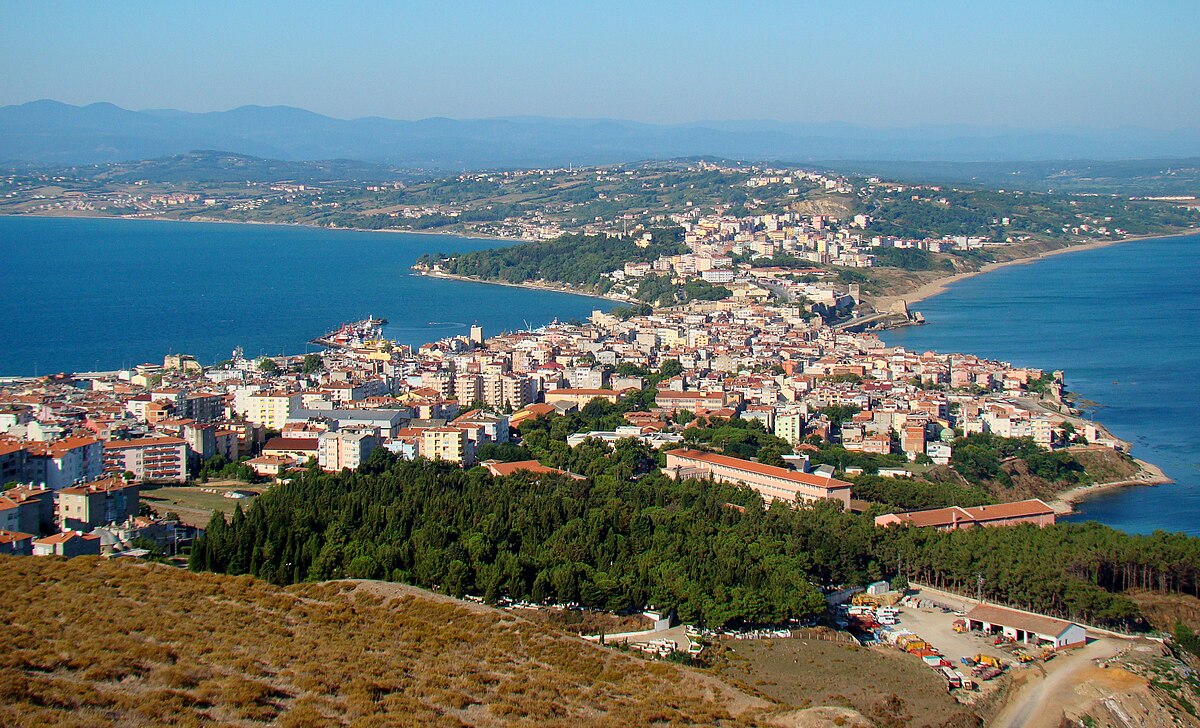
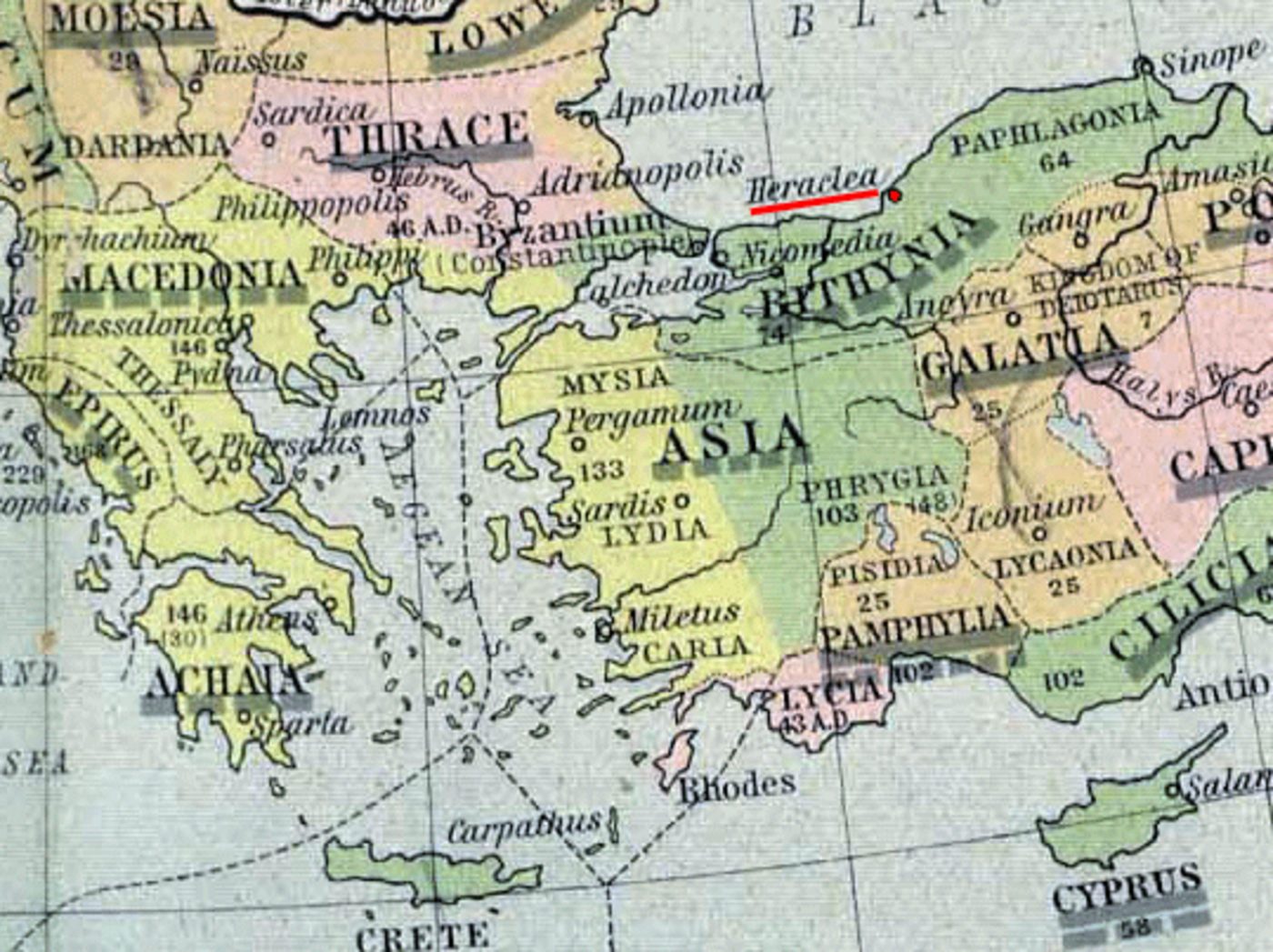
Samsun, Black Sea coast of northern Anatolia
“Themiscyra stands at the intersection of mythology and archaeology, challenging us to consider what real-world phenomena inspired the Amazon legends.”
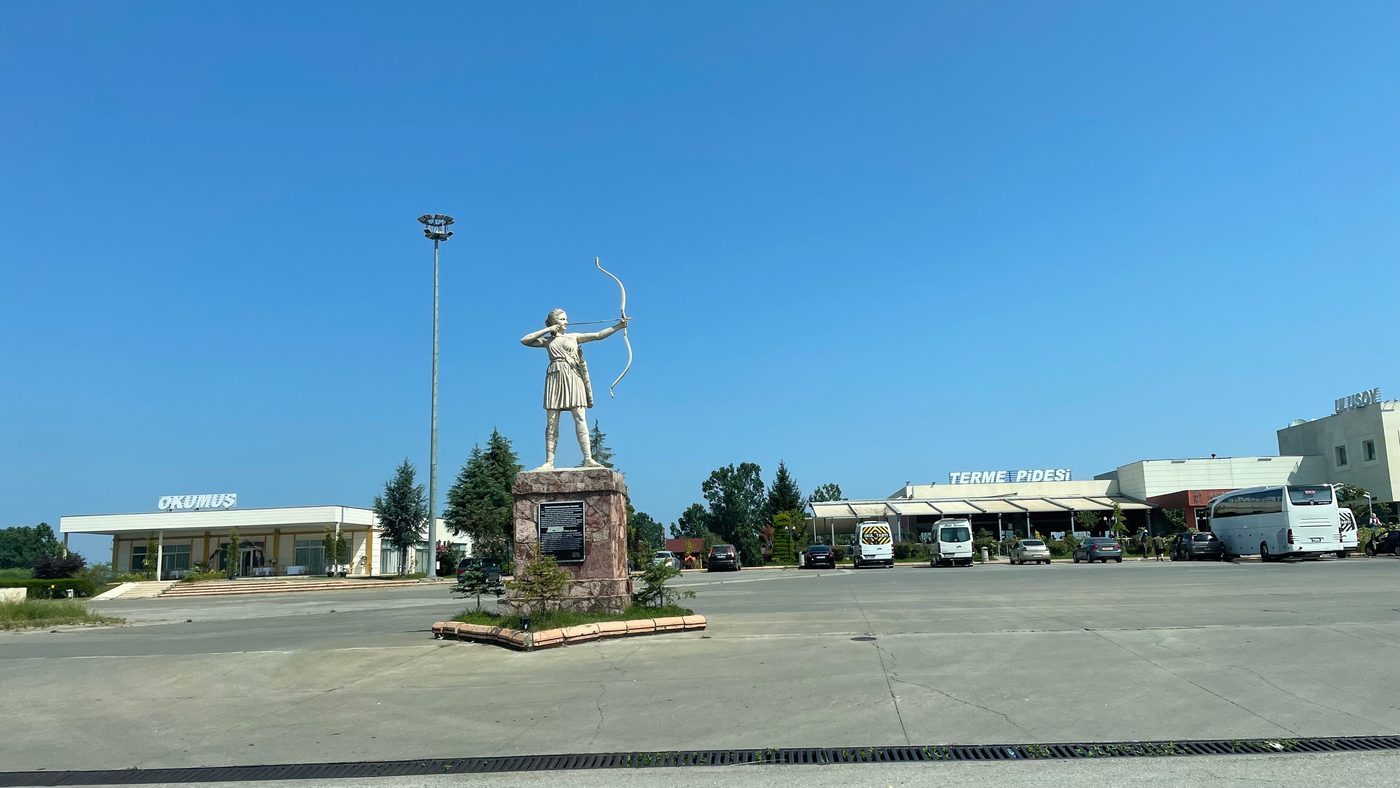
Themiscyra was the legendary capital of the Amazon warrior women, located on the Terme plain along the Black Sea coast of northern Anatolia.
read_wikipedia →overview
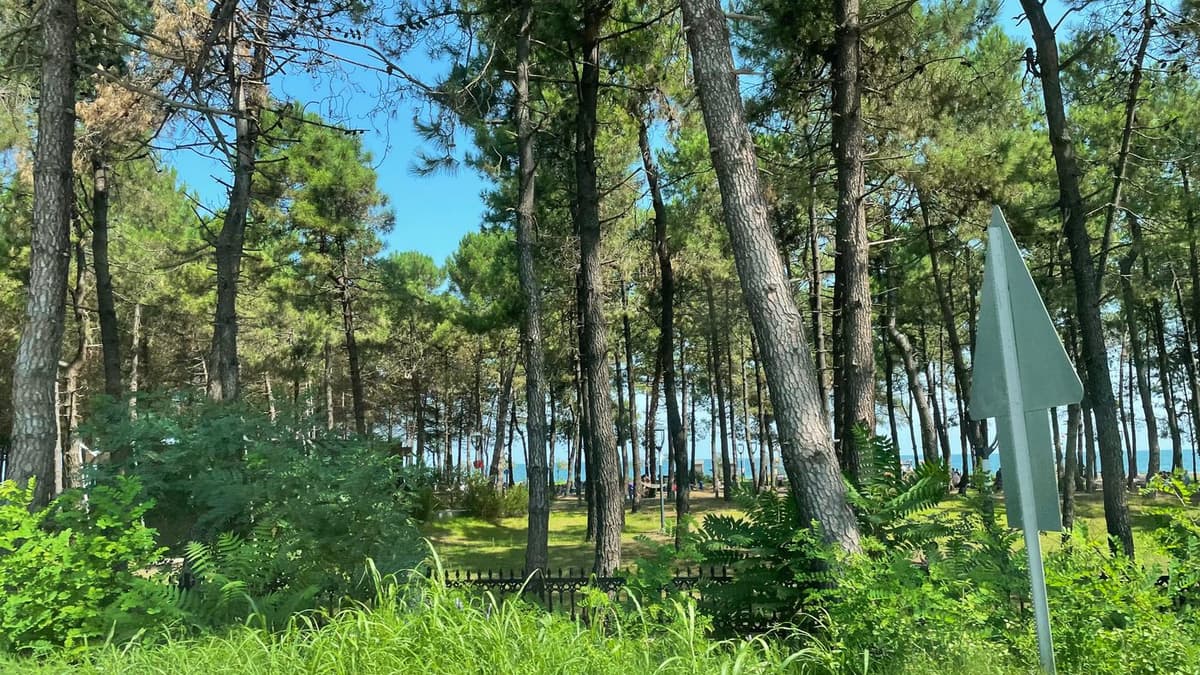
Terme — ancient Themiscyra — occupies a lush alluvial plain where the Terme River (ancient Thermodon) meets the Black Sea in Samsun province. This landscape, described by Greek writers as a fertile paradise ringed by mountains, was identified in antiquity as the homeland of the Amazons, the legendary nation of warrior women who featured in some of the most enduring myths of the ancient world. Greek sources from Homer onward placed the Amazons along the Thermodon River. Herodotus, Strabo, and Apollonius of Rhodes all described Themiscyra as the Amazon capital, a rich plain where these warrior women lived, trained, and launched military campaigns that brought them into conflict with Greek heroes including Heracles, Theseus, and Achilles. While the Amazons as described in myth remain legendary, recent archaeological discoveries across the broader Black Sea and Central Asian steppe regions have revealed burials of women interred with weapons and horse gear, suggesting that the Amazon legends may have been inspired by real warrior cultures of the Eurasian steppes. The Terme plain itself preserves evidence of continuous habitation from the Bronze Age onward, with Iron Age settlements that would have been contemporary with the period Greeks associated with the Amazons. The modern town of Terme sits atop the ancient site, limiting archaeological access. However, surveys have identified settlement mounds and artifact scatters indicating significant habitation. The surrounding landscape of river plains and forested mountains matches ancient descriptions remarkably well, and the region's fertility supports the literary accounts of a prosperous community.
why_it_matters
evidence
evidence_desc
confirmed
2- Multiple ancient sources including Herodotus (Histories 4.110-117) and Strabo (Geography 12.3.15) consistently identify Themiscyra on the Thermodon as the Amazon homeland.
- Archaeological surveys have documented Iron Age settlement remains on the Terme plain, confirming significant habitation during the period associated with Amazon legends.
inferred
2- Female warrior burials with weapons and horse gear discovered in Scythian and Sarmatian contexts across the Black Sea steppe suggest the Amazon legends may reflect real encounters with warrior cultures.
- The rich alluvial plain of the Thermodon matches ancient descriptions of Amazon prosperity, suggesting the landscape itself contributed to the mythological tradition.
debated
1- Whether a specific matriarchal or female warrior society existed at Themiscyra, or the legends represent Greek mythologization of steppe nomadic cultures, remains actively debated.
excavation
Early surveys
Initial archaeological surveys of the Terme plain identified settlement mounds and artifact concentrations from the Bronze and Iron Ages.
Regional survey project
Systematic survey documented multiple habitation sites across the Terme floodplain, including Iron Age ceramic assemblages contemporary with the Amazon legends.
Steppe warrior burial studies
Broader archaeological research on Scythian and Sarmatian female warrior burials provided new context for the Amazon mythology associated with this region.
more_photos
artifacts
Community Photos
Share your experience
Have you visited this site? Upload your photos to help others discover it.
location
related_sites
sources
- The Amazons: Lives and Legends of Warrior Women across the Ancient World — Adrienne Mayor (2014)
- Warrior Women of the Eurasian Steppes — Jeannine Davis-Kimball (2002)
- Wikipedia — Themiscyra (Pontus)link