Overview
Tarsus is one of the most historically layered cities in all of Anatolia, with continuous habitation stretching back to the Neolithic period. Located on the fertile Cilician plain where the Tarsus River (ancient Cydnus) flows toward the Mediterranean, the city's strategic position made it a crossroads of civilizations for over 9,000 years.
The city's most famous son is St. Paul the Apostle (Saul of Tarsus), whose letters form a cornerstone of the New Testament and whose missionary journeys from this base city helped shape the course of Christianity. But Tarsus's significance extends far beyond its Biblical associations. In antiquity it was renowned as a center of intellectual life, particularly Stoic philosophy — Strabo ranked its schools above those of Athens and Alexandria.
"Tarsus is a city of Cilicia, not inferior to the chief cities of that province for wealth and magnitude."
— Strabo, c. 7 BCE - 23 CE
One of the most celebrated events in ancient history took place at Tarsus in 41 BCE, when Cleopatra VII sailed up the Cydnus River on a golden barge to meet Mark Antony. The city also served as a major administrative center under Persian, Hellenistic, and Roman rule, and Alexander the Great nearly died here after swimming in the icy Cydnus.
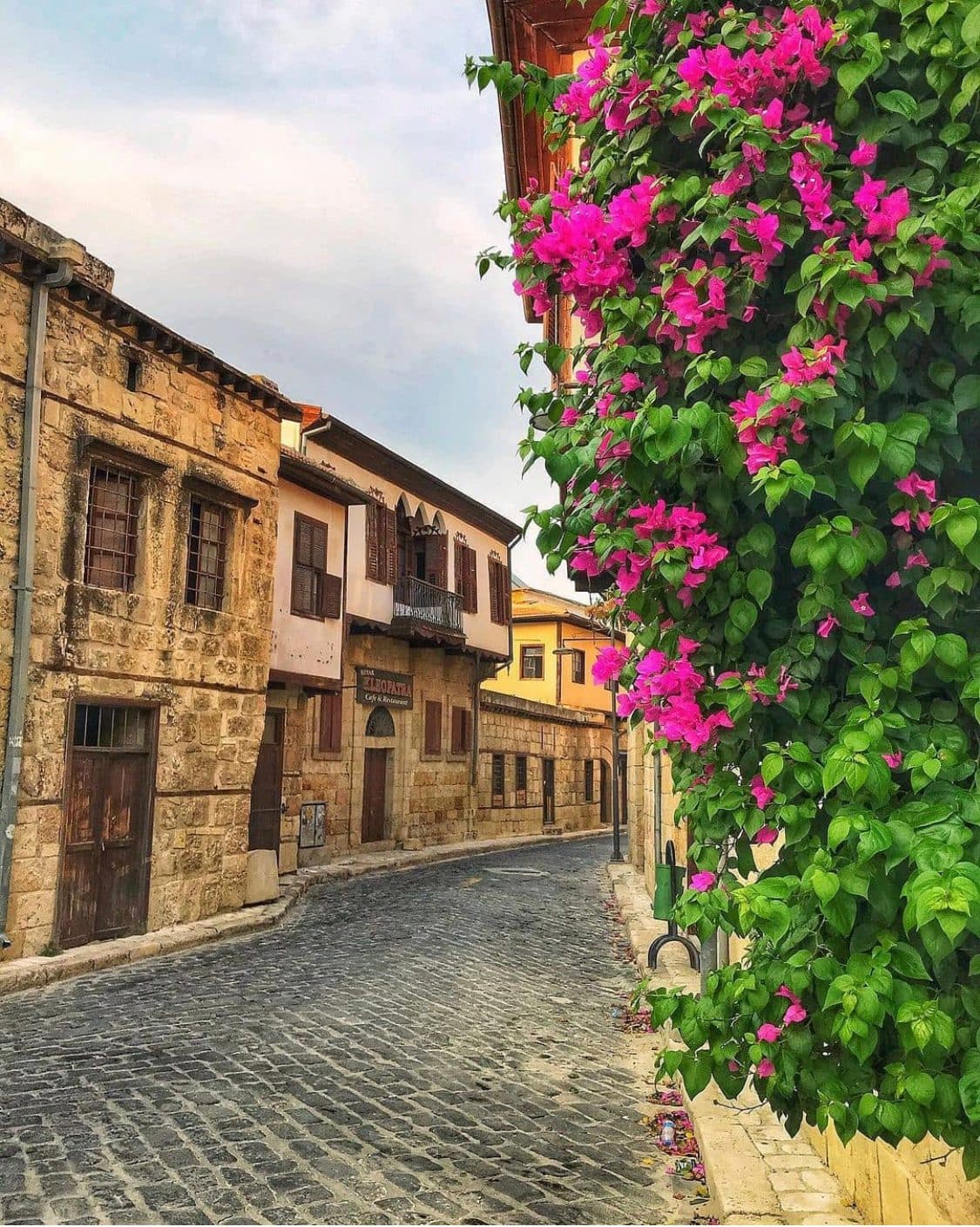
The Gozlukule mound in the city center preserves layers dating from the Neolithic through the Byzantine period, documenting nearly ten millennia of urban life. Hittite texts mention the city as Tarsa, and it appears in Assyrian records as well. The Roman-era Cleopatra's Gate (actually a Roman arch) and the Well of St. Paul are among the surviving monuments.

Altından geçme | Nedim Ardoğa (CC BY-SA 3.0)
Archaeology reveals the city's material wealth and cosmopolitan nature. Excavations at the Gozlukule mound, led by Hetty Goldman from 1934, uncovered extensive evidence of a major Hittite administrative center, including a fortified gate complex. In the Roman era, Tarsus was remade with monumental architecture, including a paved colonnaded street (the Cardo) and an advanced, vaulted sewer system that serviced the urban core, reflecting its status as the capital of the Roman province of Cilicia. The city's prosperity was built on the fertile Cilician plain's agriculture and its position on key trade routes connecting Anatolia to Syria and the Mediterranean. While it remained a significant ecclesiastical center into the Byzantine period, the silting of its harbor and regional political shifts after the Arab incursions of the 7th century CE led to a gradual decline in its wider economic and strategic importance, though habitation continued.