Atlas AnatoliaAtlas Anatolia
The imposing walls of Kozan Castle rising above the city of Kozan in Adana province

Kozan Castle (Sis)

Kozan Kalesi200 CE – 1400 CE
RomanByzantineMedievalRomanArmenianOttomanAdana

Armenian Capital

Capital of the Armenian Kingdom of Cilicia, 1186-1375 CE

Catholicosate

Seat of the Armenian Apostolic Church, 1293-1441 CE

Coronation

Leo II crowned first king in 1198 by Holy Roman Emperor recognition

Crusades

Strategic ally of the Crusader states and European powers

Fall

Conquered by Egyptian Mamluks in 1375, ending Armenian independence

Province

Adana, Cilician plain below the Taurus Mountains

Kozan Castle stands as the most important physical monument of the Armenian Kingdom of Cilicia, a medieval state that bridged Eastern and Western Christendom during the Crusading era.”

WFrom Wikipedia

Kozan Castle (ancient Sis) was the capital of the Armenian Kingdom of Cilicia and seat of the Armenian Catholicosate, crowning a dramatic rocky peak above the Cilician plain.

Read full article on Wikipedia

Overview

Kozan Castle, known historically as Sis, rises dramatically from a rocky peak above the modern city of Kozan in Adana province, commanding sweeping views across the fertile Cilician plain to the Taurus Mountains. This formidable fortress served as the capital of the Armenian Kingdom of Cilicia (also called Lesser Armenia) from 1186 to 1375 CE, one of the most remarkable medieval states in the eastern Mediterranean.

The Armenian Kingdom of Cilicia was established by Armenian nobles and refugees who migrated southward into the mountainous regions of Cilicia following the Seljuk conquest of their homeland in historic Armenia during the 11th century. Under the Rubenid and later Hethumid dynasties, this kingdom became a sophisticated Christian state that played a crucial role in the Crusades, forming strategic alliances with the Crusader states and European powers. Sis became its capital around 1186 under Leo II (Leon the Magnificent), who was crowned King of Armenian Cilicia in 1198 — the first Armenian king to receive recognition from the Holy Roman Emperor Henry VI.

"Sis is a very strong fortress, situated on a high mountain, where the kings of Armenia are crowned."
— Ibn al-Athir (c. 1160–1233), Arab historian

The castle complex preserves multiple phases of construction. The inner citadel, perched on the highest point of the rock, contains the remains of the royal palace, chapel, and defensive towers. The outer walls descend the hillside in concentric rings, incorporating both Armenian and earlier Byzantine defensive architecture. The approach to the castle was guarded by a series of gates and flanking towers that made the fortress virtually impregnable — it withstood multiple sieges by Seljuk and Mamluk forces over the centuries.

Sis was also the seat of the Armenian Catholicosate — the supreme authority of the Armenian Apostolic Church — which was transferred here from Hromkla in 1293 and remained until 1441. This dual role as both political and spiritual capital gave Sis extraordinary significance in Armenian history. The remains of the Cathedral of St. Sophia, where Armenian kings were crowned and patriarchs enthroned, lie within the city below the castle. The kingdom fell to the Egyptian Mamluks in 1375, ending the last independent Armenian state until the modern era.

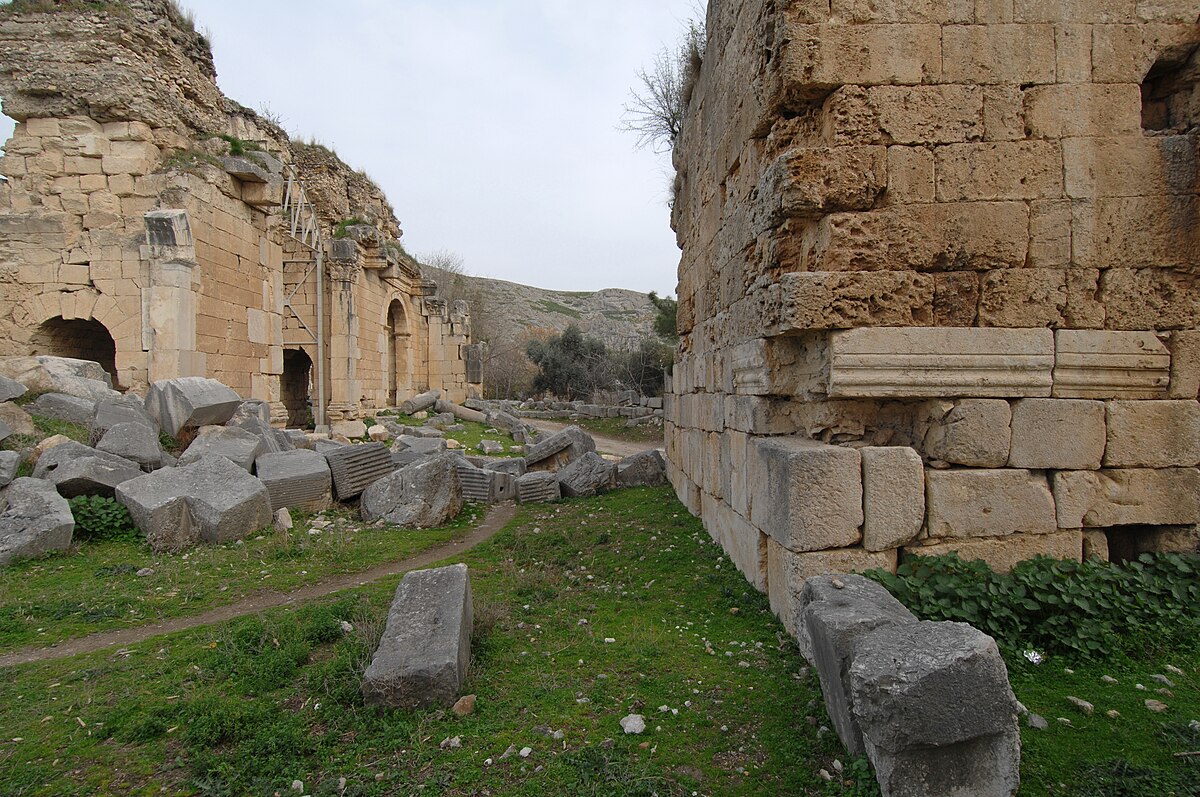
Kozan Kalesi, Kozan 21

Kozan Kalesi, Kozan 21 | Zeynel Cebeci (CC BY-SA 4.0)
Why It Matters

Kozan Castle stands as the most important physical monument of the Armenian Kingdom of Cilicia, a medieval state that bridged Eastern and Western Christendom during the Crusading era. The fortress's dual role as royal capital and seat of the Armenian church makes it central to understanding Armenian national and religious identity. The kingdom that Sis served demonstrates how displaced peoples could build new states that achieved remarkable cultural and political sophistication. Armenian Cilicia produced illuminated manuscripts, developed diplomatic networks stretching from Mongolia to France, and created a legal code that influenced Crusader jurisprudence. Kozan Castle embodies this legacy of resilience and cultural achievement against extraordinary odds.

Stay curious

New stories and sites, once a month. No spam.

Evidence & Interpretation

Distinguishing what is well-established from what remains debated.

Well-Established Facts

4
  • Armenian historical chronicles including those of Kirakos Gandzaketsi and Hetum of Korykos document Sis as the capital of the Armenian Kingdom of Cilicia and the coronation site of its kings.
  • The transfer of the Armenian Catholicosate from Hromkla to Sis in 1293 is documented in Armenian ecclesiastical records and confirmed by papal correspondence.
  • Multiple construction phases in the castle walls, from Roman-era foundations through Armenian and later Ottoman modifications, have been identified through architectural analysis.
  • Archaeological excavation of the inner citadel has recovered ceramics, coins, and metalwork dating to the Armenian kingdom period (12th-14th centuries CE), confirming royal occupation.

Scholarly Inferences

1
  • The castle's concentric defensive design incorporating both Armenian and Byzantine military architecture suggests the builders drew on multiple fortification traditions available in the Cilician region.

Debated Interpretations

1
  • The extent to which the existing castle fabric preserves Roman-era construction versus later medieval rebuilding remains debated, as the Armenian builders extensively modified earlier structures.

Discovery & Excavation

1952

Initial survey and documentation

First archaeological and architectural survey of the castle complex documented the surviving walls, towers, and gate systems across the inner and outer fortification circuits.

1990–1998

Restoration of outer walls

Major restoration project stabilized sections of the outer defensive walls and towers, clearing vegetation and consolidating masonry to prevent further deterioration.

2005–2010

Inner citadel excavation

Excavation of the inner citadel area revealed palace chambers, the royal chapel foundations, and ceramic and metalwork assemblages from the Armenian kingdom period.

2012

Cathedral of St. Sophia documentation

Architectural documentation of the surviving remains of the Cathedral of St. Sophia in the city below the castle, where Armenian kings were crowned and patriarchs enthroned.

2018–2022

Conservation and tourism development

Comprehensive conservation project repaired walls and cleared access paths, with archaeological monitoring documenting construction phases from Roman through Ottoman periods.

More Photos

Museum Artifacts

Community Photos

Share your experience

Have you visited this site? Upload your photos to help others discover it.

Location

Related Sites

Sources

  • The Armenian Kingdom of CiliciaJacob G. Ghazarian (2000)
  • The Cilician Kingdom of ArmeniaT.S.R. Boase (1978)
  • Wikipedia — Kozan CastleLink

Research Papers

Stay in the loop

Get notified when we add new sites or major features. We send at most 1–2 emails per year. We never sell your email.

Atlas AnatoliaAtlas Anatolia

An interactive atlas of ancient Anatolian sites. Explore civilizations, monuments, and stories across millennia.

info@atlasanatolia.com

© 2026 Atlas Anatolia. Content is provided for educational purposes.

Map data © OpenStreetMap contributors