Overview
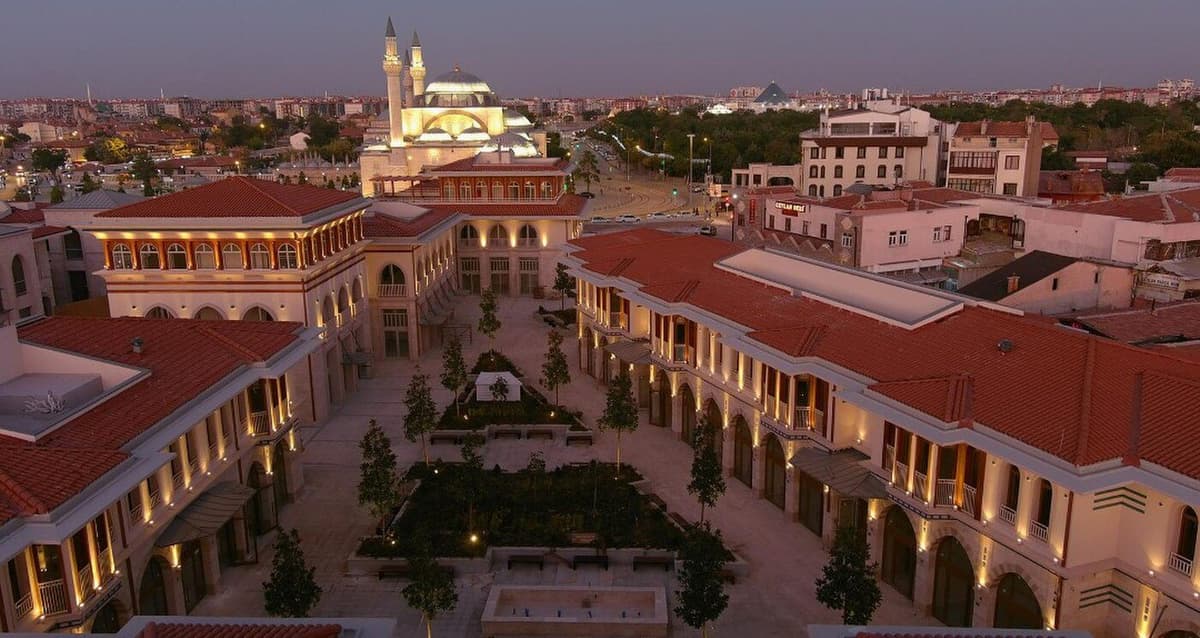
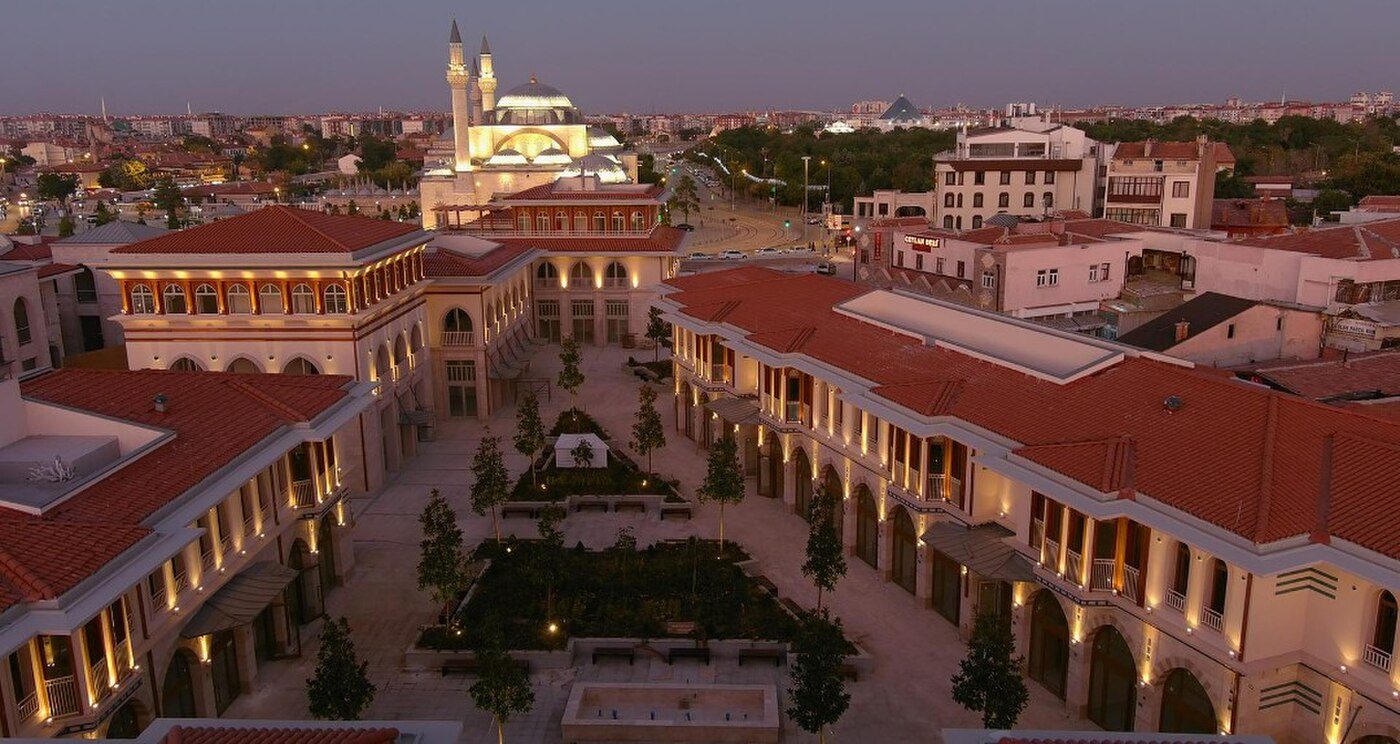
Konya — ancient Iconium — is one of the world's oldest continuously inhabited cities, with evidence of settlement dating back to at least the 3rd millennium BCE. Located on the vast Konya Plain in central Anatolia, the city has been a crossroads of cultures and religions for millennia, but it reached its zenith as the capital of the Seljuk Sultanate of Rum in the 12th and 13th centuries, when it became one of the most brilliant cities of the medieval Islamic world.
In antiquity, Iconium was associated with Greek mythology — Xenophon passed through in 401 BCE during the march of the Ten Thousand, and the city was later connected to the legend of Perseus and Medusa. Under Phrygian and then Hellenistic rule, Iconium served as a regional center. The city holds particular significance in Christian history as one of the cities visited by St. Paul and St. Barnabas during their first missionary journey, as recorded in the Acts of the Apostles (Acts 14:1-5). A local Christian community flourished here from the 1st century CE onward.
"Iconium is a city of Phrygia, well inhabited and well fortified."
— Strabo, Geographica (c. 7 BCE - 23 CE)
The Seljuk period transformed Konya into a capital of extraordinary cultural achievement. Sultan Alaeddin Keykubad I (r. 1220-1237) presided over a golden age, building the Alaeddin Mosque on the ancient citadel mound, along with palaces, madrasas, and caravanserais that made Konya a center of art, learning, and Sufi mysticism. The Alaeddin Mosque incorporates ancient columns and capitals, physically linking the Seljuk city to its classical predecessors.
It was during this brilliant Seljuk era that Jalal al-Din Muhammad Rumi (1207-1273), the great Persian-language poet and Sufi mystic, settled in Konya and composed his masterworks. Rumi's Masnavi, often called the Quran in Persian, and his Divan-e Shams-e Tabrizi are among the most widely read works of spiritual literature in the world. The Mevlevi Order — the Whirling Dervishes — which his followers established after his death, made Konya a center of Sufi practice and pilgrimage. The Mevlana Museum, housed in the lodge where Rumi lived and was buried, with its iconic fluted turquoise dome, is Turkey's most-visited museum after the Istanbul sites.

Seljuks- Palace of Keykubad (Kubad-Abad Sarayi), Konya | Efendi (CC BY-SA 4.0)
The Karatay and İnce Minareli madrasas preserve stunning Seljuk tilework and stone carving that rank among the finest examples of medieval Islamic decorative arts. The city's Seljuk heritage, combined with its ancient roots and its significance to three Abrahamic religions, makes Konya one of the most culturally layered cities in all of Anatolia.