Atlas AnatoliaAtlas Anatolia
The Temple of Augustus in Ankara bearing the Monumentum Ancyranum inscription

Ancyra (Ankara)

Ankara1200 BCE – 400 CE
Iron AgeClassicalHellenisticRomanPhrygianGalatianRomanAnkara

Monumentum Ancyranum

Only complete copy of Augustus's Res Gestae (political testament)

Temple of Augustus

Late 1st-century BCE temple with bilingual Latin-Greek inscription

Galatian Capital

Capital of the Tectosages, one of three Celtic Galatian tribes

Roman Baths

3rd-century CE baths among the largest in Anatolia

Column of Julian

4th-century column commemorating Emperor Julian's visit

Citadel

Multi-period fortification from Galatian through Ottoman eras

The Monumentum Ancyranum is arguably the single most important inscription surviving from the Roman world.”

WFrom Wikipedia

Ancyra (modern Ankara) was a Phrygian and Galatian capital whose Temple of Augustus preserves the only complete copy of Augustus's Res Gestae.

Read full article on Wikipedia

Overview

Ancyra — modern Ankara, capital of the Turkish Republic — has been a significant settlement since at least the Bronze Age, though its greatest ancient fame rests on its role as capital of the Galatian kingdom and the remarkable survival of the Monumentum Ancyranum, the most important single inscription from the Roman world.

The city's origins reach deep into the prehistoric past. Phrygians established a major fortress here in the early first millennium BCE, exploiting the citadel hill's naturally defensible position at the intersection of major east-west and north-south routes across the Anatolian plateau. According to ancient tradition, King Midas himself was associated with the city, and the name Ancyra (meaning "anchor" in Greek) was said to derive from an anchor that Midas found on the hilltop.

"Ancyra, a city of Galatia, is a strong fortress."
— Strabo, c. 20 CE

In the 3rd century BCE, Celtic-speaking Galatians migrated into central Anatolia and made Ancyra the capital of the Tectosages, one of three Galatian tribes. The city became the principal center of Celtic culture in Asia Minor, a remarkable eastward extension of the La Tene cultural world. Under Roman rule from the 1st century BCE onward, Ancyra became the capital of the province of Galatia and was embellished with monumental public buildings.

The Temple of Augustus and Rome, built in the late 1st century BCE, carries inscribed on its walls the Res Gestae Divi Augusti — Augustus's own account of his achievements, the text he had originally inscribed on bronze tablets at his mausoleum in Rome. The Ancyra copy, known as the Monumentum Ancyranum, is the only version to survive virtually complete, with the Latin text on the interior walls and a Greek translation on the exterior. This inscription, discovered by European travelers in the 16th century, remains one of the most studied documents of Roman history.

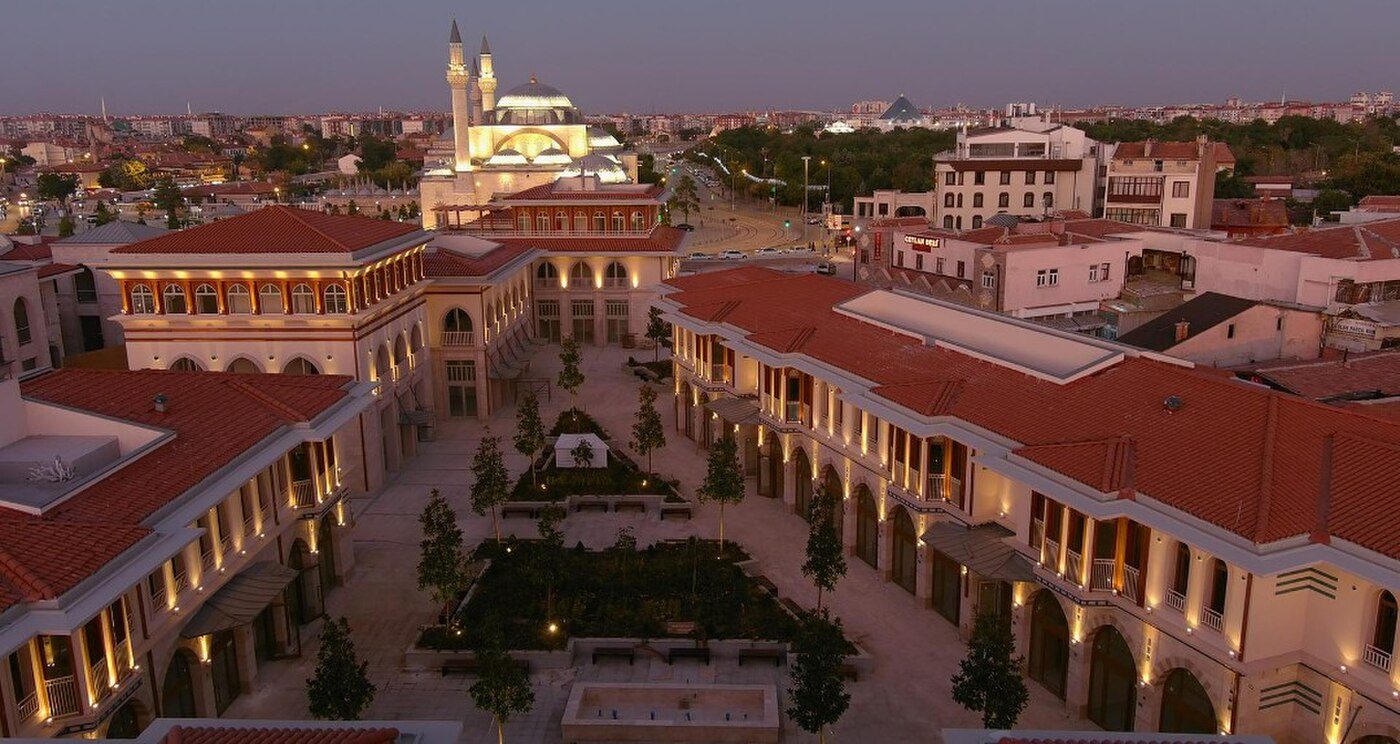
Mezquita de Melike Hatun, Ankara, Turquía, 2024-10-03, DD 87-89 HDR

Mezquita de Melike Hatun, Ankara, Turquía, 2024-10-03, DD 87-89 HDR | Diego Delso (CC BY-SA 4.0)

The Roman baths of Ancyra, among the largest in Anatolia, date to the 3rd century CE under Emperor Caracalla. Their impressive ruins stand in the heart of modern Ankara, with walls surviving to considerable heights. The Column of Julian, a 4th-century monument commemorating Emperor Julian's visit, rises near the ancient citadel. The citadel itself preserves layers of fortification from the Galatian through Ottoman periods, with Roman and Byzantine spolia prominently incorporated into the medieval walls.
Why It Matters

The Monumentum Ancyranum is arguably the single most important inscription surviving from the Roman world. Without the Ancyra copy, Augustus's own account of his reign — a document that shaped how Romans understood their transformation from republic to empire — would be known only in fragmentary form. Ancyra's role as a Galatian capital makes it essential for understanding the remarkable Celtic migration into Asia Minor, one of the ancient world's most dramatic population movements. The city embodies the layering of Phrygian, Celtic, Roman, Byzantine, Seljuk, and Ottoman civilizations that defines central Anatolia.

Stay curious

New stories and sites, once a month. No spam.

Evidence & Interpretation

Distinguishing what is well-established from what remains debated.

Well-Established Facts

3
  • The Res Gestae Divi Augusti inscription survives virtually complete on the Temple of Augustus walls, with the Latin text on the interior pronaos walls and the Greek translation on the exterior south wall.
  • The Roman bath complex, excavated and preserved in the modern city center, is confirmed by brick stamps and architectural parallels to date to the reign of Caracalla (early 3rd century CE).
  • Ancient sources including Strabo (Geography 12.5.1-2) and Livy (38.16) document Ancyra as the chief city of the Tectosages Galatians and describe Celtic cultural practices in the region.

Scholarly Inferences

2
  • The association of Ancyra with the legendary King Midas, reported by Pausanias, suggests Phrygian settlement at the site predates the Celtic Galatian arrival by several centuries.
  • The concentration of Roman and Byzantine spolia in the citadel walls indicates extensive monumental architecture in the lower city that was systematically quarried for fortification materials.

Debated Interpretations

1
  • Whether the Temple of Augustus was originally built as a temple to the Phrygian god Men or to Roma and Augustus from the outset remains debated among architectural historians.

Discovery & Excavation

1834

Monumentum Ancyranum documentation

Led by Charles Texier

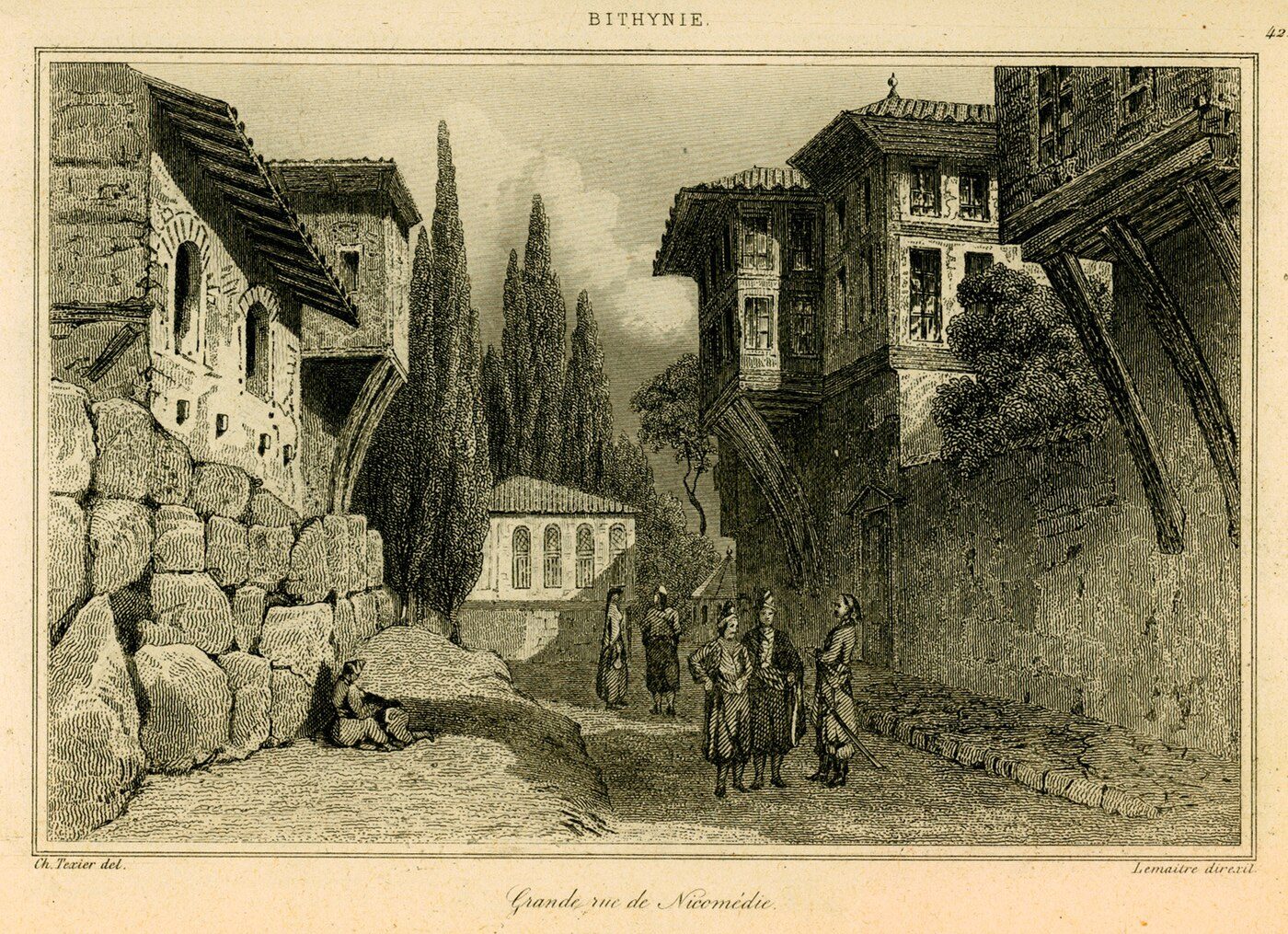
French scholar Charles Texier made the first detailed copies of the Res Gestae inscription on the Temple of Augustus, bringing it to wide scholarly attention.

1926–1938

Temple of Augustus excavations

Daniel Krencker and Martin Schede led systematic excavations clearing the Temple of Augustus and documenting the complete bilingual inscription.

1937–1944

Roman baths excavations

Excavations uncovered the massive Roman bath complex, revealing the caldarium, tepidarium, and frigidarium sections with their original floor systems.

1989–2005

Citadel investigations

Archaeological surveys and targeted excavations within the Ankara citadel documented construction phases from the Phrygian through Ottoman periods and identified Roman and Byzantine spolia in the medieval walls.

2009

Galatian-period finds

Rescue excavations in the city center recovered Celtic-type fibulae and pottery, providing rare material evidence of the Galatian cultural presence at Ancyra.

More Photos

Museum Artifacts

Community Photos

Share your experience

Have you visited this site? Upload your photos to help others discover it.

Location

Related Sites

Sources

  • Res Gestae Divi Augusti: The Achievements of the Divine AugustusAlison Cooley (2009)
  • The Galatians: Celtic Invaders of Greece and Asia MinorStephen Mitchell (2003)
  • Wikipedia — AncyraLink

Research Papers

Stay in the loop

Get notified when we add new sites or major features. We send at most 1–2 emails per year. We never sell your email.

Atlas AnatoliaAtlas Anatolia

An interactive atlas of ancient Anatolian sites. Explore civilizations, monuments, and stories across millennia.

info@atlasanatolia.com

© 2026 Atlas Anatolia. Content is provided for educational purposes.

Map data © OpenStreetMap contributors