Overview
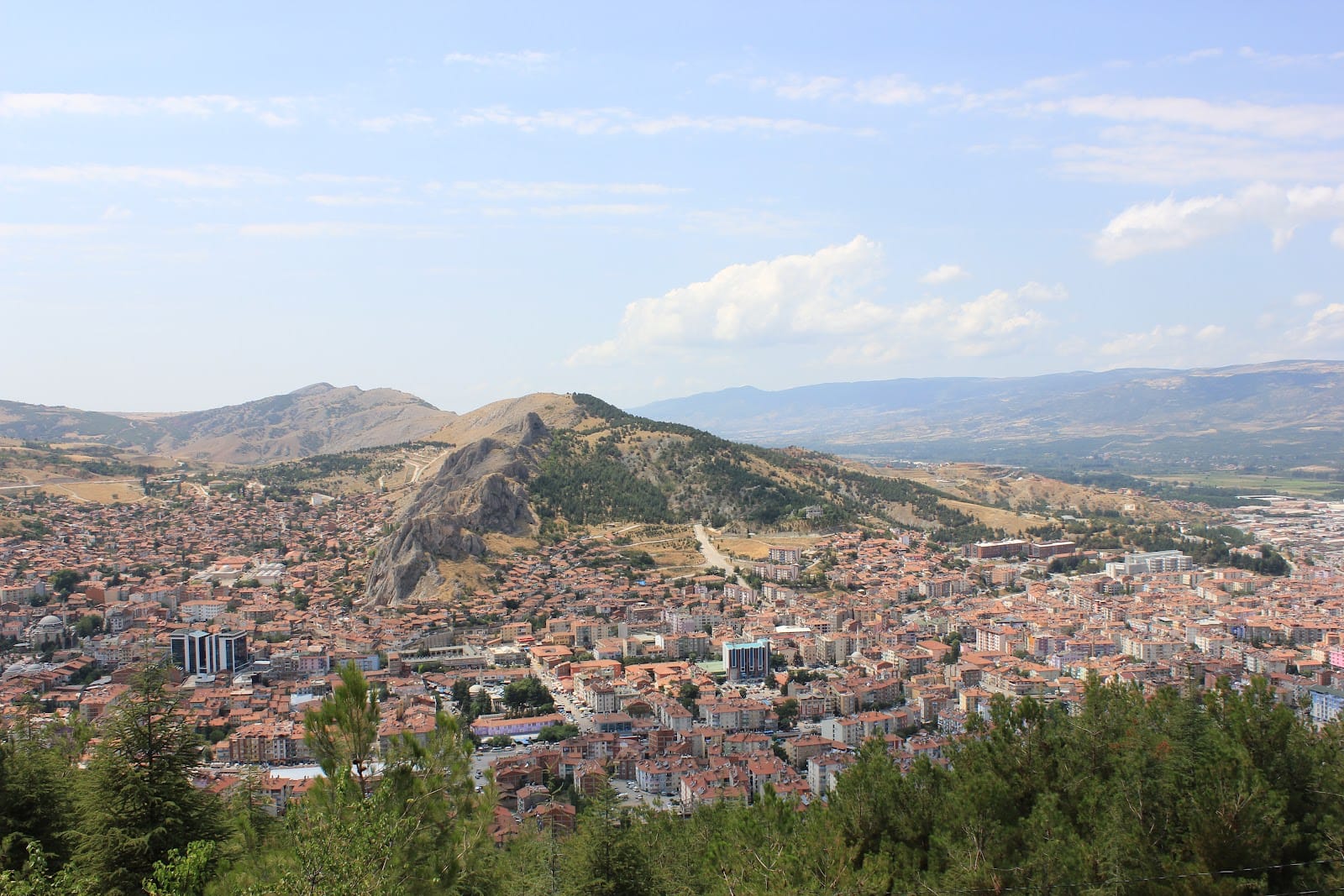
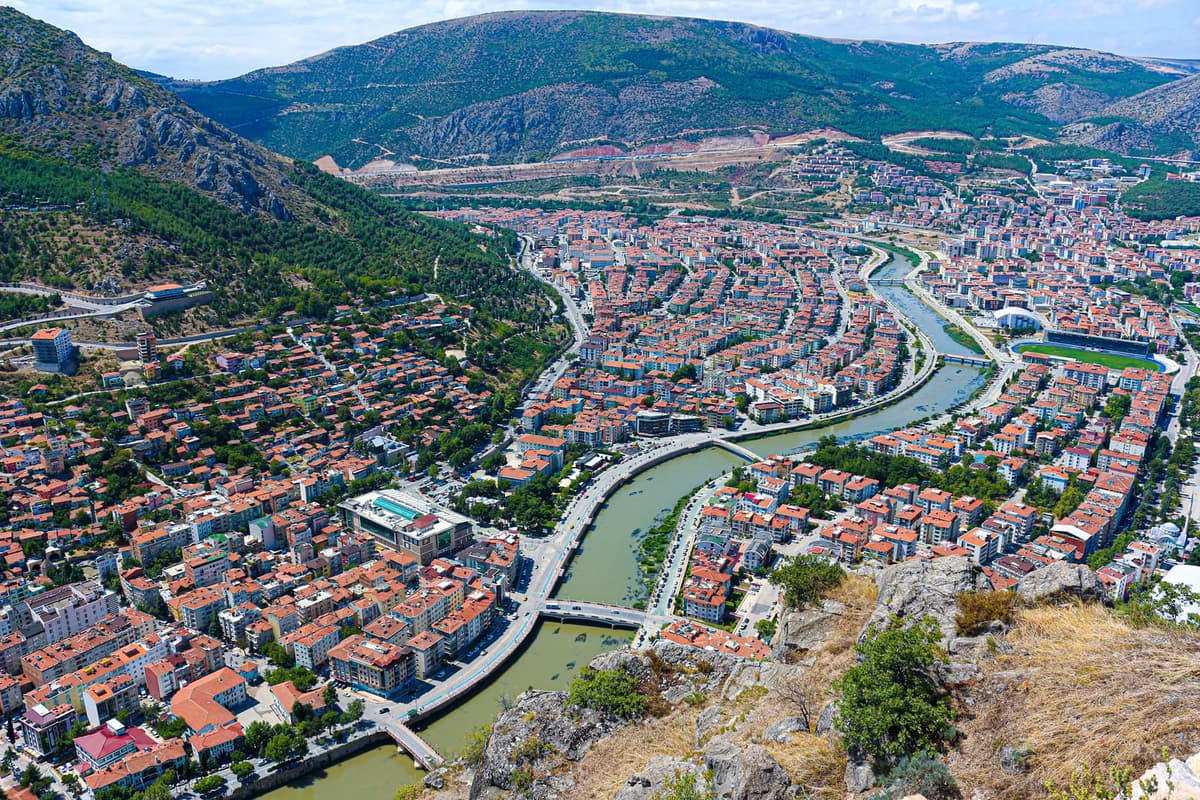
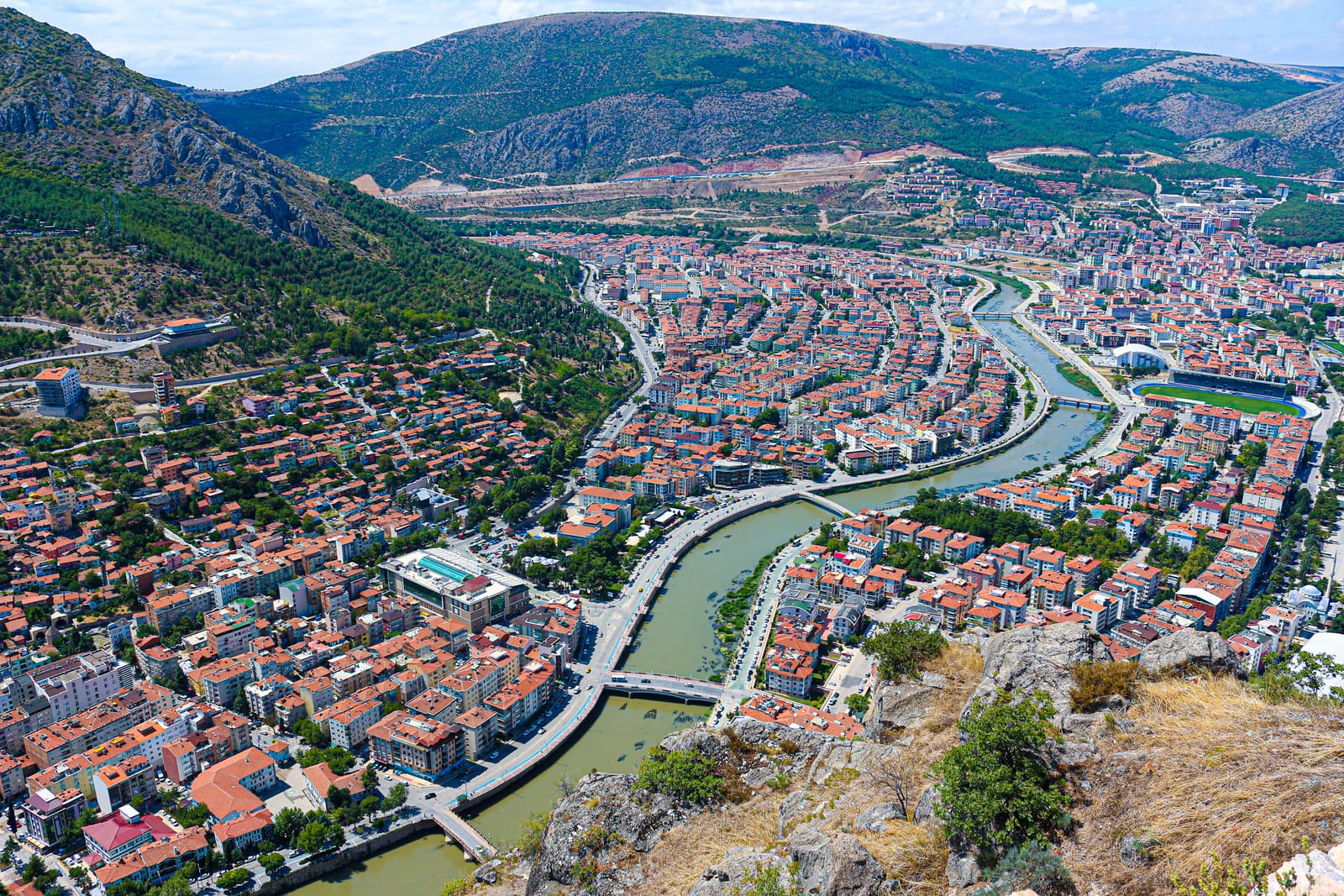
Amasya lies in a narrow valley carved by the Yesilirmak (Iris) River through the mountains of northern Anatolia. The city served as the royal capital and burial place of the kings of Pontus, whose rock-cut tombs — carved directly into the sheer limestone cliffs towering above the river — remain its most dramatic feature. Five monumental royal tombs, dating from the 3rd to 1st centuries BCE, are visible from across the city, their dark rectangular openings a haunting reminder of Pontic royal power.
The city's strategic position at the crossroads of routes linking the Black Sea coast to the Anatolian interior ensured its importance across multiple civilizations. Under Roman rule, Amasya produced the geographer Strabo (born c. 64 BCE), one of the most important writers of the ancient world. The city later became a significant Ottoman center, home to a royal prince's school (sehzade sancagi) where future sultans trained in governance.
"Amaseia, a natural fortress, is the royal seat of the kings, where the tombs of the kings are cut in the rock."
— Strabo, c. 7 BC
Ottoman-era timber mansions (yaliboyu evleri) line the riverbanks, their reflections in the water creating one of Turkey's most photographed urban landscapes. Above the city, a massive Pontic-era fortress crowns the ridge, connected to the river valley by a tunnel carved through rock. The city's historical layers — Pontic tombs, Roman heritage, Seljuk mosques, Ottoman mansions — coexist in a remarkably compact setting.
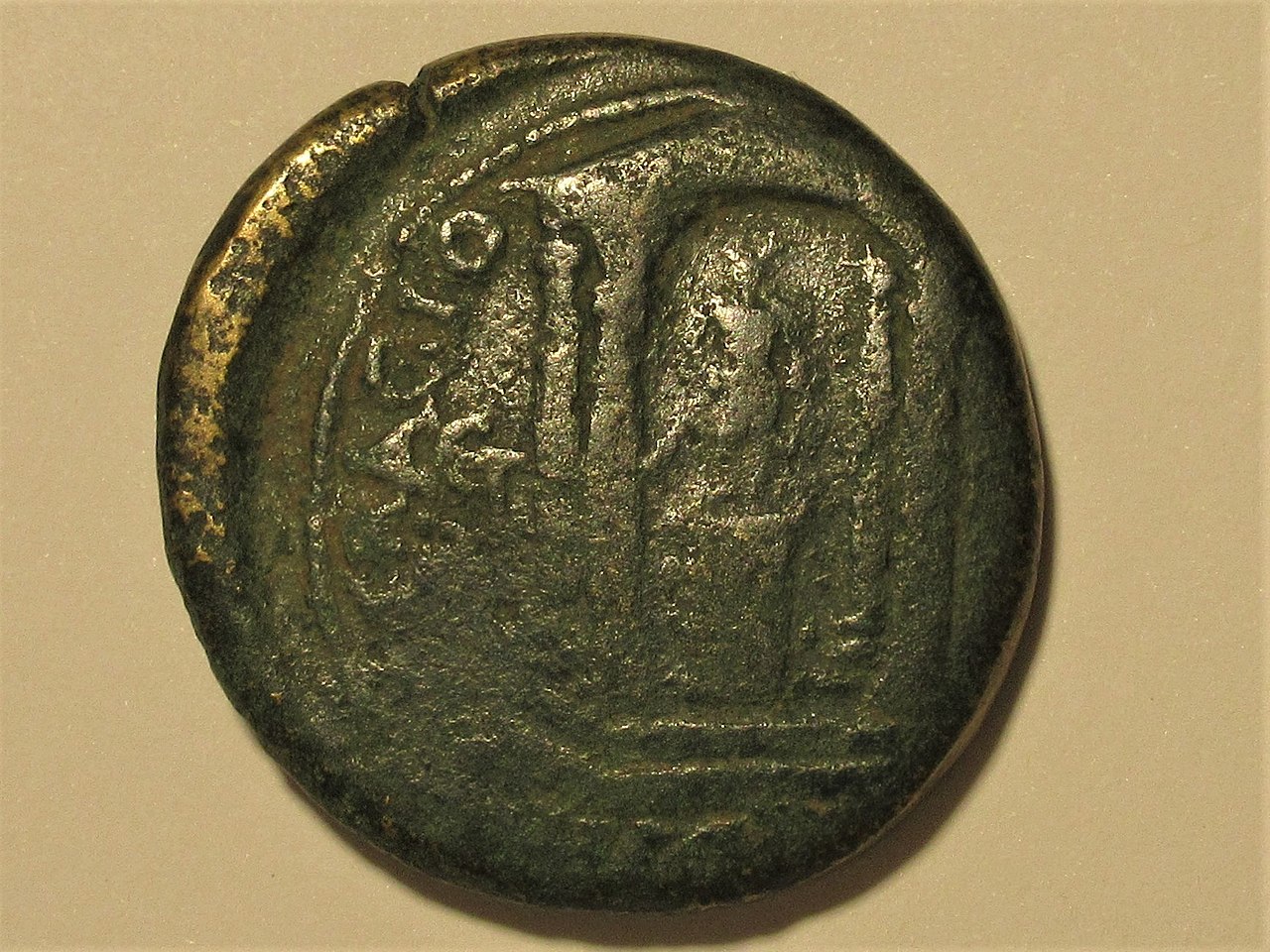
Beyond the tombs, the city's urban fabric reveals its strategic importance. The Pontic citadel (Harşena Fortress) controlled the valley, while the lower city along the riverbanks was a hub of commerce and daily life. Archaeological finds, including imported pottery and coins, attest to Amasya's integration into wider Hellenistic trade networks across the Black Sea and Anatolia. The city's significance persisted into the Roman and Byzantine periods, serving as a military and administrative center, though its political prominence waned after the fall of the Pontic Kingdom. The later Ottoman period saw a revival, with the construction of the iconic timber-framed mansions (Yalıboyu Evleri) that now line the river, creating the picturesque juxtaposition of ancient, medieval, and early modern architecture that defines the city today.

Amasya Dağlarına Karşı | Yiğit Can GÜNÖNÜ (CC BY-SA 4.0)