Overview
Comana Pontica was one of the most important religious centers of the ancient Near East, built around the great temple of Ma — an Anatolian war and fertility goddess later identified with the Greek Enyo and Roman Bellona. The temple-state functioned as a semi-autonomous theocratic community, governed by a high priest who was second only to the Pontic king in prestige and power.
According to Strabo, who provides the most detailed account of Comana, the temple precinct was served by over 6,000 hierodouloi (sacred servants). The city hosted great festivals during which the goddess's image was carried in procession, drawing crowds described as rivaling the festivals of major Greek sanctuaries.
"Comana is a notable city, sacred to the goddess Ma, and is full of worshippers from everywhere."
— Strabo, c. 7 BCE - 23 CE
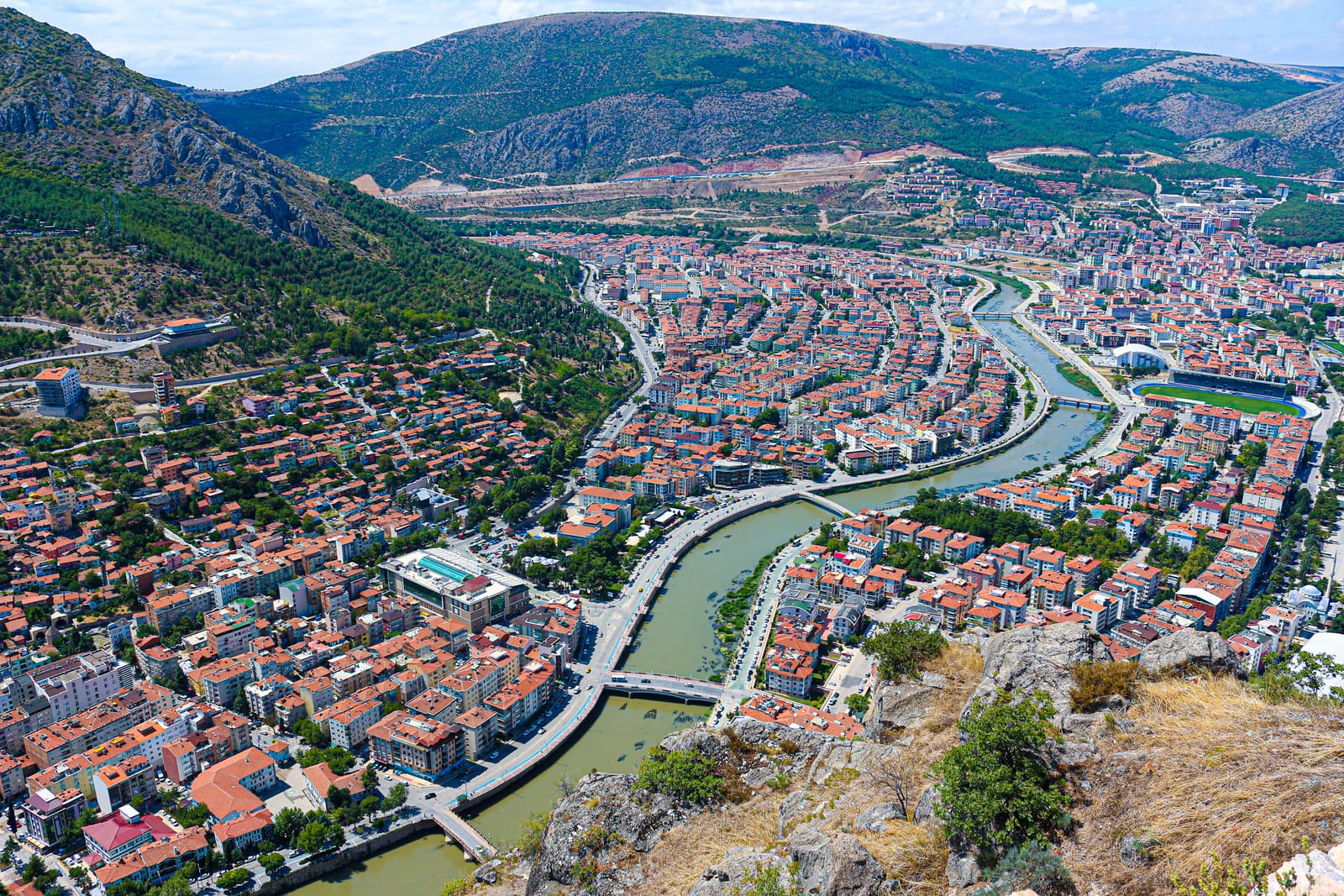
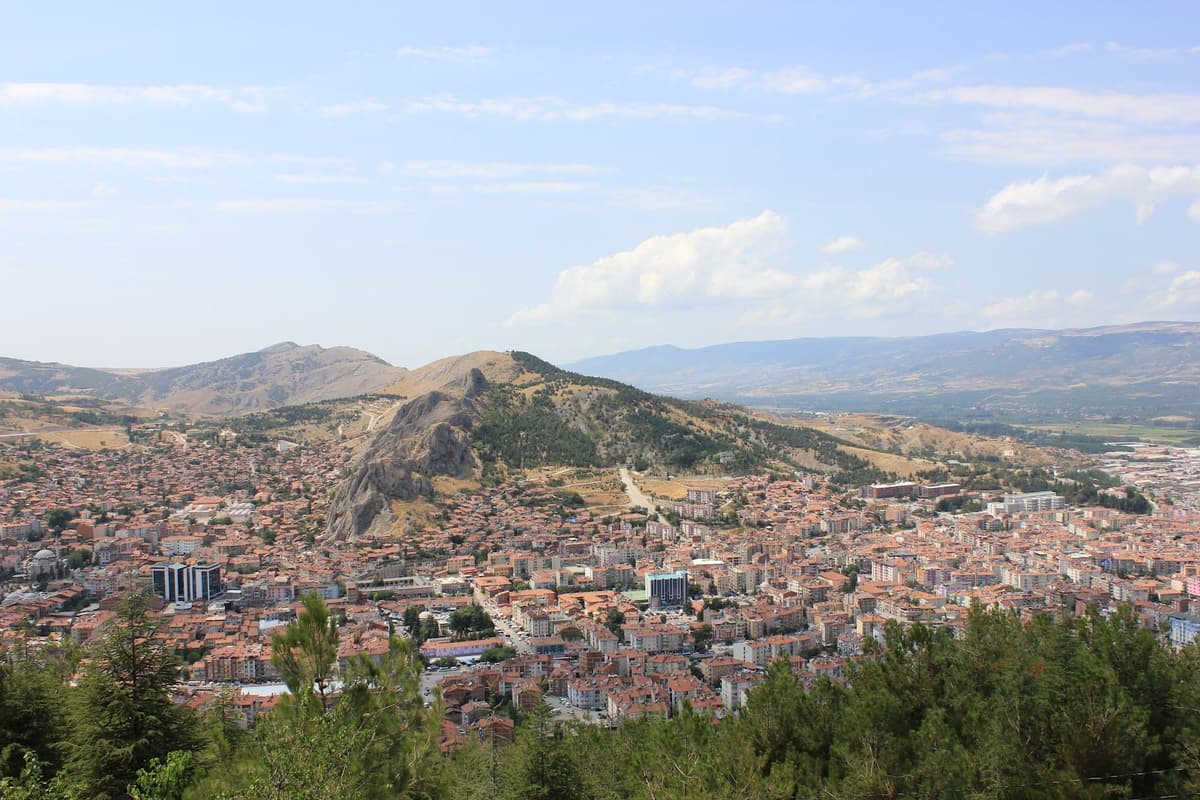
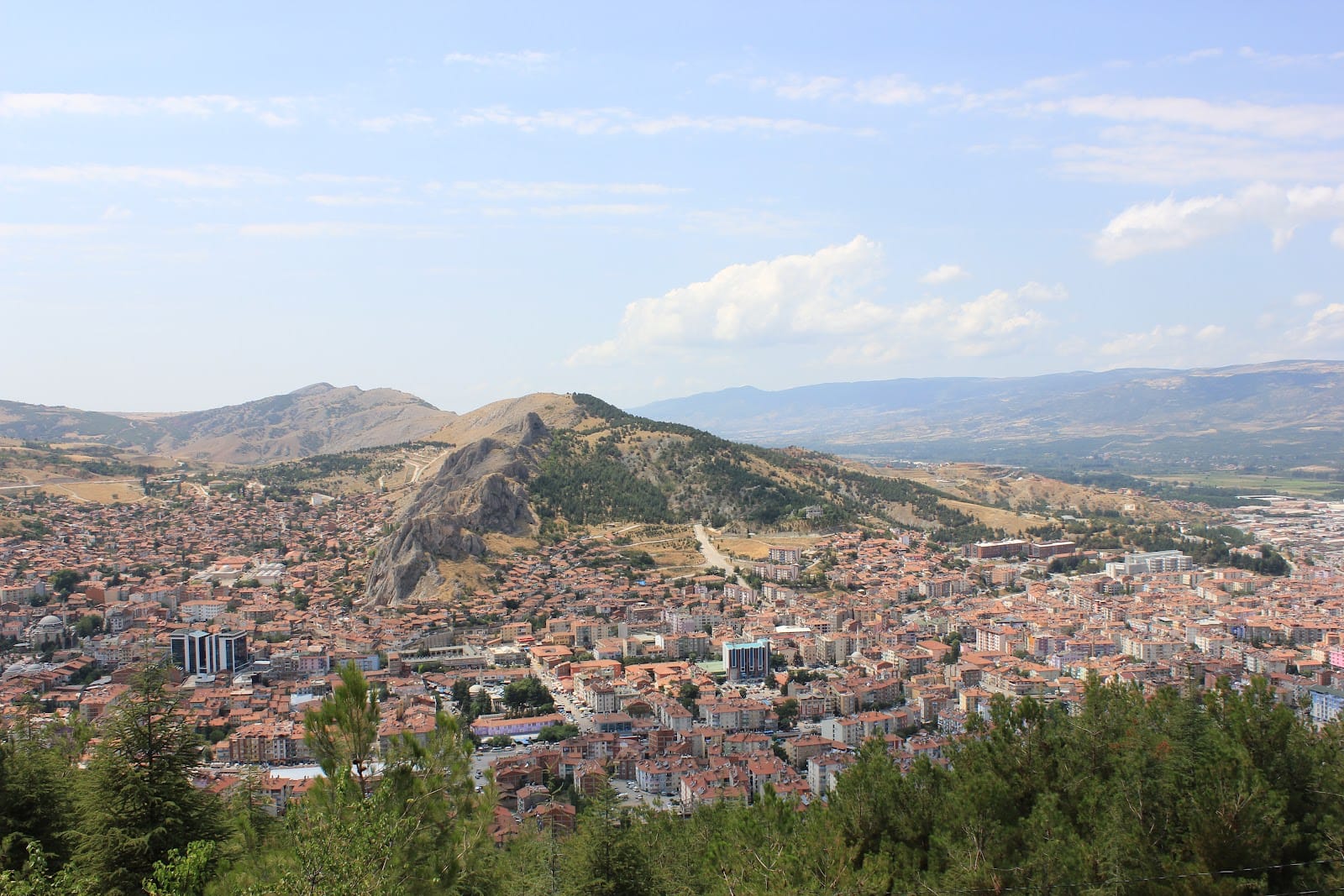
The site lies near the modern town of Gumenek in Tokat province, in the fertile valley of the Iris (Yesilirmak) River. Under Roman rule, Comana was reorganized as a conventional city by Pompey, though the temple cult continued. The cult of Ma was exported westward to Rome, where it became one of the ecstatic oriental religions that transformed Roman religious life.
Archaeological remains include temple foundations, portions of the sacred precinct, and sections of the Roman-period city, though much remains unexcavated beneath agricultural land. The site's significance lies primarily in literary and epigraphic evidence rather than monumental architecture.

Dioecesis Pontica 400 AD Comana Pontica | Cplakidas (CC BY-SA 4.0)
The archaeological remains, centered on the modern village of Gümenek, reveal a substantial urban settlement surrounding the sacred temenos. Excavations have uncovered a gridded street plan, residential buildings, workshops for metal and ceramic production, and a theater, indicating a complex, economically diverse community that supported the temple's needs. The city's wealth was derived not only from pilgrimage and temple revenues but also from its strategic position on a major trade route connecting the Anatolian plateau to the Black Sea coast, facilitating the exchange of goods and religious ideas.
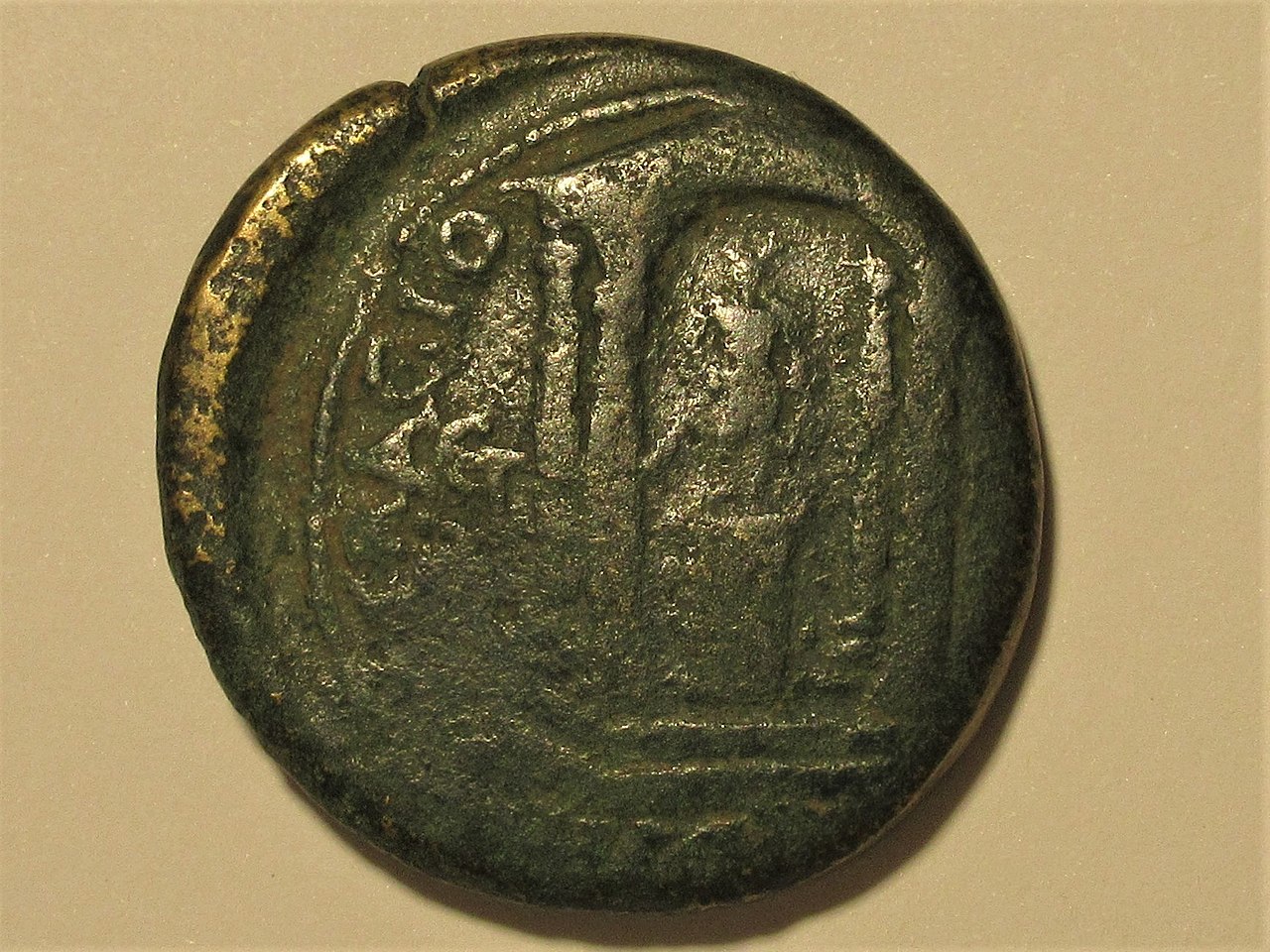
During the Roman Imperial period, particularly under Emperor Caracalla (early 3rd century CE), Comana Pontica was granted the status of a Roman colony (Colonia Comana), minting its own coins and undergoing significant urban renovation. This marked its integration into the Roman administrative system while maintaining its religious prestige. The site's decline began in the late Roman period, likely due to shifts in trade routes and the rising influence of Christianity, which marginalized the pagan cult. The settlement appears to have been largely abandoned by the early Byzantine era, with the temple's stones repurposed in later structures.