Atlas AnatoliaAtlas Anatolia
Roman baths at Sebastopolis

Sebastopolis (Sulusaray)

Sulusaray100 bce – 600 ce
RomanByzantineRomanByzantineTokat

Springs

Natural hot springs with therapeutic properties, still flowing today

Baths

Well-preserved Roman thermal bath complex with caldarium, tepidarium, frigidarium

Name

Sebastopolis — Greek for "Augustus's City"

Engineering

Hypocaust heating system channeling natural hot spring water

Continuity

2,000+ years of therapeutic bathing at the same site

Province

Remote highland location in Tokat province

Sebastopolis demonstrates that Roman civilization was not just an urban Mediterranean phenomenon but extended its characteristic institutions — baths, temples, markets — into the remote highlands of Anatolia.”

Wfrom_wikipedia

Sebastopolis (modern Sulusaray) is a Roman bath city in Tokat with well-preserved thermal bath remains, built around natural hot springs that have attracted settlement for over 2,000 years.

read_wikipedia

overview

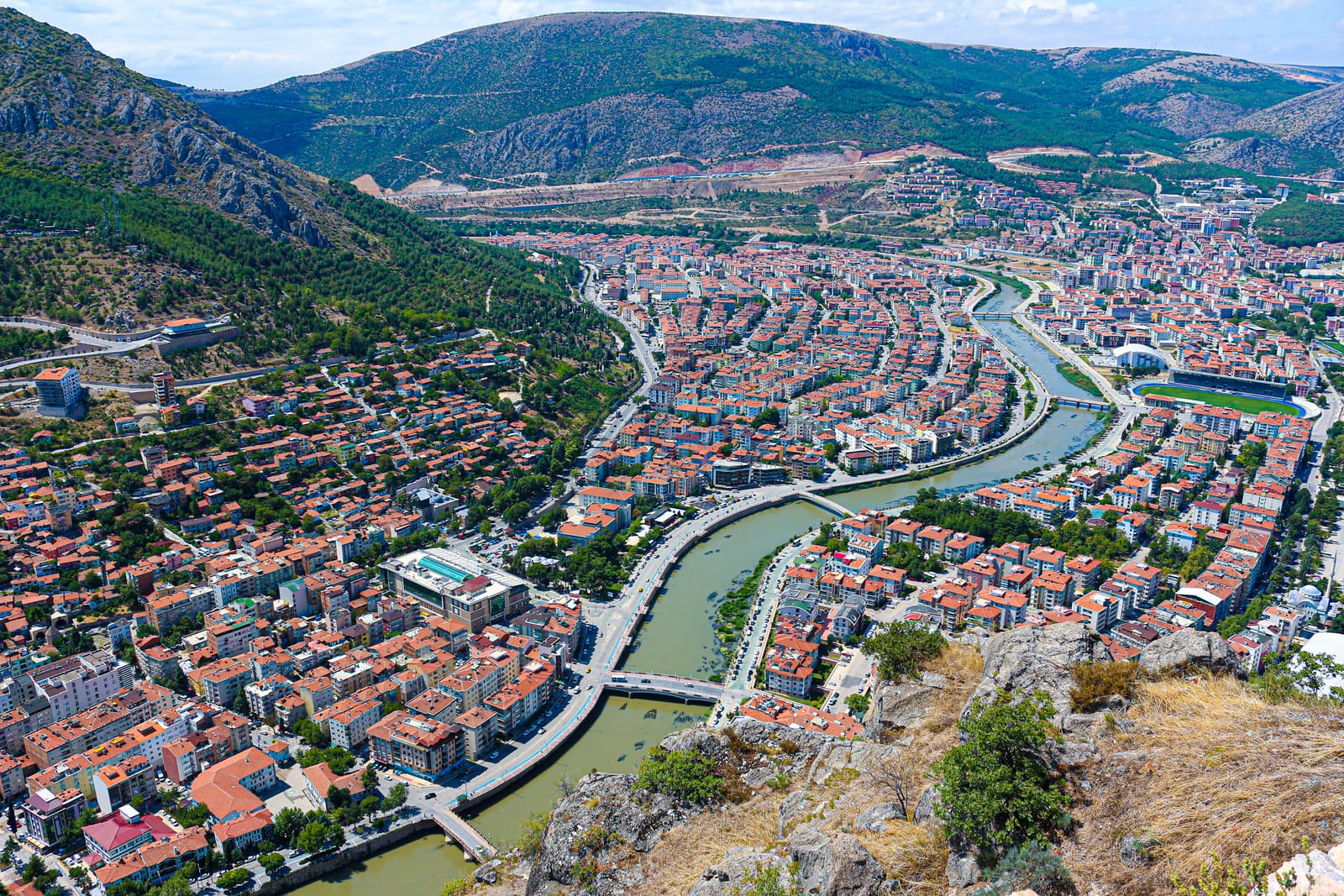
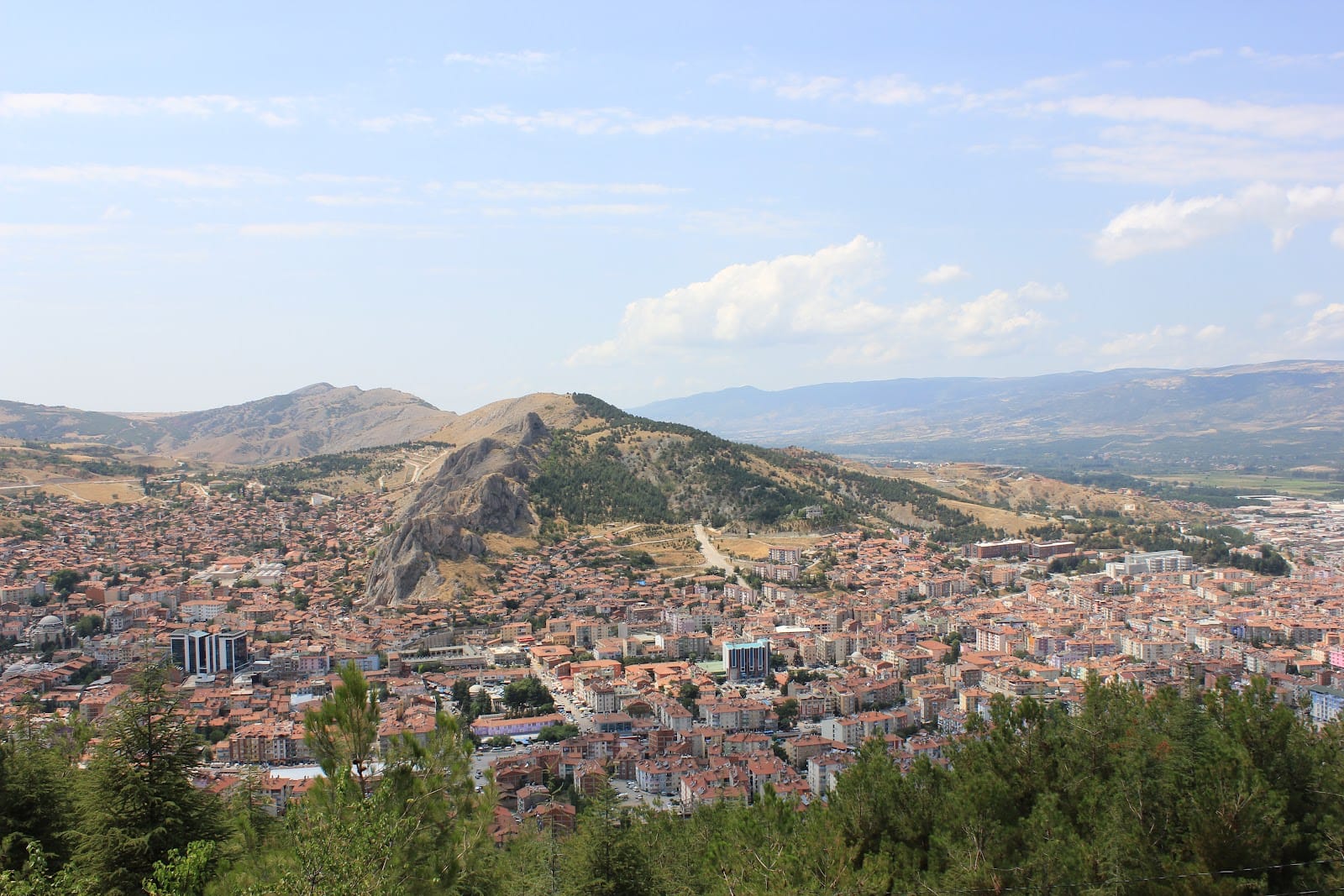
Sebastopolis lies in the rolling highlands of Tokat province near the small town of Sulusaray, a location whose natural hot springs have drawn human settlement since antiquity. The site preserves some of the best-preserved Roman thermal bath remains in northern Anatolia, a reminder that the Roman passion for bathing extended far beyond the famous metropolitan centers to even the most remote corners of the empire. The city was established or refounded in the Roman period, taking the name Sebastopolis (the Greek equivalent of the Latin "Augusta") in honor of the emperor. Its remote location in the Pontic highlands would seem to argue against urban development, but the presence of thermal springs with reputed healing properties made it a destination for those seeking cures — a function analogous to the great Asklepieia of the Greek world, but expressed through the distinctly Roman medium of bath architecture. The surviving bath complex demonstrates sophisticated Roman engineering adapted to exploit the natural hot springs. The caldarium (hot room) channels naturally heated water through a hypocaust system, while the frigidarium (cold room) and tepidarium (warm room) complete the classical bathing sequence. The quality of construction — including brick-and-rubble walls, vaulted ceilings, and mosaic floor fragments — indicates significant imperial or provincial investment in a site whose primary attraction was therapeutic. Beyond the baths, the settlement preserves traces of a Roman street grid, building foundations, and a necropolis. Inscriptions and architectural fragments document temples, administrative buildings, and the infrastructure of a small but functional Roman city serving both the local agricultural population and visitors drawn by the healing waters. The transition to Byzantine rule saw continued use of the baths and settlement, with the addition of Christian churches and modifications to existing buildings. The thermal springs continued to attract visitors, and the Christianization of healing practices at sites like Sebastopolis parallels the broader transformation of Roman therapeutic traditions under Christian influence. Today, the hot springs still flow, and modern Sulusaray maintains a small spa tradition that connects directly to the Roman-era use of the site — a continuity of over two thousand years of therapeutic bathing at the same location.
why_it_matters

Sebastopolis demonstrates that Roman civilization was not just an urban Mediterranean phenomenon but extended its characteristic institutions — baths, temples, markets — into the remote highlands of Anatolia. The preservation of the bath complex in this little-visited location offers an intimate encounter with Roman engineering free from the tourist crowds of more famous sites. The continuous use of the same hot springs from the Roman period to the present creates a rare thread of cultural continuity spanning two millennia. Sebastopolis represents the everyday Roman world — not the grandeur of imperial capitals, but the practical application of Roman building technology to improve daily life in a provincial community.

evidence

evidence_desc

confirmed

3
  • The Roman bath complex preserves its room sequence (caldarium, tepidarium, frigidarium) with surviving hypocaust pillars and wall heating channels, documented through archaeological excavation.
  • Latin and Greek inscriptions from the site confirm the city's name as Sebastopolis and document its administrative and religious institutions during the Roman period.
  • Natural hot springs with mineral content consistent with therapeutic use continue to flow at the site, their temperature and chemistry documented by modern geological surveys.

inferred

2
  • The investment in a substantial bath complex at this remote highland location indicates the therapeutic reputation of the hot springs was sufficient to attract imperial or provincial funding.
  • The continuation of bathing traditions from Roman through Byzantine to modern periods suggests an unbroken cultural recognition of the springs' therapeutic value spanning over two millennia.

debated

1
  • Whether Sebastopolis functioned primarily as a therapeutic destination or as a conventional Roman administrative center that happened to have hot springs is debated based on the limited excavation evidence.

excavation

1992

Initial archaeological survey

First systematic documentation of the Roman bath complex, settlement area, and necropolis established the site's significance as one of the best-preserved Roman bath sites in northern Anatolia.

2000

Bath complex excavation

Detailed excavation of the thermal baths revealed the hypocaust system, room sequence, and the engineering solutions for channeling natural hot spring water through the bathing facilities.

2008

Inscription recovery

Recovery of Latin and Greek inscriptions from the settlement area documented the city's administrative status, temple dedications, and the names of Roman officials.

2015

Geophysical survey

Ground-penetrating radar survey revealed the buried extent of the Roman settlement, including previously unknown building foundations and the city street grid.

2020

Conservation assessment

Structural and conservation assessment of the bath complex recommended stabilization measures and improved site presentation for increasing visitor interest.

more_photos

artifacts

Community Photos

Share your experience

Have you visited this site? Upload your photos to help others discover it.

location

related_sites

sources

  • Roman Baths in Pontus: Sebastopolis and its Thermal ComplexHaluk Abbasoğlu (2010)
  • Roman Bathing: Architecture and Social PracticeFikret Yegül (2010)
  • Wikipedia — Sebastopolis (Pontus)link

papers