Overview
Sardis (modern Sart) in Manisa Province was the capital of the Lydian Kingdom from approximately the 7th to the 6th century BCE. Under King Croesus (reigned c. 560–546 BCE), Sardis was one of the wealthiest cities in the ancient world.
The Lydians of Sardis are credited with being among the first people to mint coins, around 600 BCE, using electrum (a natural gold-silver alloy) found in the nearby Pactolus River. This innovation transformed commerce across the ancient Mediterranean.
"Sardis is a great city, and the Lydians are the first people we know of to have struck and used gold and silver coinage."
— Herodotus, c. 440 BCE
The site's most prominent surviving monument is the Temple of Artemis, one of the largest Ionic temples ever built. Though never completed, its standing columns remain impressive. The city also contains a remarkably well-preserved Roman-era synagogue, one of the largest ancient synagogues known, with elaborate mosaic floors and marble decoration.
Sardis continued as an important city through the Roman and Byzantine periods before its destruction during Tamerlane's campaigns in 1402.

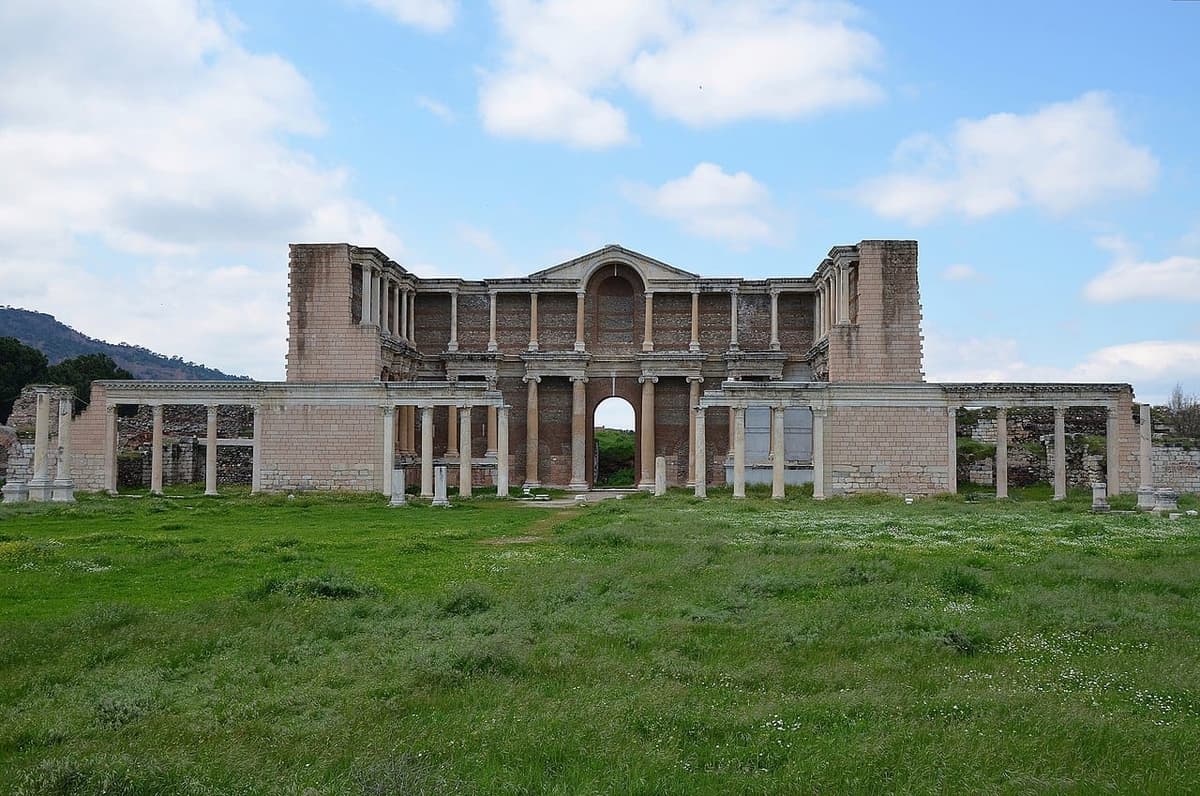
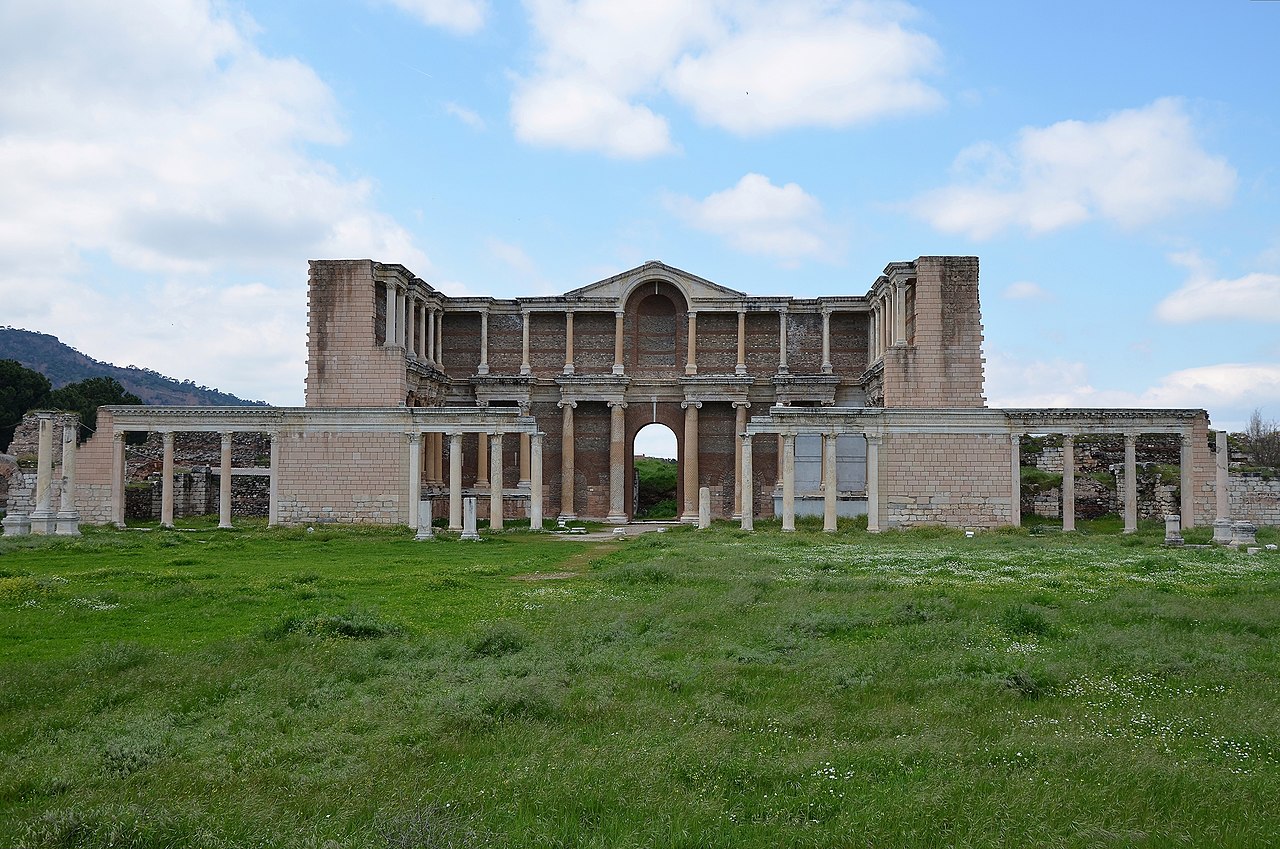
The Bath-Gymnasium complex at Sardis, late 2nd - early 3rd century AD, Sardis, Turkey (17098680002) | Carole Raddato from FRANKFURT, Germany (CC BY-SA 2.0)
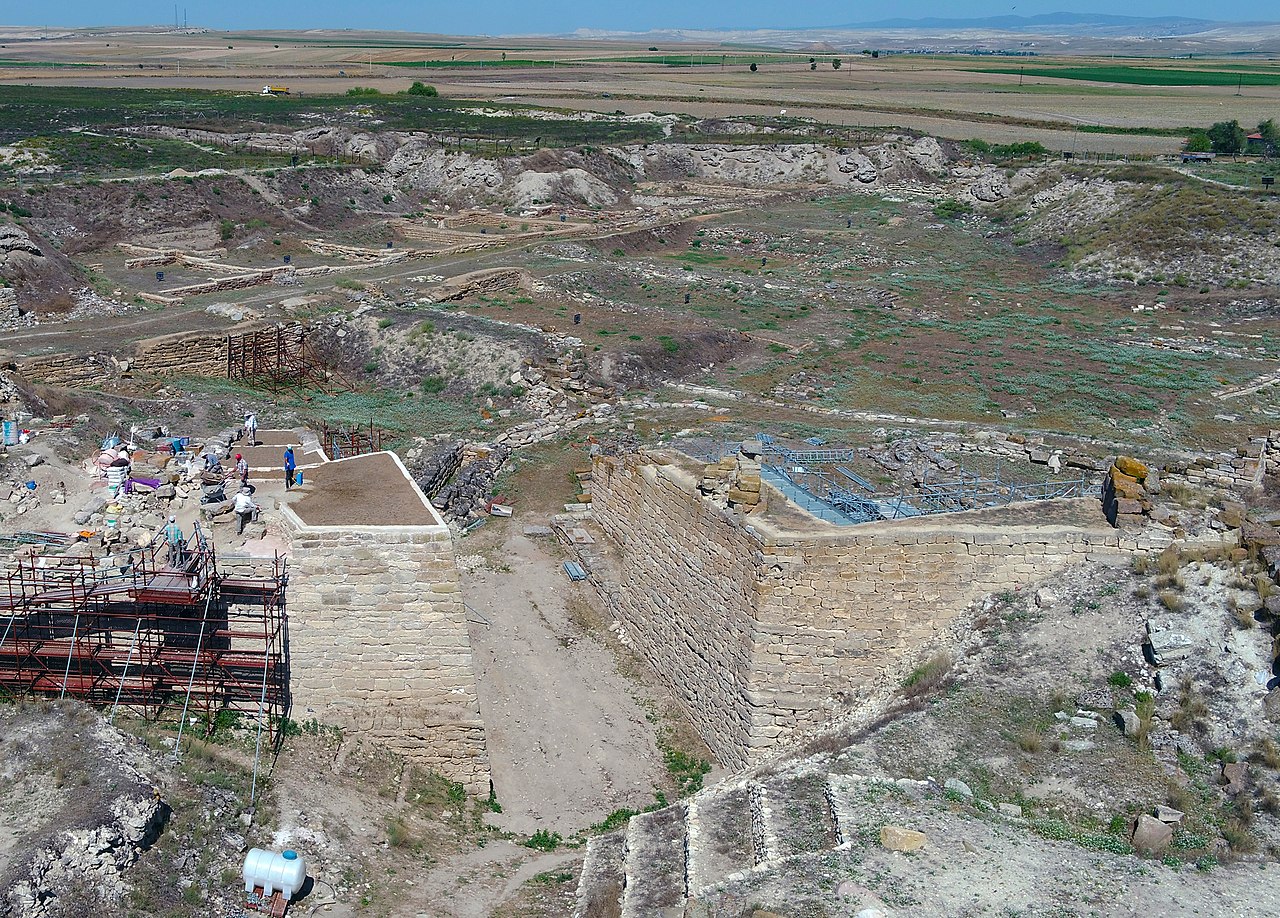
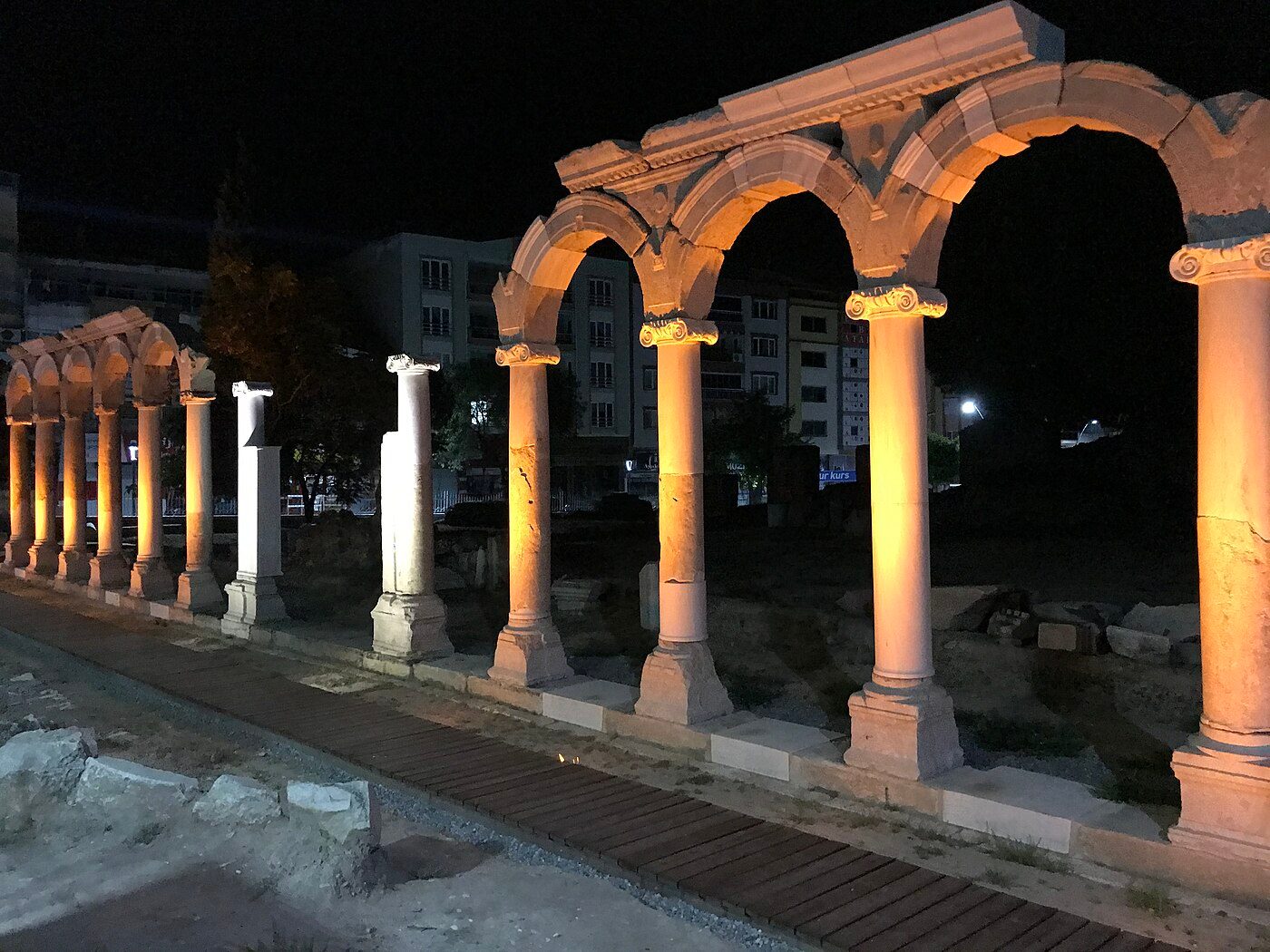
The city's urban fabric reveals a sophisticated society. Excavations have uncovered extensive Lydian residential and industrial quarters, including workshops for pottery, metalworking, and textile production, particularly the dyeing of wool, a major Lydian industry. The city's fortifications, including a massive mudbrick wall on the Acropolis, attest to its strategic importance. Following its capture by Alexander the Great in 334 BCE, Sardis became a major Hellenistic and later Roman provincial capital. This later phase is marked by monumental construction, including a vast bath-gymnasium complex and a marble-paved colonnaded avenue, transforming the city into a classic example of Roman urbanism in Asia Minor. Sardis remained a significant Byzantine center until its decline following its capture by the Turco-Mongol ruler Timur in 1402 CE, after which it was largely abandoned.