Overview
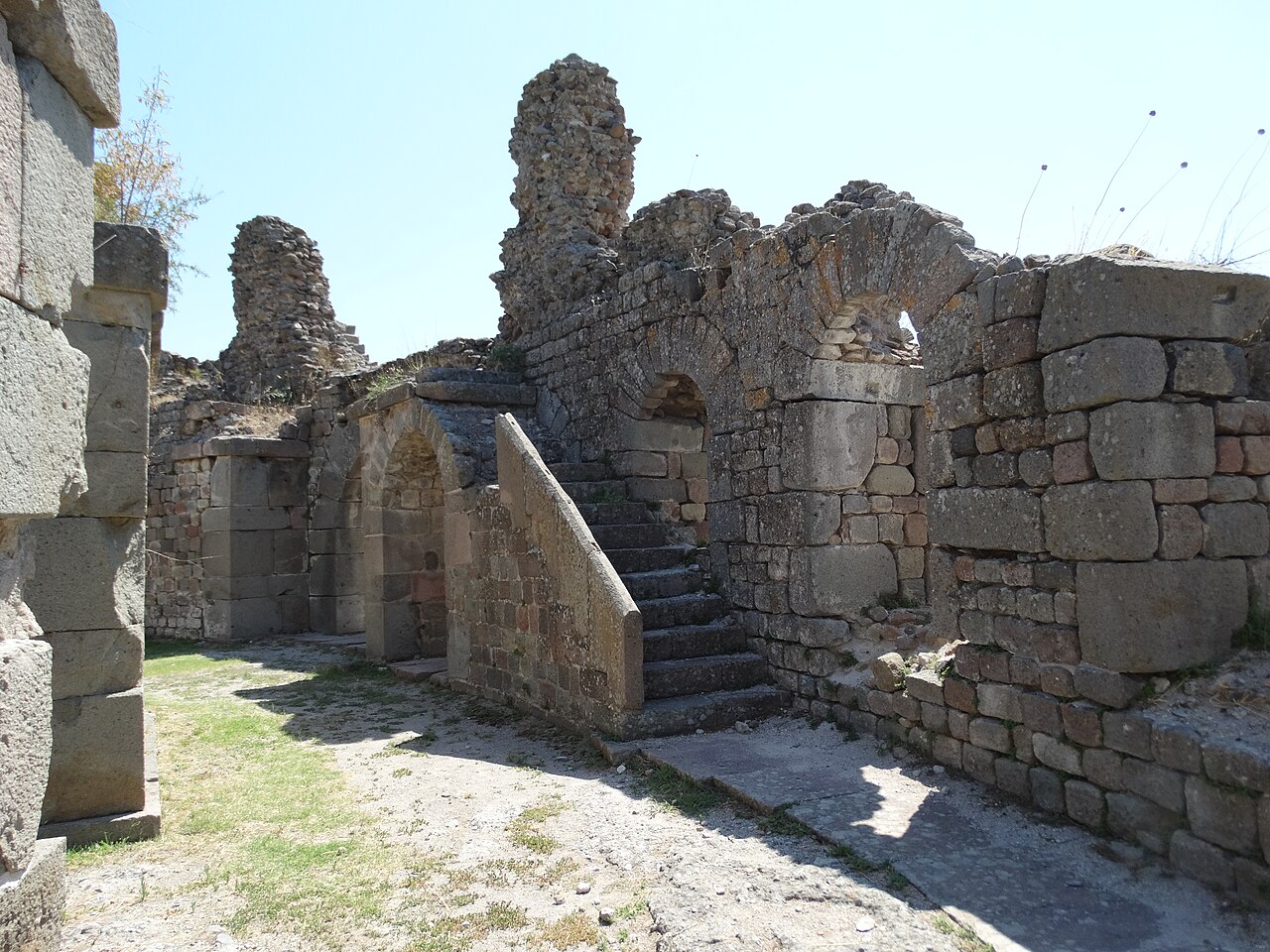
Pergamon, located at modern Bergama in İzmir Province, was the capital of the Attalid Kingdom (281–133 BCE) and one of the most important cultural centers of the Hellenistic world.
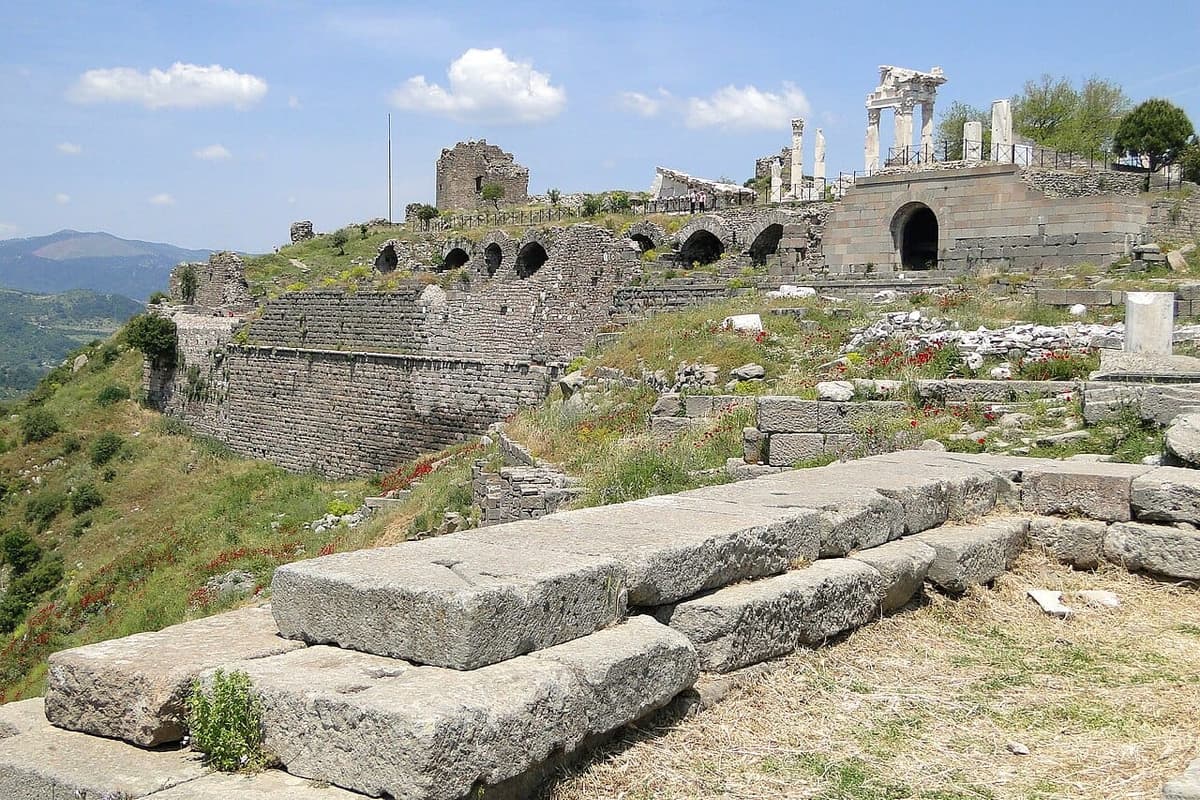
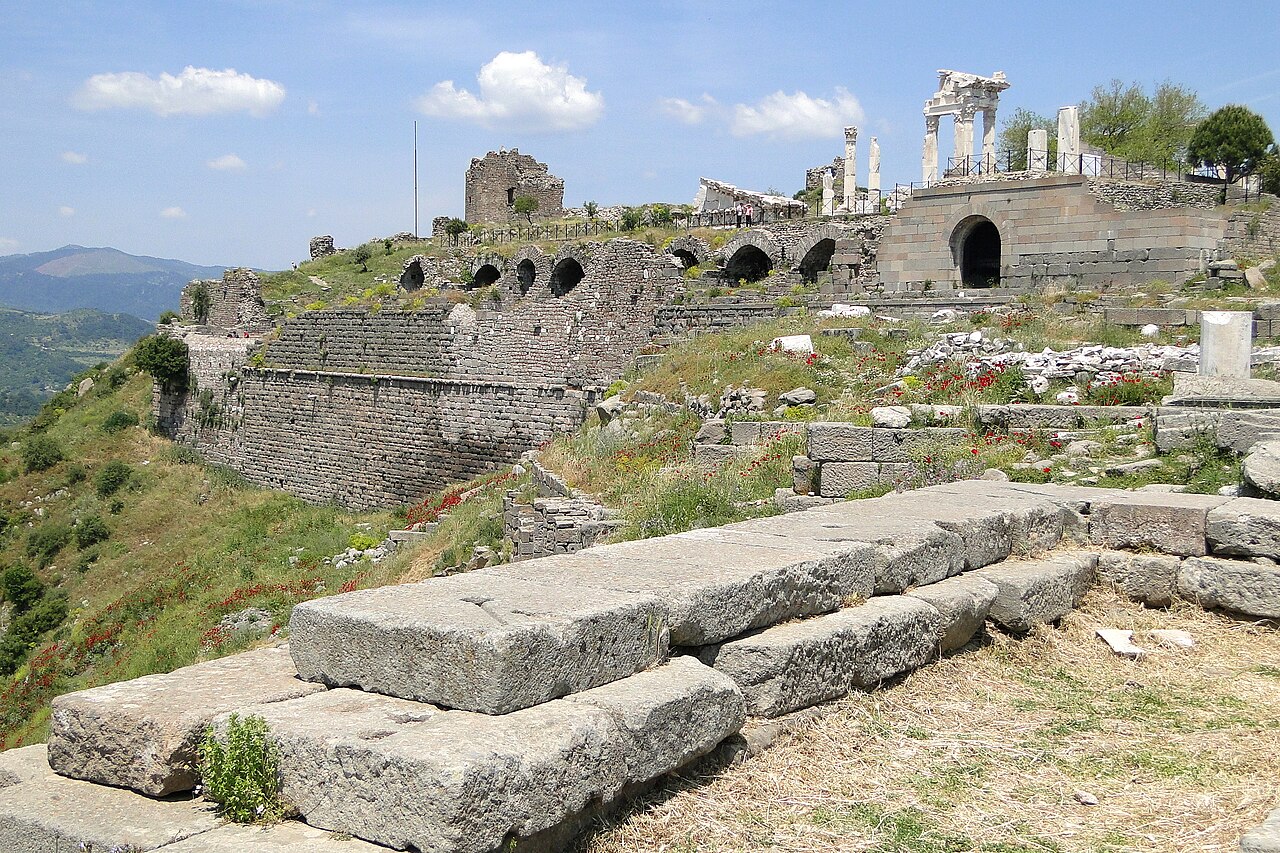
The city's acropolis, rising 335 meters above the surrounding plain, held monumental buildings including the Great Altar of Zeus (now partially reconstructed in the Pergamon Museum in Berlin), a theatre carved into the steep hillside with seating for 10,000, a library said to have held 200,000 volumes, and the Temple of Athena.
"Here at Pergamon there is a magnificent library, and Eumenes II has such a passion for books that he rivals Ptolemy."
— Varro, Rerum Rusticarum, 1st century BCE
The Asclepion, located in the lower city, was one of the ancient world's most famous healing centers. It functioned as a combination of hospital, spa, and religious sanctuary dedicated to the healing god Asclepius. The physician Galen, one of the most influential medical writers in history, practiced here in the 2nd century CE.
Pergamon is also credited with the development of parchment (pergamene), reportedly invented when Egypt cut off papyrus exports.

Berlin - Pergamonmuseum - Altar 01 | Lestat (Jan Mehlich) (CC BY-SA 3.0)
Beyond its monumental core, Pergamon was a sprawling, terraced city with distinct residential quarters, agoras, and extensive fortifications. Its economy was bolstered by agriculture, textile production (notably parchment, or 'pergamena'), and its role as a trade hub connecting the Aegean coast with the Anatolian interior. The city prospered under Roman rule, with emperors like Trajan and Hadrian adding significant structures, including the massive Trajaneum temple on the acropolis and the sprawling 'Red Hall' complex in the lower city. Following its sacking by the Goths in the 3rd century CE, Pergamon transitioned into a significant Byzantine bishopric and later a Seljuk and Ottoman center, with the modern town of Bergama preserving its legacy within the archaeological layers.