Overview
Thyatira, modern Akhisar in Manisa province, was an important Hellenistic and Roman city in the Lycus River valley of western Anatolia. Founded as a Seleucid military colony around 290 BCE by Seleucus I Nicator, the city was strategically positioned on the road between Pergamon and Sardis, serving as a garrison town guarding the approach to the Hermus valley.
The city rose to commercial prominence under Roman rule, becoming one of the most industrious trade centers in the province of Asia. Thyatira was especially celebrated for its purple dye industry and textile manufacturing. Ancient inscriptions reveal an extraordinary density of trade guilds — more than any other city in Roman Asia Minor — including guilds of dyers, wool workers, linen weavers, tanners, potters, bakers, and bronze smiths. The purple dye produced here, extracted from the madder root rather than the far more expensive murex shellfish, made Thyatira's textiles affordable and widely traded across the Mediterranean world.
"Thyatira is a city of Lydia, named after Thyatira, the daughter of the king of Lydia."
— Strabo, Geography (c. 20 CE)
Thyatira holds a special place in biblical history as both one of the Seven Churches of Asia addressed in the Book of Revelation (Revelation 2:18-29) and as the home city of Lydia, described in Acts 16:14 as a seller of purple cloth from Thyatira who became the first documented European convert to Christianity when she encountered the Apostle Paul in Philippi. The letter to the church at Thyatira in Revelation is the longest of the seven letters, addressing issues of prophecy, tolerance, and moral compromise.
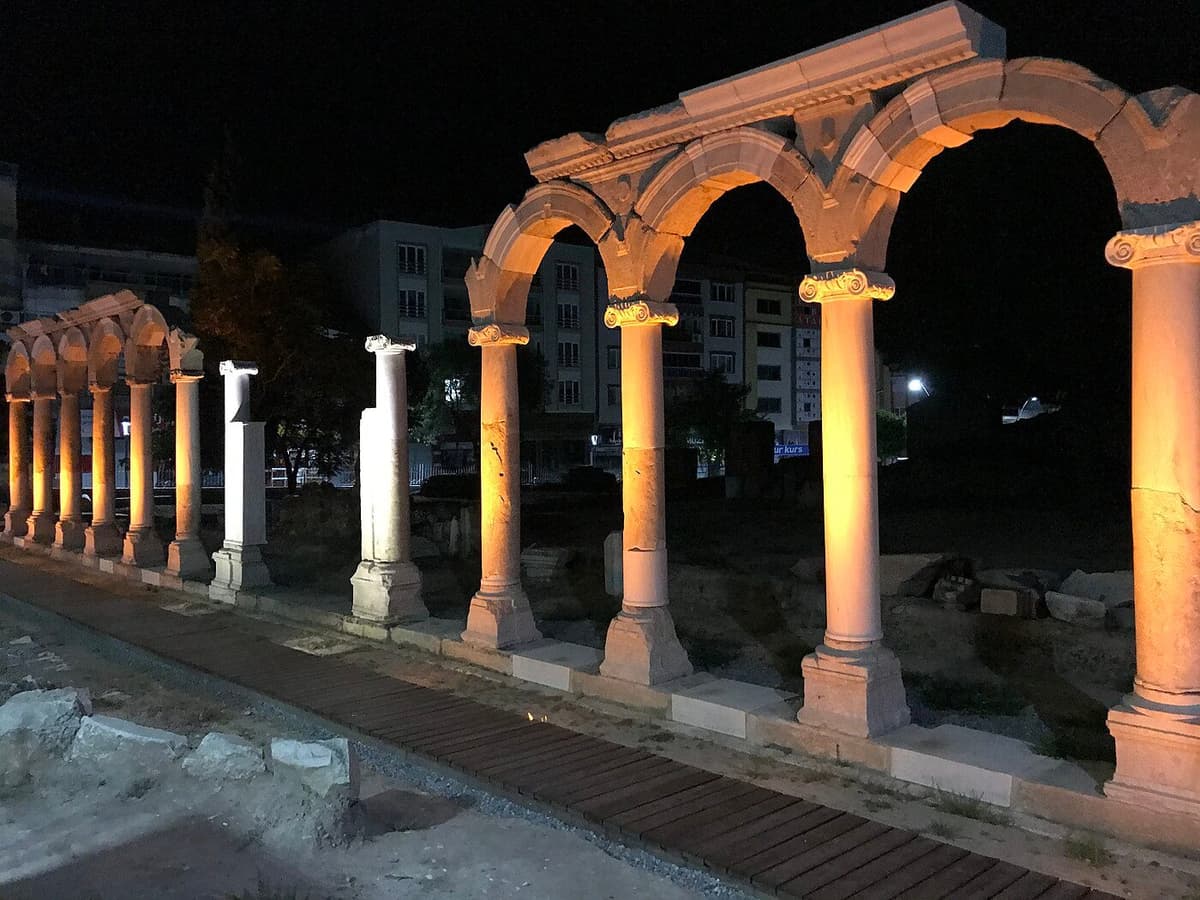
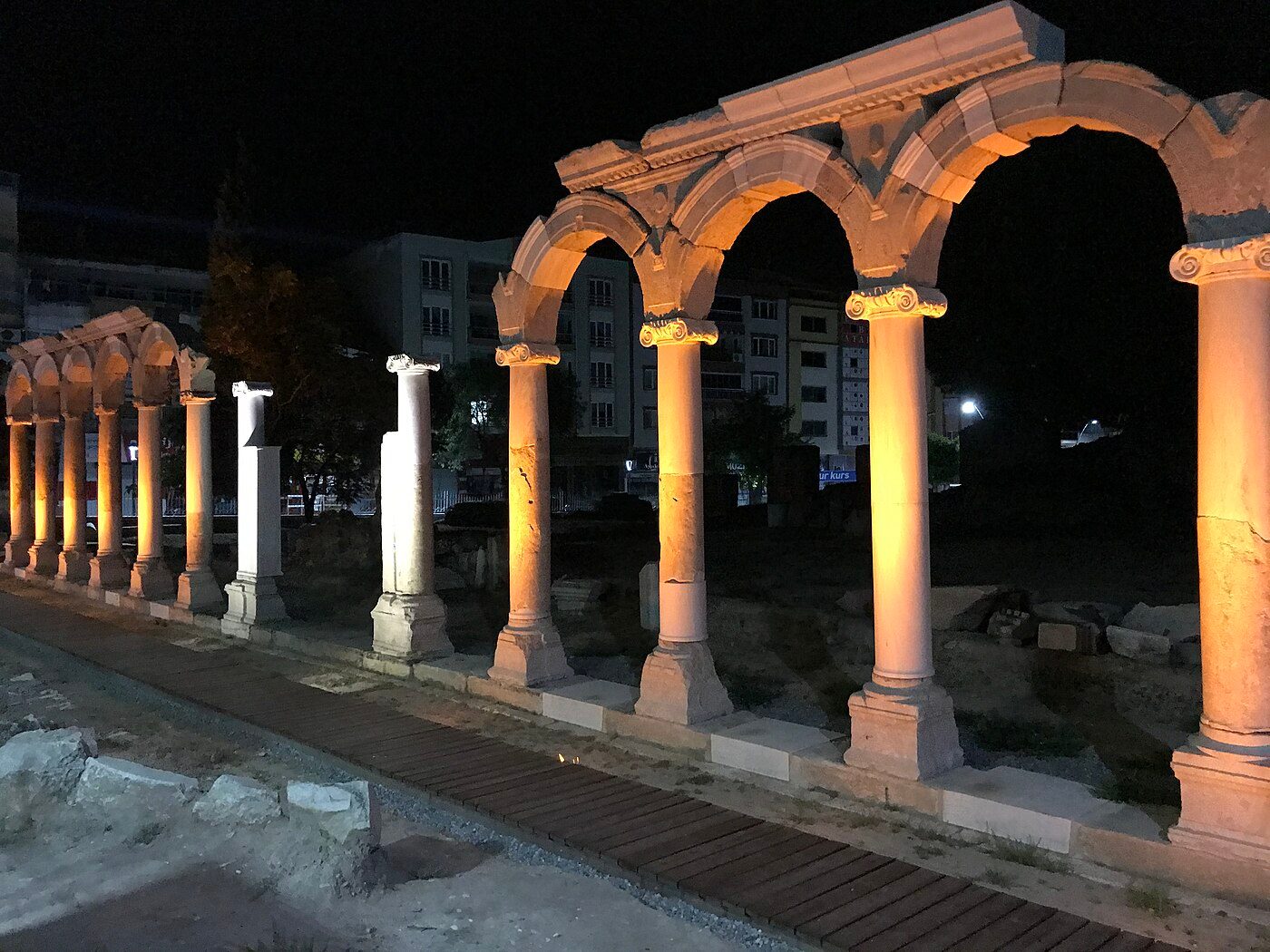
Archaeological remains in modern Akhisar are limited due to continuous urban occupation, but excavations have revealed portions of a colonnaded Roman street, a public basilica, and numerous inscriptions documenting the city's guilds and civic life. The site's stratigraphy preserves Hellenistic through Byzantine layers beneath the modern Turkish town, which has been an important agricultural center since Ottoman times.

Akhisar Turkey 1890 engraving | unknown - uploaded in external web site by Mr. M. Canbalaban (CC BY-SA 3.0)