Overview
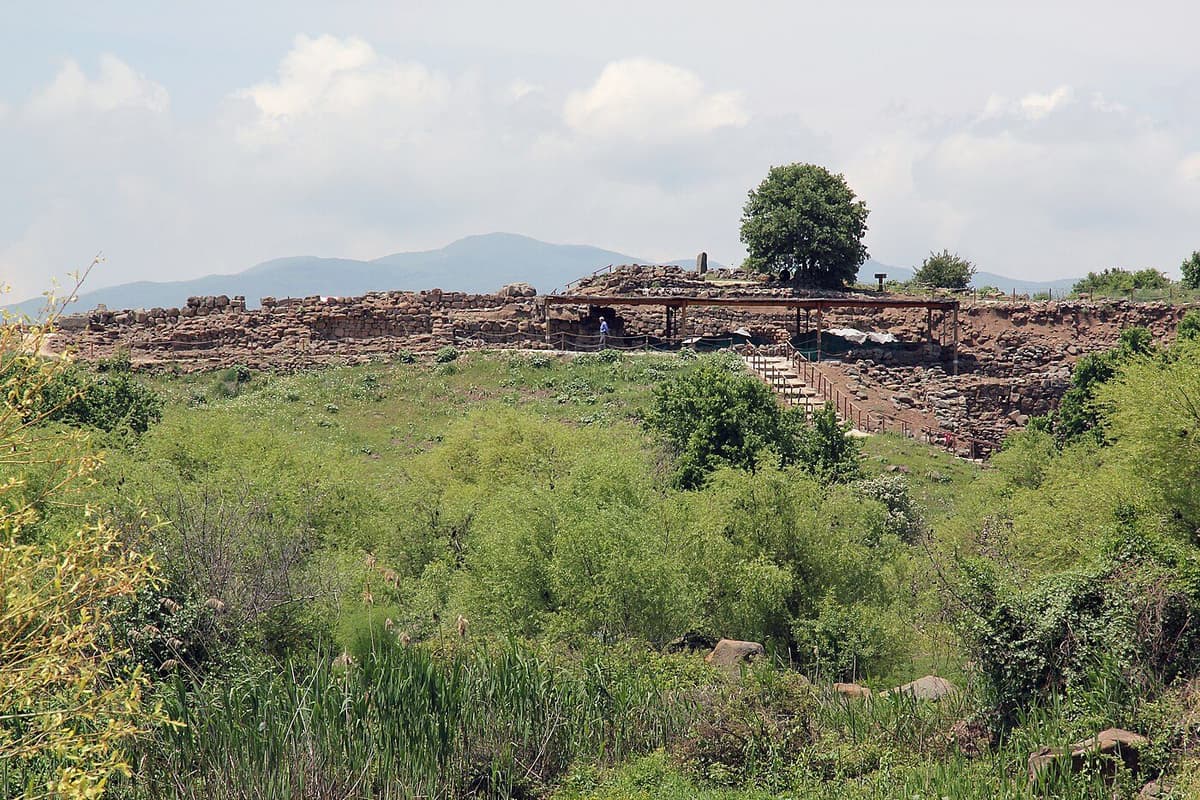
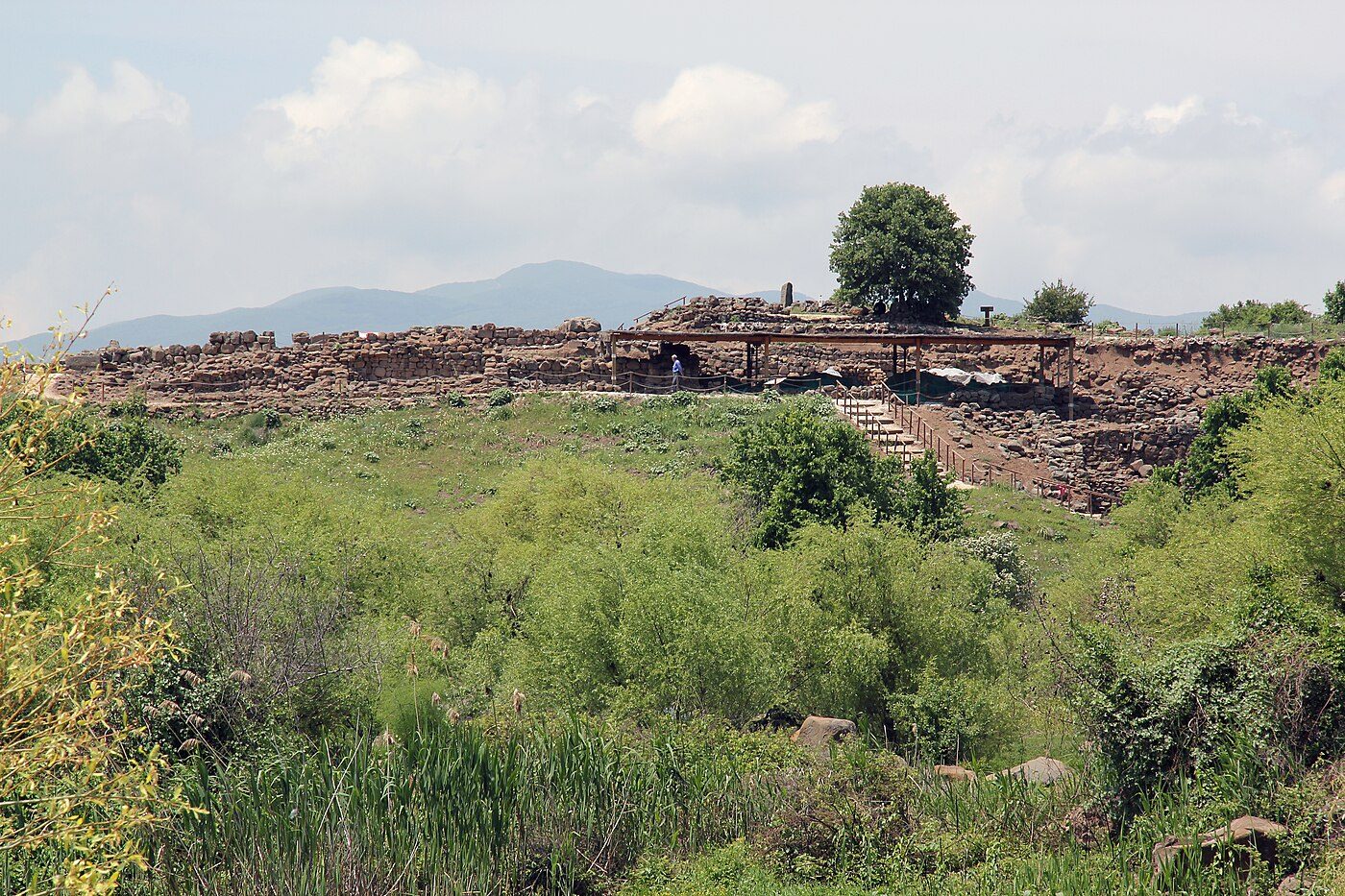
Tilmen Hoyuk is a major Bronze Age archaeological mound located in the Islahiye valley of Gaziantep province, commanding a strategic position along the ancient route connecting Mesopotamia to the Mediterranean through the Amanus mountain passes. The site preserves one of the most completely documented Middle Bronze Age (c. 2000-1600 BCE) fortified palace complexes in the entire Near East, offering an extraordinary window into urban planning, monumental architecture, and political organization during this formative period.
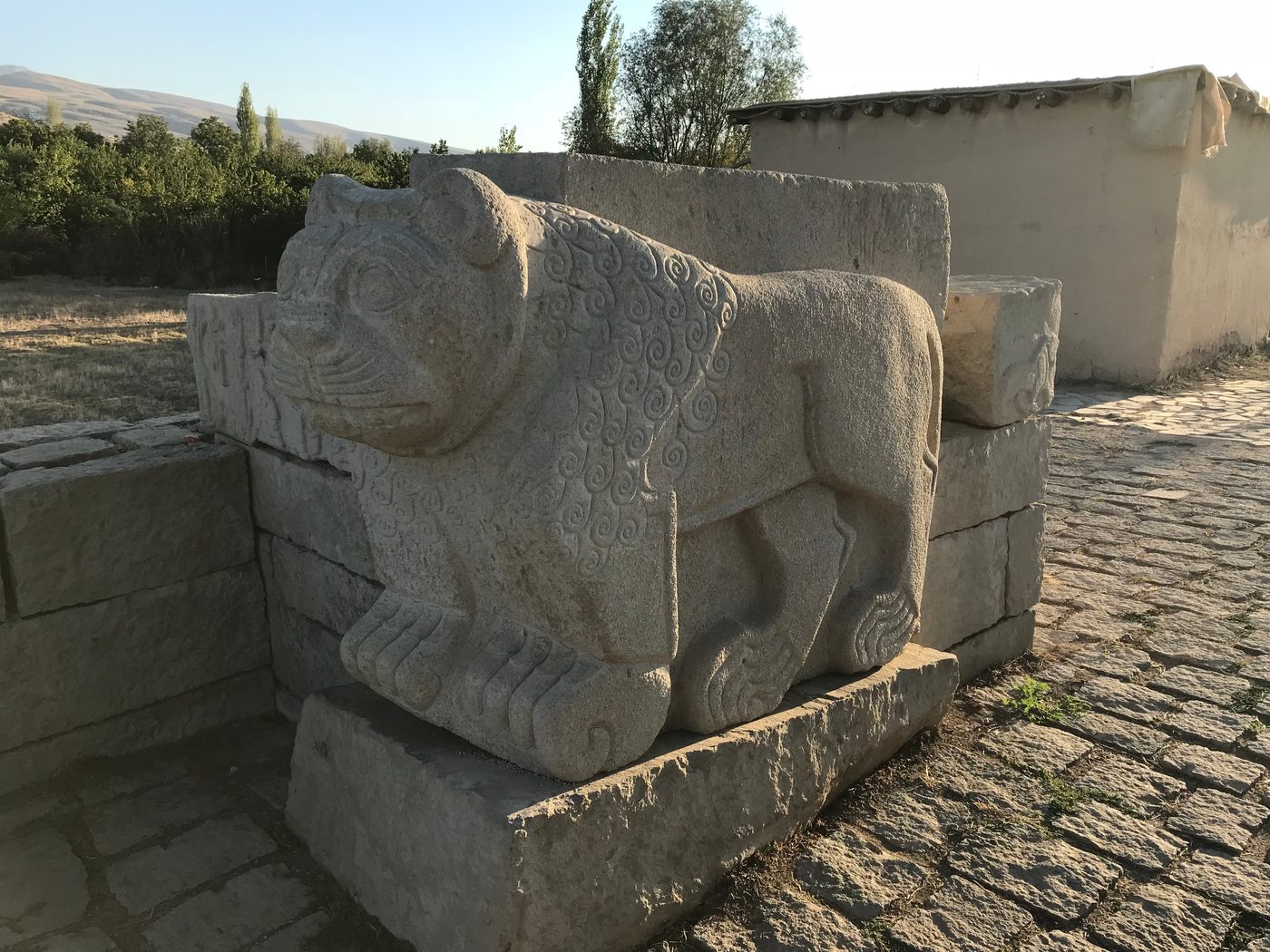
The citadel at Tilmen Hoyuk was surrounded by massive stone fortification walls with projecting towers, enclosing an area that included a monumental palace, temple structures, residential quarters, and storage facilities. The main gateway to the citadel was flanked by carved lion orthostats — upright stone slabs with sculptural reliefs — establishing a tradition of guardian lion figures that would later become characteristic of Hittite and Neo-Hittite architecture throughout Anatolia.
"The land of Hahhum, a city on the Euphrates, was conquered by the Hittite king Hattusili I."
— Annals of Hattusili I (c. 1650–1620 BCE)
The palace complex is particularly impressive, featuring a series of formal reception rooms arranged around central courtyards in a pattern that reflects Syro-Mesopotamian architectural conventions. The quality of stonework and the scale of construction indicate that Tilmen was the seat of a substantial regional polity, likely controlling trade through the Amanus passes between the Amuq plain and the Cilician lowlands during the Middle Bronze Age.
Excavations have recovered a rich material culture including cylinder seals of Mesopotamian style, bronze weapons, ceramic vessels showing connections to both Syrian and Anatolian traditions, and administrative artifacts suggesting a literate bureaucracy. The site was violently destroyed around 1600 BCE, possibly in connection with the Hittite expansion southward under Hattusili I or Mursili I, and was never reoccupied on the same scale, preserving the Bronze Age levels in remarkable condition.