Atlas AnatoliaAtlas Anatolia
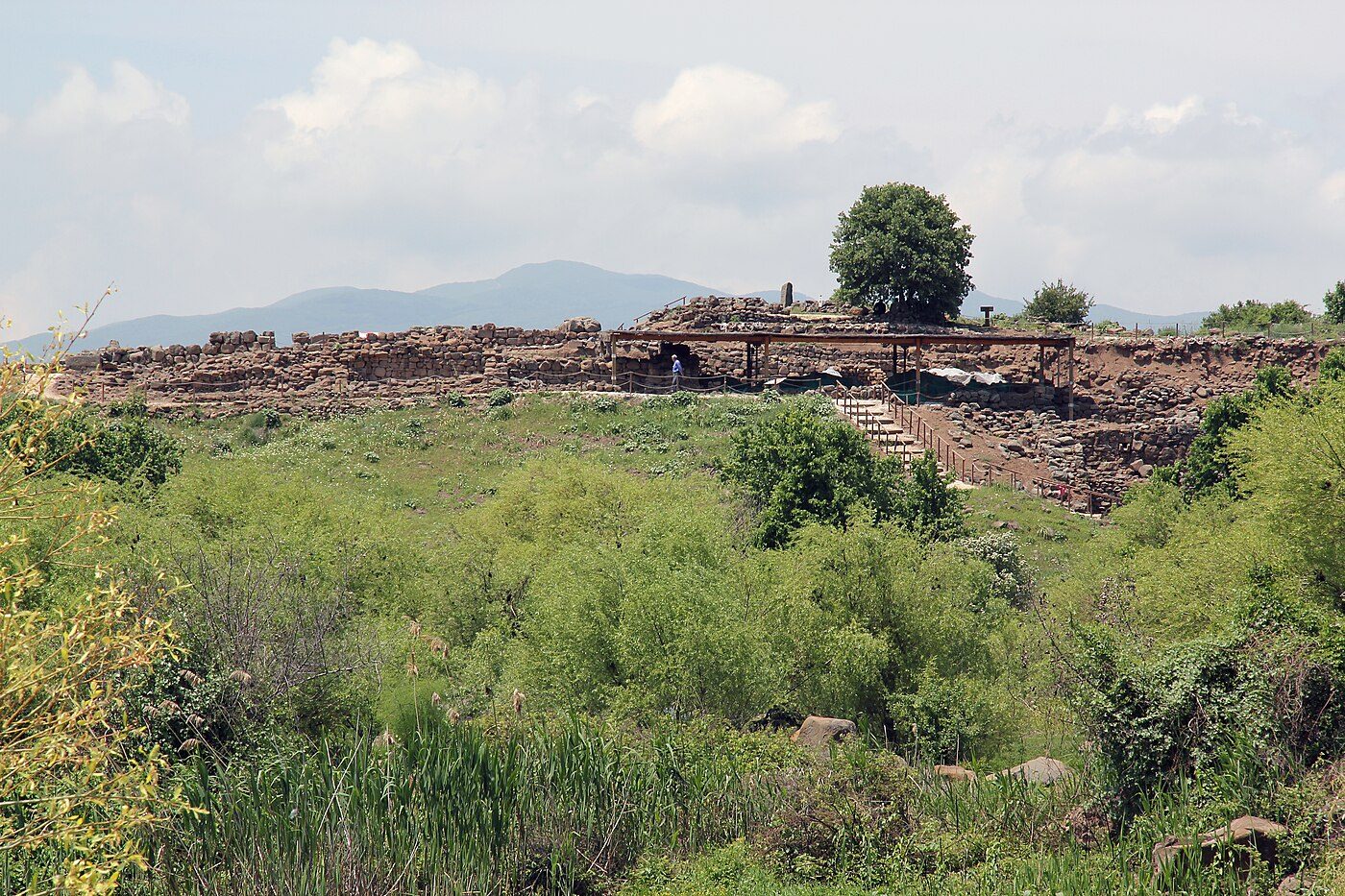
The monumental Arslantepe mound rising above the Malatya plain

Arslantepe

5000 bce – 100 ce
NeolithicBronze AgeHittiteMalatya

UNESCO

World Heritage Site since 2021

Earliest Swords

Arsenical copper swords, c. 3300-3000 BCE

State Formation

Evidence of one of world's earliest proto-states

Depth

30-meter mound, 7,000+ years of habitation layers

Arslantepe has transformed our understanding of how complex societies and state-level organization emerged.”

Wfrom_wikipedia

Arslantepe is a UNESCO World Heritage tell in Malatya containing the world's earliest known swords and evidence of one of the first state formations, spanning over 7,000 years.

read_wikipedia

overview

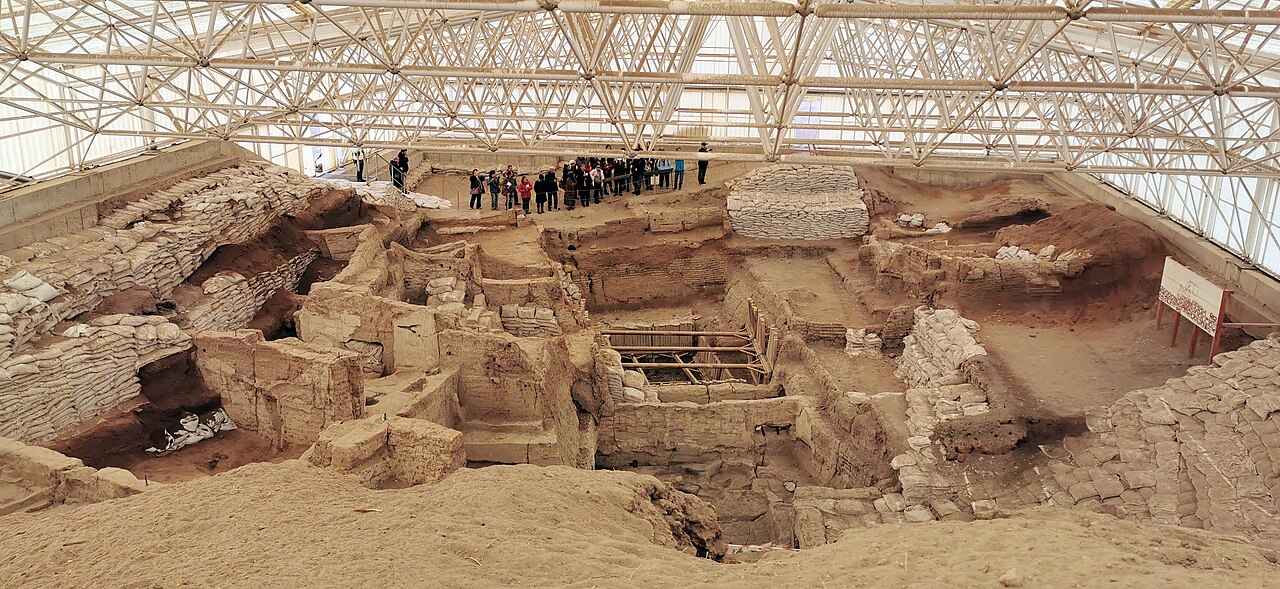
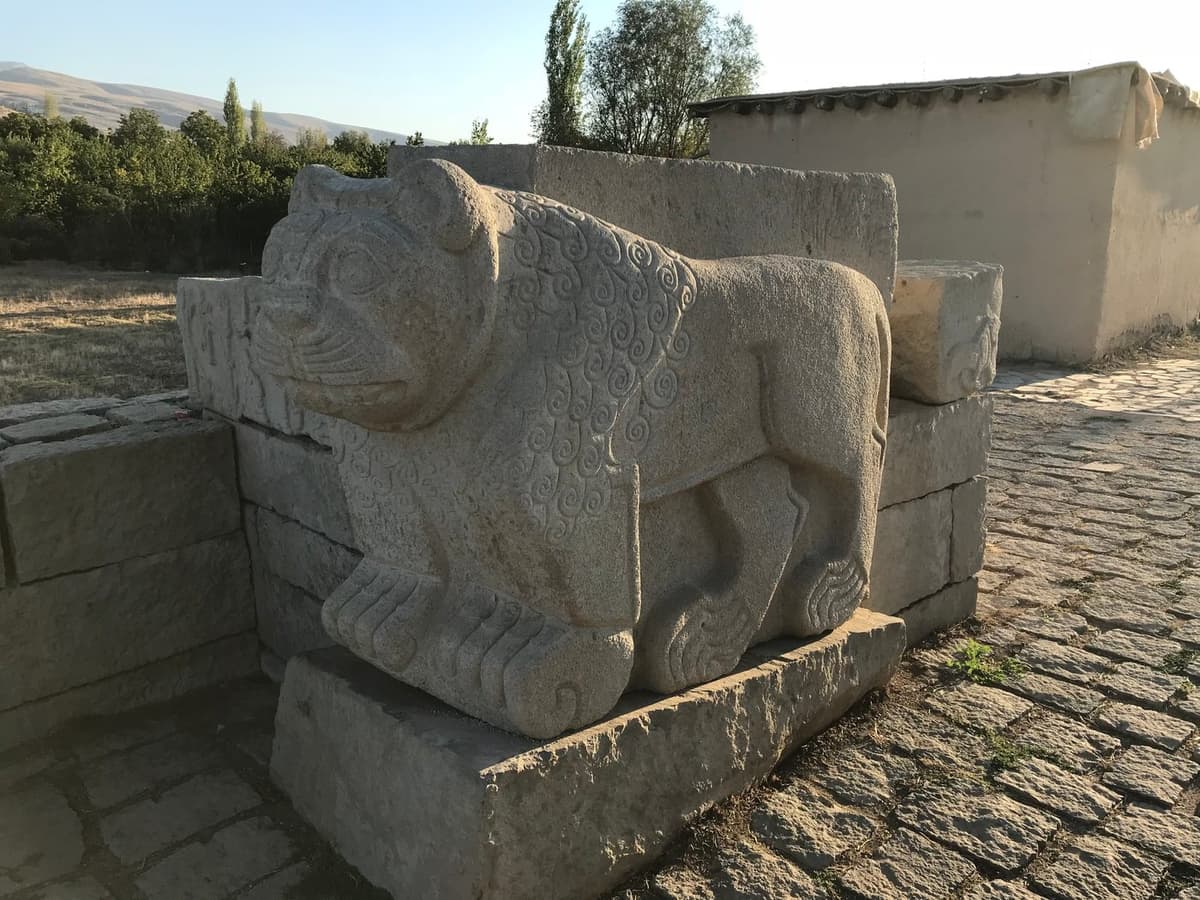
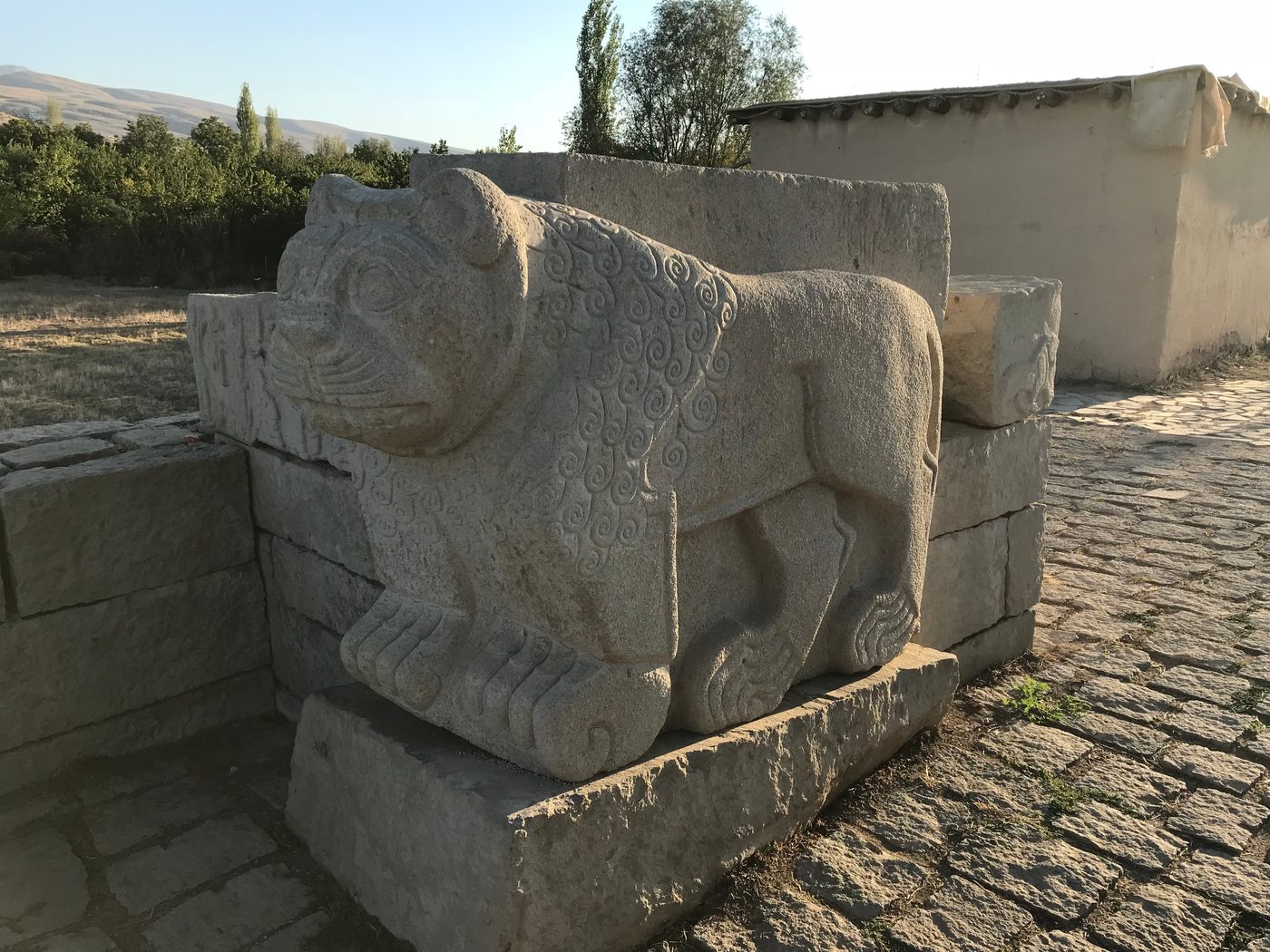
Arslantepe is a monumental tell (artificial mound) rising 30 meters above the Malatya plain in eastern Anatolia, containing layer upon layer of human habitation spanning over 7,000 years. Inscribed as a UNESCO World Heritage Site in 2021, the site has fundamentally changed scholarly understanding of early state formation and metallurgical innovation. The most revolutionary discoveries at Arslantepe date to the late 4th millennium BCE (Late Chalcolithic/Early Bronze Age transition), when the site hosted what appears to be one of the earliest proto-state societies in the world. A monumental palace complex from this period, featuring wall paintings, storage rooms with thousands of seal impressions, and centralized distribution systems, provides evidence of a sophisticated administrative apparatus predating Mesopotamian state models. Most remarkably, Arslantepe yielded the earliest known swords — arsenical copper weapons over 60 centimeters long, dating to approximately 3300-3000 BCE. These weapons, too long to be mere daggers, represent a conceptual leap in metallurgical technology and warfare. The swords were found alongside other metal objects in what appears to be a royal tomb or ritual deposit. In later periods, Arslantepe became Melid, capital of a Neo-Hittite kingdom. The site's name derives from stone lion sculptures (arslan = lion in Turkish) found at the Neo-Hittite level. The mound continued to be occupied through Roman times, creating one of the most complete archaeological sequences in the ancient Near East.

why_it_matters

Arslantepe has transformed our understanding of how complex societies and state-level organization emerged. The evidence here suggests that centralized political authority may have developed in parts of eastern Anatolia independently of, or even earlier than, the better-known Mesopotamian civilizations. The world's earliest known swords from Arslantepe mark a pivotal moment in military technology and human conflict. Combined with the administrative seals and palace architecture, they paint a picture of an elite warrior class at the dawn of urban civilization — millennia before comparable developments in most of the world.

evidence

evidence_desc

confirmed

3
  • Arsenical copper swords over 60 cm long, dated to c. 3300-3000 BCE by radiocarbon and stratigraphy, are the earliest known swords in the world.
  • Over 2,000 clay seal impressions found in the palace storerooms demonstrate a centralized administrative system for tracking and distributing goods.
  • Monumental wall paintings in the Late Chalcolithic palace depict human figures in ritual or ceremonial scenes, among the earliest known in Anatolia.

inferred

2
  • The concentration of metal weapons and administrative apparatus suggests an elite warrior class controlling resources and trade at the dawn of urban civilization.
  • The royal tomb assemblage suggests that elite power was expressed through control of metallurgical production, a pattern that would persist across Anatolian civilizations.

debated

1
  • Whether Arslantepe represents an independent path to state formation or was influenced by contemporary Uruk-period Mesopotamian expansion remains actively debated.

excavation

1961–1968

Initial Italian excavations

led_by Salvatore Puglisi

Sapienza University of Rome began systematic excavations under Salvatore Puglisi, identifying the major occupation phases.

1969–2022

Long-term Italian mission

led_by Marcella Frangipane

Marcella Frangipane directed decades of excavation revealing the Late Chalcolithic palace, earliest swords, and administrative seal system.

2021

UNESCO inscription

The site was inscribed on the UNESCO World Heritage List recognizing its exceptional testimony to early state formation and metallurgical innovation.

Community Photos

Share your experience

Have you visited this site? Upload your photos to help others discover it.

location

related_sites

sources

  • Arslantepe: Cretulae. An Early Centralised Administrative System Before WritingMarcella Frangipane (2007)
  • The Earliest Swords from ArslantepeMarcella Frangipane et al. (2010)
  • Wikipedia — Arslantepelink

papers