Overview
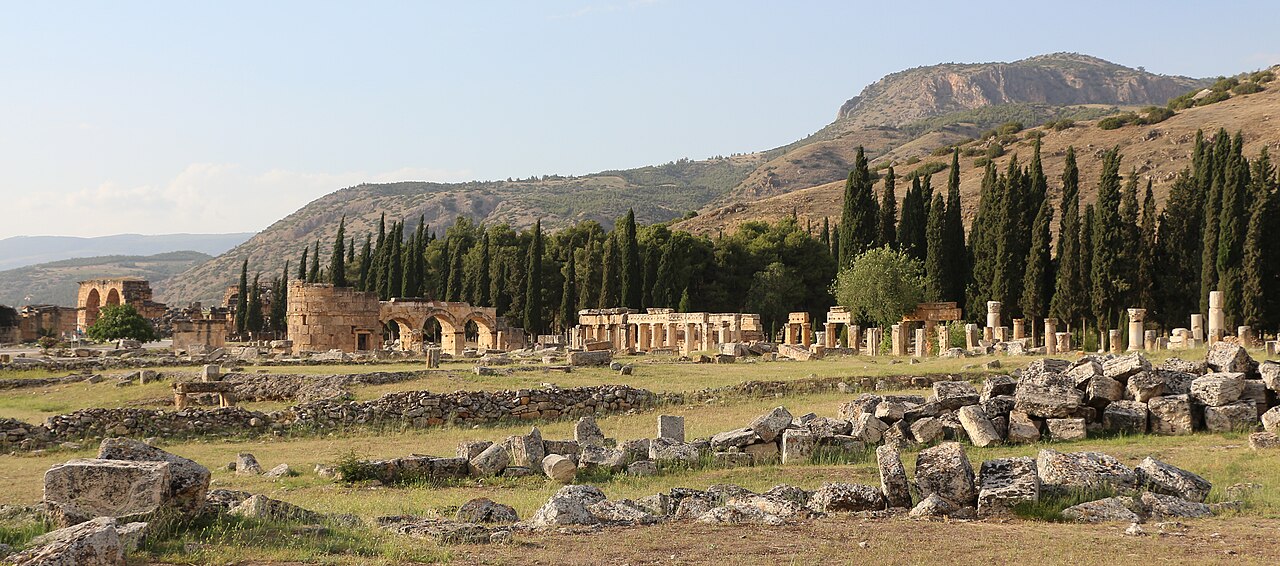
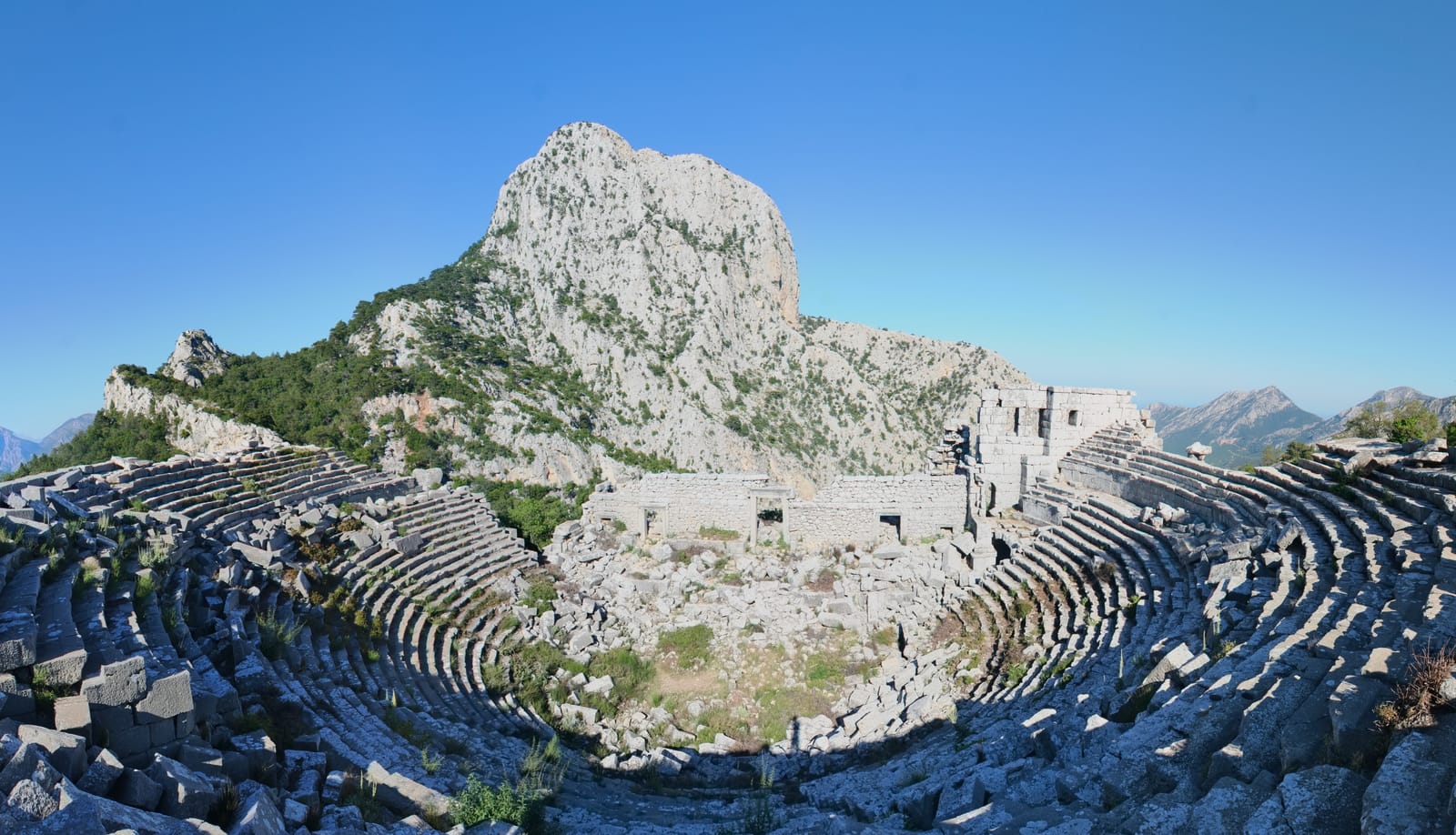
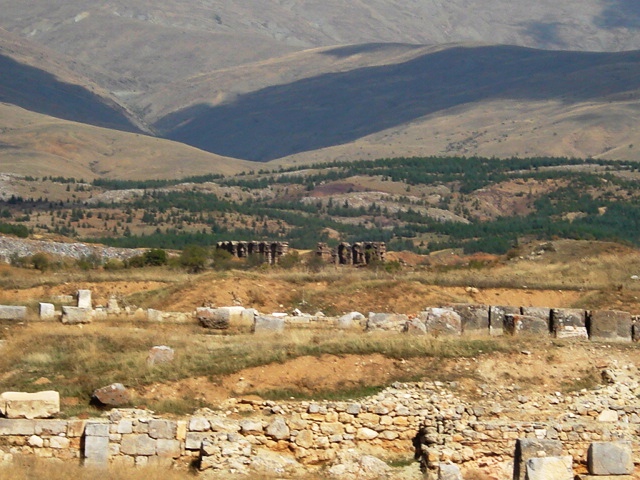
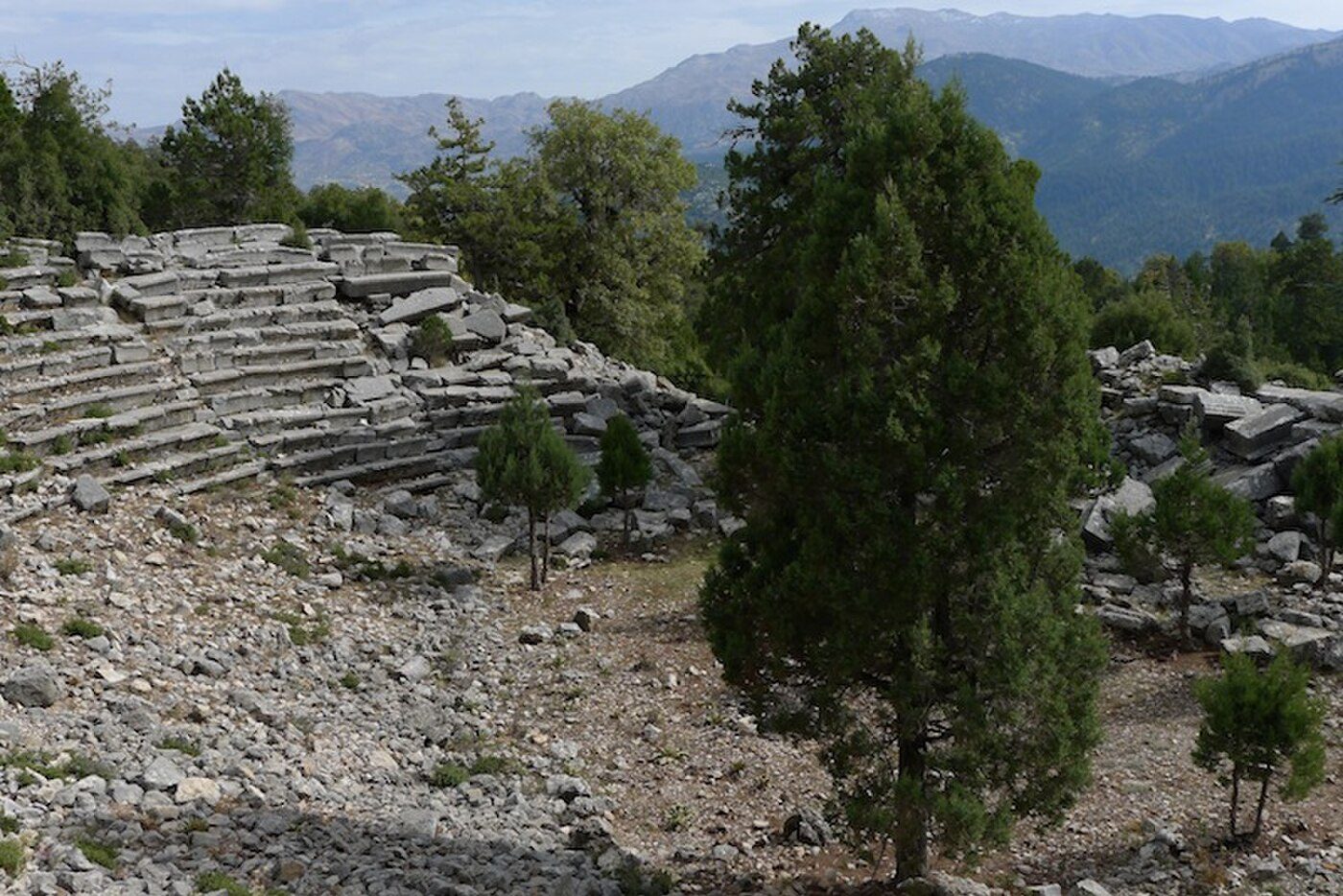
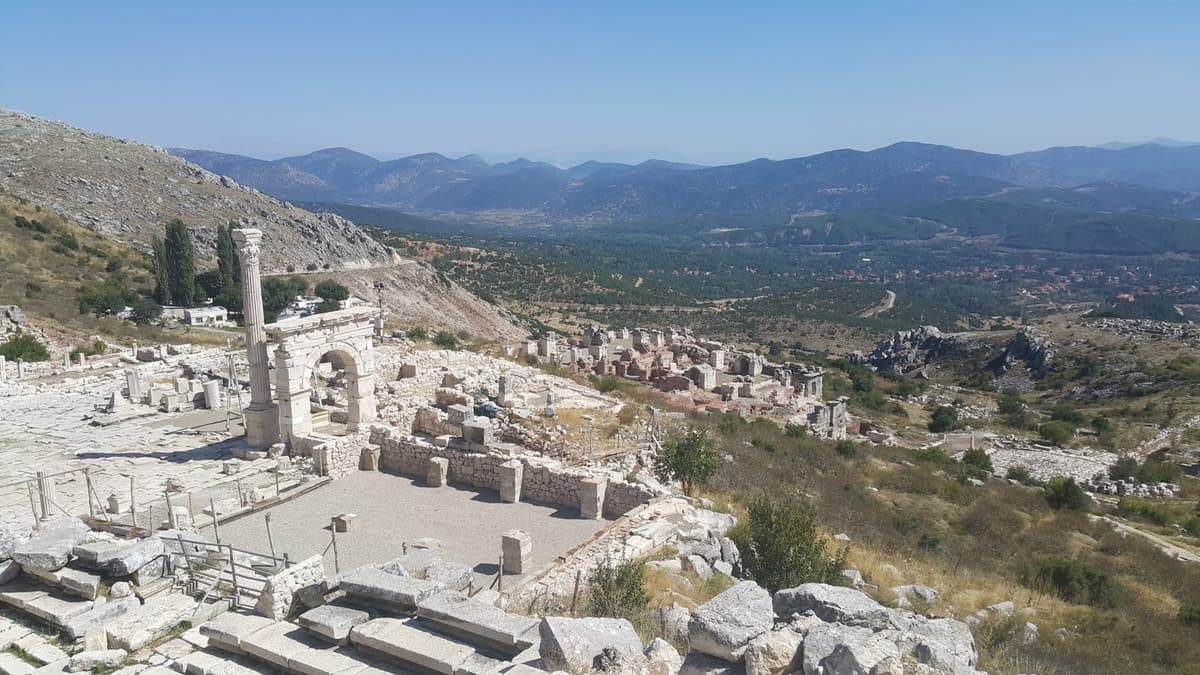
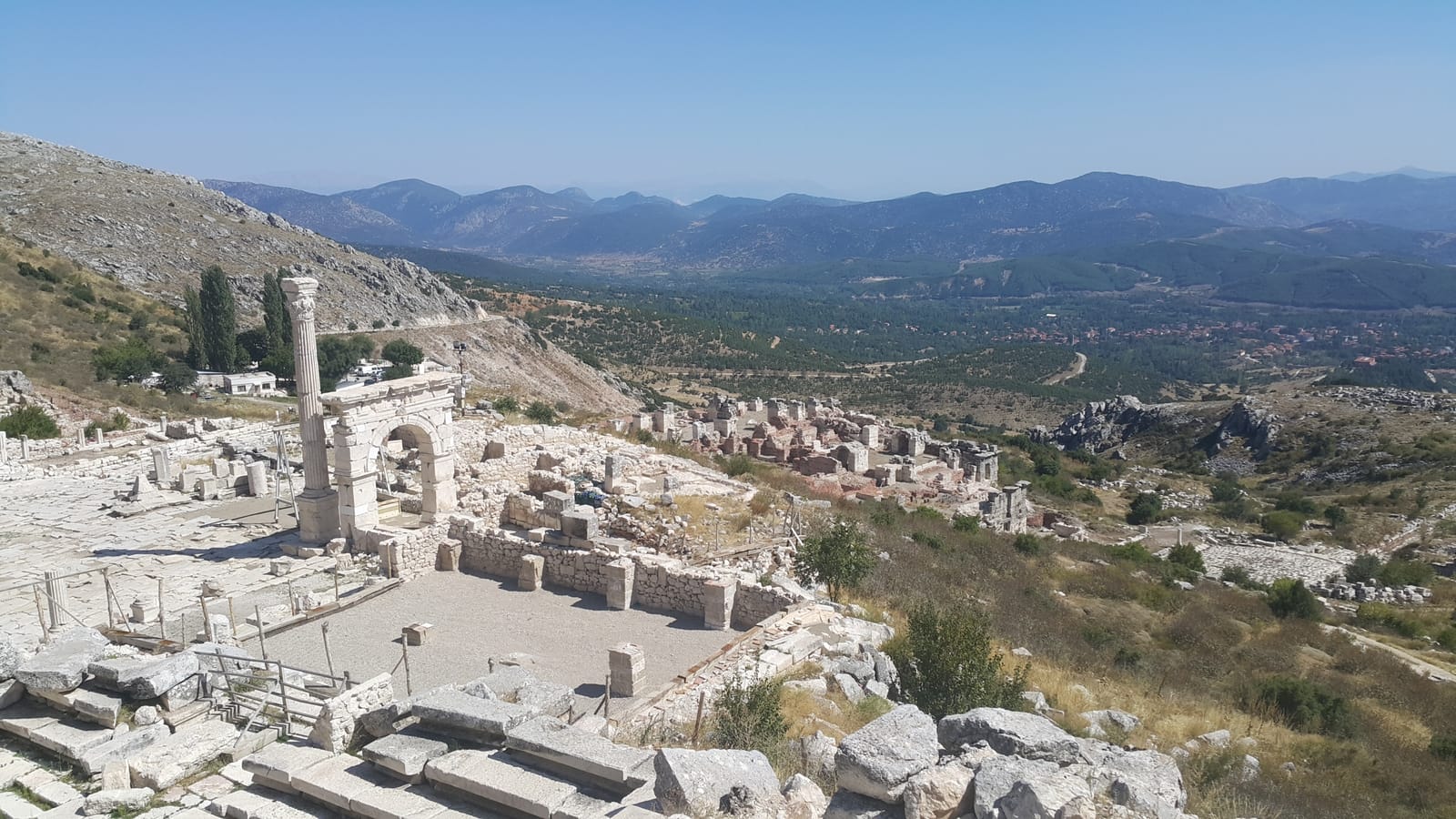
Sagalassos is a revelation. Perched at 1,500 meters on the slopes of the Taurus Mountains in Burdur Province, this Roman city is arguably the best-preserved ancient urban center in Turkey — and among the best in the entire eastern Mediterranean. Its altitude and remoteness protected it from the stone-robbing that diminished so many lowland cities.
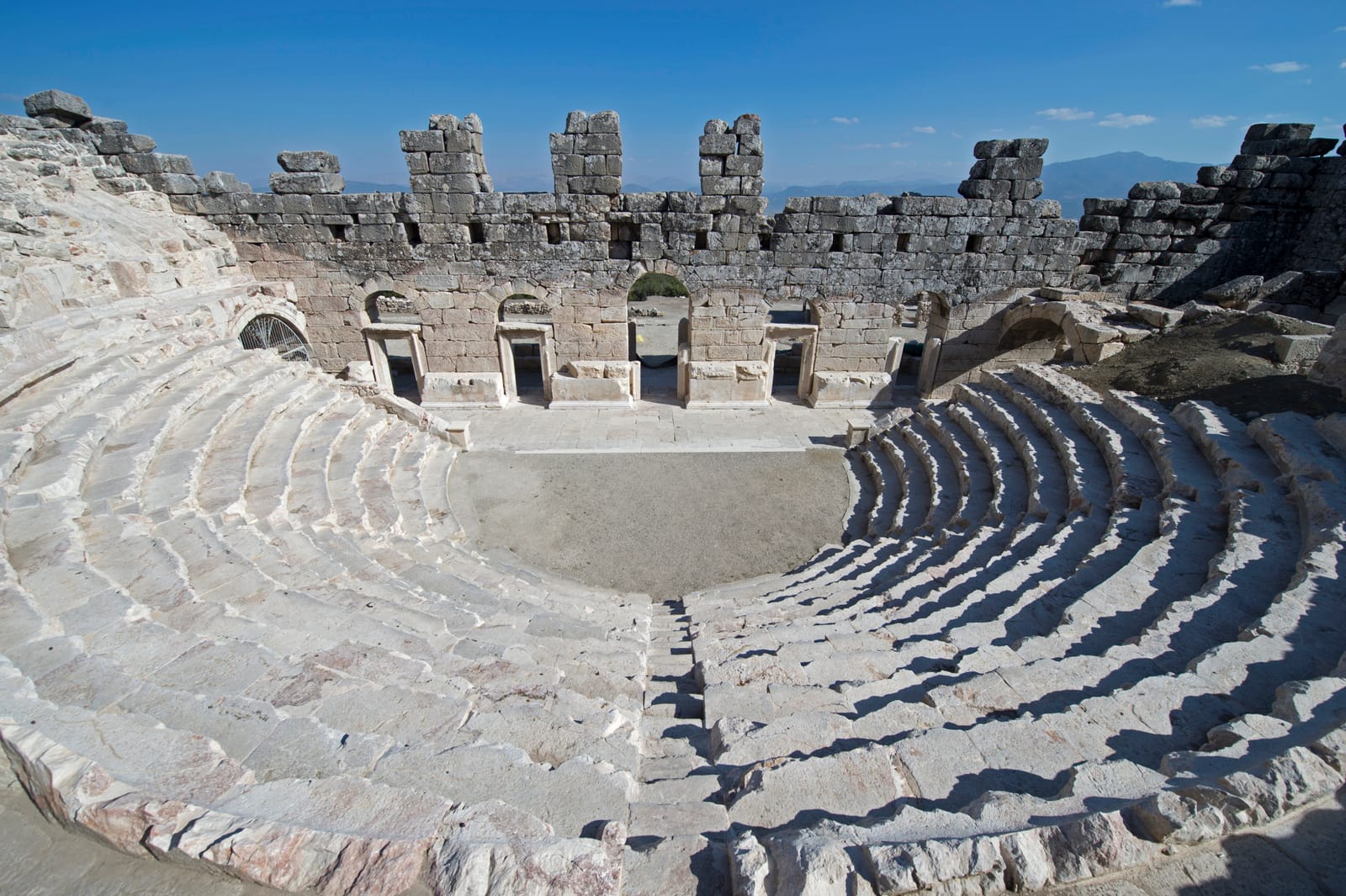
The Antonine Nymphaeum, a monumental fountain dedicated during the reign of Marcus Aurelius, has been spectacularly reconstructed. Standing over 9 meters tall with flowing water once again cascading through its niches, it is one of the most impressive Roman fountain restorations anywhere. The Upper Agora, flanked by the Bouleuterion and a heroon, provides a complete picture of Roman civic architecture.
"The Pisidians, a warlike people, inhabit the highlands, and among them is Sagalassos, a city of great strength and elevation."
— Strabo, c. 7 BCE - 23 CE
The Roman baths of Sagalassos were among the largest in Asia Minor, with a cold pool that measured 1,300 square meters — larger than many modern Olympic swimming pools. The library, macellum (market hall), and colonnaded streets complete the urban fabric.
Sagalassos was destroyed by a series of earthquakes in the 7th century CE and abandoned, leaving the remains largely undisturbed. Belgian-led excavations since 1990 have made it one of the most meticulously documented archaeological sites in the Mediterranean, combining traditional archaeology with environmental science, ceramics analysis, and digital reconstruction.

Sagalassos Antik Kenti 03 | BerkhanTr (CC BY-SA 4.0)
The city's urban fabric reveals a sophisticated infrastructure, including a complex aqueduct system that channeled water from mountain springs into the city's fountains, baths, and public latrines. The Upper Agora, framed by a Doric portico and a bouleuterion (council house), was the civic heart. Daily life centered on the production of its famous Red Slip Ware pottery, with industrial kiln complexes operating for centuries. Sagalassos was a key node in regional trade, exporting its pottery and importing goods like Egyptian glass and Italian wine amphorae. Its decline was a protracted process. Following the devastating 7th-century CE earthquakes, the urban core was largely abandoned. A small, fortified settlement persisted on the site into the 13th century, evidenced by Byzantine glazed pottery and a chapel built into the ruins of the Temple of Apollo Klarios.