Oluz HoyukOluz Höyük
Persian Temple
Achaemenid-period religious complex with fire altars
Occupation Span
Chalcolithic through Hellenistic (~4000-300 BCE)
Rarity
One of very few Persian religious sites in Turkey
Province
Amasya, northern Anatolia
“Oluz Hoyuk's Persian-era temple is one of the most important recent archaeological finds in Turkey, providing rare physical evidence for Persian religious practice at the western frontier of the Achaemenid Empire.”
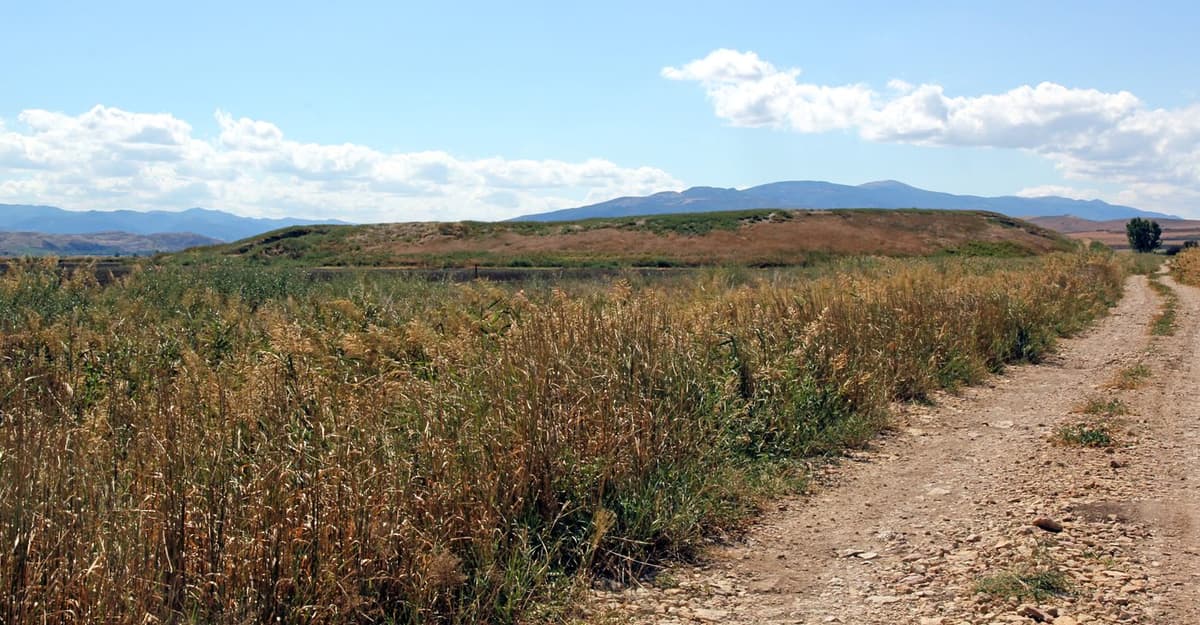
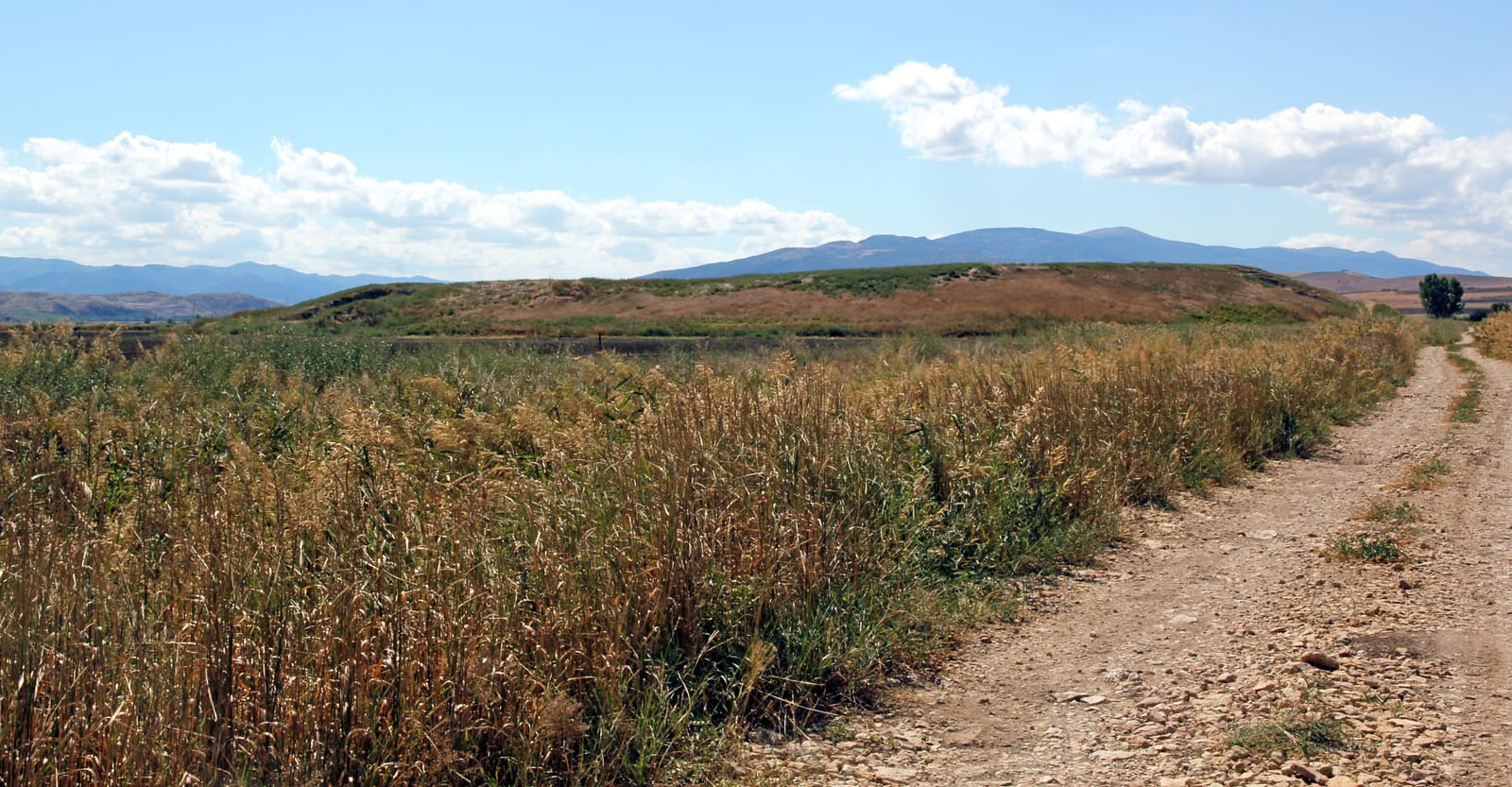
Oluz Hoyuk is a multi-period mound in Amasya province, Turkey, notable for its Achaemenid Persian-era temple complex — one of very few in Anatolia.
read_wikipedia →overview
Oluz Hoyuk is a multi-period settlement mound (hoyuk) in Amasya province, northern Turkey, that has yielded one of the most significant archaeological discoveries of recent decades — a temple complex dating to the Achaemenid Persian period (5th-4th centuries BCE). This makes Oluz Hoyuk one of very few sites in Turkey with identified Persian religious architecture. The mound rises from the fertile plain of the Tersakan River, a tributary of the Yesilirmak. Occupation layers span from the Chalcolithic period (4th millennium BCE) through the Hellenistic era, documenting over three thousand years of continuous settlement. The earliest levels contain typical northern Anatolian prehistoric pottery and domestic architecture. The most important discovery is a monumental building complex from the Achaemenid period, containing fire altars, ritual vessels, and architectural features consistent with Persian religious practices. The complex includes a large hall with column bases and evidence of fire ceremonies, suggesting Zoroastrian or related Persian worship. This is exceptionally rare evidence of Persian imperial religious infrastructure in Anatolia, where Persian rule is usually documented only through administrative remains. The site provides crucial evidence for understanding how the Persian Empire administered its westernmost territories and how Persian cultural and religious practices were transplanted into the Anatolian context. Finds include Persian-period pottery, metalwork, and seal impressions that connect Oluz Hoyuk to the broader Achaemenid administrative network.
why_it_matters
evidence
evidence_desc
confirmed
3- Fire altars and ritual vessels found in the monumental building are consistent with Achaemenid Persian religious practices documented at sites across the Persian Empire.
- Persian-period pottery and seal impressions found at the site connect Oluz Hoyuk to the Achaemenid administrative and trade network.
- Stratigraphic analysis confirms continuous occupation from the 4th millennium BCE through the Hellenistic period.
inferred
1- The scale of the monumental building suggests it served a regional function, possibly as a satrapal administrative center or major regional shrine.
debated
1- Whether the fire altars represent Zoroastrian worship specifically, or a broader category of Persian fire ritual, is debated among scholars of ancient Iranian religion.
excavation
Initial excavations
led_by Sevil Gulcur
Sivas Cumhuriyet University began systematic excavations, revealing prehistoric and Iron Age occupation levels.
Persian temple discovery
Excavations uncovered the Achaemenid-period monumental building with fire altars and Persian-period artifacts, generating international attention.
Expanded excavations
Continued work on the Persian complex, revealing additional rooms, ritual deposits, and connections to the broader Achaemenid administrative network.
more_photos
artifacts
Community Photos
Share your experience
Have you visited this site? Upload your photos to help others discover it.
location
related_sites
sources
- An Achaemenid Temple at Oluz Hoyuk, Amasya — Sevil Gulcur (2013)
- The Persian Empire: A Corpus of Sources from the Achaemenid Period — Amelie Kuhrt (2007)
- Wikipedia — Oluz Höyüklink