
Atlas AnatoliaAtlas Anatolia
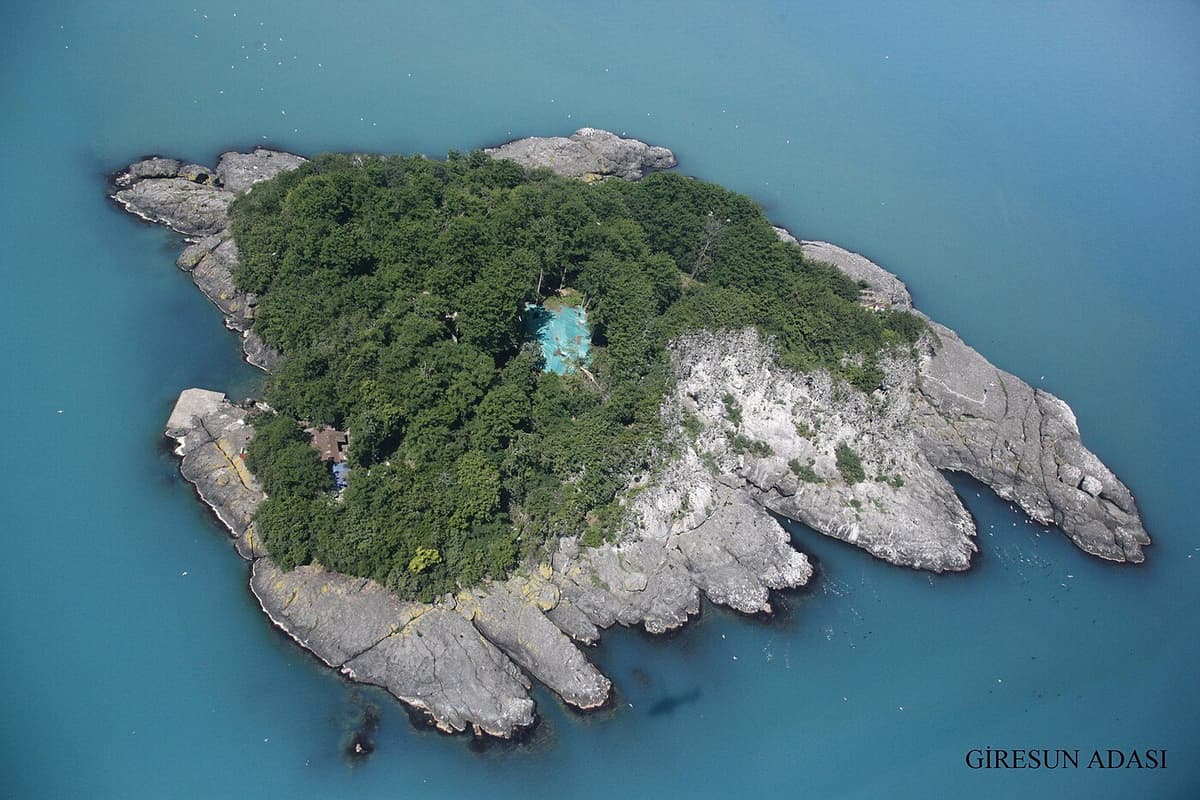
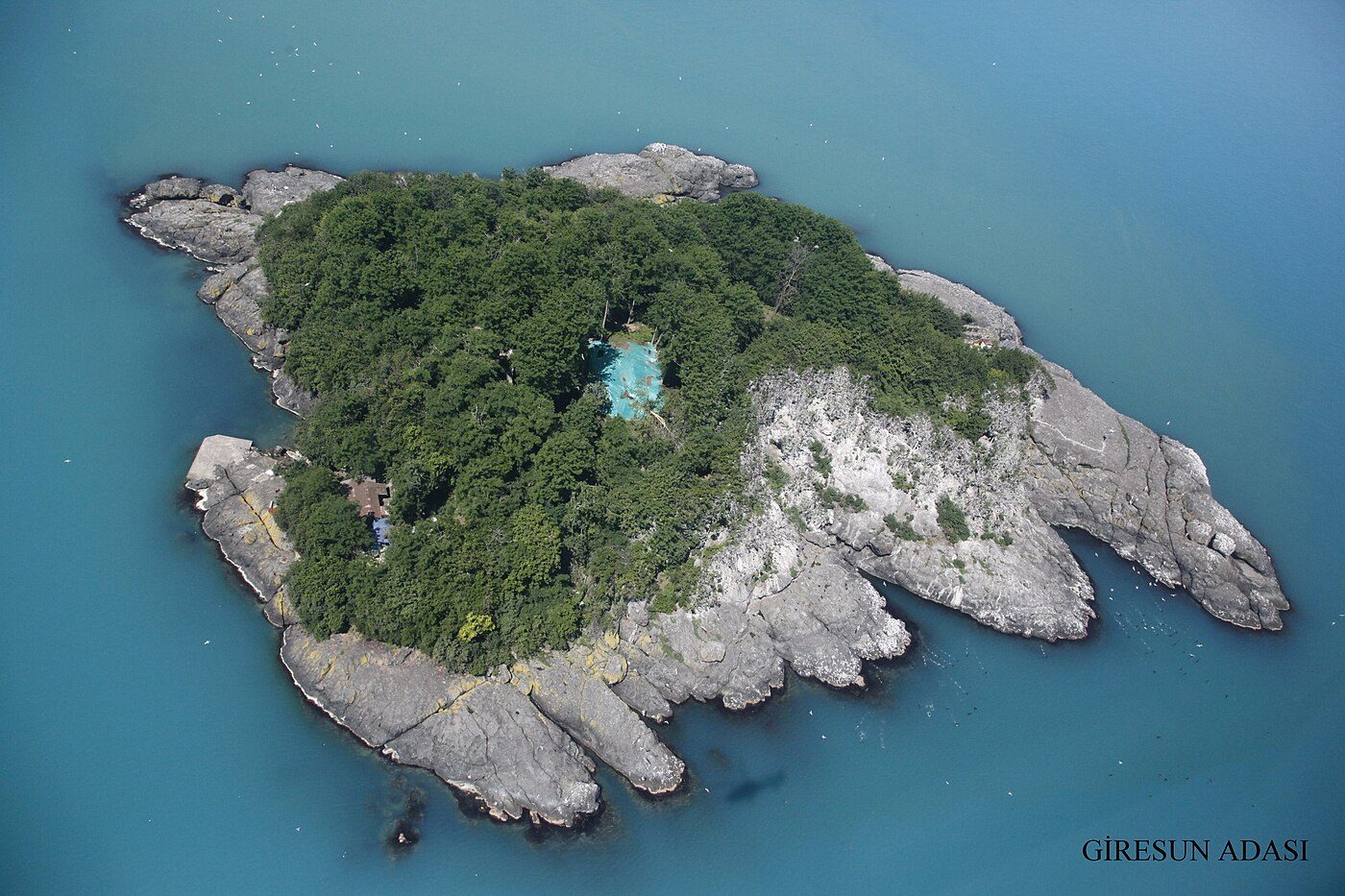
Giresun Island rising from the Black Sea waters off the coast of Giresun

Giresun Island (Aretias)

Giresun Adasi800 BCE – 400 CE
ClassicalHellenisticRomanGreekRomanGiresun

Mythology

Island of Ares where Argonauts fought the Stymphalian Birds

Amazons

Temple of Ares associated with Amazon warrior worship

Unique

Only significant island on the Turkish Black Sea coast

Festival

Annual Aksu festival with pre-Christian ritual origins (UNESCO)

Size

Approximately 400 x 150 meters, rocky terrain

Province

Giresun, eastern Black Sea coast

Giresun Island offers a tangible geographical anchor for some of Greek mythology's most famous narratives.”

WFrom Wikipedia

Giresun Island is the only island off the Turkish Black Sea coast, identified in Greek mythology as the Island of Ares visited by Jason and the Argonauts.

Read full article on Wikipedia

Overview

Giresun Island, lying approximately 1.5 kilometers off the coast of Giresun city in northeastern Turkey, is the only significant island along the entire Turkish Black Sea coastline. In Greek mythology, this remote rocky isle was identified as Aretias — the Island of Ares — where Jason and the Argonauts encountered the deadly Stymphalian Birds during their quest for the Golden Fleece, as recounted in Apollonius of Rhodes's Argonautica.

The island's mythological significance extends beyond the Argonaut legend. Ancient sources describe it as a sacred site where the Amazons — the legendary warrior women believed to inhabit the eastern Black Sea coast — established a temple to Ares, the god of war. This connection between the island and the Amazon warrior cult reflects the broader Greek perception of the southeastern Black Sea region as a wild, martial frontier inhabited by fierce peoples who worshipped martial deities.

"The Amazons sacrificed to Ares on this island, which is a sheer rock, rising from the sea."
— Xenophon, c. 370 BC

Archaeological investigations on the island have revealed remains from multiple periods. A ruined Byzantine monastery dedicated to the Virgin Mary sits atop the island's summit, built upon what appear to be earlier foundations. Fragments of ancient walls, cisterns, and ceramic finds suggest habitation or ritual use from at least the Classical period through the Byzantine era. The island's small size — roughly 400 meters long and 150 meters wide — limited permanent settlement but made it ideal as a sacred precinct or defensive lookout.

The island continues to hold cultural significance for the people of Giresun. Each year in May, a festival called Aksu Senligi (also known as the Giresun Island Festival) takes place, involving ritual processions and the throwing of pebbles into the sea — traditions some scholars trace to pre-Christian fertility rites that may echo the island's ancient sacred functions. The festival has been recognized by UNESCO as an element of intangible cultural heritage.

Giresun Adasi (Amazon Island) Giresun Turkey

Giresun Adasi (Amazon Island) Giresun Turkey | Dr. Zeynel Cebeci (CC BY-SA 3.0)
Why It Matters

Giresun Island offers a tangible geographical anchor for some of Greek mythology's most famous narratives. The identification of this remote Black Sea isle with the Argonaut voyage and Amazon worship demonstrates how real places shaped mythological storytelling and how ancient mariners embedded their navigational knowledge in legendary frameworks. The survival of ritual traditions associated with the island — particularly the Aksu festival with its echoes of pre-Christian practice — suggests remarkable continuity of sacred geography across millennia. The island represents a unique intersection of mythology, archaeology, and living cultural heritage on the Black Sea coast.

Stay curious

New stories and sites, once a month. No spam.

Evidence & Interpretation

Distinguishing what is well-established from what remains debated.

Well-Established Facts

3
  • Apollonius of Rhodes (Argonautica 2.1030-1089) identifies the island of Aretias in the southeastern Black Sea as the place where the Argonauts encountered the Stymphalian Birds sacred to Ares.
  • Byzantine monastery foundations dating to the medieval period are visible on the island's summit, with architectural remains documented through excavation.
  • The annual Aksu Senligi festival has been recognized by UNESCO as an element of intangible cultural heritage, documenting its significance to local communities.

Scholarly Inferences

2
  • Pre-Byzantine ceramic fragments and wall foundations beneath the monastery suggest the island served a sacred function in the Classical or Hellenistic period, consistent with a temple of Ares.
  • The island's strategic position and visibility from the ancient coastal sailing route support its identification as a navigational landmark incorporated into the Argonaut itinerary.

Debated Interpretations

1
  • Whether the modern Aksu festival traditions preserve genuine elements of pre-Christian ritual practice on the island or represent later folk tradition is debated among ethnographers.

Discovery & Excavation

1996

Initial archaeological survey

First systematic survey documented the Byzantine monastery ruins, ancient wall fragments, and collected surface ceramics ranging from the Classical to Byzantine periods.

2003–2006

Island excavation project

Giresun University-led excavations investigated the monastery foundations and identified earlier structural remains beneath, with pottery fragments and small finds suggesting pre-Byzantine sacred use.

2011

Underwater survey

Underwater archaeological survey around the island documented submerged wall foundations and ceramic scatters, potentially associated with ancient harbor or landing installations.

2016

Cultural heritage documentation

Comprehensive documentation project recorded both tangible archaeological remains and the intangible cultural heritage of the Aksu festival tradition connected to the island.

2019–2022

Conservation and research

Ongoing conservation work on the Byzantine monastery ruins combined with archaeological sampling to establish a firmer chronology for the island's occupation phases.

More Photos

Museum Artifacts

Community Photos

Share your experience

Have you visited this site? Upload your photos to help others discover it.

Location

Related Sites

Sources

  • The Argonautica of Apollonius: Literary StudiesRichard Hunter (1993)
  • Giresun Adasi ArastirmalariGiresun University Archaeology Department (2008)
  • Wikipedia — Giresun IslandLink

Research Papers

Stay in the loop

Get notified when we add new sites or major features. We send at most 1–2 emails per year. We never sell your email.

Atlas AnatoliaAtlas Anatolia

An interactive atlas of ancient Anatolian sites. Explore civilizations, monuments, and stories across millennia.

info@atlasanatolia.com

© 2026 Atlas Anatolia. Content is provided for educational purposes.

Map data © OpenStreetMap contributors