Overview
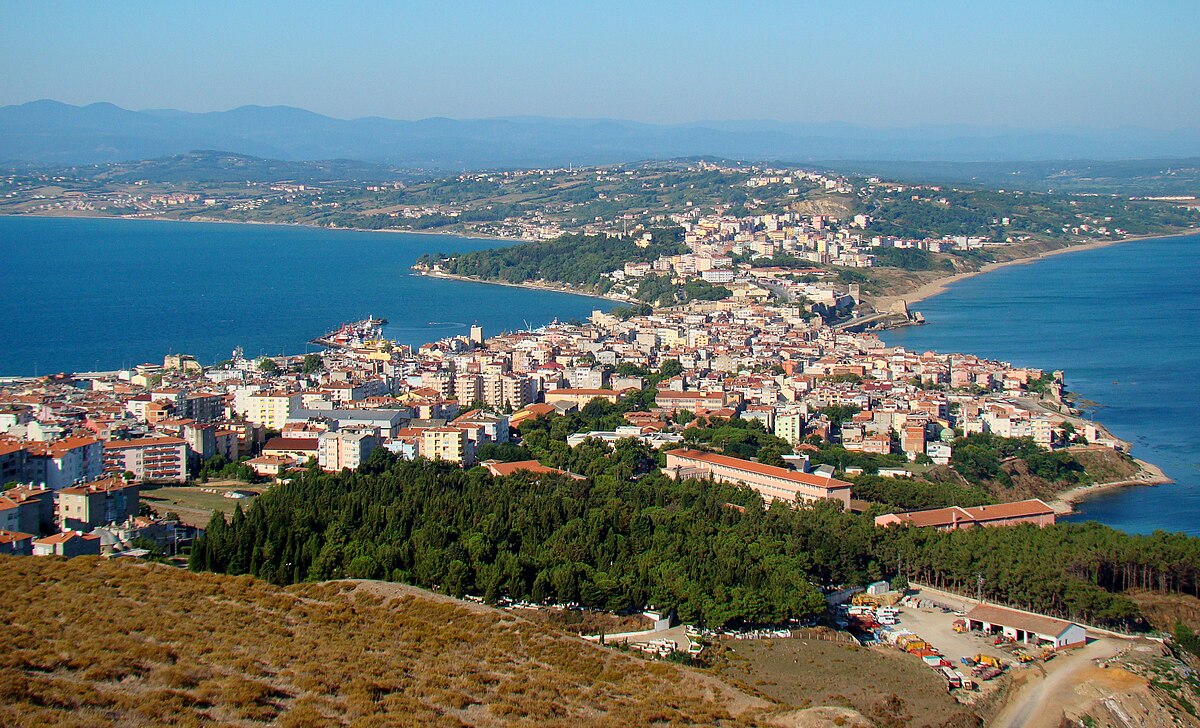
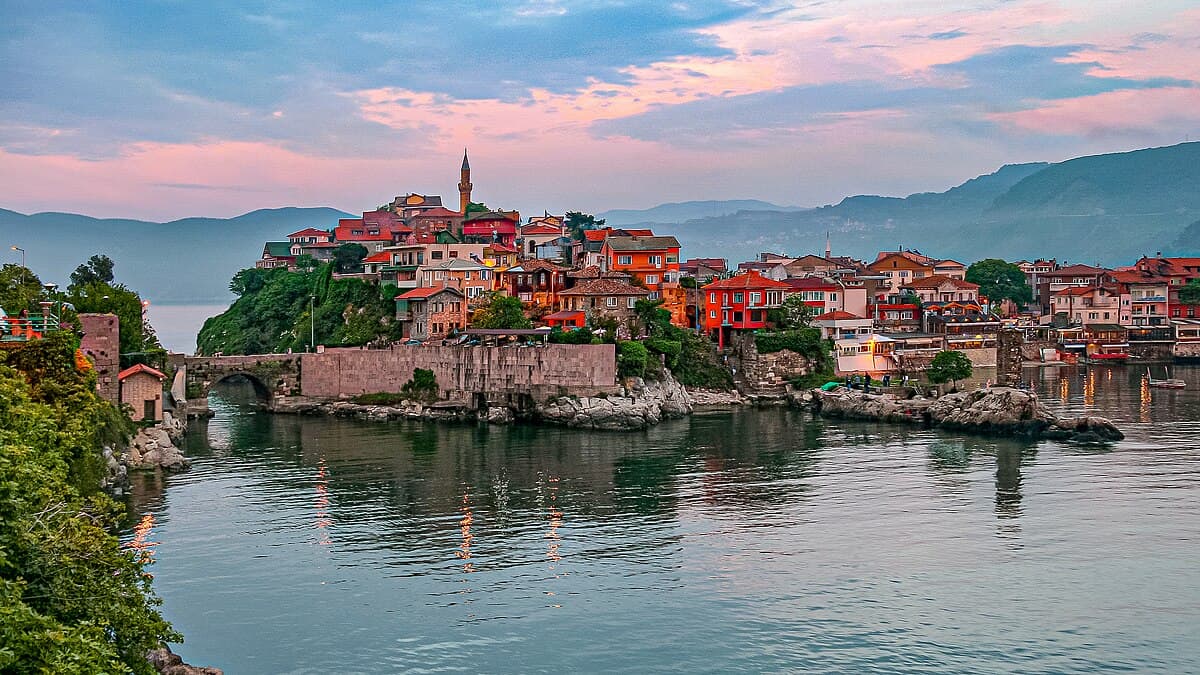
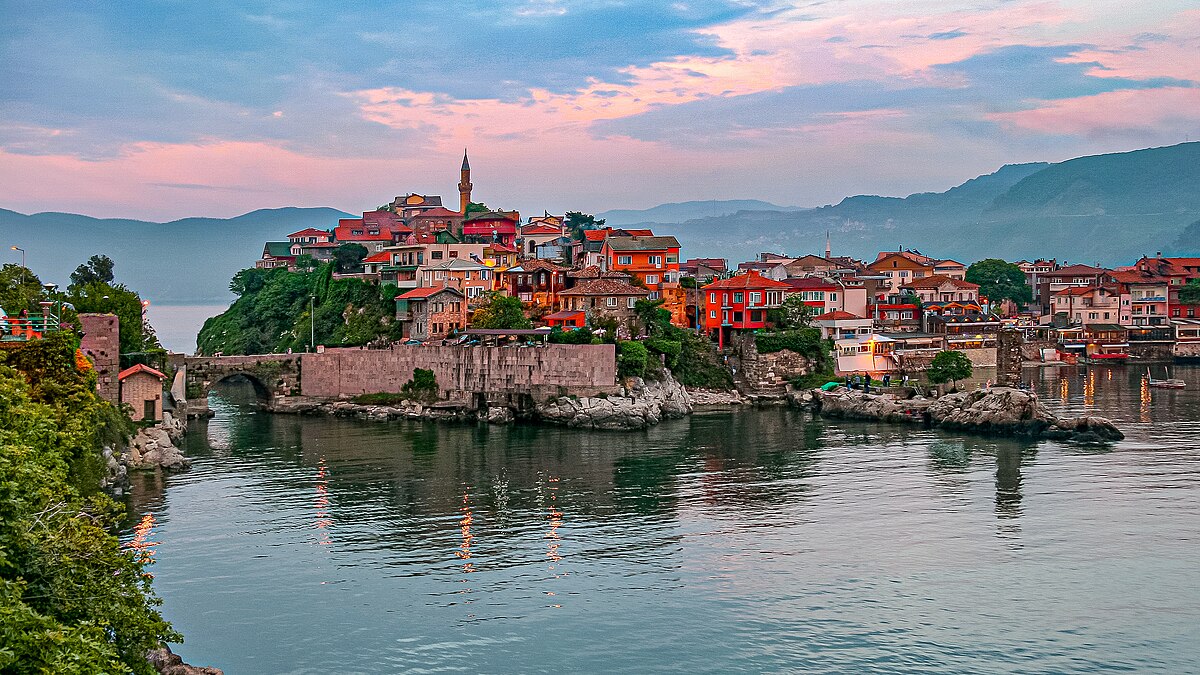
Amasra occupies one of the most striking natural settings of any ancient city in Anatolia. Built across two rocky islands — Boztepe (Büyükada) and Tavşan Adası (Küçükada) — connected to the mainland by narrow isthmuses, the city commands a double harbor that has sheltered ships since at least the 7th century BCE. The dramatic geography that made Amasra virtually impregnable also made it irresistibly beautiful, a quality that draws visitors to this day.
The city was founded as Sesamus, a Greek colony established by Milesian settlers who recognized the defensive potential of its twin-island topography. Under Hellenistic rule, it was refounded as Amastris by Queen Amastris, the niece of the Persian king Darius III and briefly wife of Alexander the Great's successor Lysimachus, who merged four smaller coastal towns into a single polis that quickly became one of the most prosperous cities on the southern Black Sea coast.
"Sesamus is a city of the Paphlagonians, situated on a peninsula."
— Strabo, Geographica (c. 7 BCE – 23 CE)
Roman occupation brought substantial urban development, including harbor improvements, a bathhouse, and the integration of the city into the empire's Black Sea trade and military network. The Roman walls, parts of which still stand, were built atop earlier Greek fortifications and later strengthened by Byzantine engineers who recognized Amasra's strategic importance for controlling the western Black Sea coastline.
The Genoese period left perhaps the most visible architectural legacy. The Genoese purchased the city in 1261 and transformed it into a key trading post in their Black Sea commercial network. The Genoese castle on Boztepe island, with its massive walls, gate inscriptions, and heraldic reliefs, remains the city's most iconic monument. The castle walls incorporate Roman and Byzantine spolia, creating a visible palimpsest of the city's layered history.

Amasra, Turkey, Castle, view from the island | Babbsack (CC BY-SA 3.0)
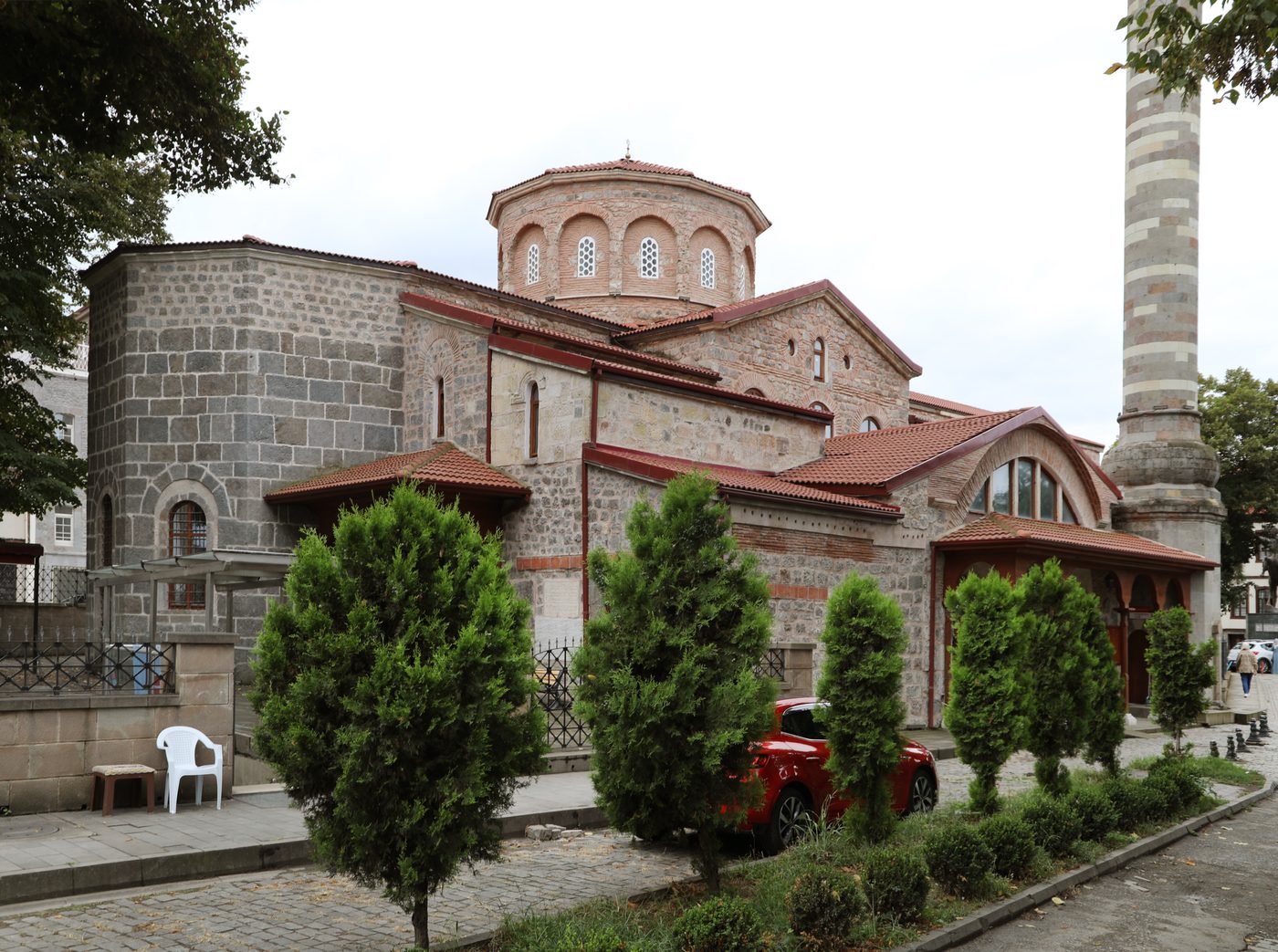
Within the fortified old town, a small Byzantine-era church converted into a mosque, a Roman bathhouse now used as an exhibition space, and sections of defensive walls spanning multiple periods create an intimate open-air museum. The surrounding waters still yield ancient anchors and ceramics, testimony to millennia of maritime activity.