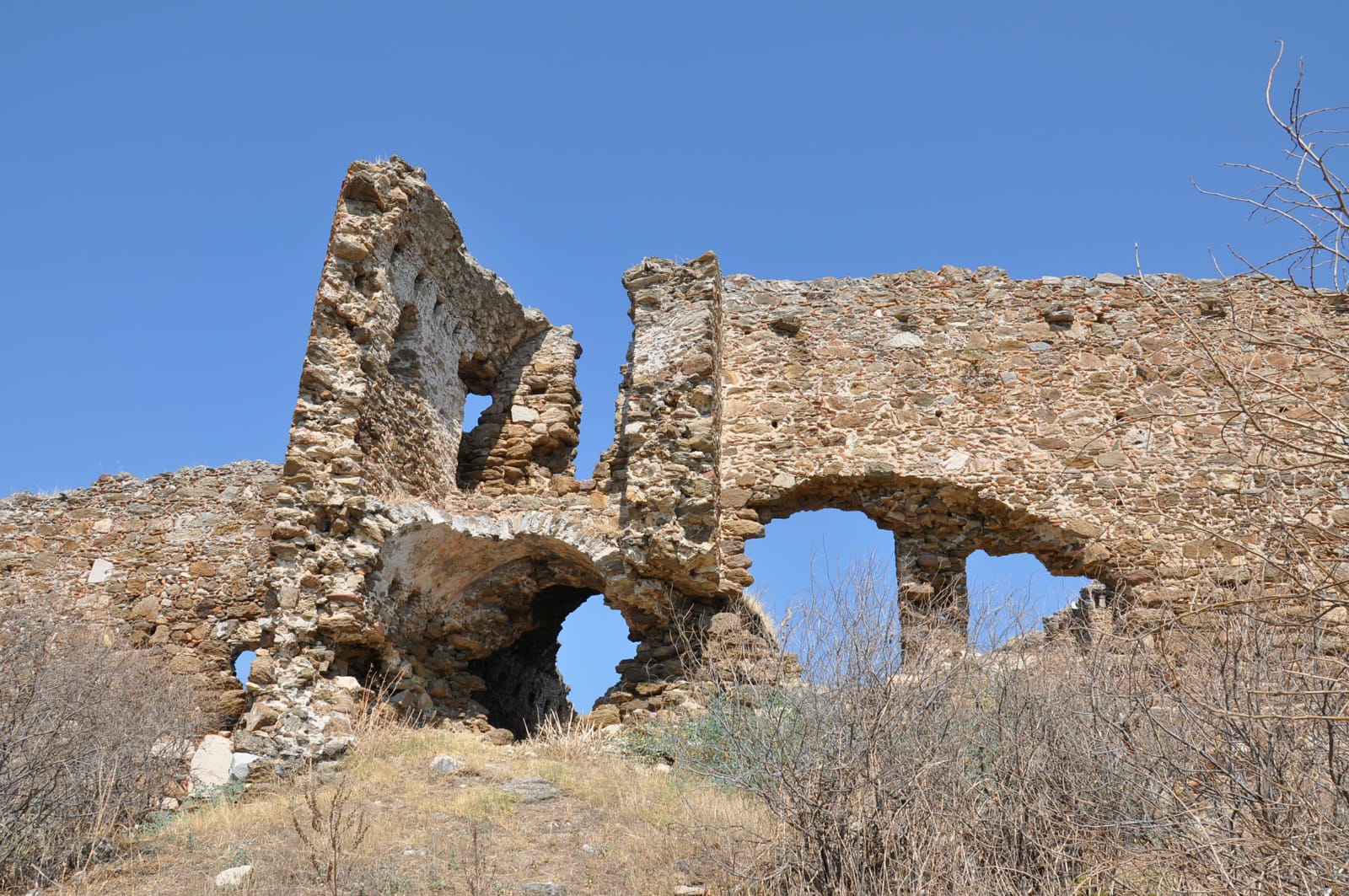
Overview
Myus was one of the twelve cities of the Ionian League — the ancient confederation of Greek cities on the western coast of Anatolia. Though it was the smallest member, Myus occupied a strategic position on the southern shore of the Latmian Gulf (now the Maeander plain), with its harbor providing access to the Aegean Sea.
The city's history is dominated by its losing battle against nature. As the Maeander River deposited sediment into the Latmian Gulf over centuries, Myus's harbor gradually silted up. Strabo noted that by his time (1st century BCE) the city had shrunk dramatically. Pausanias reported that Myus was eventually abandoned, its remaining inhabitants absorbed into neighboring Miletus.
"Myus, once a city of the Ionians, now lies deserted, its harbor choked with silt from the Maeander River."
— Strabo, c. 7 BCE - 23 CE
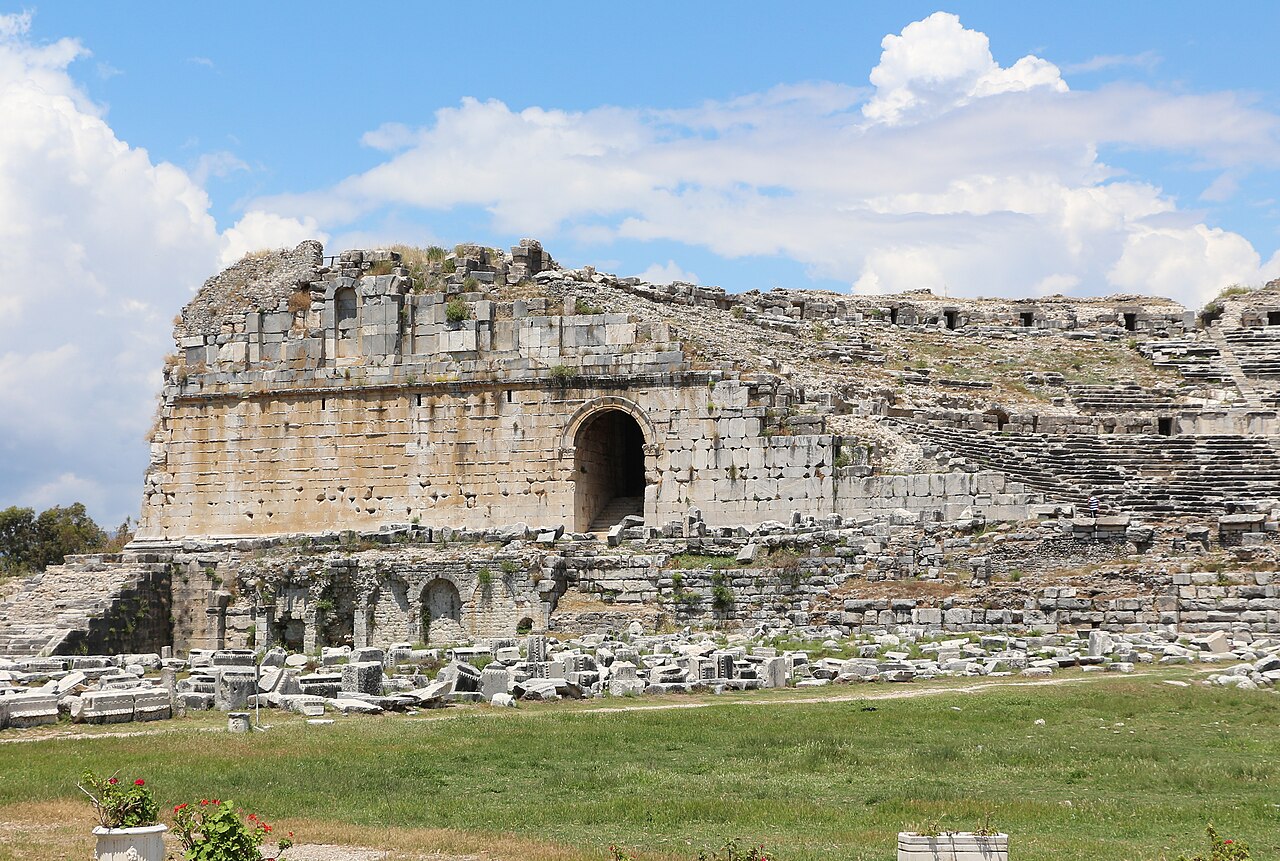
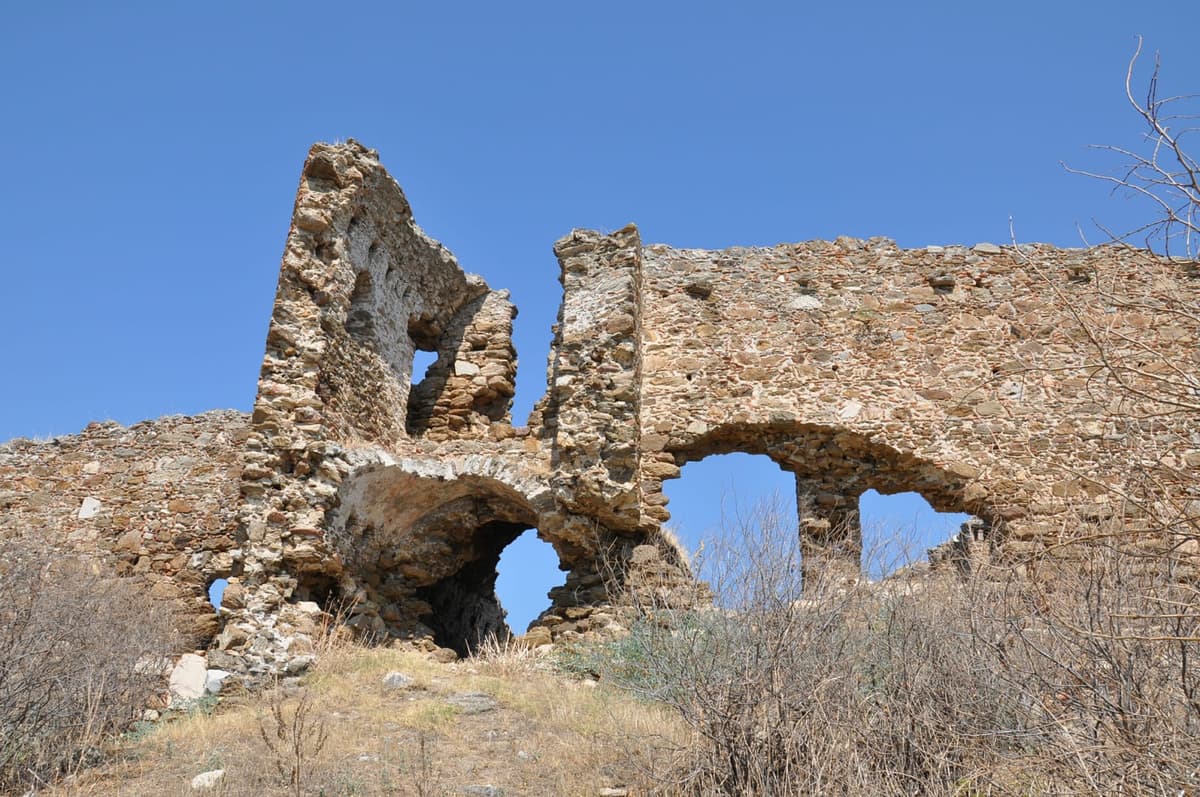
Today the site lies approximately 20 kilometers from the nearest coastline — the once-bustling harbor city marooned in a flat alluvial plain. Remains include the foundations of a Temple of Dionysus, city walls, and scattered architectural fragments. The site is reached by a dirt road through cotton fields, its isolation contributing to both its preservation and its obscurity.
Myus serves as a powerful case study in geoarchaeology — the science of how geological processes shape human settlement. The Maeander Delta's relentless advance has similarly affected Miletus, Priene, and Herakleia, but Myus experienced the most extreme transformation, from port city to abandoned ruin in a landlocked plain.

Myus (Myos) Ancient City - Flickr - faktor1komma5 | faktor1komma5 /by Claus P. Heibel from Didim/Aydın, Türkiye (CC BY 2.0)
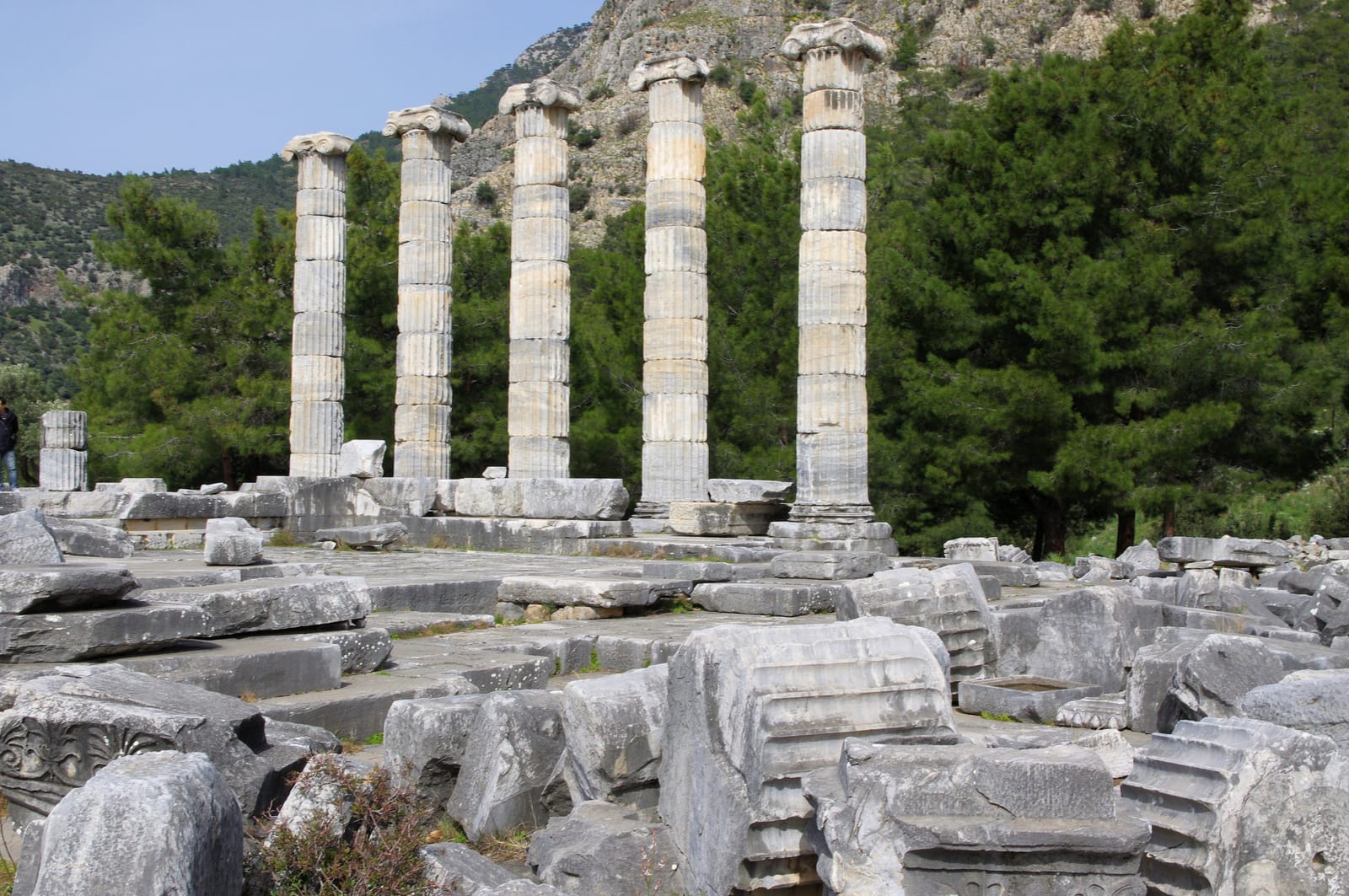
Archaeologically, Myus is defined by its modest scale. The most prominent surviving structure is the Temple of Dionysus, a small Ionic temple whose foundations were excavated in 1908 by Theodor Wiegand. The discovery of a finely carved marble altar dedicated to the god, inscribed with the name Hermotimos, underscores the city's religious identity. Beyond the sanctuary, the urban plan remains elusive, though recent geophysical surveys aim to reveal its streets and residential quarters.
Despite its size, Myus participated in the broader Ionian world. Its strategic harbor, before its silting, would have facilitated trade with neighboring Miletus and Priene. The city minted its own bronze coins, some bearing the image of a griffin, a symbol also associated with nearby Apollonia. Daily life for its citizens revolved around the small acropolis and the harbor, with agriculture and fishing sustained by the fertile Maeander delta.
The city's decline was a protracted process. While the silting harbor crippled its economy, the final political end came in the Hellenistic period. As recorded by Pausanias, the remaining populace was formally transferred to Miletus, likely in the 3rd century BCE, leaving Myus as a satellite settlement. The site was never fully reoccupied, its fate sealed by the relentless geological forces that transformed the coastline.