Overview
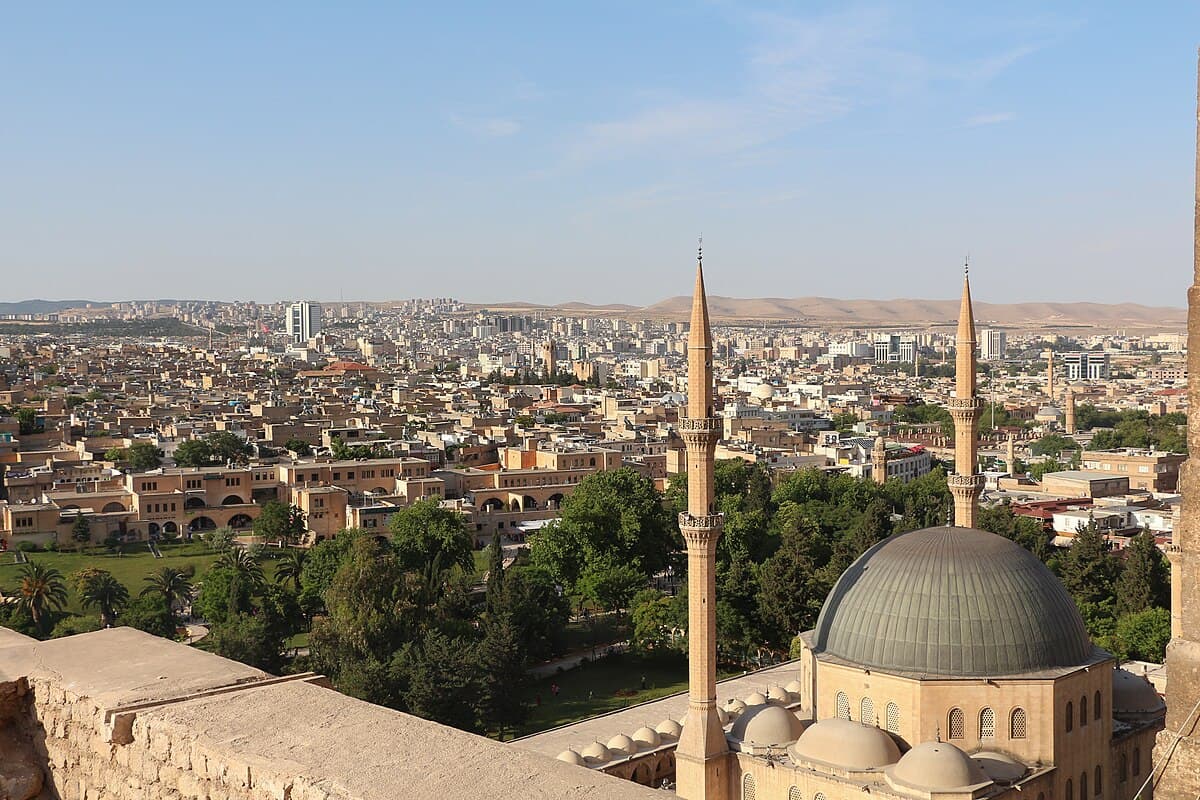
Edessa, modern Şanlıurfa, is one of the most historically layered cities in the world. Human settlement in the area stretches back at least 11,000 years, making it among the oldest continuously inhabited places on Earth. The city sits at a crossroads of civilizations — Mesopotamian, Hellenistic, Roman, Byzantine, Crusader, Islamic, and Ottoman cultures all left their mark on its stones.
The city is traditionally regarded as the birthplace of the biblical patriarch Abraham, and the sacred Pool of Abraham (Balıklıgöl) with its famous sacred fish remains a major pilgrimage site. According to local tradition, Abraham was thrown into a fire by King Nimrod from the citadel hill, but God turned the fire into water and the burning logs into fish.
"The city of Edessa is situated in a plain, and is watered by the river Scirtus, which flows through it."
— Pliny the Elder, c. 77-79 CE
In the Hellenistic period, the city became capital of the Kingdom of Osroene, the first state to adopt Christianity as an official religion (c. 200 CE), predating even the Roman Empire's conversion. The famous Mandylion — an ancient cloth bearing the image of Christ — was allegedly kept here. During the Crusades, Edessa became the capital of the County of Edessa (1098–1144), the first Crusader state to fall.
Today, Şanlıurfa serves as the gateway city for visitors to Göbekli Tepe and the Taş Tepeler region, and its spectacular archaeology museum houses the world's oldest known life-size human statue. The old bazaar, the castle hill with its famous twin columns, and the Haleplibahçe Mosaics make it one of southeastern Turkey's most compelling destinations.