Atlas AnatoliaAtlas Anatolia
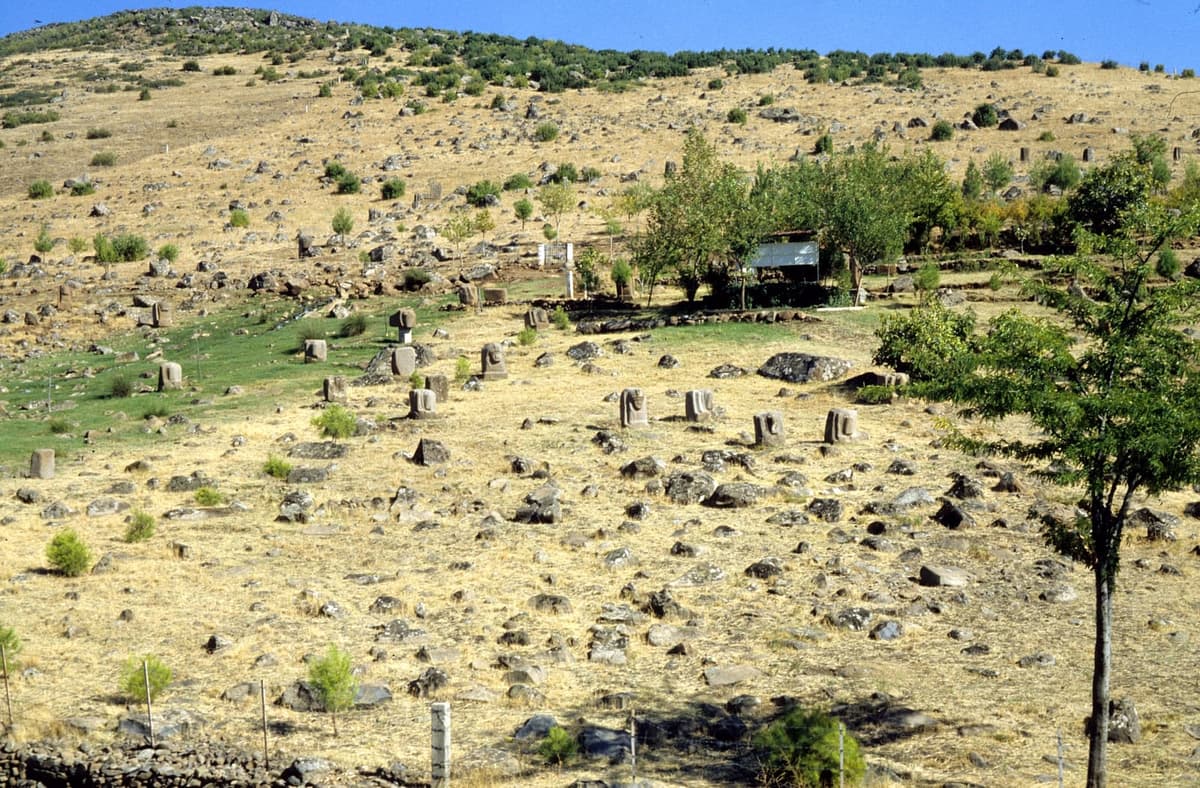
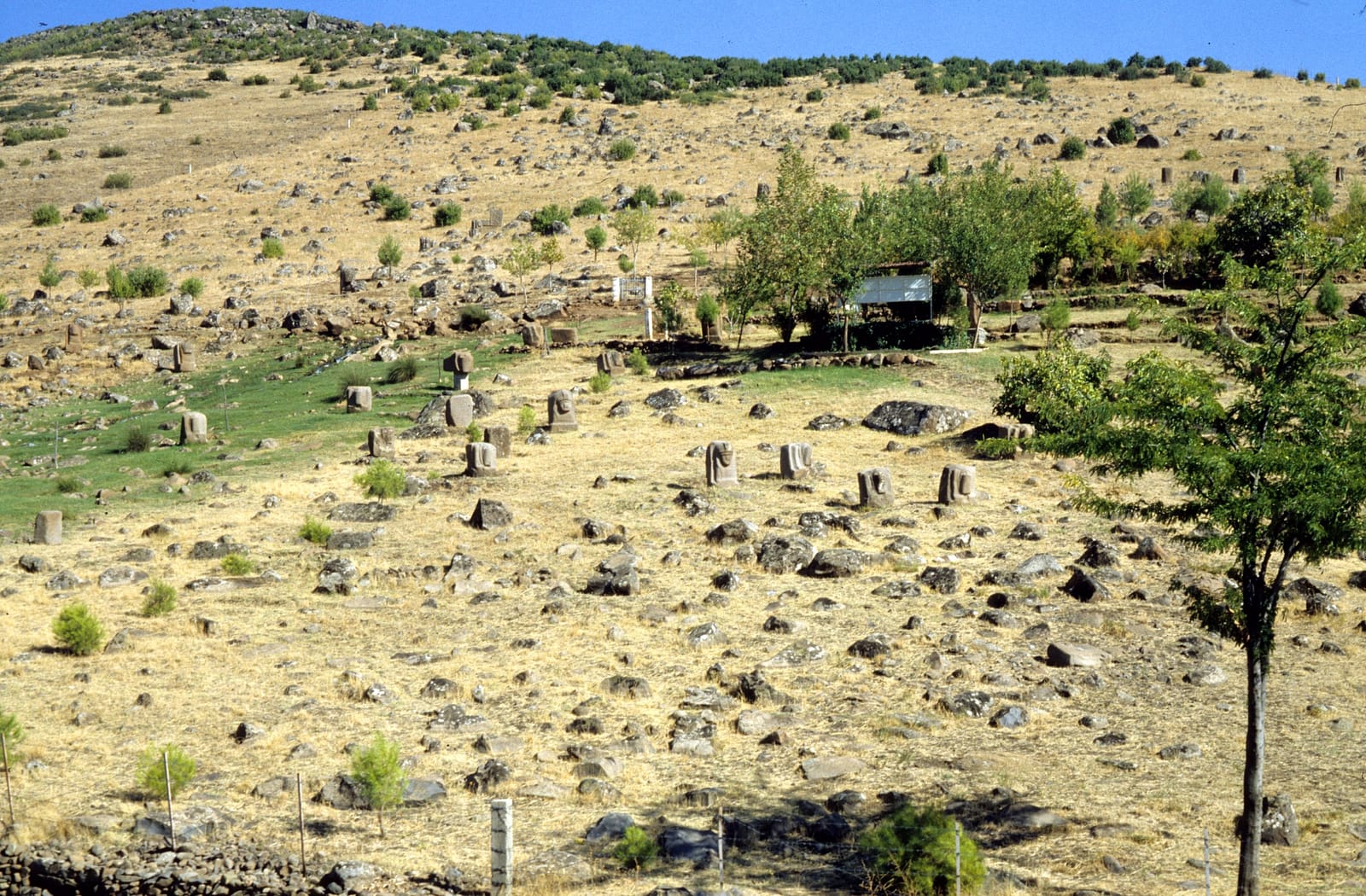
Rows of unfinished Hittite sphinx and lion sculptures at Yesemek quarry workshop

Yesemek

1400 bce – 700 bce
Bronze AgeIron AgeHittiteNeo-HittiteGaziantep

Sculptures

Over 300 sphinxes, lions, and portal figures

Type

Largest open-air sculpture workshop in ancient Near East

Material

Local basalt, carved and exported to regional cities

Period

Hittite Empire through Neo-Hittite (1400-700 BCE)

Yesemek is the only known ancient Near Eastern site where the entire process of monumental sculpture production can be studied, from quarrying through rough-cutting to finishing.”

Wfrom_wikipedia

Yesemek is the largest known ancient Near Eastern open-air sculpture workshop, with over 300 unfinished Hittite and Neo-Hittite sphinx and lion sculptures in a basalt quarry.

read_wikipedia

overview

Yesemek is a unique archaeological site — the largest open-air sculpture workshop and quarry of the ancient Near East. Located on a basalt hillside near Islahiye in Gaziantep province, the site preserves over 300 unfinished and semi-finished sculptures of sphinxes, lions, mountain gods, and portal figures, created during the Hittite Empire and Neo-Hittite periods (roughly 14th-8th centuries BCE). The workshop operated as a centralized production facility where craftsmen rough-carved monumental sculptures from local basalt before transporting the finished works to Hittite and Neo-Hittite cities across southeastern Anatolia and northern Syria. The sculptures were typically gate guardians — sphinxes and lions that flanked city gates and temple entrances — a characteristic feature of Hittite and Neo-Hittite monumental architecture. The sculptures at Yesemek are preserved in various stages of completion, from barely roughed-out blocks to nearly finished figures, providing an extraordinarily detailed record of ancient sculptural technique. Craftsmen used a systematic production process, working from standardized models and progressing through defined carving stages. Tool marks, guide lines, and abandoned works reveal the technical methods of Hittite stone carvers with a clarity available at no other site. The site spreads across several hectares of hillside, with sculptures partially embedded in the slope or scattered among basalt outcrops. An open-air museum established in 1990 protects the most important pieces while allowing visitors to experience the workshop landscape as the ancient sculptors left it.

why_it_matters

Yesemek is the only known ancient Near Eastern site where the entire process of monumental sculpture production can be studied, from quarrying through rough-cutting to finishing. The workshop's systematic approach to sculpture production reveals a level of industrial organization in the Bronze Age that anticipates later mass-production methods. The site connects the artistic traditions of the Hittite Empire to the Neo-Hittite kingdoms that succeeded it, demonstrating continuity in sculptural technique across the Bronze-Iron Age transition. As the source of gate sculptures found across a wide region, Yesemek illuminates the cultural networks that linked Anatolian and Syrian cities.

evidence

evidence_desc

confirmed

3
  • Over 300 sculptures in various stages of completion have been documented, providing a complete sequence of ancient Near Eastern sculptural production from rough block to finished work.
  • Stylistic analysis connects finished sculptures from Yesemek to gate figures found at Hittite and Neo-Hittite cities including Zincirli, Karatepe, and Ain Dara.
  • Tool marks and guide lines on unfinished sculptures reveal a standardized production system with defined carving stages.

inferred

2
  • The scale of production suggests a centralized royal workshop serving multiple cities, implying administrative coordination of sculptural programs across the region.
  • The absence of finished pieces at the quarry site indicates efficient transport logistics, with sculptures shipped to destination cities before final polishing.

debated

1
  • Whether the workshop operated continuously from the Hittite Empire through the Neo-Hittite period, or was abandoned and later reactivated, is debated based on stylistic chronology.

excavation

1890

First discovery

led_by Felix von Luschan

Felix von Luschan identified the sculpture workshop during surveys for the German excavations at nearby Zincirli.

1958–1961

Bahadır Alkım excavations

led_by Bahadir Alkim

Systematic excavation and documentation of the workshop by Bahadir Alkim, revealing the full extent and production system of the site.

1990

Open-air museum

Establishment of the Yesemek Open-Air Museum, with conservation and protection of the in-situ sculptures and visitor facilities.

2010

Digital documentation

Comprehensive photogrammetric and 3D scanning documentation of all sculptures for archival and research purposes.

Community Photos

Share your experience

Have you visited this site? Upload your photos to help others discover it.

location

sources

  • Yesemek Taş Ocağı ve Heykel AtölyesiBahadir Alkim (1974)
  • Hittite and Neo-Hittite Sculpture WorkshopsMirko Novak (2010)
  • Wikipedia — Yesemek Quarry and Sculpture Workshoplink

papers