
Atlas AnatoliaAtlas Anatolia
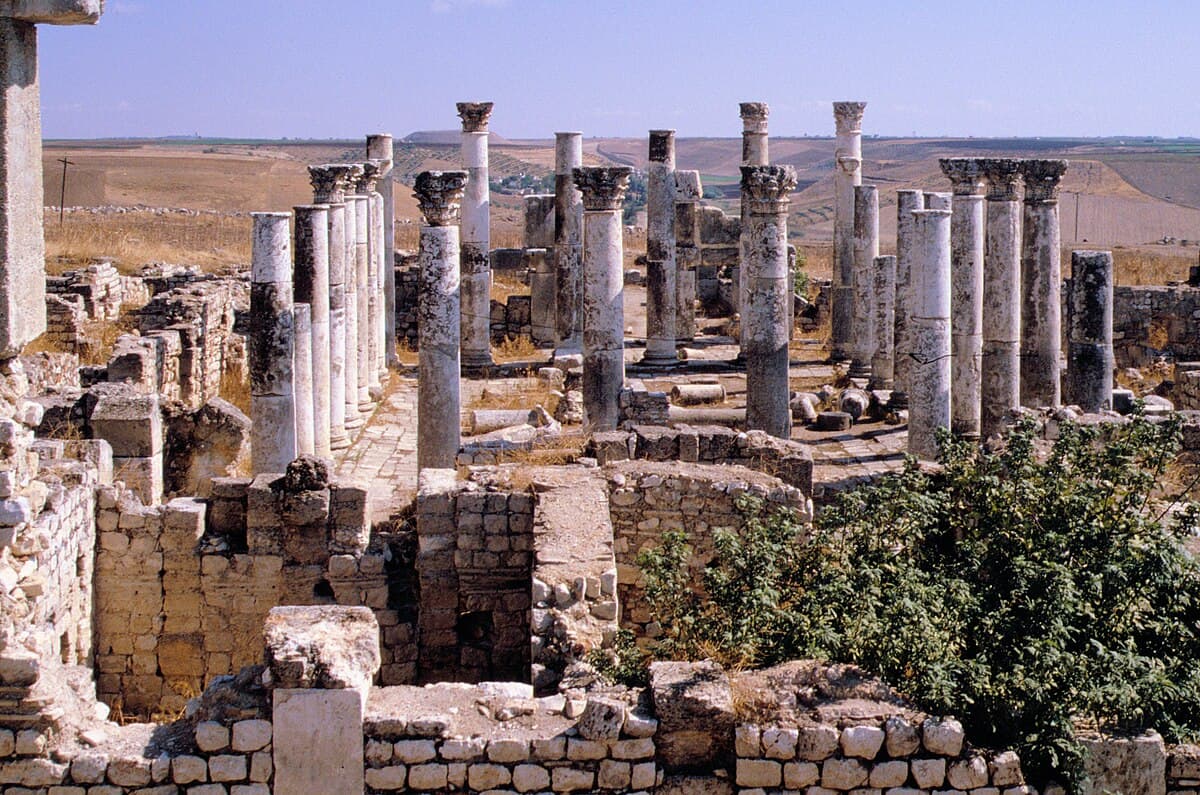
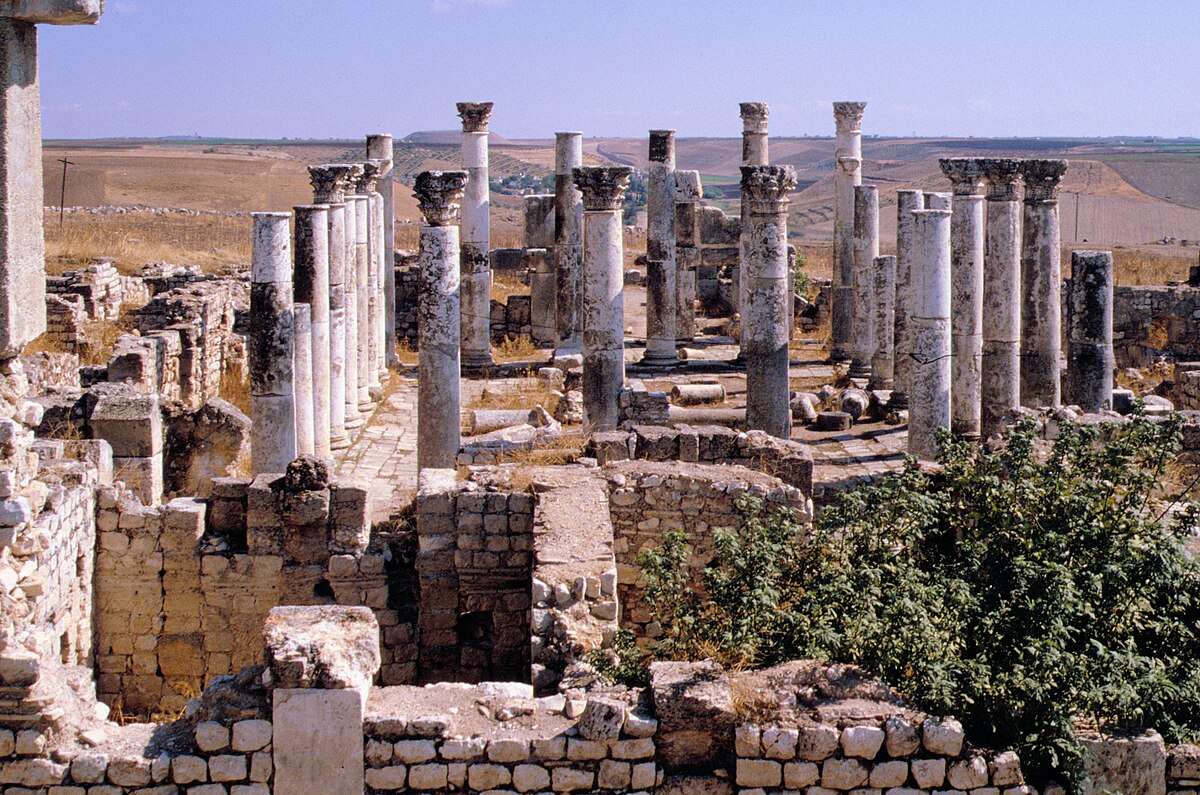
Ruins of Apamea Kibotos

Apamea Kibotos

Dinar300 bce – 700 ce
HellenisticRomanGreekRomanAfyonkarahisar

Original Name

Kelainai — major Phrygian and Persian center

Alexander

Winter quarters of Alexander the Great, 333 BCE

Trade

One of five greatest commercial centers in Roman Asia

Coinage

Earliest known numismatic depictions of Noah's Ark

River

At the headwaters of the Maeander River

Modern

Largely unexcavated beneath modern Dinar

Apamea Kibotos exemplifies how geography creates wealth.”

Wfrom_wikipedia

Apamea Kibotos was a wealthy Hellenistic and Roman trade city in Phrygia where Alexander the Great wintered, known for its commerce and Noah's Ark coinage.

read_wikipedia

overview

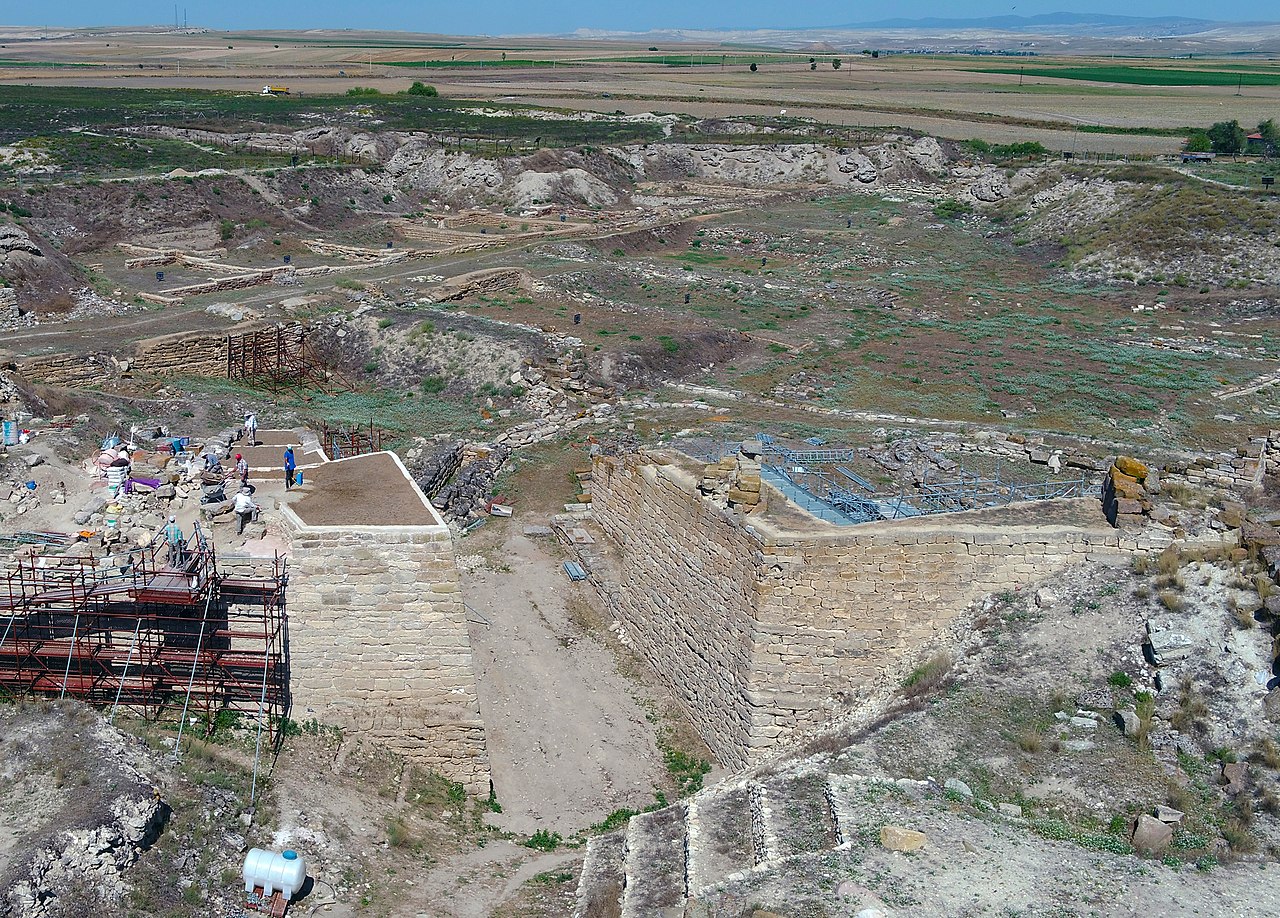
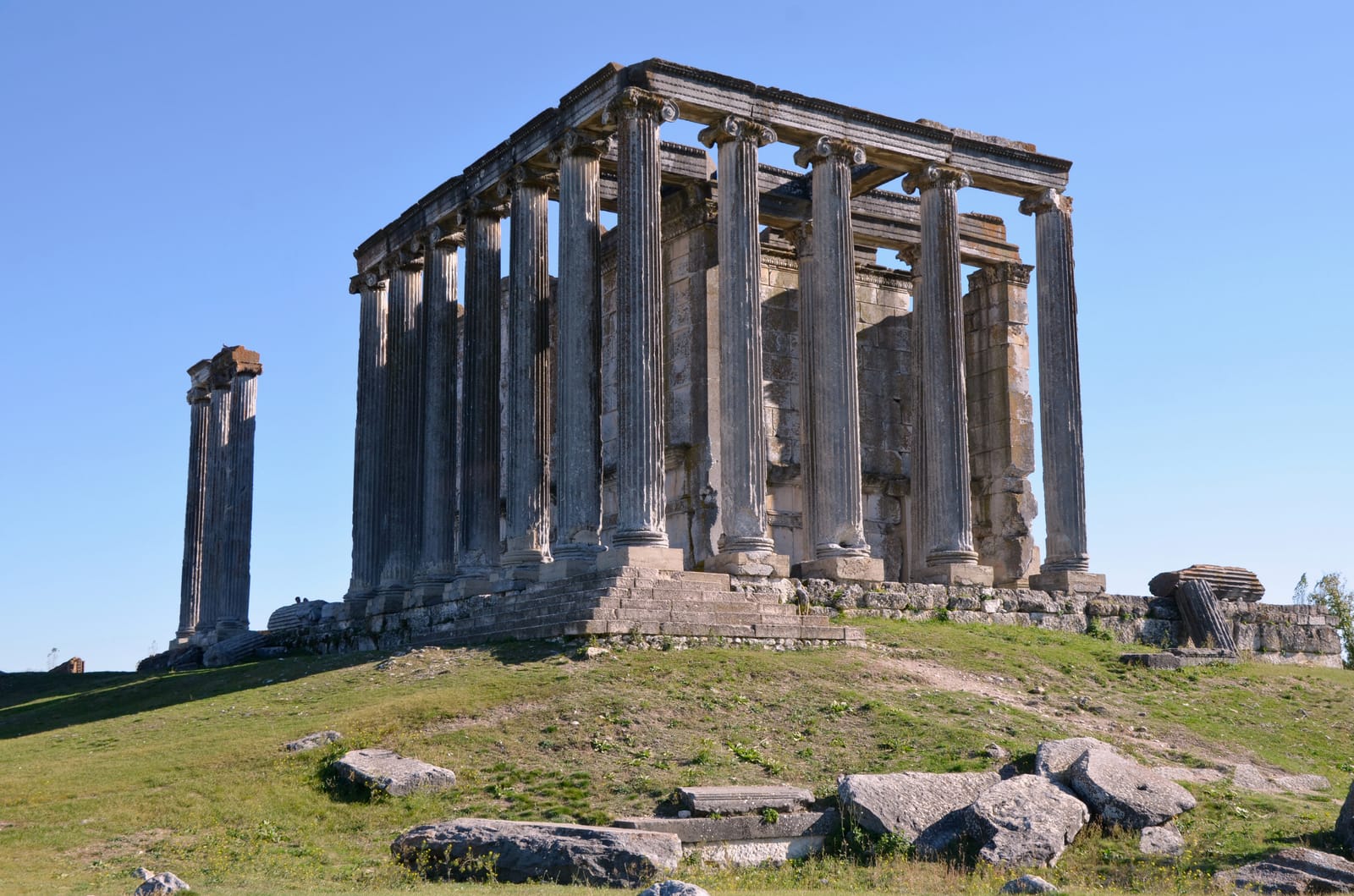
Apamea Kibotos, near modern Dinar in Afyonkarahisar province, was one of the most commercially important cities of ancient Anatolia, strategically positioned at the headwaters of the Maeander River where the major trade routes from the Aegean coast to the interior highlands converged. The epithet "Kibotos" (meaning "chest" or "ark") likely referred to the city's role as a treasure house of trade goods, though later Christian tradition associated it with Noah's Ark. The site was originally Kelainai, a major Phrygian settlement and later a Persian administrative center where the Great King maintained a palace and paradise garden. When Alexander the Great passed through in 333 BCE, he chose Kelainai as his winter headquarters, recognizing both its strategic position and the quality of its fortifications. His successor Antiochus I Soter refounded the city as Apamea in honor of his mother Apama, populating it with settlers from across his realm. Under Roman rule, Apamea became one of the five greatest commercial centers of the province of Asia. Cicero used the city as a base during his governorship, and the geographer Strabo described it as a major emporium where goods from Italy and Greece were exchanged with products from Central Asia. The city's biannual fairs attracted merchants from across the Roman world, and its banking sector handled immense volumes of capital — Cicero described its financial transactions in his letters. The city's coinage is particularly noteworthy. Apamean coins from the 2nd-3rd centuries CE depict Noah's Ark, making them among the earliest known visual representations of the biblical flood narrative. This imagery reflects the local tradition identifying the Phrygian highlands with the landing place of the Ark, a tradition that competed with the better-known Armenian identification with Mount Ararat. The ancient site, largely unexcavated beneath modern Dinar, preserves a theater, stadium, portions of the city walls, and extensive necropolis areas. The sources of the Maeander River, which emerge from the hillside in dramatic springs, were sacred in antiquity and remain a natural landmark today.
why_it_matters

Apamea Kibotos exemplifies how geography creates wealth. Positioned at the intersection of Anatolia's primary trade arteries, the city channeled the commerce of empires for centuries. From Alexander's strategic recognition of the site to Cicero's financial dealings, Apamea's story reveals how trade hubs shaped the ancient economy. The city's Noah's Ark coinage provides a fascinating case study in the intersection of local tradition, religious identity, and numismatic art. As a largely unexcavated major city, Apamea holds enormous potential for future archaeological research that could transform understanding of Anatolian urbanism and commerce.

evidence

evidence_desc

confirmed

3
  • Arrian (Anabasis 1.29) records Alexander the Great using Kelainai as his winter quarters in 333 BCE and describes the Persian palace and paradise gardens at the site.
  • Strabo (Geography 12.8.15) describes Apamea as a great emporium and the second most important city of Asia after Ephesus in terms of commerce.
  • Bronze coins minted at Apamea in the 2nd-3rd centuries CE depict Noah, his wife, and the Ark, confirmed by inscriptions reading NΩΕ (Noah).

inferred

2
  • The convergence of major trade routes at Apamea — from the Aegean, Central Anatolia, and Syria — explains the city's extraordinary commercial importance described in ancient sources.
  • Cicero's references to banking and financial transactions at Apamea suggest the city functioned as a major financial center, not merely a goods market.

debated

1
  • Whether the Noah's Ark tradition at Apamea represents an independent local flood narrative or was influenced by the Jewish community known to have resided in the city is debated.

excavation

1880

Early European travelers

Western visitors documented visible ruins including the theater, stadium, and city wall fragments, establishing the identification of the site with ancient Apamea.

1935

Survey and mapping

Turkish archaeological survey documented the extent of the ancient city, identifying major public buildings and necropolis areas beneath and around modern Dinar.

1970

Necropolis investigations

Limited excavations in the cemetery areas yielded sarcophagi, inscriptions, and grave goods documenting the city's prosperity from the Hellenistic through Late Roman periods.

2005

Geophysical survey

Non-invasive geophysical prospection revealed the buried street grid and public building foundations, confirming Apamea's scale as a major urban center.

2018

Theater conservation

Conservation assessment and partial clearance of the Roman theater documented its construction phases and seating capacity.

more_photos

artifacts

Community Photos

Share your experience

Have you visited this site? Upload your photos to help others discover it.

location

related_sites

sources

  • Apamea in Phrygia: From Kelainai to DinarThomas Drew-Bear (1999)
  • The Ancient EconomyMoses Finley (1973)
  • Wikipedia — Apamea (Phrygia)link

papers