Overview
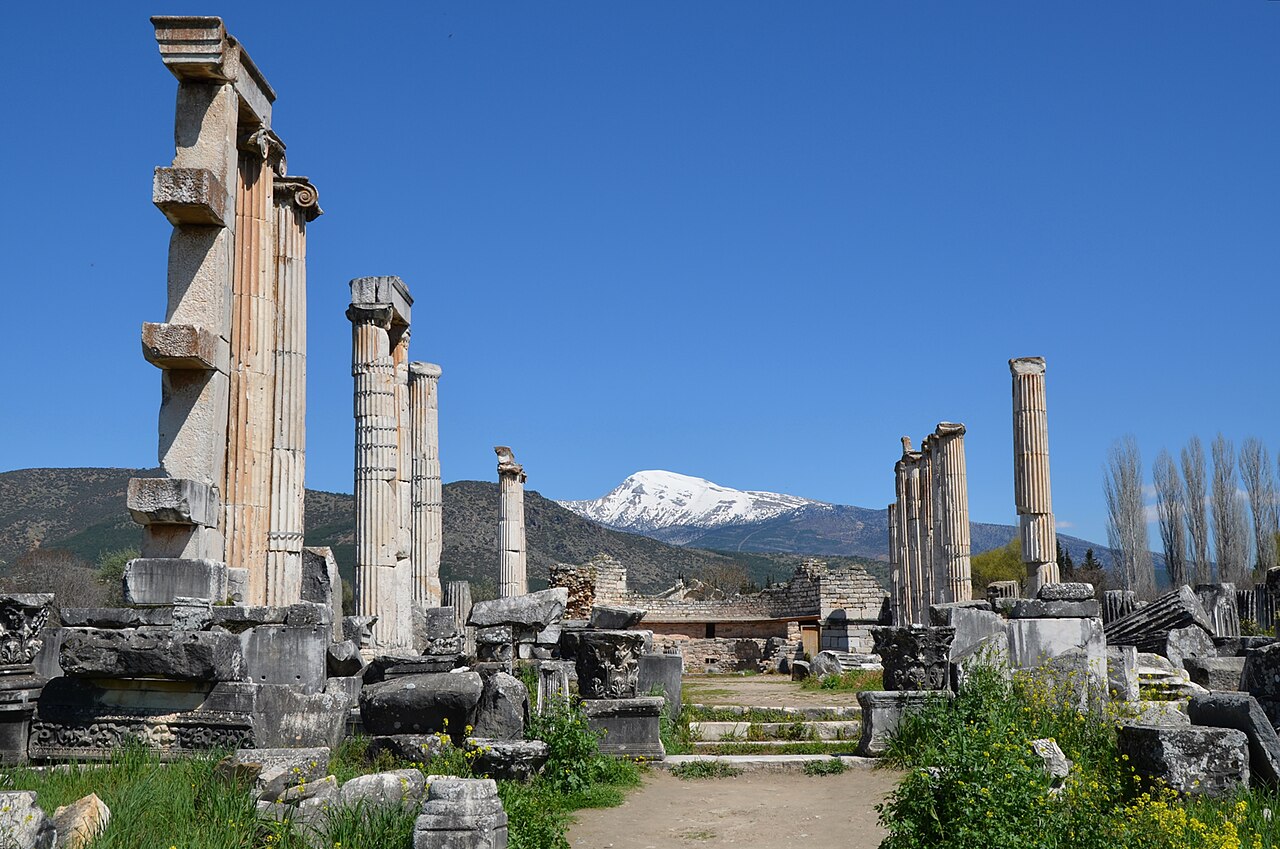
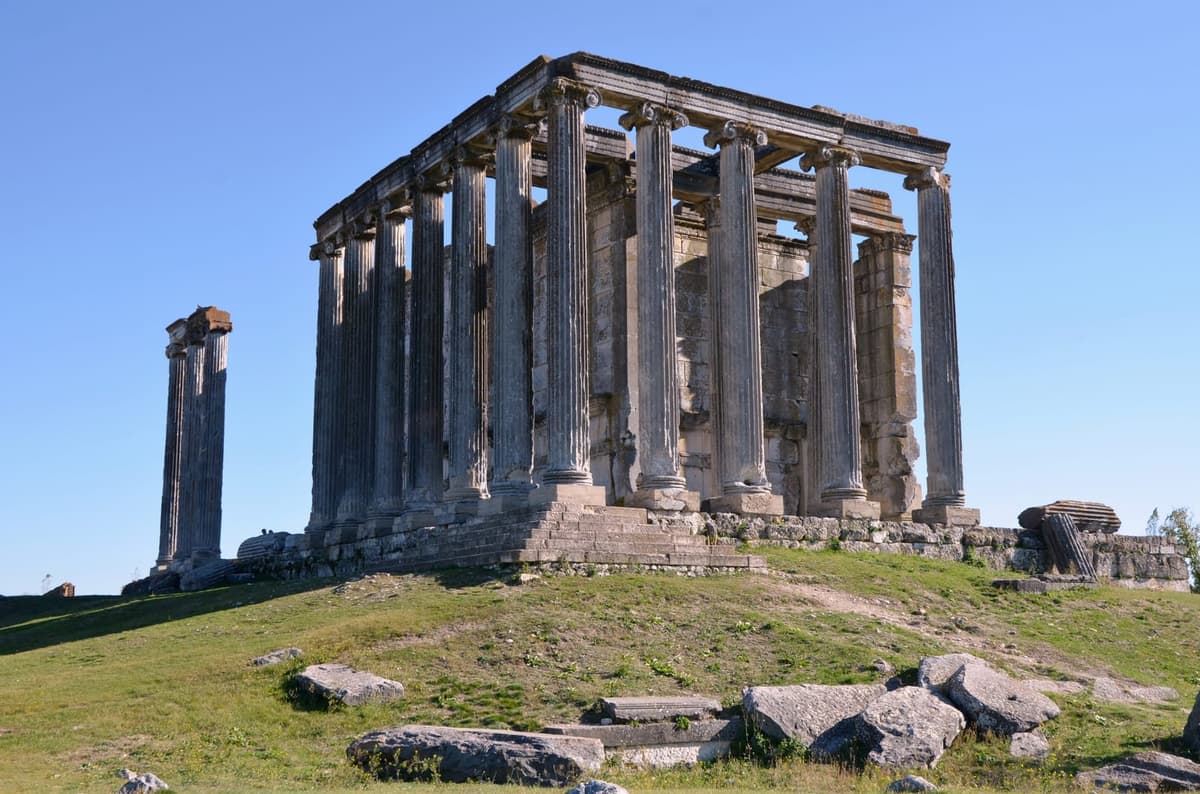
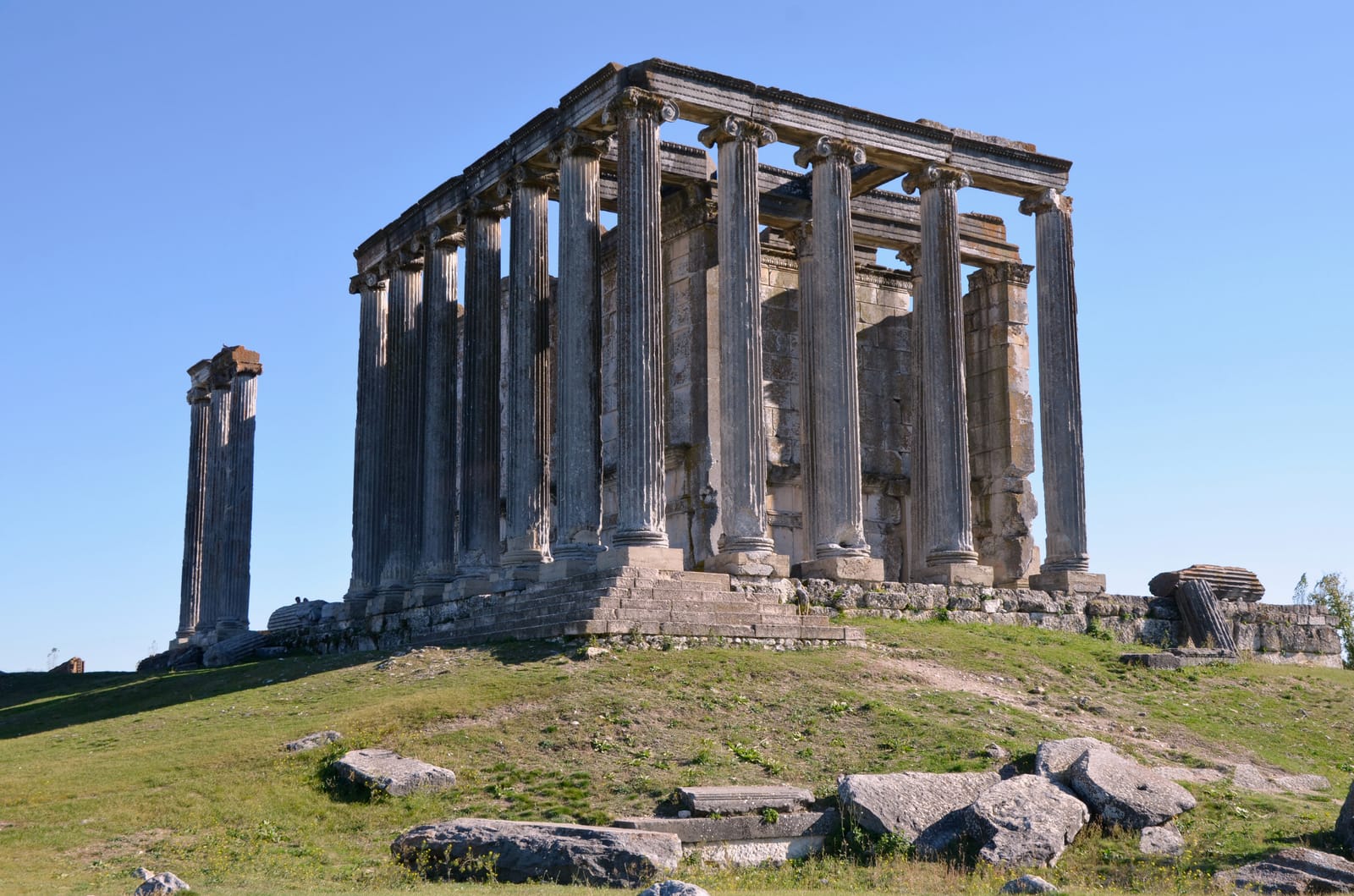
Aizanoi is one of Anatolia's most underrated archaeological treasures. Located in the remote highlands of Kutahya Province, far from the tourist trail, this Roman city preserves monuments of exceptional quality — most notably the Temple of Zeus, the best-preserved Roman temple in all of Anatolia.
The Temple of Zeus, built during the reign of Hadrian (117-138 CE), stands nearly complete with its columns, cella walls, and entablature intact. Uniquely, the temple contains a basement level that served as a sanctuary to the goddess Cybele — a rare double-deity temple combining Olympian and Anatolian religious traditions. Marble sculpture fragments from the temple pediment depicting Zeus and Cybele mythology are preserved in the site museum.
"Aizanoi is a small city, but it has a temple of Zeus which is the most beautiful of all the temples in Asia."
— Pausanias, Description of Greece (c. 150-175 CE)
Aizanoi's stadium-theatre is architecturally unique in the Roman world. The two structures share a common wall, allowing the elliptical stadium and the semi-circular theatre to function as a single entertainment complex. The stadium could seat approximately 13,500 spectators.
Perhaps Aizanoi's most unexpected contribution to history is a Roman-era price edict inscribed on the walls of the macellum (market hall). This Diocletian-era inscription lists regulated prices for commodities and services, providing one of the most detailed records of Roman economic regulation ever found. Some scholars consider this the world's earliest known stock exchange pricing document.

Aizanoi Village 2219 | Dosseman (CC BY-SA 4.0)
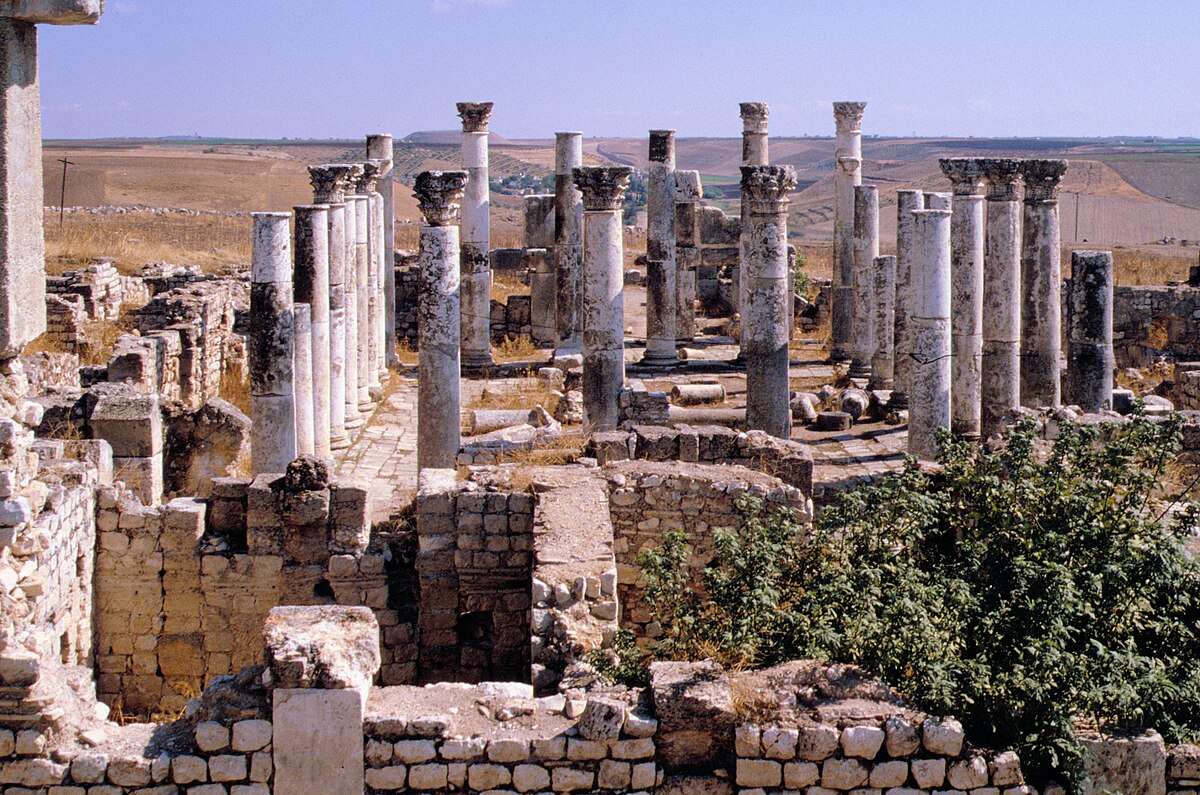
The city's infrastructure reveals its prosperity. A 400-meter-long colonnaded street, the stoa, formed a major commercial and social artery. Five Roman bridges, one exceptionally preserved, crossed the Penkalas (Kocaçay) River, connecting the city's districts and facilitating regional trade. The macellum (market building), beyond its famous price edict, was a circular, domed structure showcasing sophisticated engineering.
Daily life in Aizanoi was supported by extensive agricultural lands, evidenced by numerous rural villas and presses. Its location on trade routes allowed it to export grain, wool, and wine. The city minted its own bronze coins from the 2nd century BCE until the reign of Emperor Gallienus (mid-3rd century CE), depicting local cult figures and emperors.
Aizanoi declined after the 7th century CE, likely due to Arab raids and a major earthquake. It was later transformed into a fortified settlement, with the stadium and theatre used as a citadel. The site was largely abandoned by the 15th century, its ruins later incorporated into the Ottoman village of Çavdarhisar.