Overview
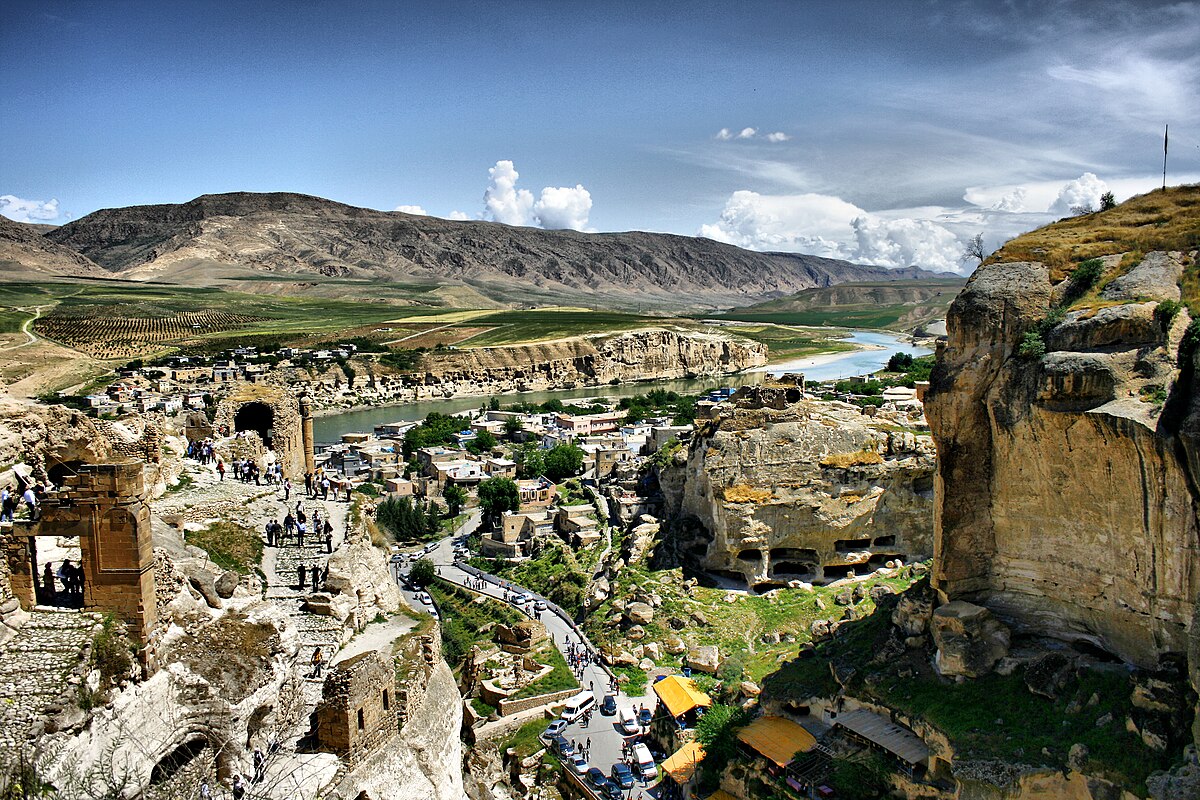
Boncuklu Tarla sits on the banks of the Batman River in southeastern Anatolia, a seemingly modest mound that has yielded one of the most significant prehistoric discoveries of the 21st century. Excavations beginning in 2012, conducted as part of the Ilısu Dam salvage project, revealed a Pre-Pottery Neolithic settlement whose earliest occupation layers stretch back to approximately 10,000 BCE — potentially making it contemporary with or even older than the earliest phases at Göbekli Tepe.
The site's name, meaning "Beaded Field" in Turkish, derives from the extraordinary quantities of stone beads discovered across the settlement. Tens of thousands of beads crafted from chlorite, steatite, agate, and other semi-precious stones point to intensive craft production and long-distance exchange networks that connected communities across the Fertile Crescent during this transformative period. The beads were not merely decorative — many were found in ritualized deposits, suggesting they held deep symbolic meaning.
"In the land of the Tigris, ancient peoples built with stone before the potter's wheel, leaving circles for the gods."
— Strabo, Geographica (c. 20 CE)
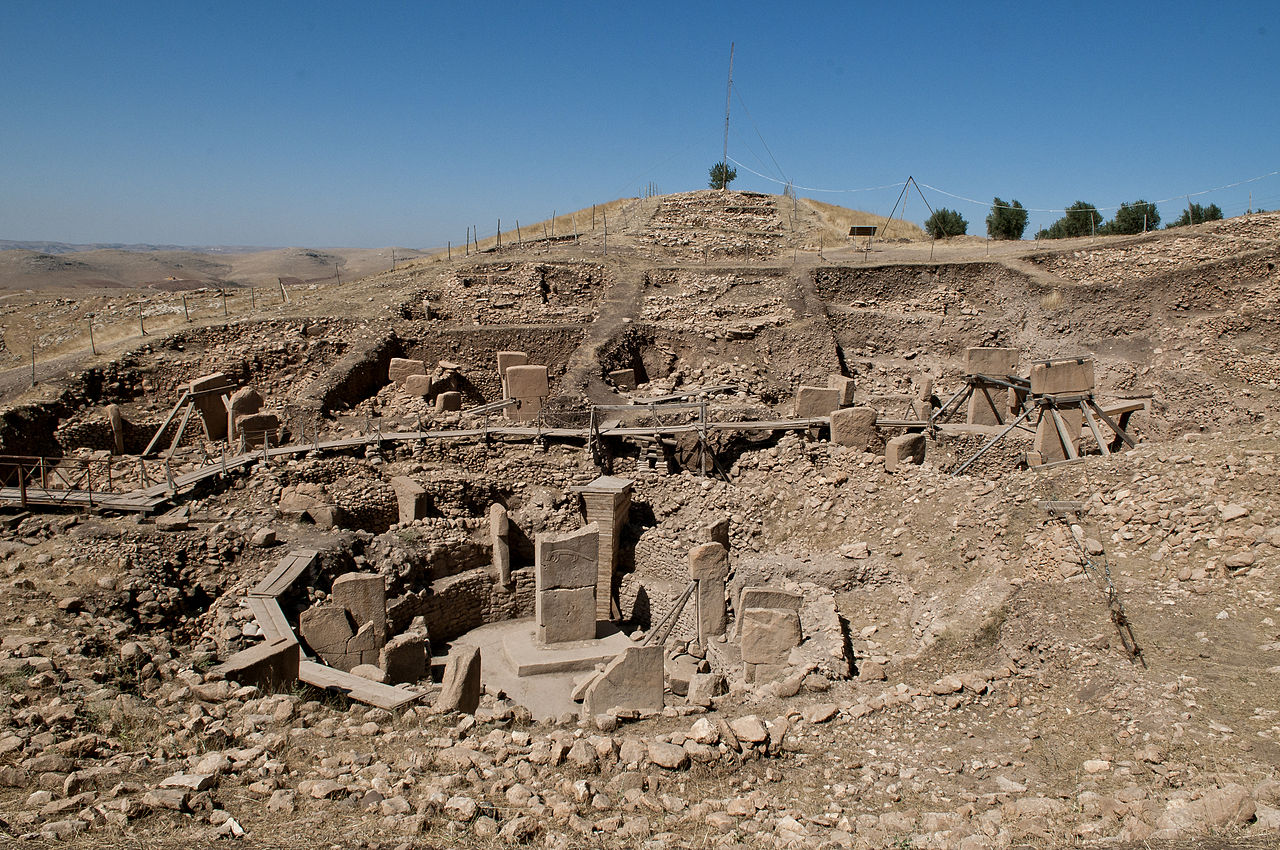
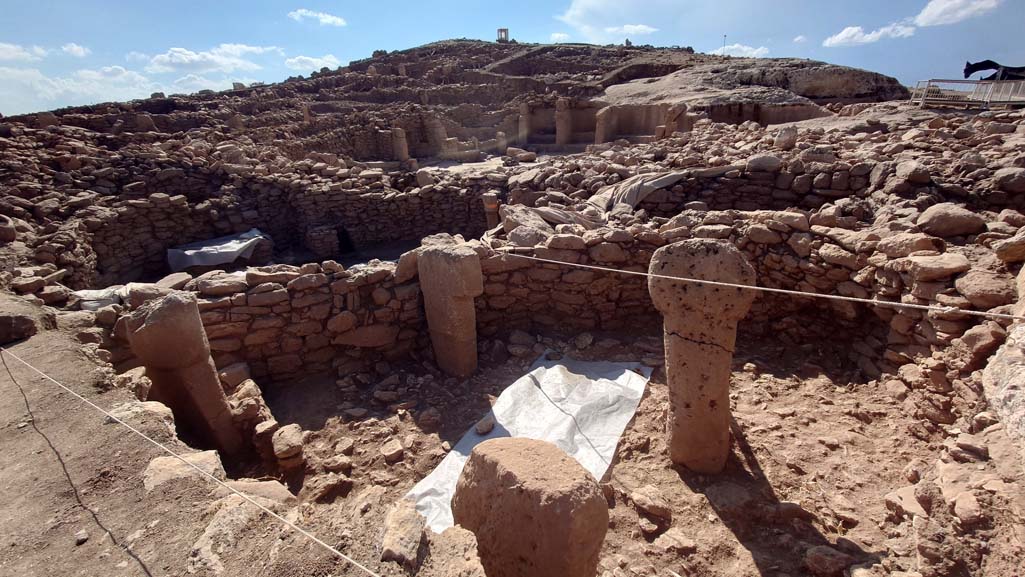
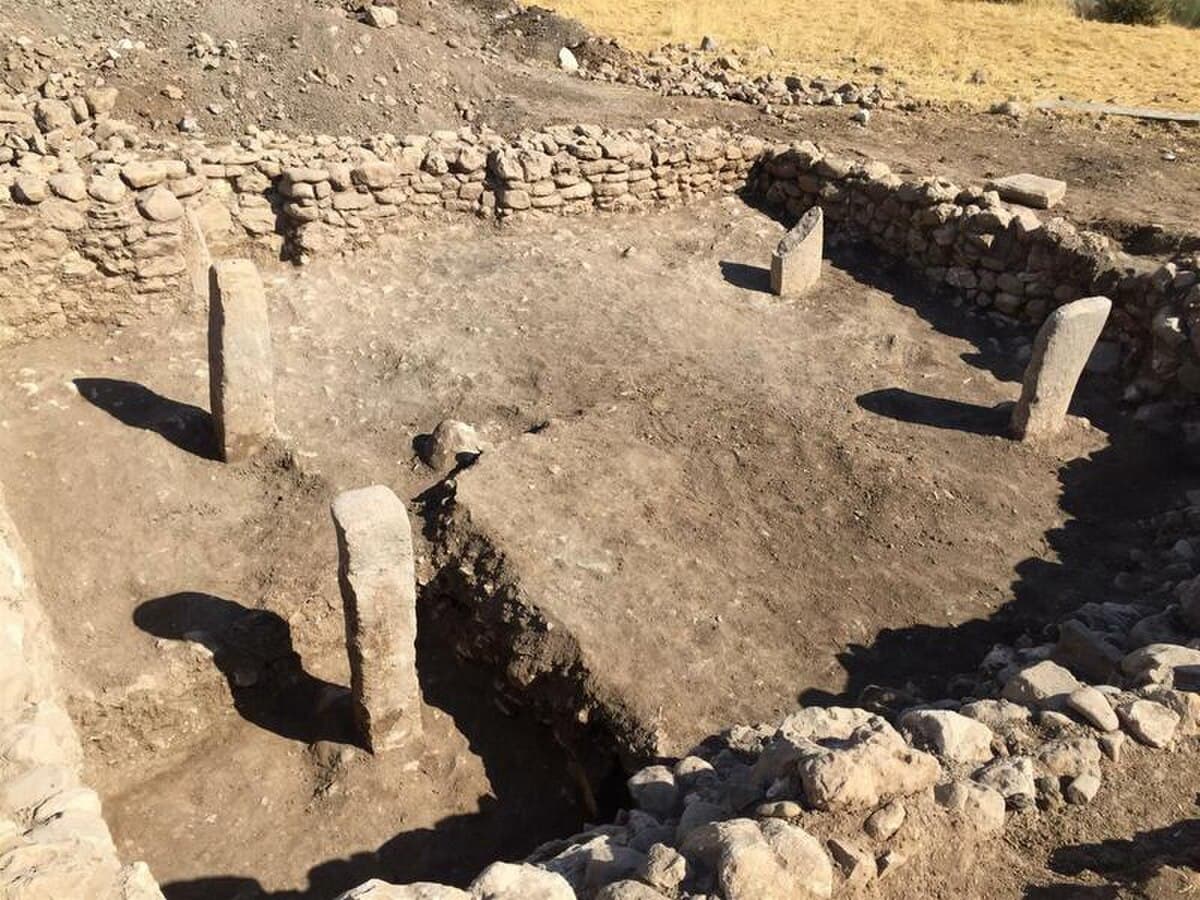
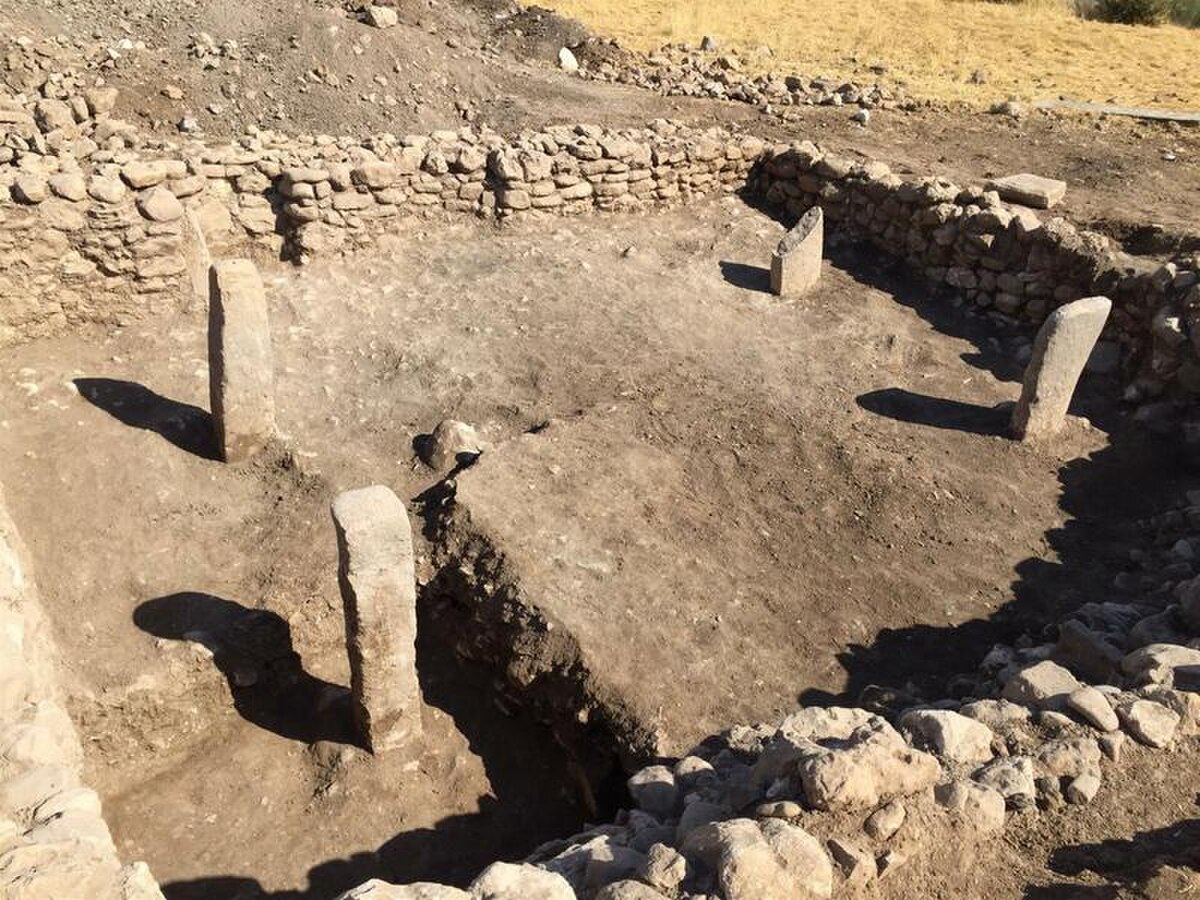
At the heart of the settlement stand communal buildings distinguished by their scale and internal features. These structures contain stone benches, carved pillars, and elaborate floor installations that recall the monumental architecture of Göbekli Tepe and Karahantepe, though on a more intimate scale. The presence of human skull deposits within some buildings aligns with the widespread Neolithic practice of ancestor veneration documented across the region.
The subsistence evidence reveals a community in transition. Wild plant remains and animal bones show that the inhabitants relied primarily on hunting and gathering, yet early experiments with plant cultivation suggest Boncuklu Tarla witnessed some of the first steps toward agriculture. The site thus captures the very moment when human societies began their transformation from mobile foragers to settled farmers — one of the most consequential transitions in all of human history.

Boncuklu Tarla, Dargecit Neolithic temple | AA (CC0)
Tragically, significant portions of the site now lie beneath the rising waters of the Ilısu Dam reservoir, making the excavated evidence all the more precious. What has been recovered paints a picture of a vibrant Neolithic community engaged in craft specialization, ritual practice, and the nascent experiments that would eventually reshape human civilization.