Overview
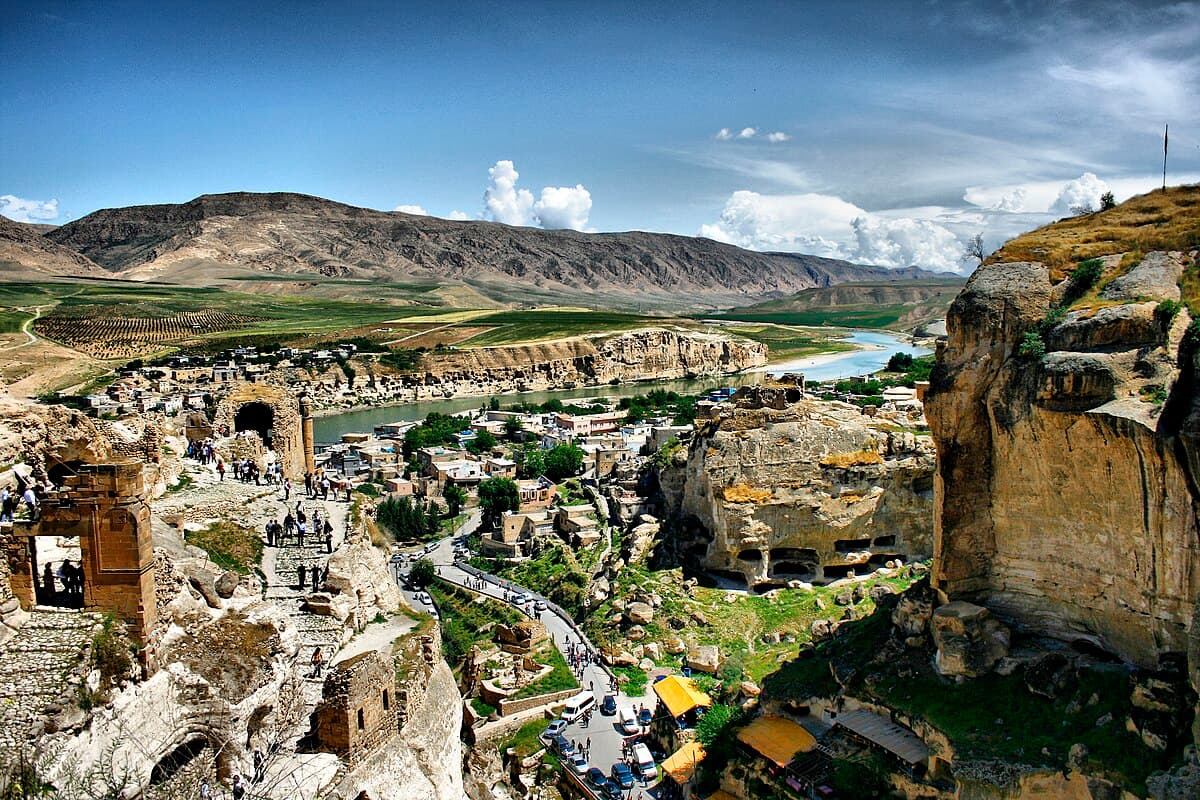
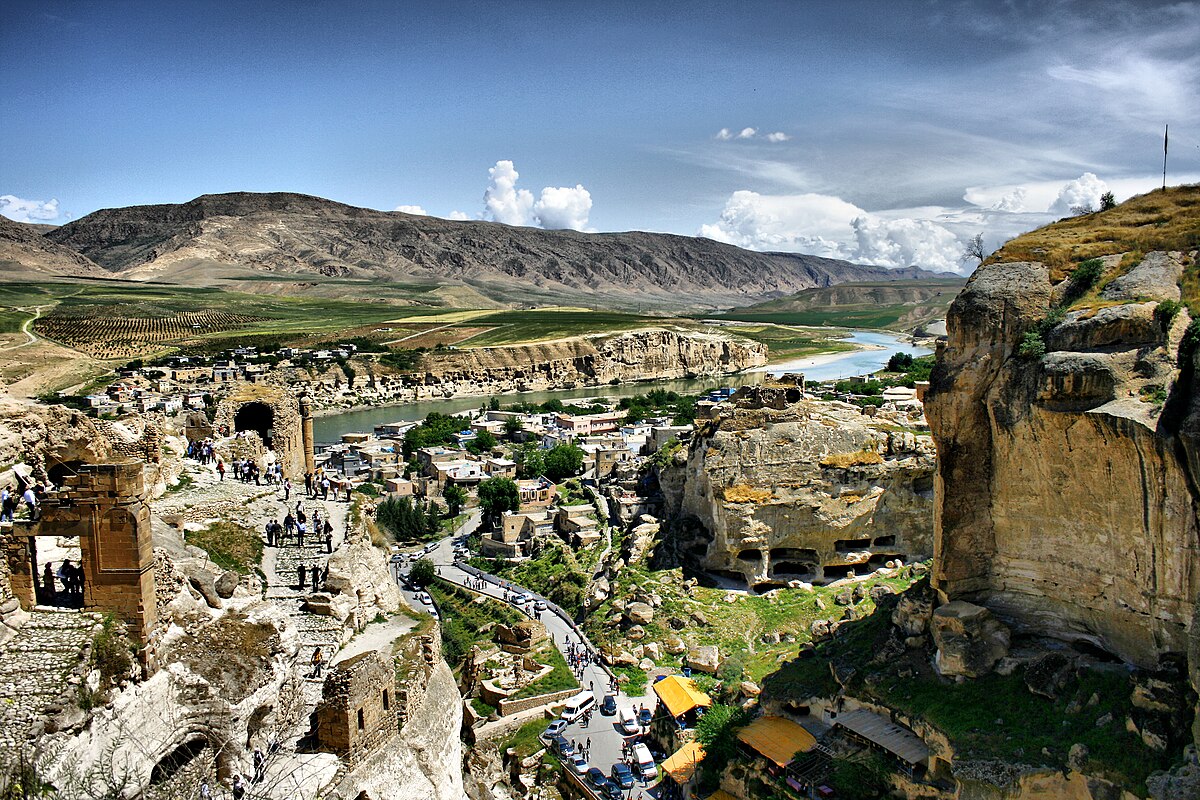
Hasankeyf stands — and now partially stands beneath water — where sheer limestone cliffs rise above the Tigris River in Batman province. For at least 12,000 years, humans found shelter in the natural caves that honeycomb these cliffs, making Hasankeyf one of the oldest continuously inhabited settlements anywhere on Earth. From Neolithic cave dwellers to Roman garrisons, from Artukid princes to Ottoman subjects, the city accumulated layers of human presence as rich as the geological strata of the cliffs themselves.
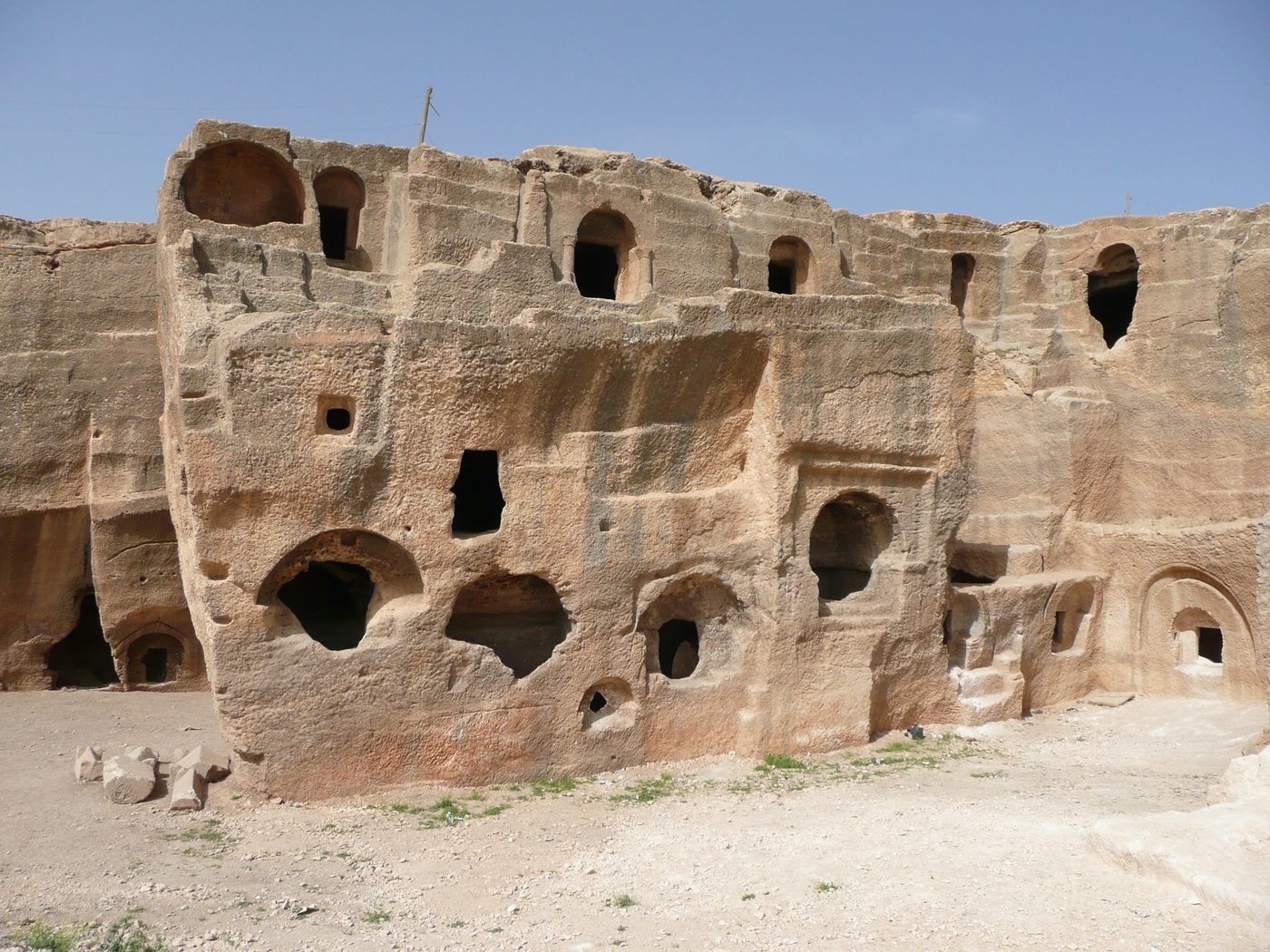
The cave dwellings range from simple sheltered overhangs used since the Mesolithic period to elaborate multi-room complexes carved deep into the rock, some retaining traces of plaster, paint, and built-in furnishings. Above the caves, medieval builders constructed palaces, mosques, tombs, and a caravanserai directly atop the cliff face, creating a vertical cityscape that merged natural geology with human architecture in a way found almost nowhere else.
"The city of Hisn Kayfa is a strong fortress on the Tigris, with a great bridge of many arches."
— Ibn Battuta, 14th century
The most celebrated monument was the Bridge of Hasankeyf, whose massive piers spanning the Tigris were among the largest medieval bridge structures in the world. Though only two piers survived to the modern era, their scale testified to the engineering ambition of the Artukid builders. The Tomb of Zeynel Bey, a cylindrical mausoleum decorated with blue tiles, and the remains of the Great Palace on the cliff summit represented the finest surviving examples of Artukid secular and funerary architecture.
In 2020, the rising waters of the Ilısu Dam reservoir began submerging Hasankeyf's lower city, including the bridge piers, cave complexes, and significant portions of the medieval settlement. Despite an international campaign to save the site, and the physical relocation of a few monuments including the Tomb of Zeynel Bey and the El Rızk Mosque to higher ground in a new archaeological park, the vast majority of the site was lost beneath the reservoir.

Hasankeyf P1040876 20080425150701 pano cr | Nevit Dilmen (CC BY-SA 3.0)
The flooding of Hasankeyf represents one of the most significant heritage losses of the 21st century. The drowned cave complexes contained unexcavated archaeological deposits spanning twelve millennia, and the submerged medieval city fabric was irreplaceable. What survives — relocated monuments, the upper cliff areas, and the records from rescue excavations — preserves only a fraction of what existed.