Atlas AnatoliaAtlas Anatolia
Historic Mardin cliff city

Mardin

3000 bce – 1500 ce
Bronze AgeMedievalAssyrianRomanSeljuk+1Mardin

Setting

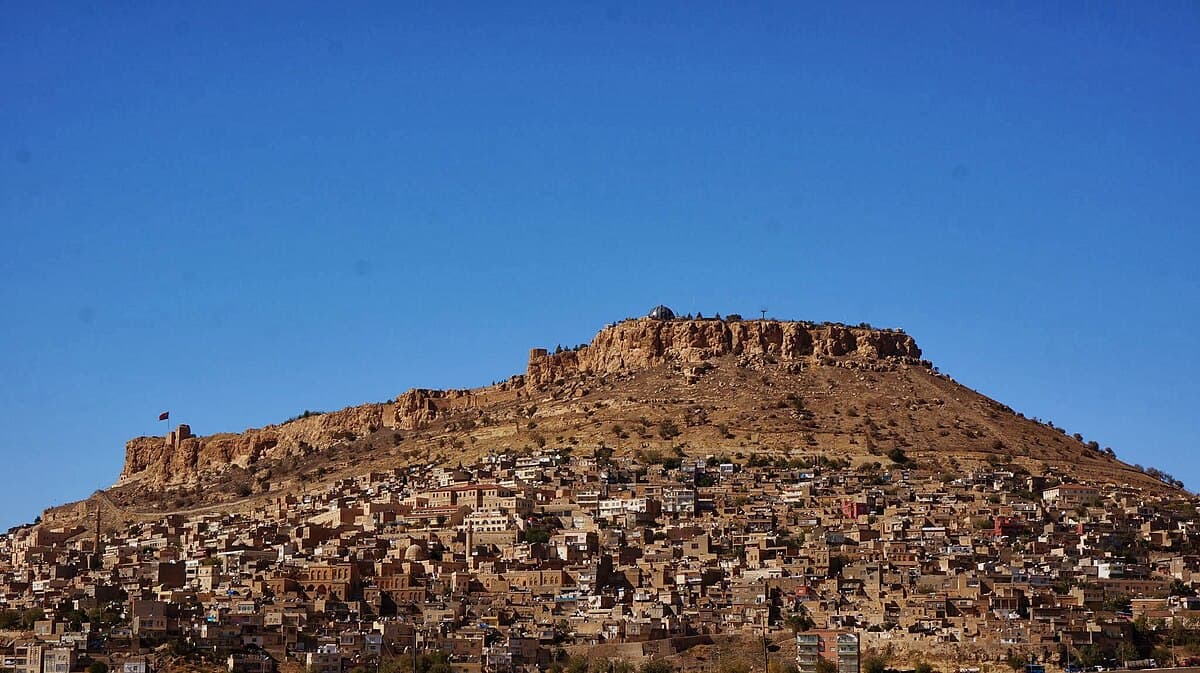
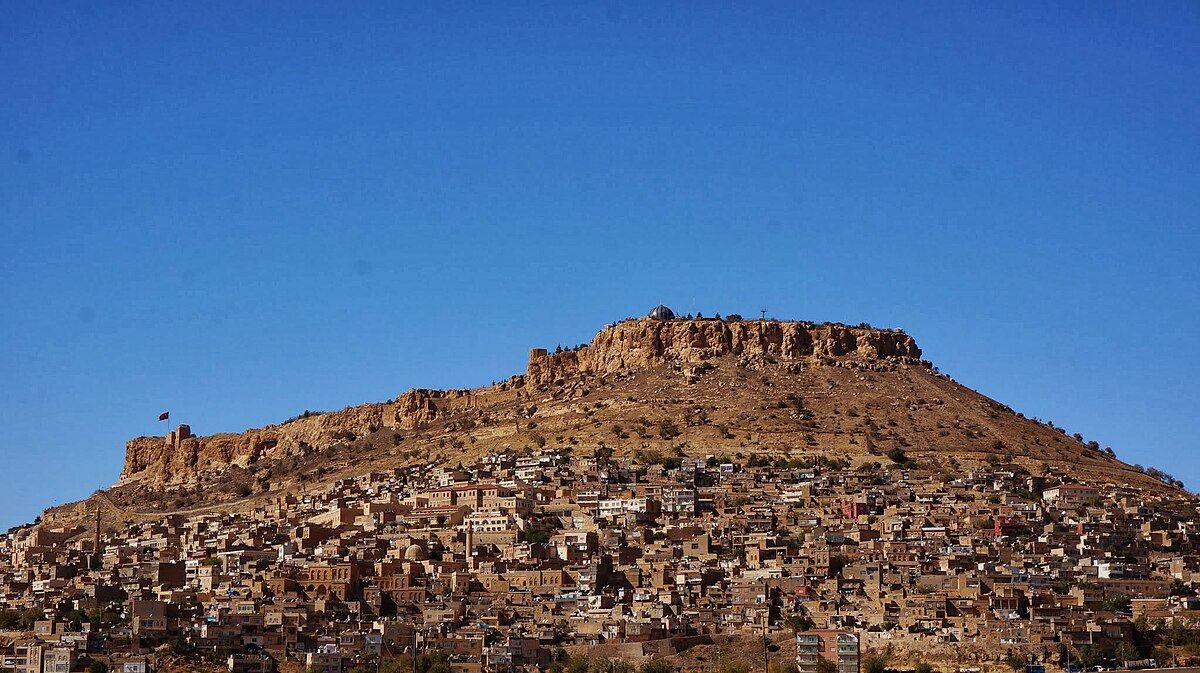
Sandstone city cascading down an escarpment above the Mesopotamian plain

Deyrulzafaran

Saffron Monastery — seat of the Syriac Orthodox Patriarchate

Artukids

12th–15th century Turkish dynasty that built the major madrasas

Diversity

Turkish, Syriac Christian, Arab, Kurdish, and Yazidi communities

Architecture

Golden limestone buildings creating a unique terraced urban silhouette

UNESCO

On the UNESCO World Heritage Tentative List

Mardin is a living testimony to the possibility of cultural coexistence — a city where Islamic, Christian, and pre-Christian traditions have created shared urban spaces of extraordinary beauty.”

Wfrom_wikipedia

Mardin is a Mesopotamian cliff city in southeastern Turkey, famed for its Artukid architecture, Syriac monasteries, and golden sandstone buildings cascading down a dramatic escarpment.

read_wikipedia

overview

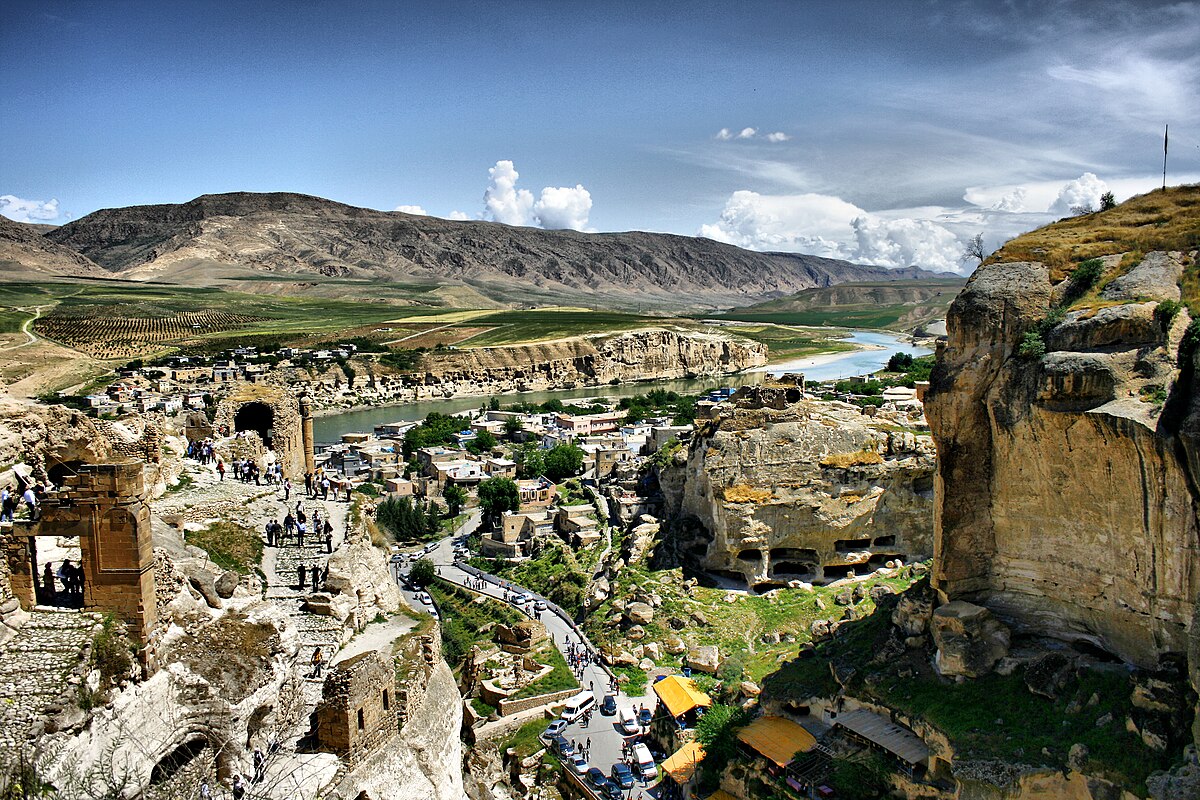
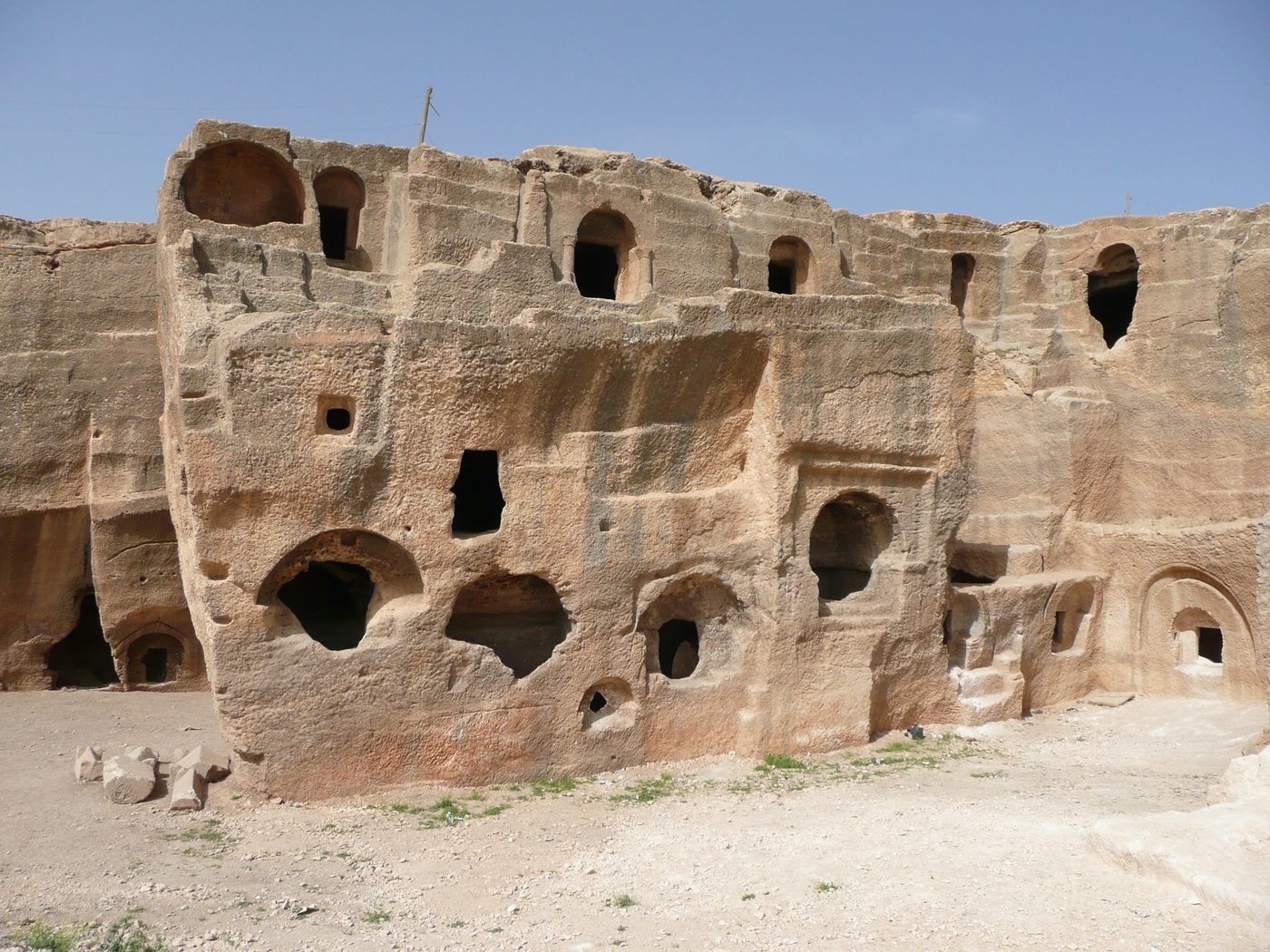
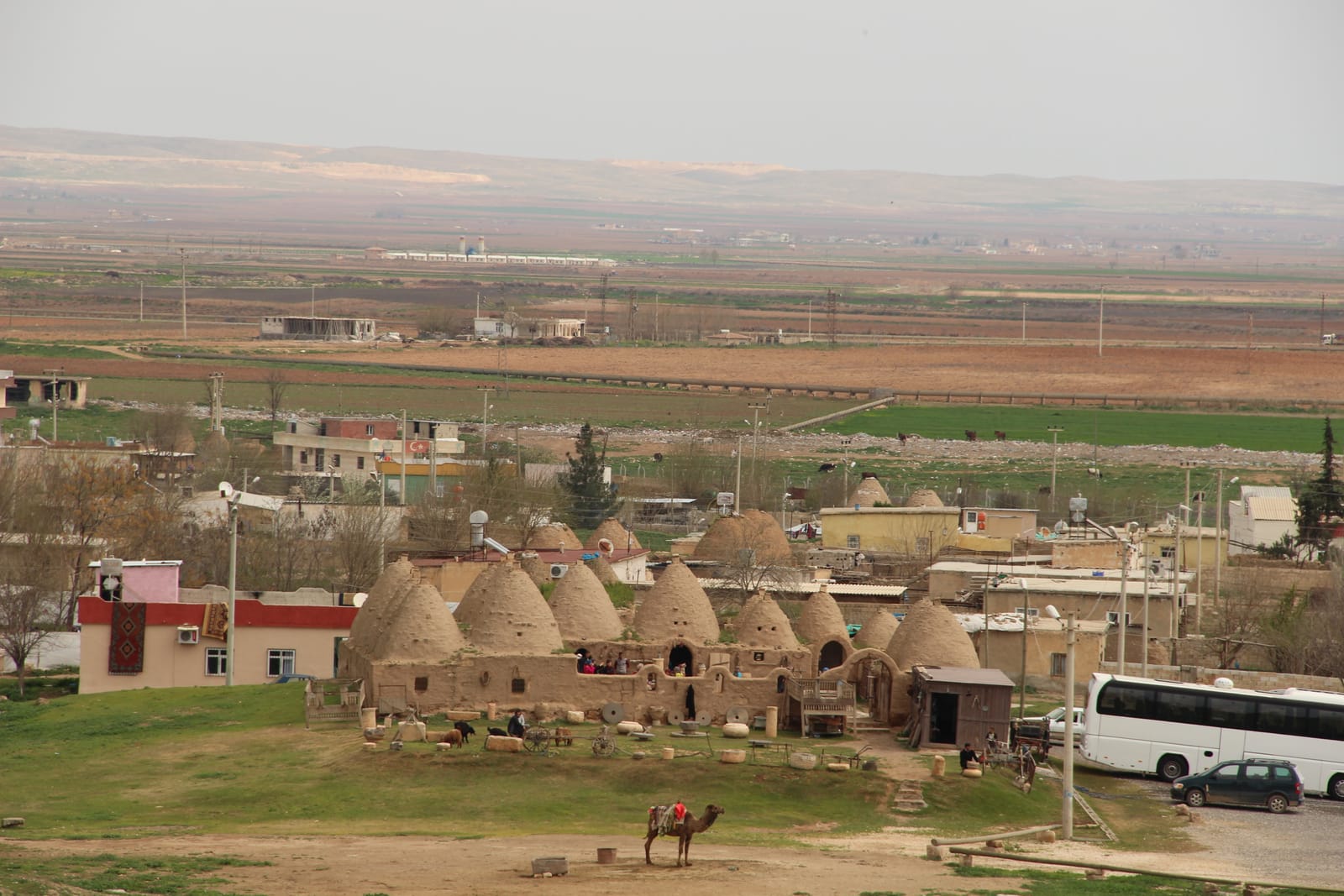
Mardin rises from the Mesopotamian plain like a sandstone apparition, its honey-colored buildings cascading down the steep southern face of a rocky massif that has served as a natural fortress since the Bronze Age. The city's dramatic setting — with sweeping views across the Syrian plain to the distant shimmer of the Tigris — is matched by an urban fabric of extraordinary architectural richness, where Artukid madrasas, Syriac churches, mosques, and Ottoman mansions coexist in a dense, terraced cityscape unlike anywhere else in Turkey. The rock upon which Mardin sits has attracted settlement since at least the third millennium BCE, when the region fell within the orbit of Mesopotamian civilizations. Assyrian texts mention the citadel, and the location commanded the routes connecting the Tigris valley with the Mediterranean world. Under Roman and Byzantine rule, Mardin served as a frontier garrison, and the surrounding region became a heartland of Syriac Christianity — a tradition that survives to this day at the magnificent Deyrulzafaran (Saffron) Monastery, which served as the seat of the Syriac Orthodox Patriarchate for centuries. The Artukid Turkish dynasty (12th-15th centuries) gave Mardin its most distinctive architectural character. The Zinciriye Medresesi, the Kasımiye Medresesi, and the Ulu Camii (Great Mosque) combine Seljuk architectural forms with local Mesopotamian stone-carving traditions, producing buildings of exceptional beauty. The city's madrasas feature elaborate carved portals, geometric decoration, and courtyard plans adapted to the steep topography, with multi-level structures stepping down the hillside in creative architectural solutions. The Mardin cityscape itself is the monument — the terraced arrangement of buildings ensures that each structure serves as a platform for the one above, creating a vertical urban composition where no building obstructs another's view of the plain. This organic urban planning, developed over centuries, produces what many consider the most beautiful continuous urban silhouette in Anatolia. The use of local golden limestone gives the entire city a warm, unified appearance that changes character with the shifting light throughout the day. Mardin's cultural diversity is embodied in its surviving communities. Turkish Muslims, Syriac Christians, Arabs, Kurds, and Yazidis have lived together within these walls for centuries, creating a multilingual, multi-faith society whose architectural heritage reflects this coexistence in stone.
why_it_matters

Mardin is a living testimony to the possibility of cultural coexistence — a city where Islamic, Christian, and pre-Christian traditions have created shared urban spaces of extraordinary beauty. The Artukid architectural heritage represents a uniquely Anatolian synthesis of Turkish, Arab, and Syrian artistic traditions found nowhere else. The city's continuous occupation from the Bronze Age to the present makes its urban fabric a three-dimensional historical document. Mardin challenges the narrative that the Anatolian-Mesopotamian borderlands were merely a zone of conflict, revealing instead a region where creative cultural exchange produced architectural and artistic achievements of global significance.

evidence

evidence_desc

confirmed

3
  • Foundation inscriptions on the Zinciriye Medresesi (1385) and other Artukid monuments provide precise dates and patron information for the major medieval buildings.
  • Deyrulzafaran Monastery preserves building phases from the 5th century CE onward, with inscriptions documenting its role as the Syriac Orthodox Patriarchal seat from 1160 to 1932.
  • Assyrian texts reference the citadel rock of Mardin as a strategic position in the upper Mesopotamian landscape.

inferred

2
  • The terraced urban layout, where no building obstructs another's view, suggests organic development guided by social conventions rather than formal planning codes.
  • The coexistence of mosques, madrasas, churches, and monasteries within the same urban fabric suggests a high degree of religious tolerance in medieval Mardin, though the power dynamics underlying this coexistence varied over time.

debated

1
  • The relative weight of Seljuk, Arab, Armenian, and Syriac artistic influences in Artukid architectural decoration is actively debated among Islamic art historians.

excavation

1890

Early European documentation

Western travelers produced the first detailed descriptions and photographs of Mardin's Artukid and Syriac monuments, bringing international attention to the city's heritage.

1960

Citadel survey

Archaeological survey of the Mardin citadel documented fortification layers spanning the Bronze Age through the Ottoman period.

2000–2010

Urban conservation program

Major restoration campaign addressed the Zinciriye and Kasımiye madrasas, stabilizing structures and conserving carved stone decoration.

2010

Deyrulzafaran Monastery restoration

Conservation work at the Syriac Orthodox monastery documented building phases from the 5th century CE onward and stabilized the church and cloister.

2015–2020

Heritage inventory project

Comprehensive architectural and archaeological survey catalogued over 200 historic structures in the old city, supporting the UNESCO World Heritage nomination.

more_photos

artifacts

Community Photos

Share your experience

Have you visited this site? Upload your photos to help others discover it.

location

related_sites

sources

  • Mardin: Aşiretler, Cemaatler, KültürlerMehmet Şimşek (2008)
  • Artukid Architecture in Mardin and the Upper MesopotamiaOluş Arık (2003)
  • Wikipedia — Mardinlink

papers