Atlas AnatoliaAtlas Anatolia
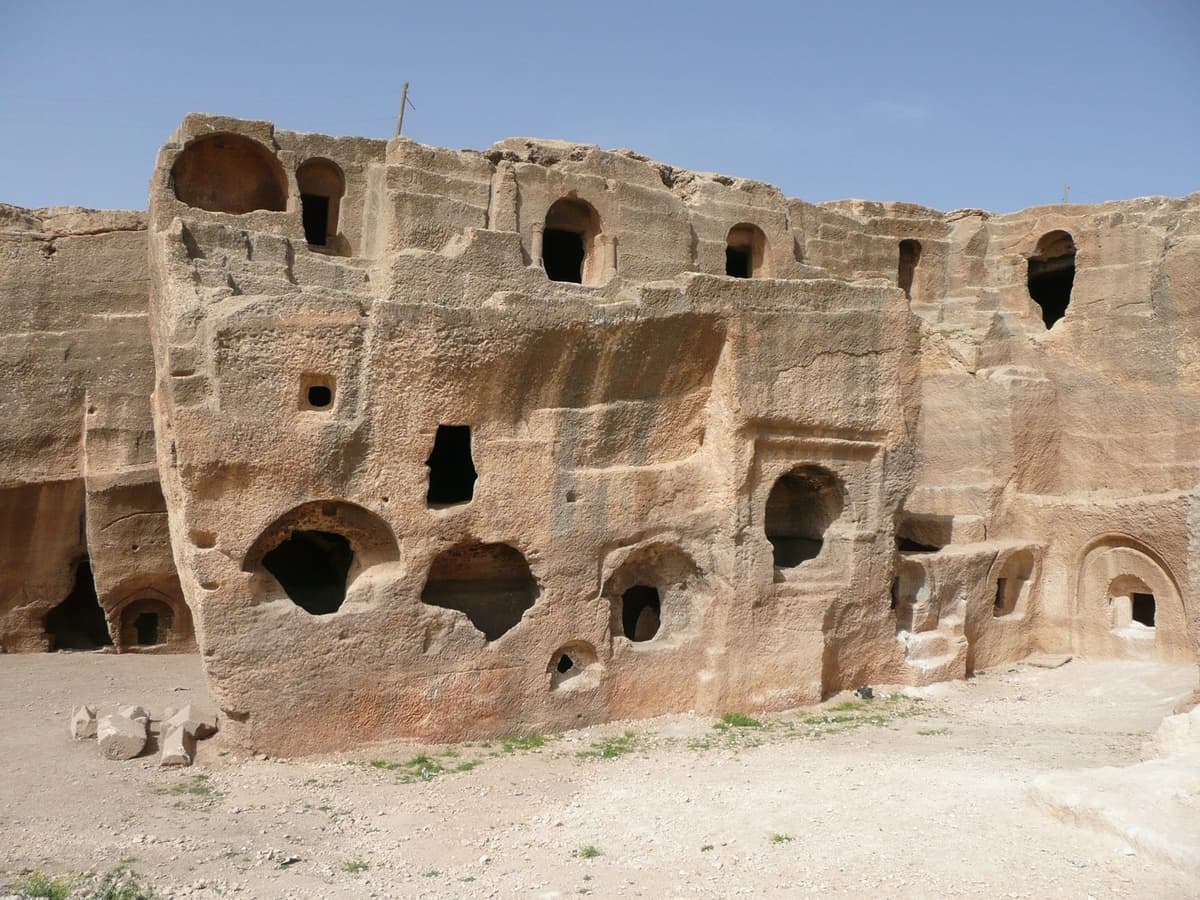
The massive underground cistern and ruins of the fortress city of Dara

Dara (Anastasiopolis)

Dara505 ce – 700 ce
RomanByzantineRomanByzantineMardin

Builder

Emperor Anastasius I, built 505-507 CE

Battle of Dara

Belisarius defeated Sasanian Persia here in 530 CE

Cisterns

Enormous underground vaulted water storage systems

Purpose

Military stronghold opposing Sasanian fortress at Nisibis

Dara embodies the centuries-long rivalry between Rome/Byzantium and the Persian empires that shaped the ancient Near East.”

Wfrom_wikipedia

Dara (Anastasiopolis) was a massive Byzantine fortress city in Mesopotamia, built to counter Sasanian Persia, featuring enormous cisterns and the site of Belisarius's famous victory.

read_wikipedia

overview

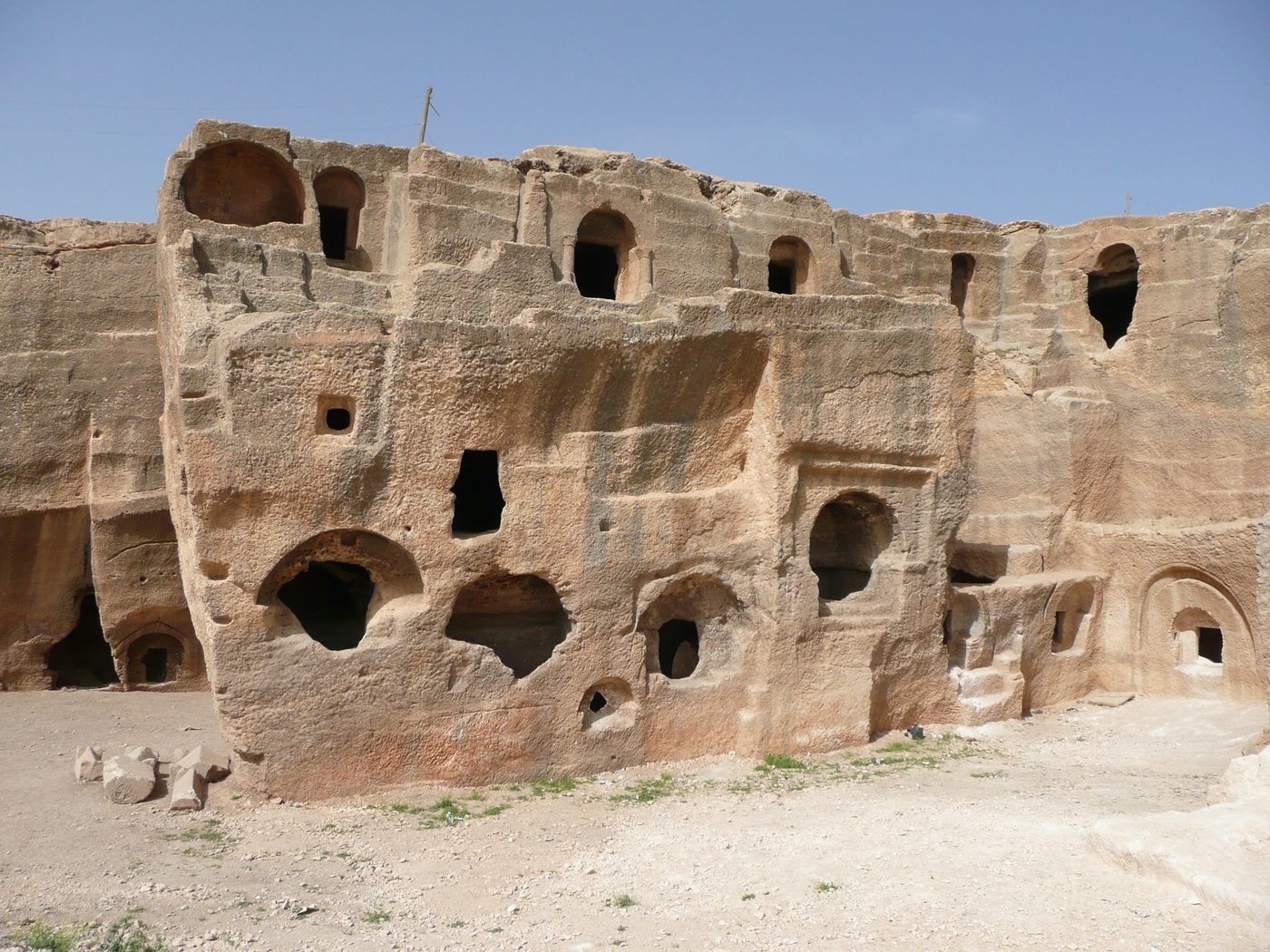
Dara is one of the most impressive and least-known ancient fortress cities in Turkey, rising from the Mesopotamian plains near Mardin just 18 kilometers from the Syrian border. Built between 505-507 CE by Byzantine emperor Anastasius I as a military stronghold to counter the Sasanian Persian fortress at Nisibis (modern Nusaybin), Dara became one of the most formidable military installations in the late Roman world. The city's most striking surviving features are its massive underground cisterns and water management systems — carved deep into the bedrock to sustain the garrison during prolonged sieges. The main cistern is an enormous vaulted space supported by rows of columns, creating a subterranean cathedral of engineering. Above ground, portions of the massive defensive walls, towers, and gateways remain standing, demonstrating Roman military engineering at its most sophisticated. Dara was the site of one of the most celebrated late Roman military victories — the Battle of Dara in 530 CE, where the young general Belisarius defeated a much larger Sasanian army using innovative tactical formations. This battle, described in detail by the historian Procopius, launched Belisarius on his career as one of the greatest generals in Byzantine history. The surrounding landscape preserves a vast rock-cut necropolis with hundreds of tombs carved into cliff faces, many with architectural facades. The quarries that supplied the fortress's building stone are also visible, offering insight into the massive construction effort required to build an entire city in just two years.

why_it_matters

Dara embodies the centuries-long rivalry between Rome/Byzantium and the Persian empires that shaped the ancient Near East. As a purpose-built military city, it provides unparalleled insight into late Roman military architecture, siege engineering, and logistical planning. The Battle of Dara marks the beginning of Belisarius's legendary career, connecting the site to one of the most fascinating military commanders in history. The massive cisterns and water systems demonstrate how the Romans solved the fundamental challenge of sustaining a large garrison in the arid Mesopotamian landscape.

evidence

evidence_desc

confirmed

3
  • Procopius (Buildings 2.1-3 and Wars 1.13-14) provides detailed accounts of Dara's construction by Anastasius I and the Battle of Dara under Belisarius in 530 CE.
  • The massive underground cisterns, carved into bedrock with vaulted ceilings supported by stone columns, have been archaeologically documented and partially cleared for public access.
  • Defensive wall sections with towers remain standing to significant heights, confirming Procopius's description of the fortification system.

inferred

1
  • The speed of construction (just two years for a complete fortress city) suggests the deployment of massive labor forces and prefabricated building techniques.

debated

1
  • The exact layout of the Battle of Dara, including Belisarius's famous trench system, is debated among military historians attempting to reconcile Procopius's account with the terrain.

excavation

1986–1991

Initial surveys

Turkish archaeological surveys documented the defensive walls, cisterns, and necropolis, establishing the site's extent and significance.

2011–2018

Mardin Museum excavations

Systematic excavations uncovered additional cistern chambers, sections of the defensive walls, and portions of the internal city plan including churches and administrative buildings.

2019

Conservation and tourism development

Major conservation project stabilized the underground cisterns for public access and improved visitor infrastructure at the site.

Community Photos

Share your experience

Have you visited this site? Upload your photos to help others discover it.

location

sources

  • Procopius: The Wars, Buildings, Secret HistoryProcopius (trans. H.B. Dewing) (1914)
  • Dara-Anastasiopolis: A Late Roman Fortress CityBrian Croke (2007)
  • Wikipedia — Dara (Mesopotamia)link

papers