Overview
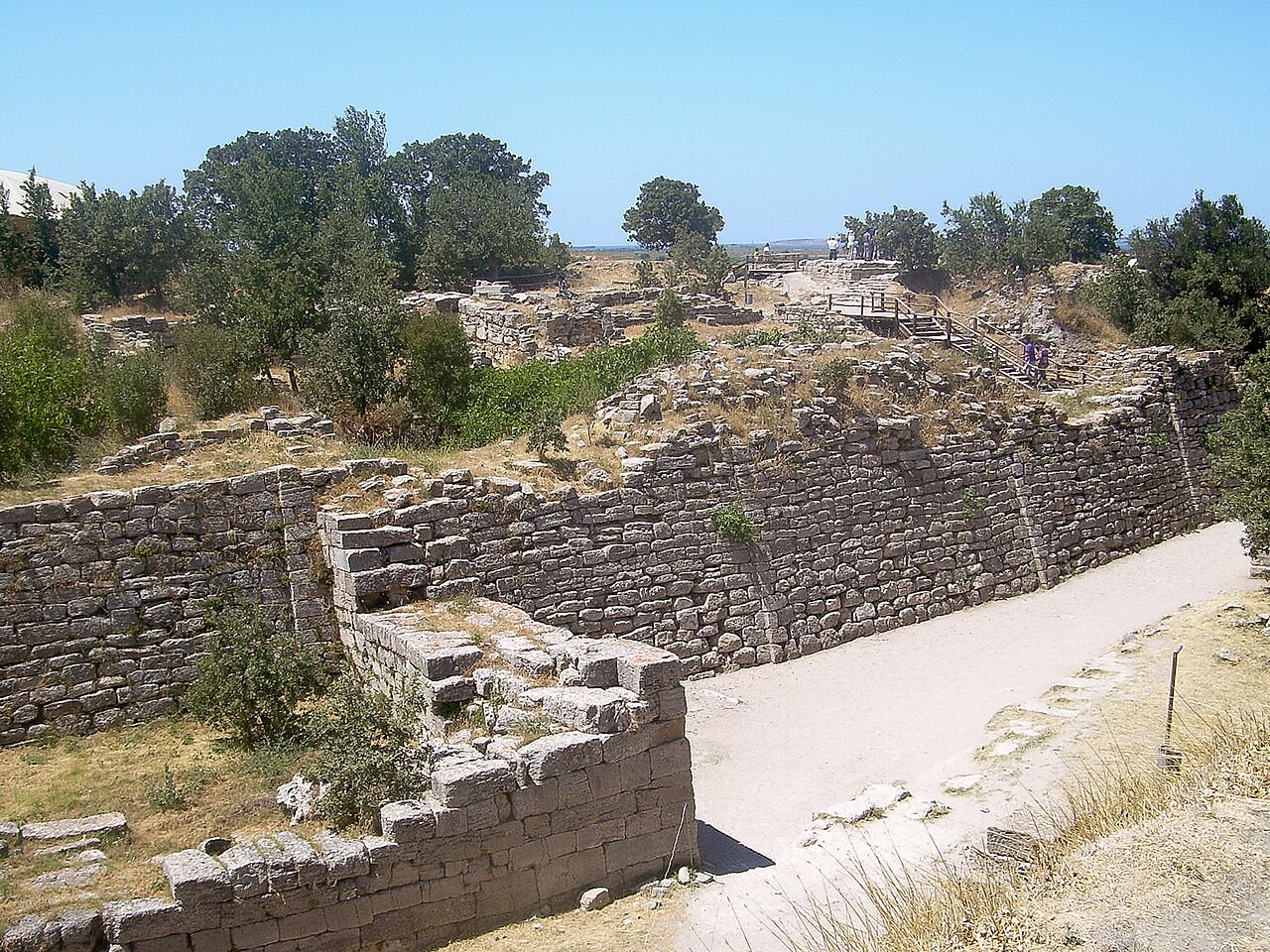
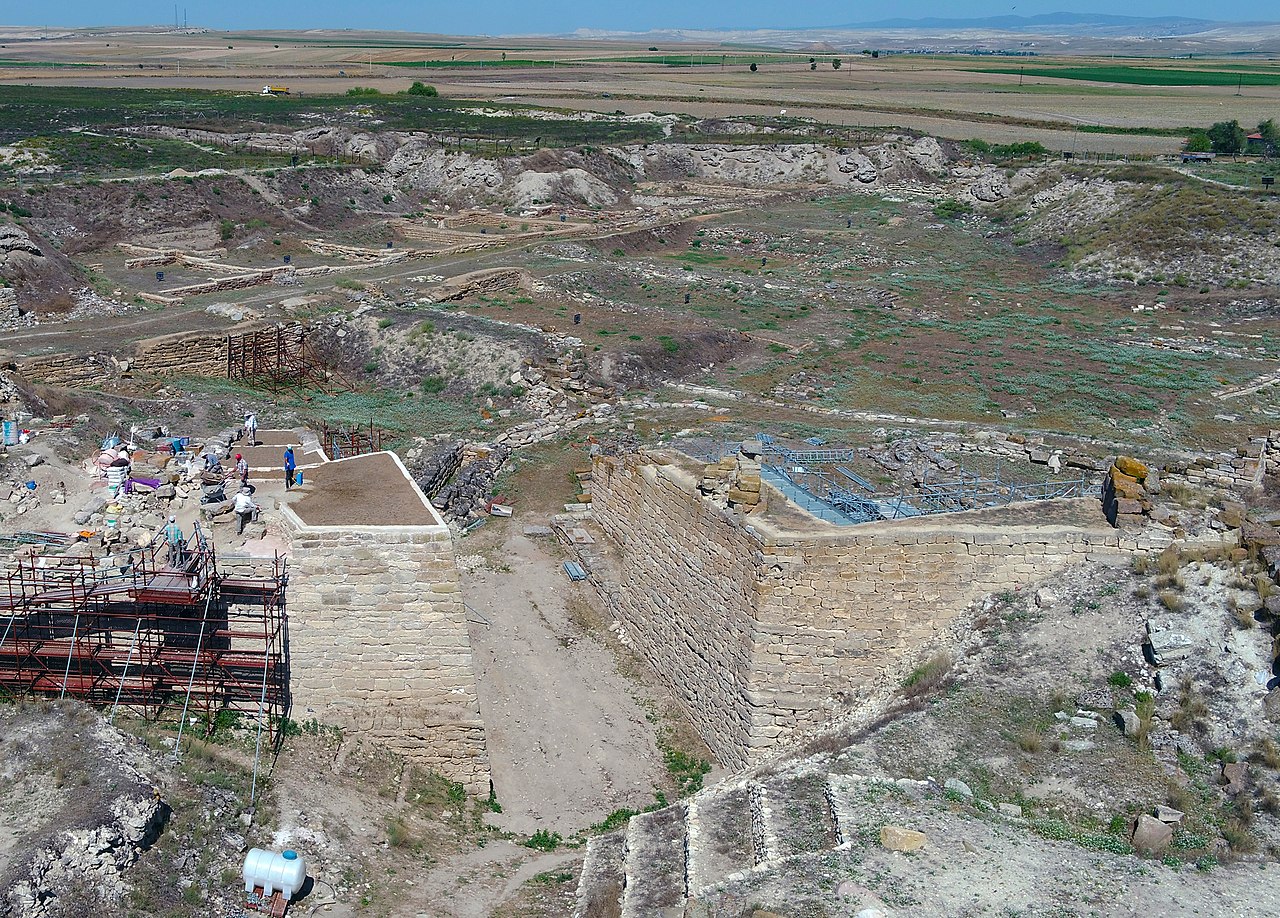
Hattusha, located near the modern village of Boğazkale in Çorum Province, was the capital of the Hittite Empire from roughly 1650 to 1178 BCE. At its height, the city covered approximately 1.8 square kilometers and was enclosed by more than 6 kilometers of fortification walls.
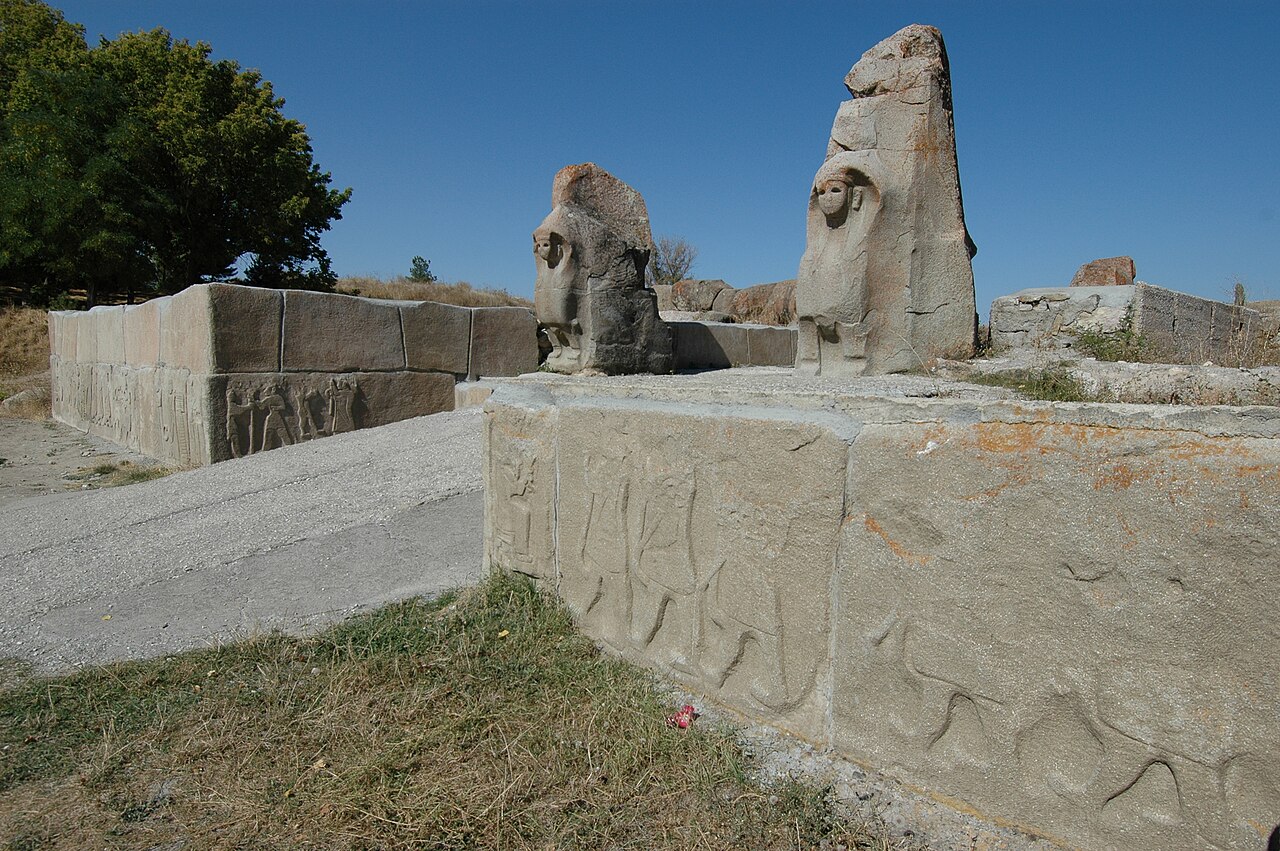
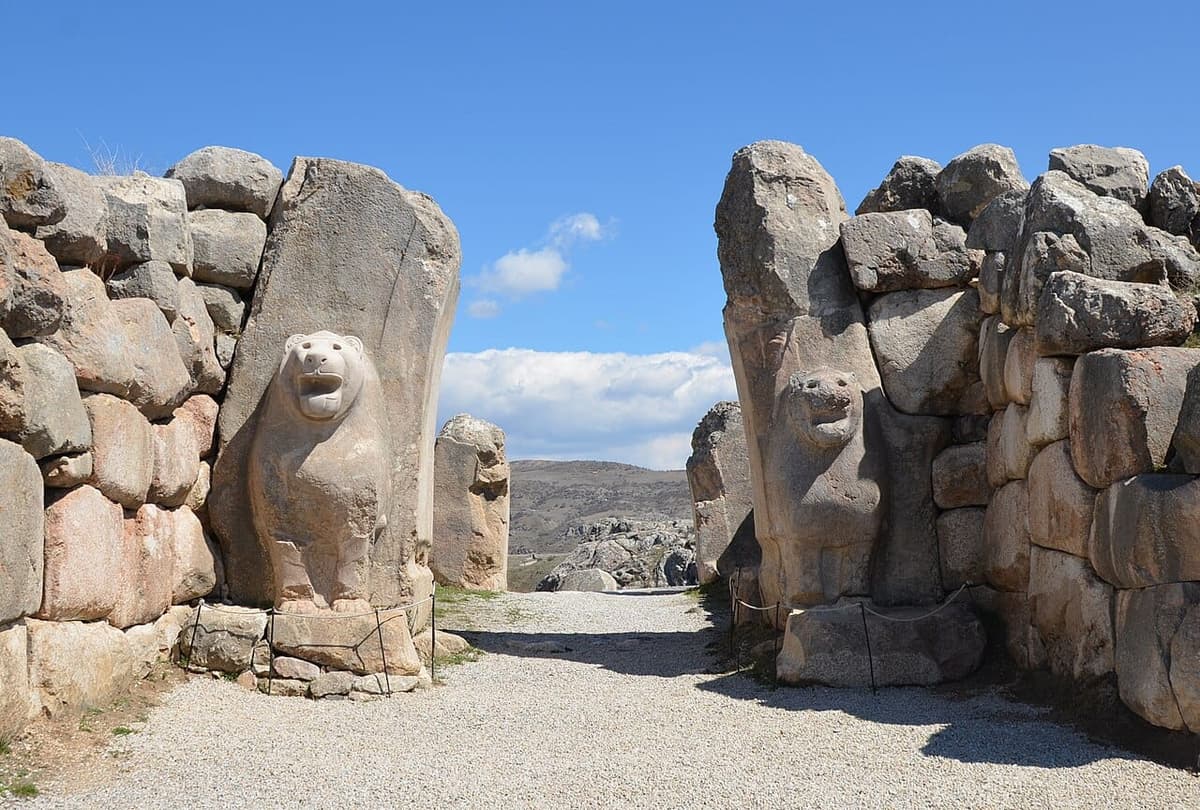
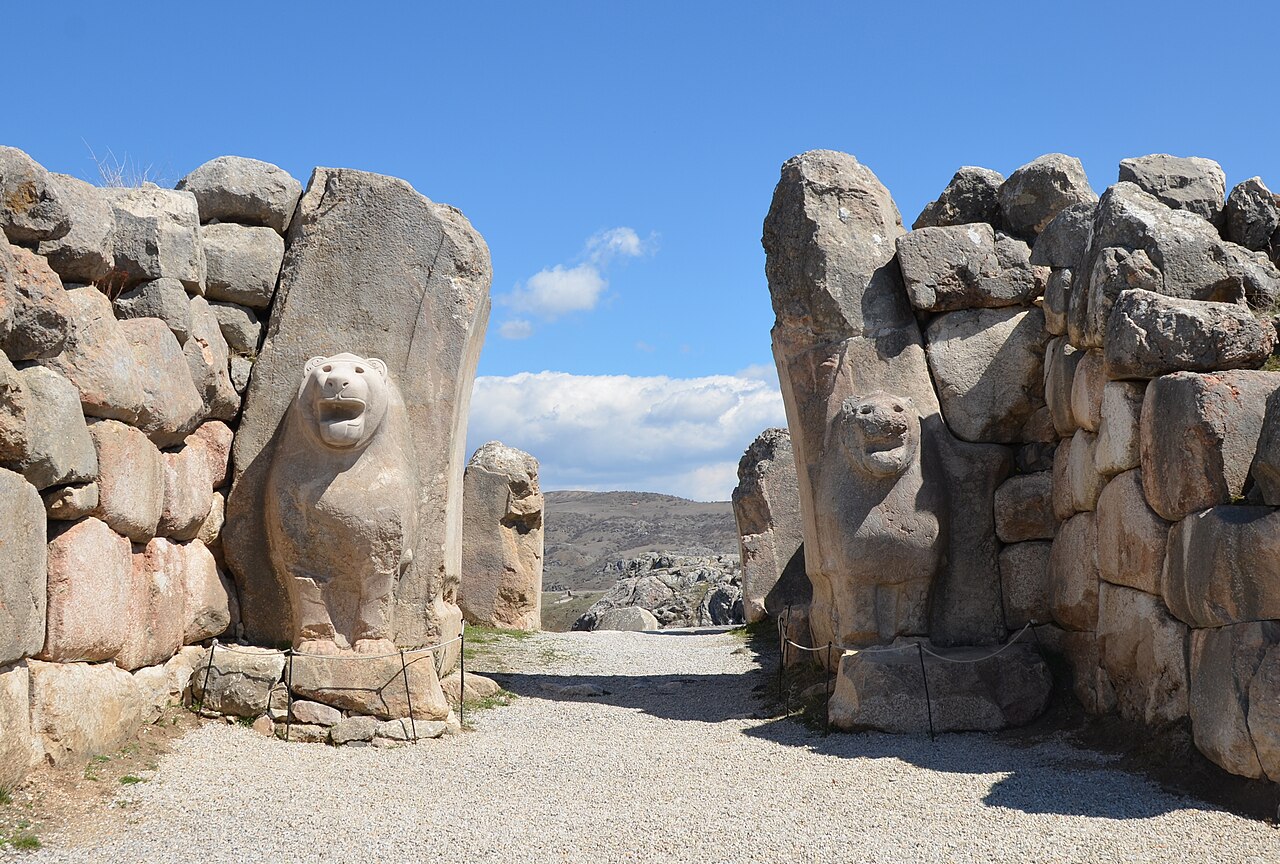
The city's most recognizable features include the Lion Gate, the Sphinx Gate, and the King's Gate — monumental entrances adorned with carved reliefs. The Great Temple (Temple I), dedicated to the storm god and the sun goddess of Arinna, is the largest known Hittite temple.
"The Sun-goddess of Arinna is queen of all lands. In the land of Hatti she bears the name Sun-goddess of Arinna."
— Hittite Prayer Text, c. 1400 BCE
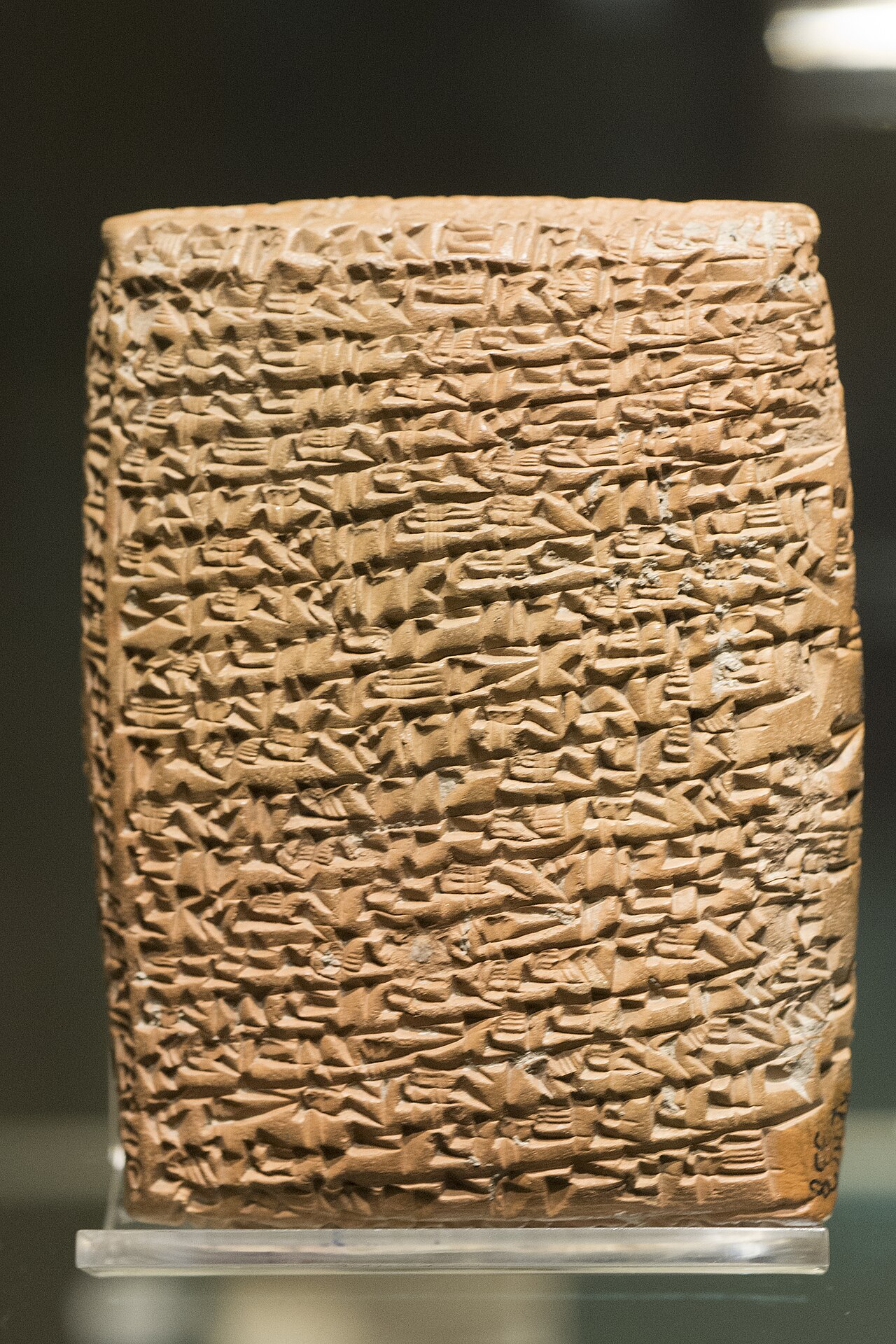
In 1906, thousands of cuneiform clay tablets were discovered at the site, constituting the royal archives of the Hittite Empire. These tablets, written in Hittite, Akkadian, and several other languages, provide an extraordinary record of Hittite diplomacy, religion, law, and daily life. Among them is one of the earliest known peace treaties — between Hittite King Hattusili III and Egyptian Pharaoh Ramesses II.
The site has been extensively excavated since 1906, primarily by German archaeological teams.

Museum Hattusa - Boğazköy Museum, Boğazköy, Çorum, Turkey 16 | Murat Özsoy 1958 (CC BY-SA 4.0)
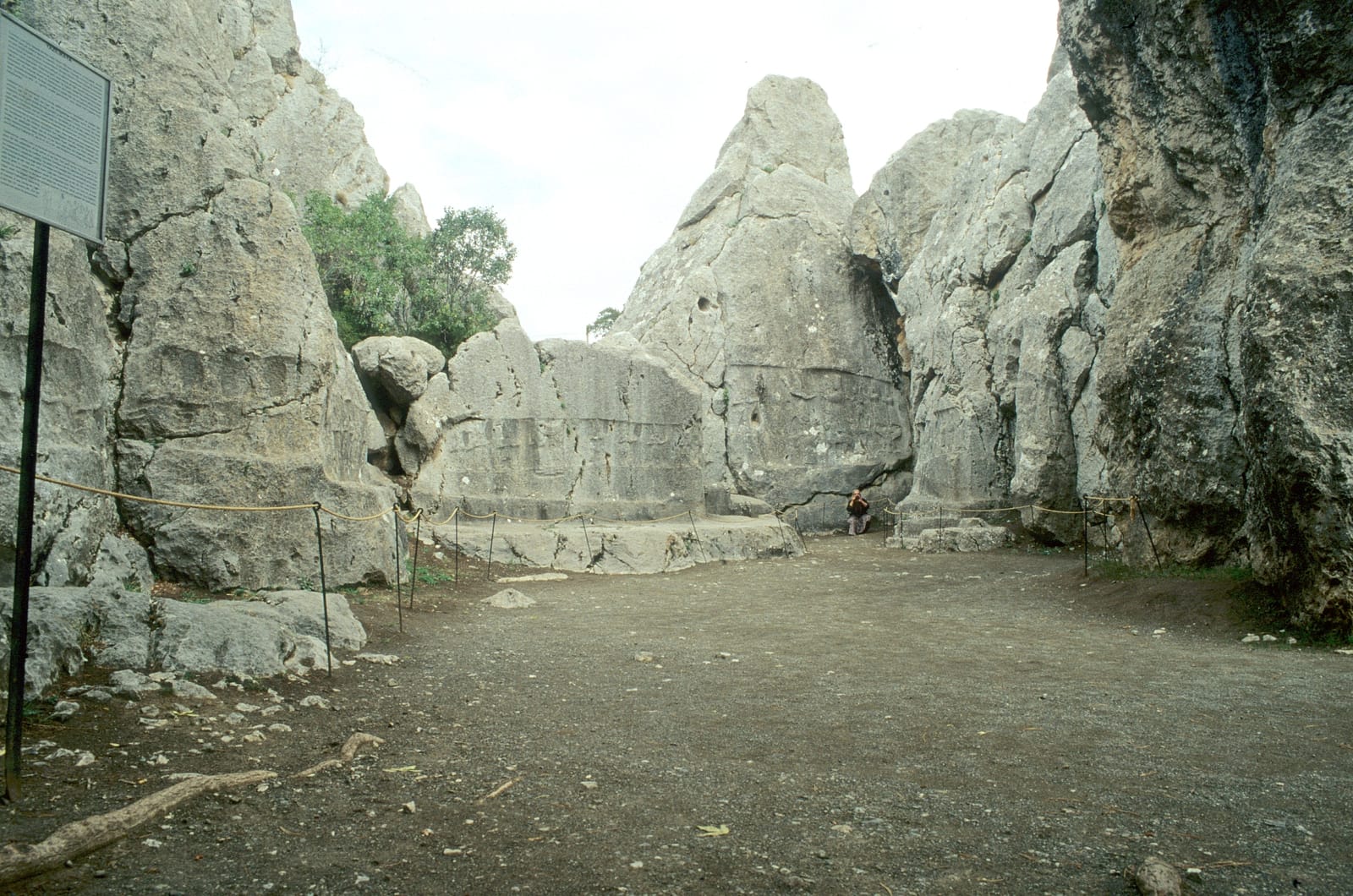
Beyond its monumental gates and temples, Hattusha's urban landscape reveals sophisticated infrastructure. The city featured an extensive network of subterranean passages, most notably the 71-meter-long Yerkapı postern tunnel, and large artificial ponds for water storage. Residential quarters, such as those excavated on Büyükkaya, show a mix of large, multi-roomed houses and smaller dwellings, indicating social stratification. Artifacts like spindle whorls, loom weights, and imported items like Egyptian scarabs and Mycenaean pottery attest to a vibrant daily life of craft production and long-distance trade connections across the Mediterranean and Near East. The city's final destruction around 1178 BCE was comprehensive, with evidence of intense fire across the Upper City. While often linked to the broader Late Bronze Age Collapse, the precise agents—whether the so-called Sea Peoples, internal rebellion, or a combination of factors—remain a subject of scholarly investigation. The site was not reoccupied as a major urban center, preserving its Hittite strata for modern archaeology.