Atlas AnatoliaAtlas Anatolia
Seljuk architecture in Sivas

Sivas (Sebasteia)

Sivas2000 bce – 1400 ce
Bronze AgeIron AgeMedievalHittiteRomanSeljukSivas

Seljuk Capital

Twin capital of the Seljuk Sultanate of Rum alongside Konya

Gök Medrese

Blue Madrasa (1271) — pinnacle of Seljuk decorative stone carving

Çifte Minareli

Twin Minaret Madrasa with iconic azure glazed-brick minarets

Martyrdom

Site of the Forty Martyrs of Sebaste (320 CE)

Congress

Sivas Congress of 1919 — key event in Turkish independence

Position

Geographic heart of Anatolia at crossroads of major routes

Sivas represents the meeting point of Anatolia's deepest historical currents — Hittite, Roman, Byzantine, and Islamic — in a single living city.”

Wfrom_wikipedia

Sivas (ancient Sebasteia) is a central Anatolian city spanning Hittite to Seljuk periods, renowned for its 13th-century Seljuk madrasas featuring the finest stone carving in Islamic architecture.

read_wikipedia

overview

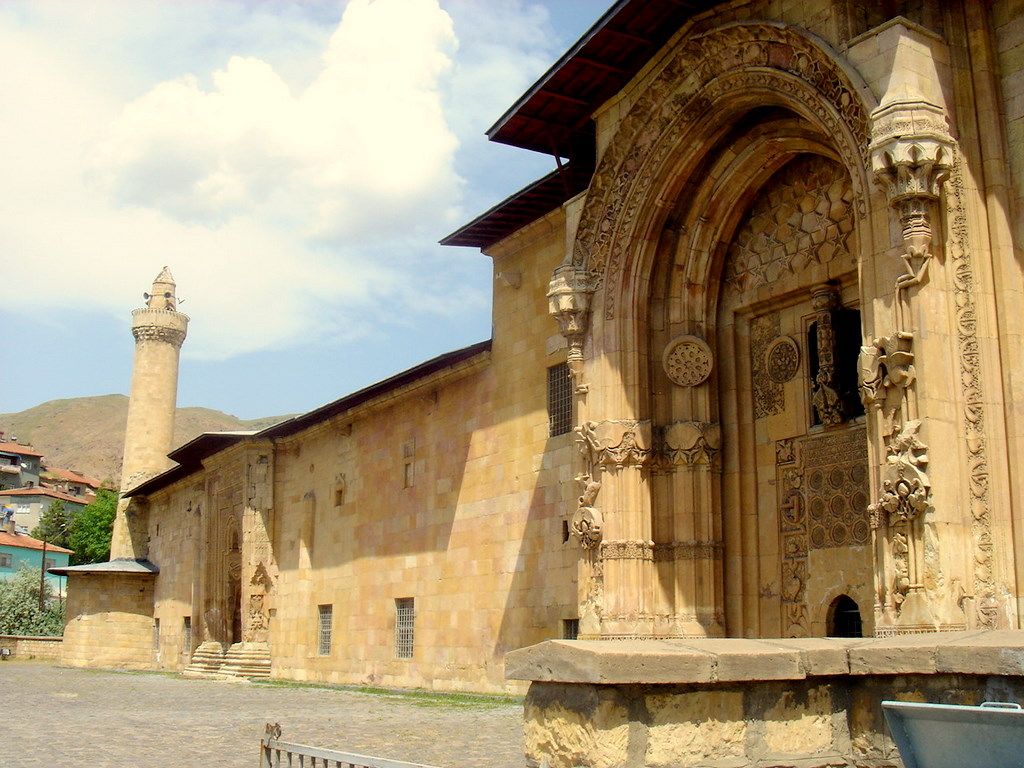
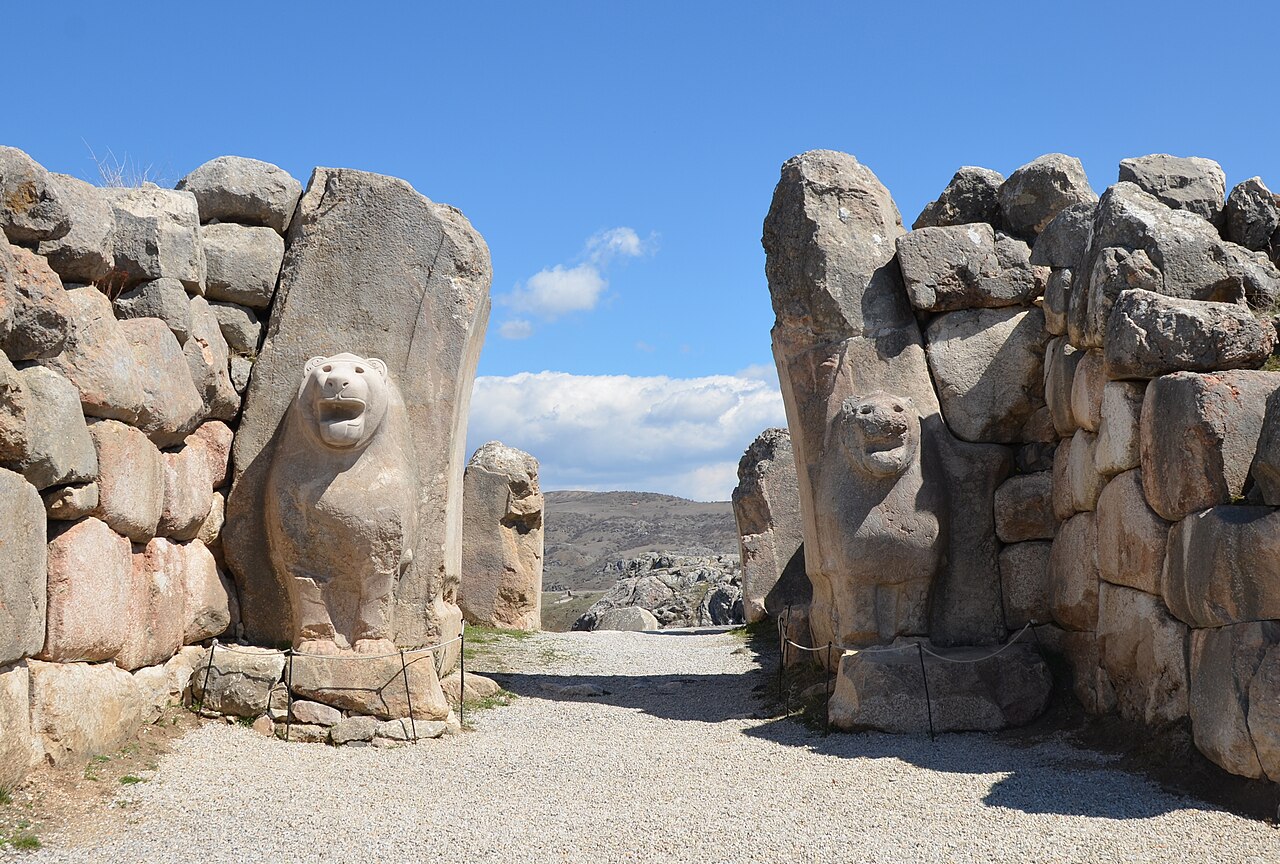
Sivas sits at the geographic heart of Anatolia, commanding the high plateau where east-west and north-south routes have crossed for millennia. This centrality made the city a prize for every empire that sought to control the Anatolian interior, from the Hittites who first settled the region to the Seljuk Turks who transformed it into one of the most architecturally magnificent cities of the medieval Islamic world. The city's ancient roots reach back to the Late Bronze Age, when the surrounding region fell within the sphere of the Hittite Empire. Under Roman rule, it was refounded as Sebasteia (the Greek form of "Augustus") and became an important garrison town on the frontier with Armenia. The city gained Christian fame as the site of the martyrdom of the Forty Martyrs of Sebaste — Roman soldiers who died for their faith on a frozen lake in 320 CE — an event that became one of the most widely celebrated in the Eastern Christian calendar. It was under the Seljuk Sultanate of Rum that Sivas achieved its architectural zenith. In the 13th century, the city became one of the twin capitals of the Seljuk state alongside Konya, and its rulers and patrons commissioned some of the most extraordinary buildings in all of Islamic architecture. The Gök Medrese (Blue Madrasa, 1271), the Çifte Minareli Medrese (Twin Minaret Madrasa, 1271), and the Buruciye Medresesi (1271) together form an ensemble of stone-carved architectural masterpieces whose portal decoration represents the pinnacle of Seljuk artistic achievement. The Seljuk buildings of Sivas are distinguished by their portal facades, which feature deeply carved geometric, floral, and calligraphic decoration of extraordinary complexity and refinement. The twin minarets of the Çifte Minareli Medrese, decorated with glazed brick and tile in azure blue, stand as iconic symbols of Seljuk Anatolia. The nearby Gök Medrese features a portal of such intricate stone carving that it has been called the finest single work of Seljuk decorative art. The Divriği road from Sivas passes through some of Anatolia's most dramatic landscapes, connecting to the equally spectacular Divriği Great Mosque and Hospital — together, these Seljuk monuments form an unparalleled chain of medieval architectural achievement in the Anatolian highlands.
why_it_matters

Sivas represents the meeting point of Anatolia's deepest historical currents — Hittite, Roman, Byzantine, and Islamic — in a single living city. The Seljuk architectural ensemble stands among the greatest achievements of medieval Islamic art, with stone carving of a complexity and refinement unmatched anywhere in the world. The city's strategic centrality explains why every power that controlled Anatolia invested in Sivas. From the martyrdom of the Forty Soldiers to the founding of Seljuk madrasas, Sivas has been a stage for events that shaped both Christian and Islamic civilizations. The 1919 Sivas Congress, held during the Turkish War of Independence, adds yet another layer to the city's role in defining Anatolian identity.

evidence

evidence_desc

confirmed

3
  • The Gök Medrese (1271), Çifte Minareli Medrese (1271), and Buruciye Medresesi (1271) are precisely dated by their foundation inscriptions to the reign of the Seljuk sultan Gıyaseddin Keyhüsrev III.
  • Basil of Caesarea, Gregory of Nyssa, and multiple early church writers describe the martyrdom of forty Roman soldiers on a frozen lake at Sebasteia in 320 CE.
  • Hittite-period artifacts and settlement remains in the Sivas region confirm habitation during the Late Bronze Age, consistent with the area falling within the Hittite sphere.

inferred

2
  • The concentration of three major madrasas built in the same year (1271) suggests a deliberate program of monumental construction by the Seljuk administration at a time of political crisis.
  • The positioning of Sivas as a Seljuk co-capital alongside Konya reflects a deliberate strategy of maintaining administrative centers in both western and eastern Anatolia.

debated

1
  • The artistic sources of Seljuk portal decoration at Sivas — whether primarily Central Asian, Persian, Armenian, or a unique Anatolian synthesis — remain debated among art historians.

excavation

1900

Ottoman-era documentation

Early photographic documentation of the Seljuk monuments established their condition and initiated conservation awareness.

1965–1975

Madrasa restoration programs

Major restoration campaigns conserved the Gök Medrese, Çifte Minareli Medrese, and Buruciye Medresesi, stabilizing structural elements and cleaning carved decorations.

1990

Roman-period investigations

Archaeological work in the city center identified Roman-era remains including sections of the ancient street grid and building foundations beneath the Ottoman and modern layers.

2005

Seljuk portal analysis

Detailed photogrammetric recording and art-historical analysis of the Seljuk portal facades documented their decorative programs and identified influences from Central Asian, Persian, and Armenian traditions.

2018

Urban heritage mapping

Comprehensive survey mapped all surviving historical structures in the city center, establishing a baseline for heritage management and tourism development.

more_photos

artifacts

Community Photos

Share your experience

Have you visited this site? Upload your photos to help others discover it.

location

related_sites

sources

  • The Art and Architecture of TurkeyEkrem Akurgal (1980)
  • Seljuk Architecture in Sivas: Portal Decoration and Its SourcesScott Redford (2000)
  • Wikipedia — Sivaslink

papers