Overview
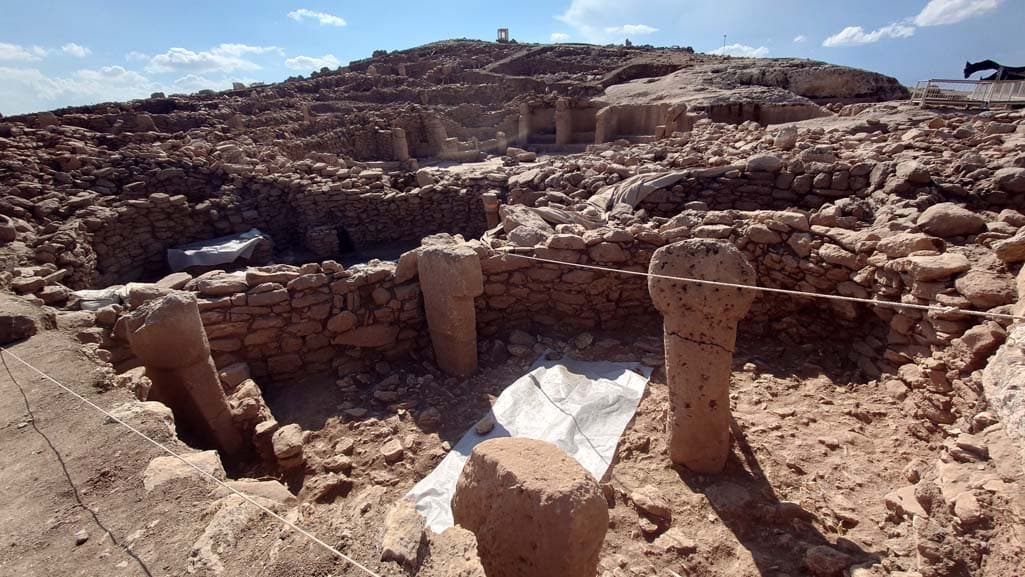
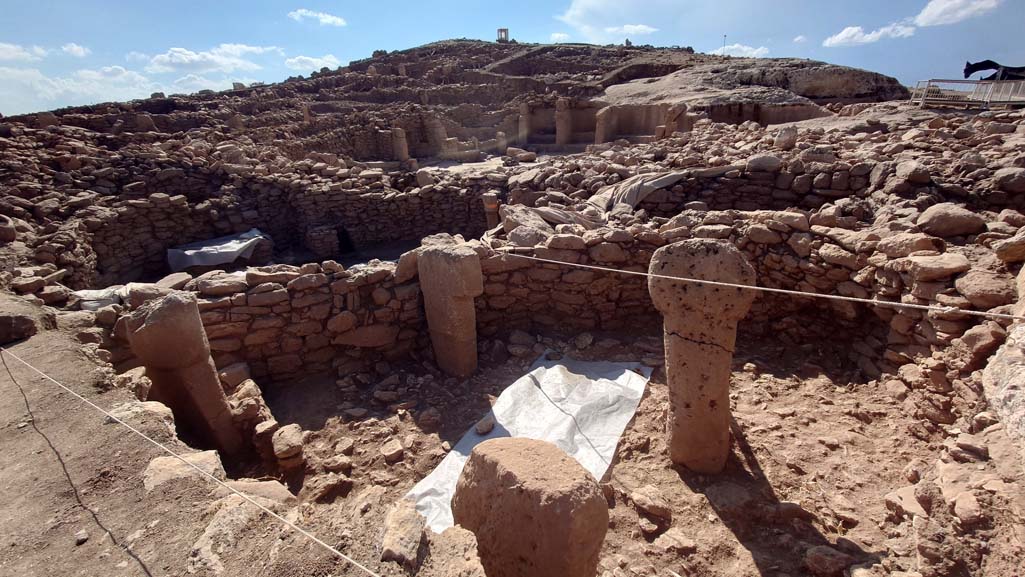
Karahantepe is a Pre-Pottery Neolithic site located about 35 kilometers southeast of Şanlıurfa, in a landscape dotted with similar-age settlements. First identified in 1997 during a survey led by Bahattin Çelik, systematic excavations began in 2019 under the direction of Necmi Karul of Istanbul University.
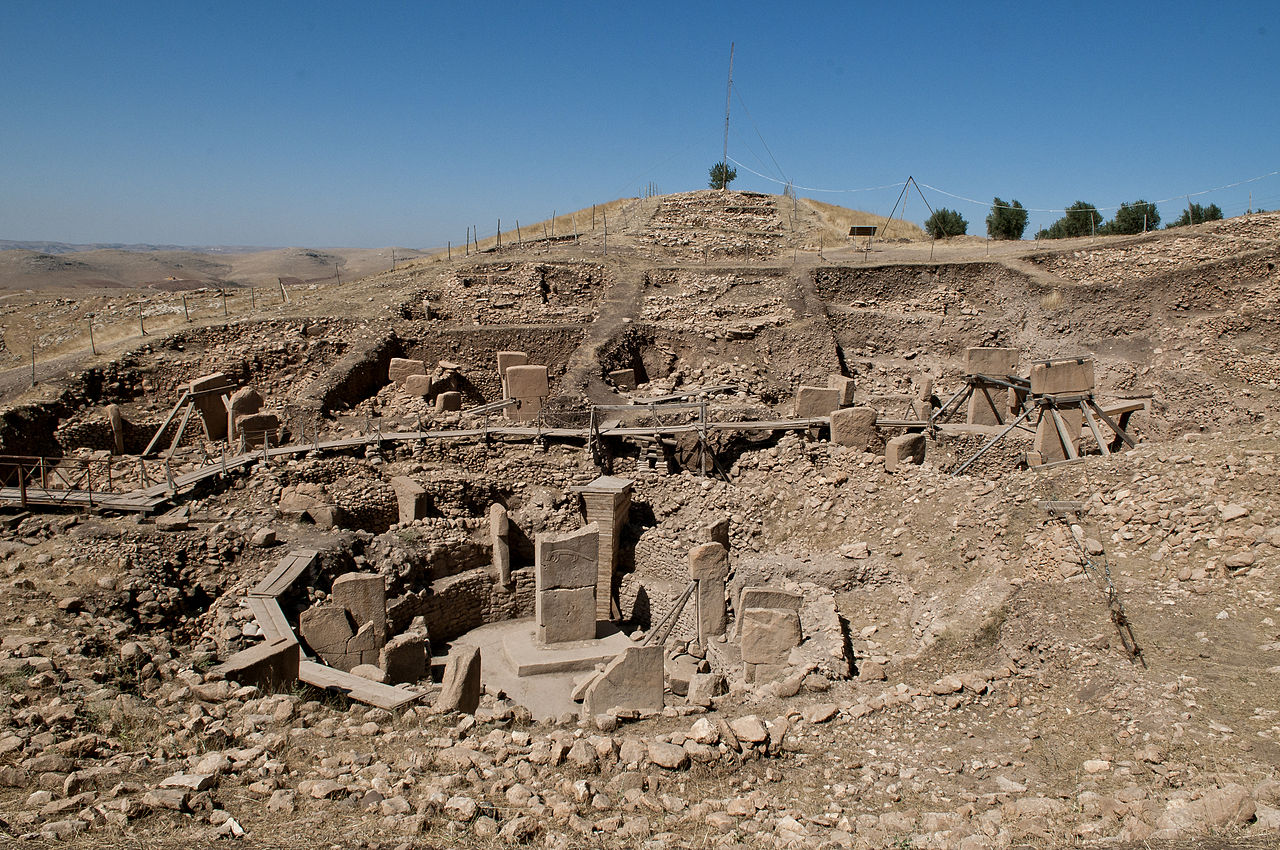
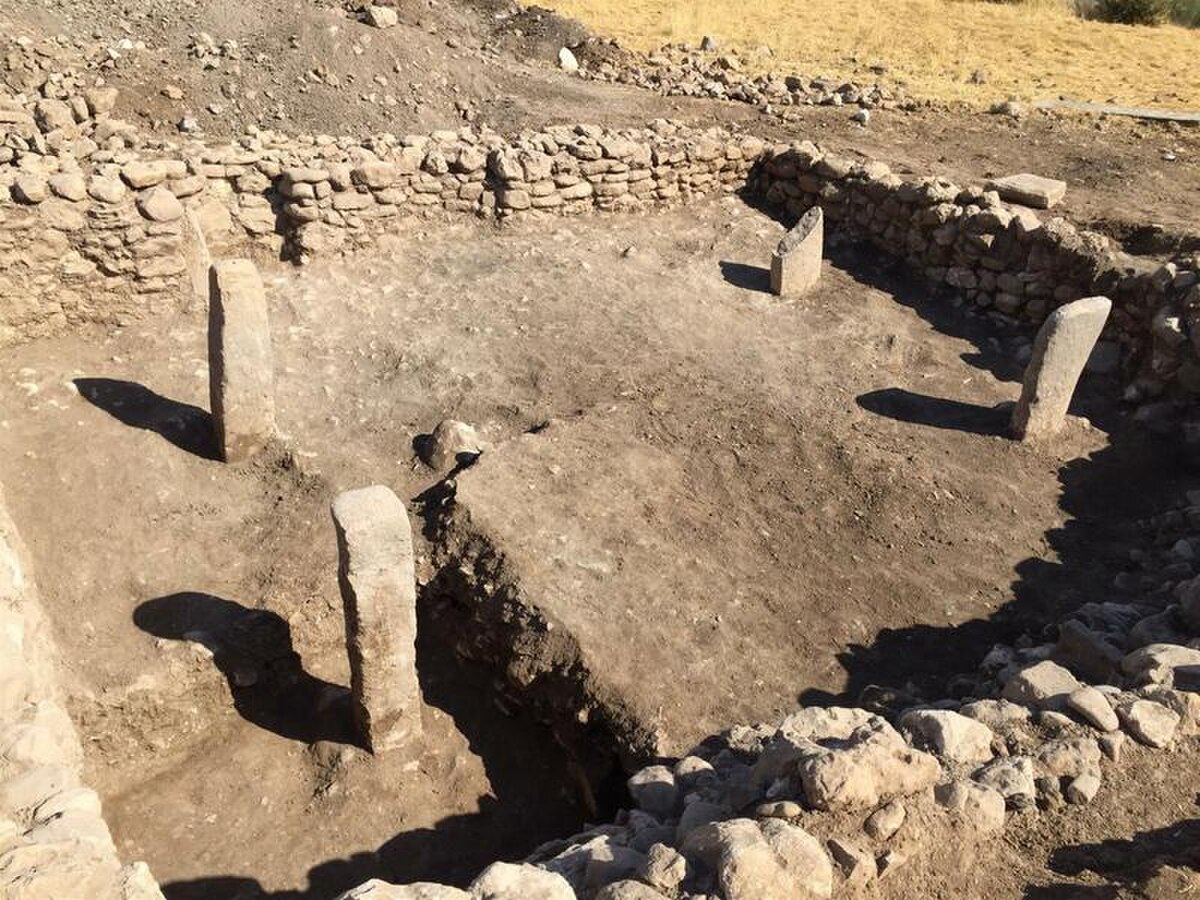
The site features T-shaped pillars similar to those at Göbekli Tepe, but also displays unique architectural elements. Most notably, a semi-subterranean chamber was discovered containing pillars carved to resemble phalluses, along with a remarkable carved human head emerging from the bedrock.
"In the region of Edessa, there are ancient mounds of unknown origin, testifying to the great antiquity of these lands."
— Strabo, Geographica (c. 20 BCE)
Karahantepe is part of a broader network of Pre-Pottery Neolithic sites in the Şanlıurfa region, collectively known as the Taş Tepeler (Stone Hills) project. These sites suggest that monumental construction was not unique to Göbekli Tepe but was part of a wider cultural phenomenon.
The architectural layout at Karahantepe is characterized by a dense cluster of structures, many carved directly into the limestone bedrock. Beyond the famous underground chamber, the site includes large, circular enclosures defined by T-shaped pillars and benches, as well as rectangular buildings that may indicate a mix of ritual and daily-use spaces. The sheer number of pillars—over 250 documented—underscores the scale of communal labor invested.

KarahantepeHumanHead | Vincent Vega (CC BY-SA 4.0)
While the monumental areas are prominent, evidence from the broader 7-hectare settlement suggests associated domestic activity. The procurement of raw materials, particularly obsidian from sources over 200 km away, points to established trade connections and a mobile population capable of organizing long-distance exchange networks. The site's eventual abandonment around 8000 BCE appears consistent with a broader regional pattern, possibly linked to climatic shifts or changing social dynamics that led to the deliberate backfilling of structures—a practice also seen at Göbekli Tepe—before communities shifted towards more settled agricultural life.