Atlas AnatoliaAtlas Anatolia
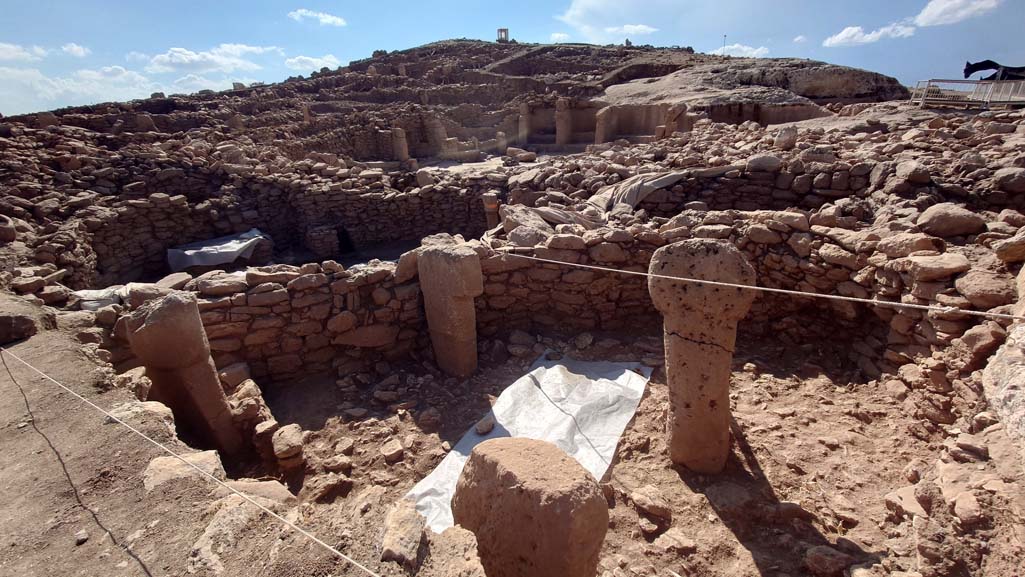
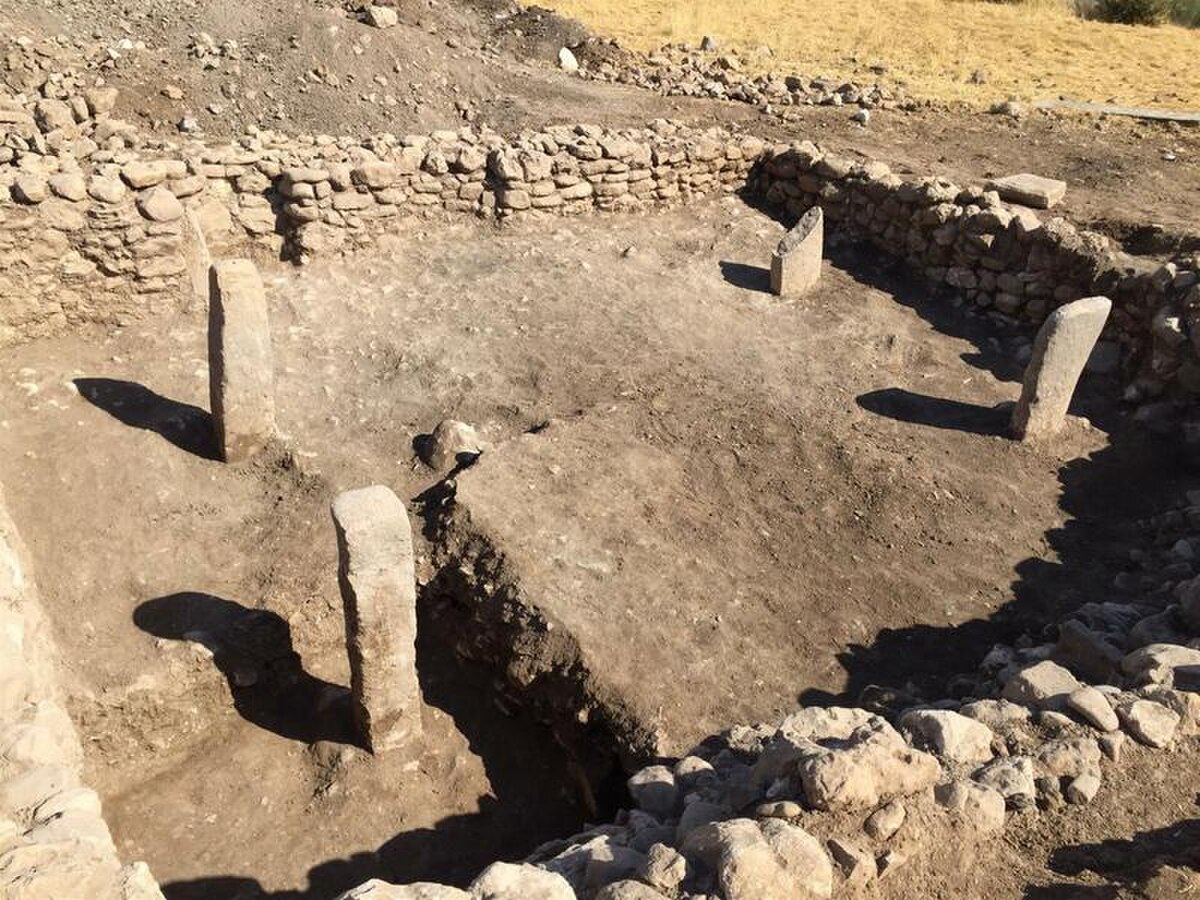
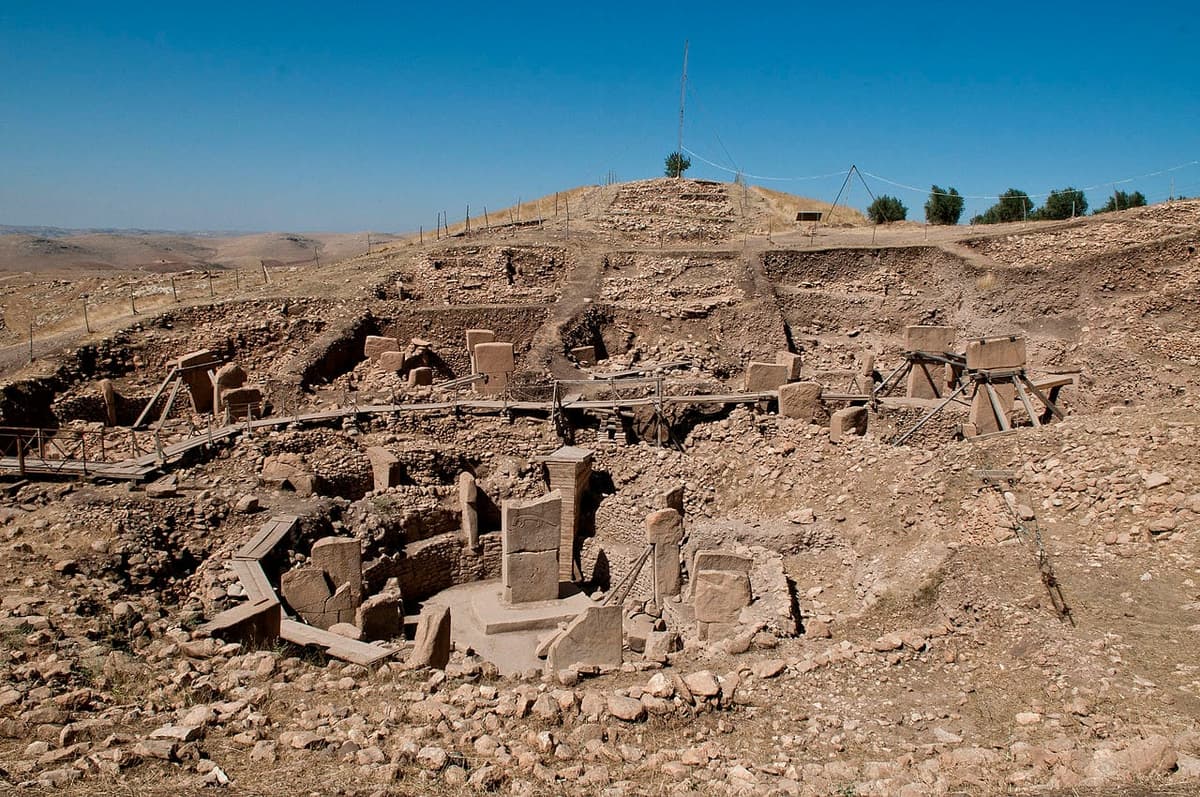
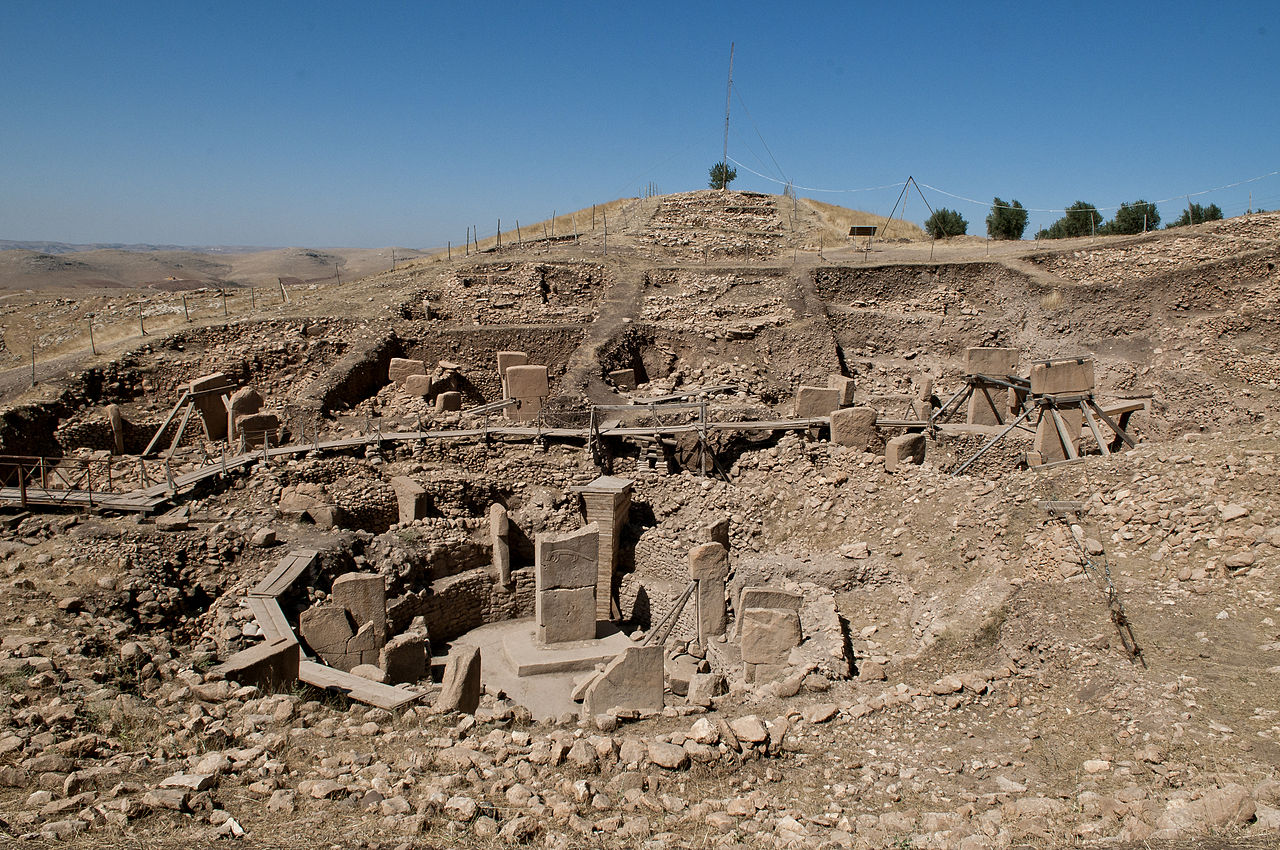
T-shaped pillars at Göbekli Tepe archaeological site

Göbekli Tepe

9600 BCE – 8000 BCE

Photo: Wikimedia Commons (CC BY-SA)

93

Interest

W131KG85
NeolithicPrehistoryPre-Pottery NeolithicŞanlıurfa

Date Range

c. 9600–8000 BCE

UNESCO Status

World Heritage Site (2018)

Pillar Height

Up to 5.5 m

Enclosures Found

~20 (mostly unexcavated)

Göbekli Tepe fundamentally challenged the conventional understanding that monumental architecture required settled agricultural societies.”

Wfrom_wikipedia

Göbekli Tepe is a Neolithic archaeological site in Upper Mesopotamia. The settlement was inhabited from around 9500 BCE to at least 8000 BCE, during the Pre-Pottery Neolithic. It is known for its large circular structures that contain massive T-shaped stone pillars — among the world's oldest known megaliths.

read_wikipedia

overview

Göbekli Tepe is an archaeological site in southeastern Türkiye, dated to approximately 9600–8000 BCE. Located on a limestone ridge near the city of Şanlıurfa, it consists of multiple enclosures defined by massive T-shaped limestone pillars, many decorated with carved animal reliefs. The site was first noted in a 1963 survey by Istanbul University and the University of Chicago, but it was not until Klaus Schmidt of the German Archaeological Institute began excavations in 1995 that its significance became clear. Schmidt recognized the T-shaped pillars as monumental architecture rather than medieval graves, as previously assumed. The pillars, some reaching 5.5 meters in height and weighing up to 10 tons, are arranged in roughly circular enclosures. Many feature carved reliefs of animals including foxes, boars, snakes, aurochs, cranes, and vultures. Some pillars appear to represent stylized human figures, with arms and hands carved in low relief. Only a fraction of the site has been excavated. Geophysical surveys suggest at least 20 enclosures remain buried. The hilltop appears to have been deliberately backfilled in antiquity, preserving the structures remarkably well.

why_it_matters

Göbekli Tepe fundamentally challenged the conventional understanding that monumental architecture required settled agricultural societies. The site demonstrates that complex, coordinated construction projects were undertaken by hunter-gatherer communities, inverting the assumed sequence from farming to monumentality. It raises profound questions about the role of ritual and belief in driving social complexity. Some researchers argue that the communal effort required to build Göbekli Tepe may have actually spurred the transition to agriculture in the surrounding region, rather than the reverse. The site has been designated a UNESCO World Heritage Site since 2018.

evidence

Distinguishing what is well-established from what remains debated.

confirmed

4
  • The T-shaped pillars are Neolithic and date to the 10th–9th millennium BCE based on radiocarbon dating.
  • The pillars feature carved animal reliefs including foxes, boars, vultures, snakes, and aurochs.
  • No evidence of permanent habitation has been found at the site itself.
  • The site was deliberately backfilled in antiquity.

inferred

2
  • The T-shaped pillars likely represent stylized human figures based on the carved arms and belt-like details.
  • The site served a primarily ritual or ceremonial function, given the absence of domestic remains.

debated

2
  • Whether Göbekli Tepe was a "temple" in the modern religious sense, or served other communal functions, remains actively debated.
  • The relationship between Göbekli Tepe's construction and the origins of agriculture in the region is still being studied.

excavation

1963

Initial survey

Led by Peter Benedict

Site first noted during a joint survey by Istanbul University and the University of Chicago. Misidentified as a medieval cemetery.

1995–2014

Major excavations begin

Led by Klaus Schmidt / German Archaeological Institute

Klaus Schmidt recognized the T-shaped pillars as monumental Neolithic architecture and led systematic excavations until his death in 2014.

2018

UNESCO inscription

Göbekli Tepe inscribed as a UNESCO World Heritage Site.

2019

Ongoing research

Led by Turkish Ministry of Culture / DAI

Excavations continue under Turkish and international teams with new geophysical survey methods.

location

Related Sites

sources

  • The Birth of ReligionKlaus Schmidt (2010)
  • Göbekli Tepe: A Neolithic Site in Southeastern AnatoliaKlaus Schmidt (2000)
  • UNESCO World Heritage — Göbekli TepeLink

Research Papers

Stay in the loop

Get notified when we add new sites or major features. We send at most 1–2 emails per year. We never sell your email.

Atlas AnatoliaAtlas Anatolia

An interactive atlas of ancient Anatolian sites. Explore civilizations, monuments, and stories across millennia.

info@atlasanatolia.com

© 2026 Atlas Anatolia. Content is provided for educational purposes.

Map data © OpenStreetMap contributors