Atlas AnatoliaAtlas Anatolia
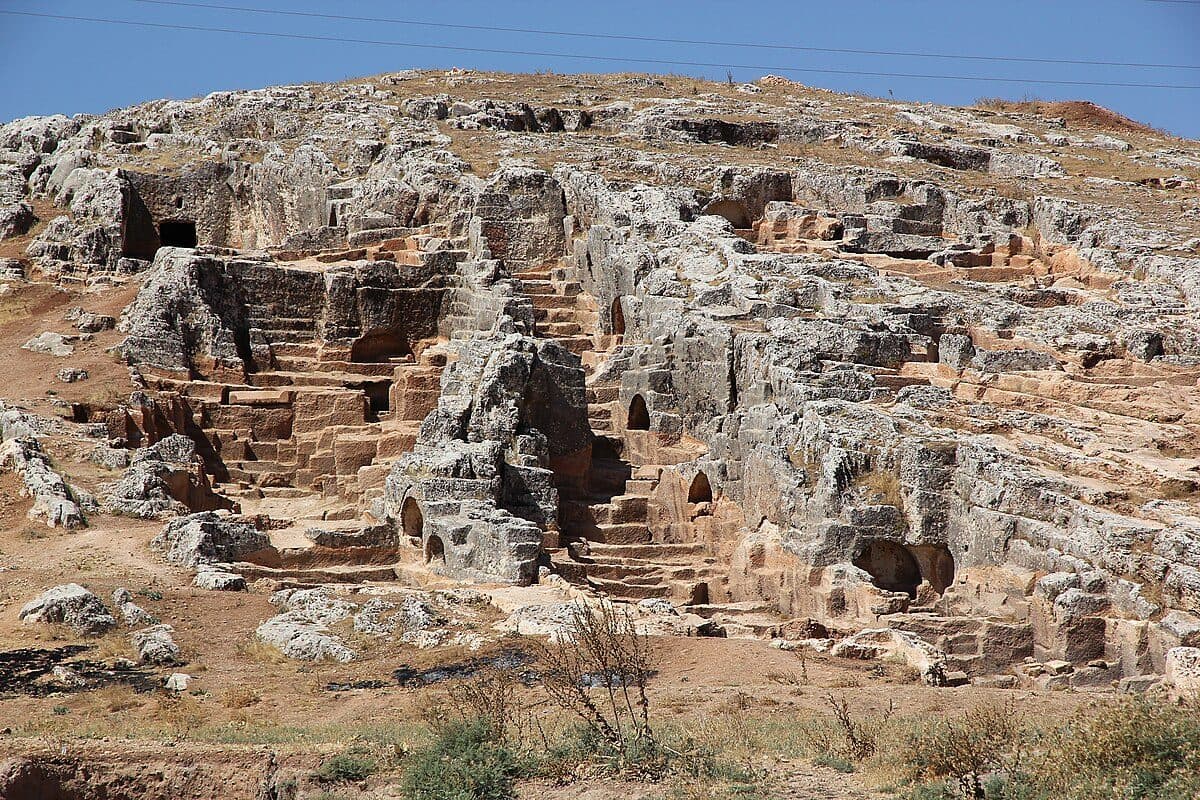
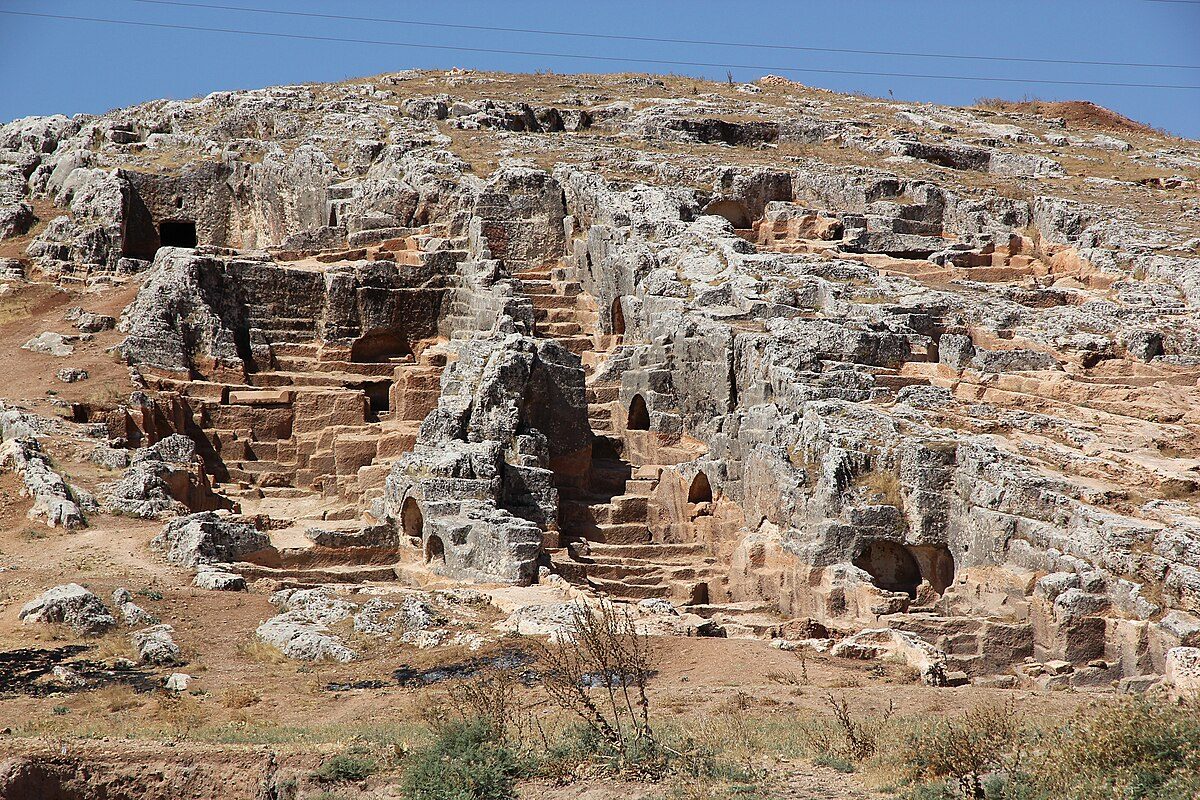
Rock tombs at Perre

Perre

Pirin300 bce – 700 ce
HellenisticRomanCommageneRomanAdıyaman

Necropolis

Hundreds of rock-cut tombs carved into limestone cliffs

Kingdom

Major settlement of the Commagene kingdom

Mosaics

High-quality Roman floor mosaics with mythological scenes

Sacred Spring

Natural spring with religious significance in antiquity

Proximity

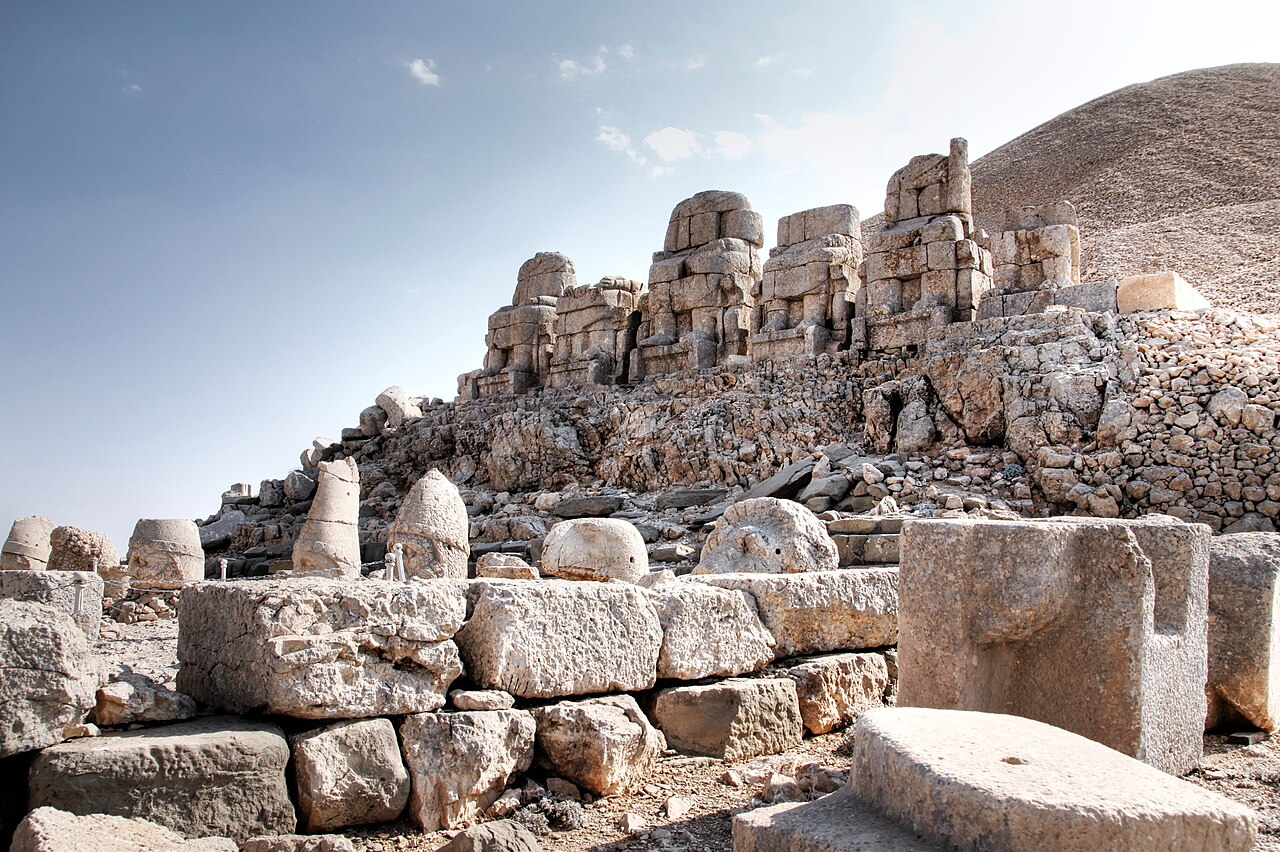
Five kilometers from Adıyaman, near Nemrut Dağ

Period

Primarily 2nd century BCE through 3rd century CE

Perre offers a crucial complement to Nemrut Dağ by revealing everyday life in the Commagene kingdom beyond its famous royal monuments.”

Wfrom_wikipedia

Perre is a Commagene-era rock-tomb necropolis and Roman settlement near Adıyaman, with hundreds of cliff-face burial chambers and colorful Roman floor mosaics.

read_wikipedia

overview

Perre clings to a rugged hillside just five kilometers northeast of Adıyaman, a satellite settlement of the Commagene kingdom that is best known for its spectacular rock-cut necropolis. Hundreds of burial chambers carved into the limestone cliffs transform the hillside into a vertical city of the dead, their rectangular doorways staring out across the valley in silent ranks. These tombs, dating primarily from the 2nd century BCE through the 3rd century CE, served as the final resting place for the citizens of one of Commagene's most important communities. The necropolis ranges from simple rectangular chambers to elaborate multi-room complexes with carved facades, sarcophagus niches, and relief decoration. Some tombs preserve remnants of painted plaster, suggesting that the bare stone visible today was once richly decorated. The variety of tomb types across the hillside reflects the social stratification of Commagenean and later Roman society, from wealthy families who commissioned architecturally ambitious monuments to ordinary citizens laid to rest in modest rock-cut niches. Below the necropolis, the settlement area has yielded some of the most significant Roman-period mosaics found in southeastern Turkey. Excavations beginning in the early 2000s uncovered floor mosaics of remarkable quality and preservation, featuring geometric patterns, mythological scenes, and figural compositions that demonstrate the prosperity and cultural sophistication of the community. A particularly noteworthy mosaic depicting personifications of the seasons and river gods shows the synthesis of Greco-Roman artistic traditions with local Commagenean tastes. A natural spring emerging from the hillside below the tombs was sacred in antiquity and likely contributed to the settlement's importance. Water sources held deep religious significance throughout the ancient Near East, and the combination of sacred spring, necropolis, and settlement suggests Perre served as both a living community and a pilgrimage destination within the broader religious landscape of the Commagene kingdom. The site's proximity to Nemrut Dağ, the mountain-top sanctuary of the Commagene king Antiochus I, places Perre within the same cultural milieu that produced one of Anatolia's most iconic monuments. While Nemrut represents royal ambition on a cosmic scale, Perre reveals how ordinary Commagenean citizens lived, died, and honored their dead.
why_it_matters

Perre offers a crucial complement to Nemrut Dağ by revealing everyday life in the Commagene kingdom beyond its famous royal monuments. While Nemrut captures the ambitions of a single king, Perre's hundreds of rock-cut tombs document the beliefs, social structures, and artistic tastes of the wider population. The Roman mosaics represent some of the finest examples from southeastern Anatolia, demonstrating that even secondary cities in the region achieved high levels of artistic sophistication. Perre's sacred spring and necropolis together illuminate the religious landscape of a society that blended Greek, Persian, and local Anatolian traditions in unique ways.

evidence

evidence_desc

confirmed

3
  • Hundreds of rock-cut tombs spanning the Hellenistic through Late Roman periods have been documented, with architectural typologies consistent with Commagenean burial traditions.
  • Roman-period floor mosaics of high artistic quality, including mythological scenes and seasonal personifications, have been excavated and conserved in situ.
  • Ceramic, numismatic, and epigraphic evidence confirms continuous occupation from the late Hellenistic period through the Late Roman and early Byzantine eras.

inferred

2
  • The scale of the necropolis relative to the settlement area suggests Perre served as a regional burial center, not just for its own inhabitants but for surrounding communities.
  • The stylistic parallels between Perre's tomb architecture and that of other Commagene sites suggest a shared cultural tradition of rock-cut burial across the kingdom.

debated

1
  • Whether the sacred spring constituted a formal sanctuary with an organized cult or simply a venerated natural feature remains debated due to limited excavation of the spring area.

excavation

2001–2010

Adıyaman Museum excavations

Systematic excavations of the settlement area uncovered Roman-period residential buildings with mosaic floors, establishing Perre as a significant Roman-era community.

2005

Mosaic discoveries

Excavations revealed exceptionally well-preserved floor mosaics depicting mythological scenes, geometric patterns, and personifications of seasons, among the finest from southeastern Turkey.

2008

Necropolis documentation

Comprehensive survey and documentation of the rock-cut tomb complex catalogued hundreds of burial chambers and identified multiple tomb typologies spanning the Hellenistic through Late Roman periods.

2015

Sacred spring investigation

Archaeological and geological study of the natural spring documented its ancient channeling and the ritual deposits found in its vicinity.

2020–2023

Conservation and site development

Major conservation program stabilized the most vulnerable rock-cut tombs and improved visitor access paths through the necropolis.

more_photos

artifacts

Community Photos

Share your experience

Have you visited this site? Upload your photos to help others discover it.

location

related_sites

sources

  • The Rock-Cut Tombs of Perre in CommageneMehmet Önal (2010)
  • Commagene: The Land of GodsDonald H. Sanders (1996)
  • Wikipedia — Perre (ancient city)link

papers