Overview
Pessinus was the chief cult center of Cybele (Kybele), the Great Mother of the Gods — the most powerful indigenous goddess of Anatolia. The city's Temple of Cybele was one of the holiest sanctuaries in the ancient world, tended by eunuch priests called Galloi who performed ecstatic rituals including self-castration in devotion to the goddess.
In 204 BCE, during the desperate final years of the Second Punic War, the Romans — following a Sibylline prophecy — sent an embassy to Pessinus to acquire the sacred stone (baetyl) of Cybele. This black meteorite, believed to embody the goddess, was transported to Rome and installed on the Palatine Hill, marking the official introduction of an Anatolian deity into the Roman state religion.
"Pessinus is the most famous city of the Phrygians, sacred to the Mother of the Gods."
— Strabo, c. 7 BCE - 23 CE
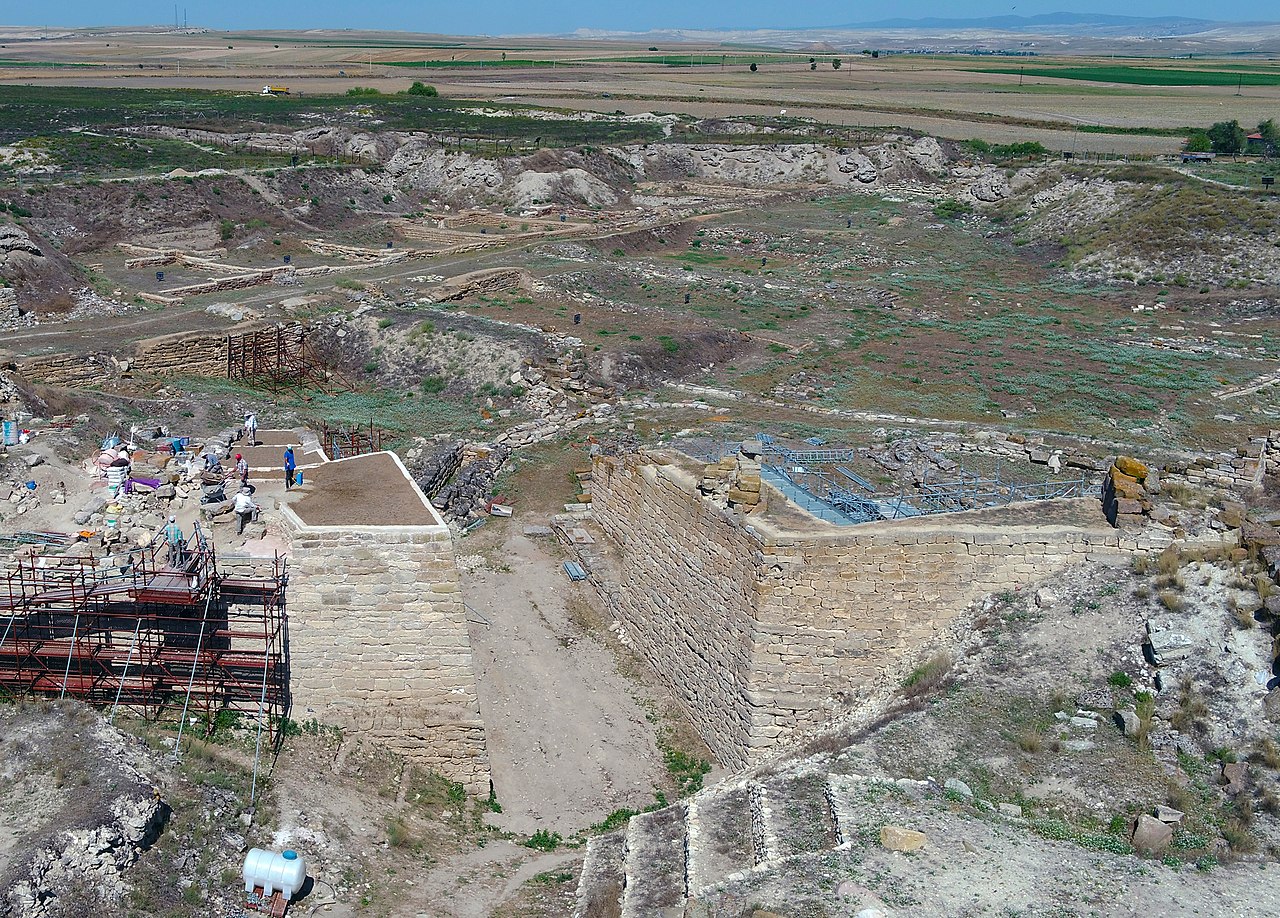
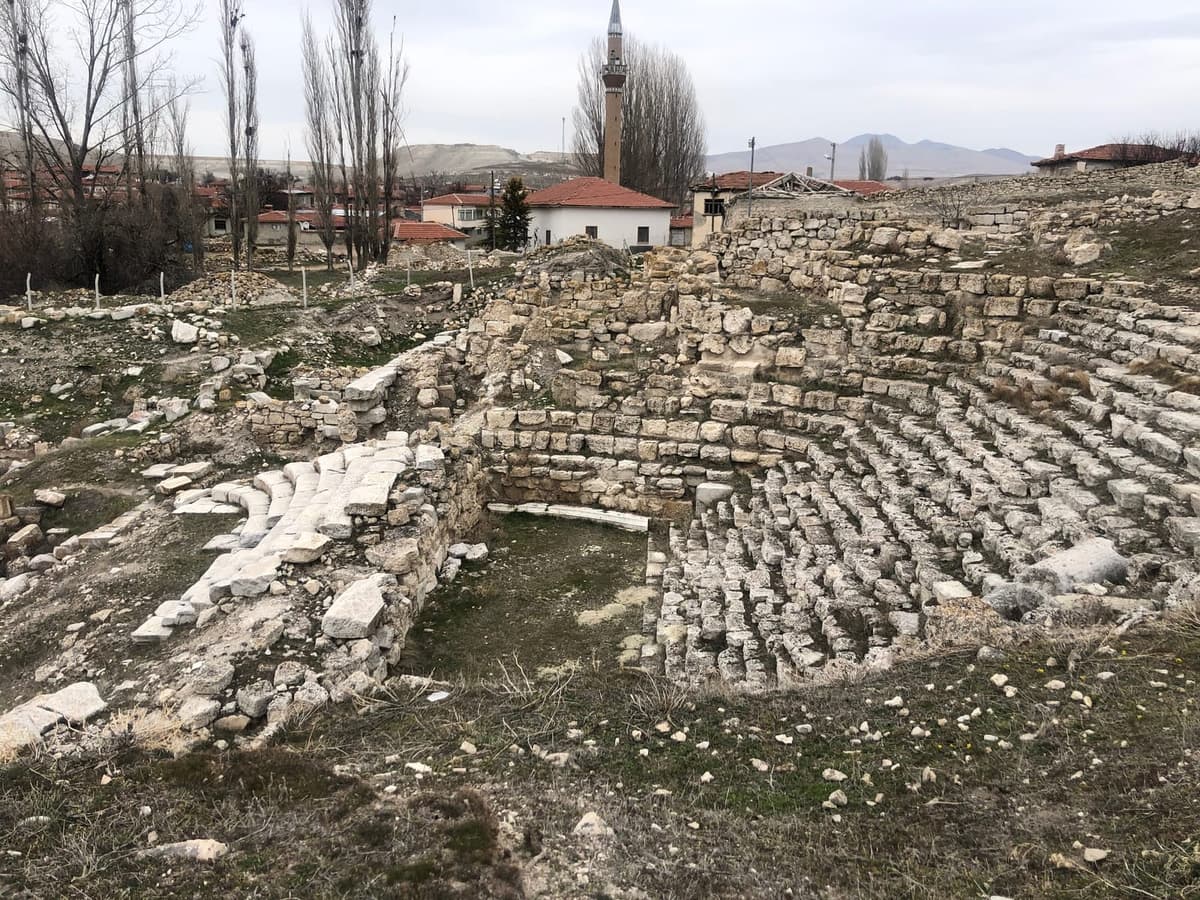
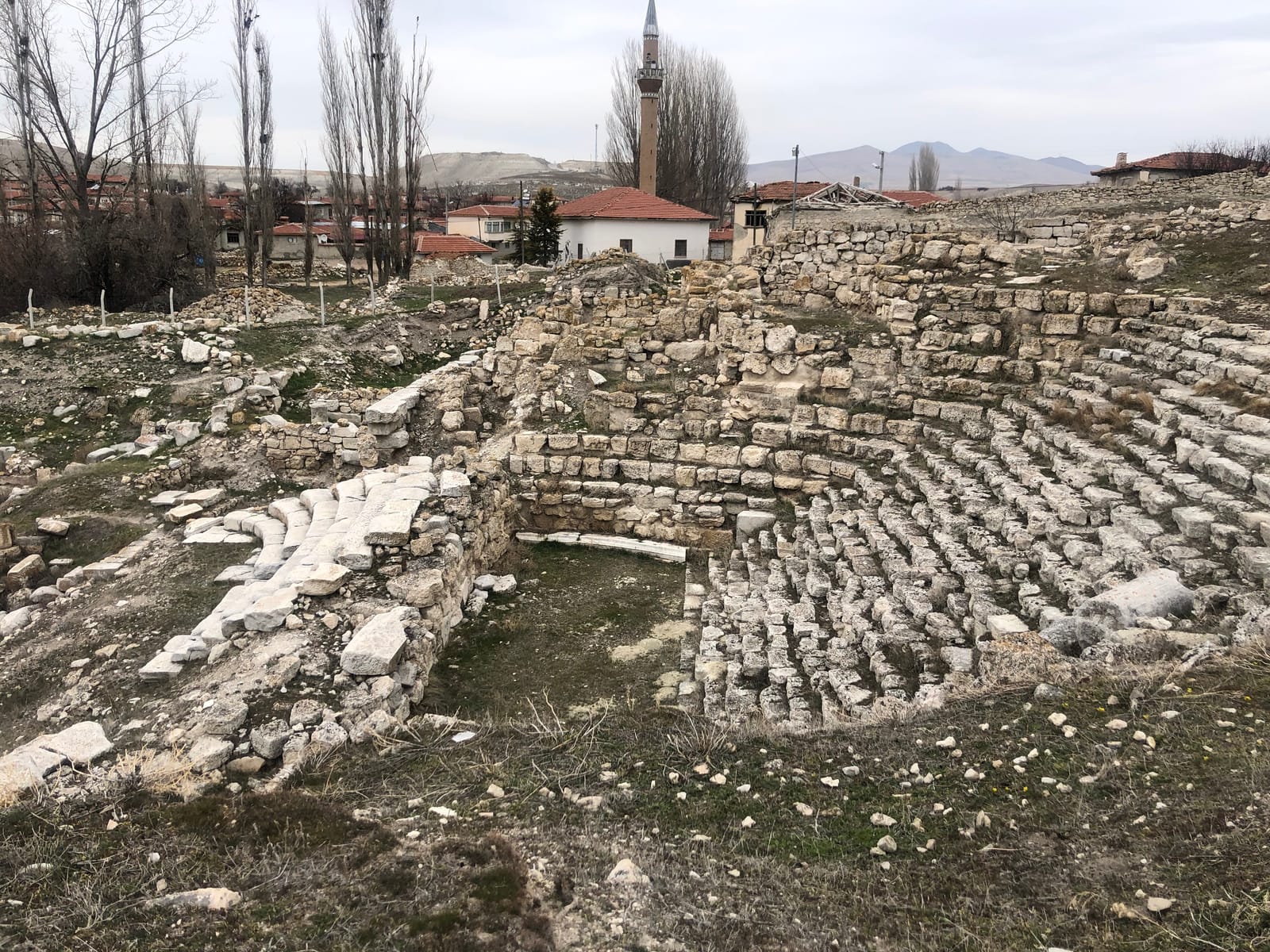
The city lies near modern Ballihisar in Eskisehir province, in the Sakarya (ancient Sangarios) river basin. Under Phrygian, Galatian, and Roman administration, Pessinus remained a pilgrimage destination. Archaeological excavations have revealed a large temple complex, a Roman theatre, colonnaded streets, and a significant Imperial-era market area.
The cult of Cybele, originating in the Phrygian highlands around Pessinus, became one of the most widespread religions of the ancient Mediterranean, influencing mystery cults, early Christianity, and concepts of divine motherhood that persist in religious thought today.

*Plan of Ballihisar, Charles Texier 1834 | Charles Texier
(Life time: 1871) (Public domain)*
The city's prosperity was not solely religious. As Strabo noted, it was a major commercial hub. Its location on the Sangarius River and key trade routes facilitated a thriving economy based on wool, textiles, and the pilgrimage trade. Excavations have revealed a sophisticated urban layout from the Hellenistic and Roman periods, including a large theater, an agora, and a monumental colonnaded street (cardo) flanked by shops. The sanctuary itself evolved architecturally; the original Phrygian temple was later superseded by a grand Roman marble complex, reflecting the site's continued importance under the Empire.
Following the official adoption of Christianity, the cult of Cybele declined. The temple complex was systematically dismantled, and its marble was quarried for use in early Christian buildings, a common fate for pagan sanctuaries. By the 5th century CE, Pessinus had diminished from a major religious center to a modest bishopric, its sacred stone in Rome a distant memory of a pivotal moment in religious history. The city was eventually abandoned, with the modern village of Ballıhisar situated nearby.