Atlas AnatoliaAtlas Anatolia
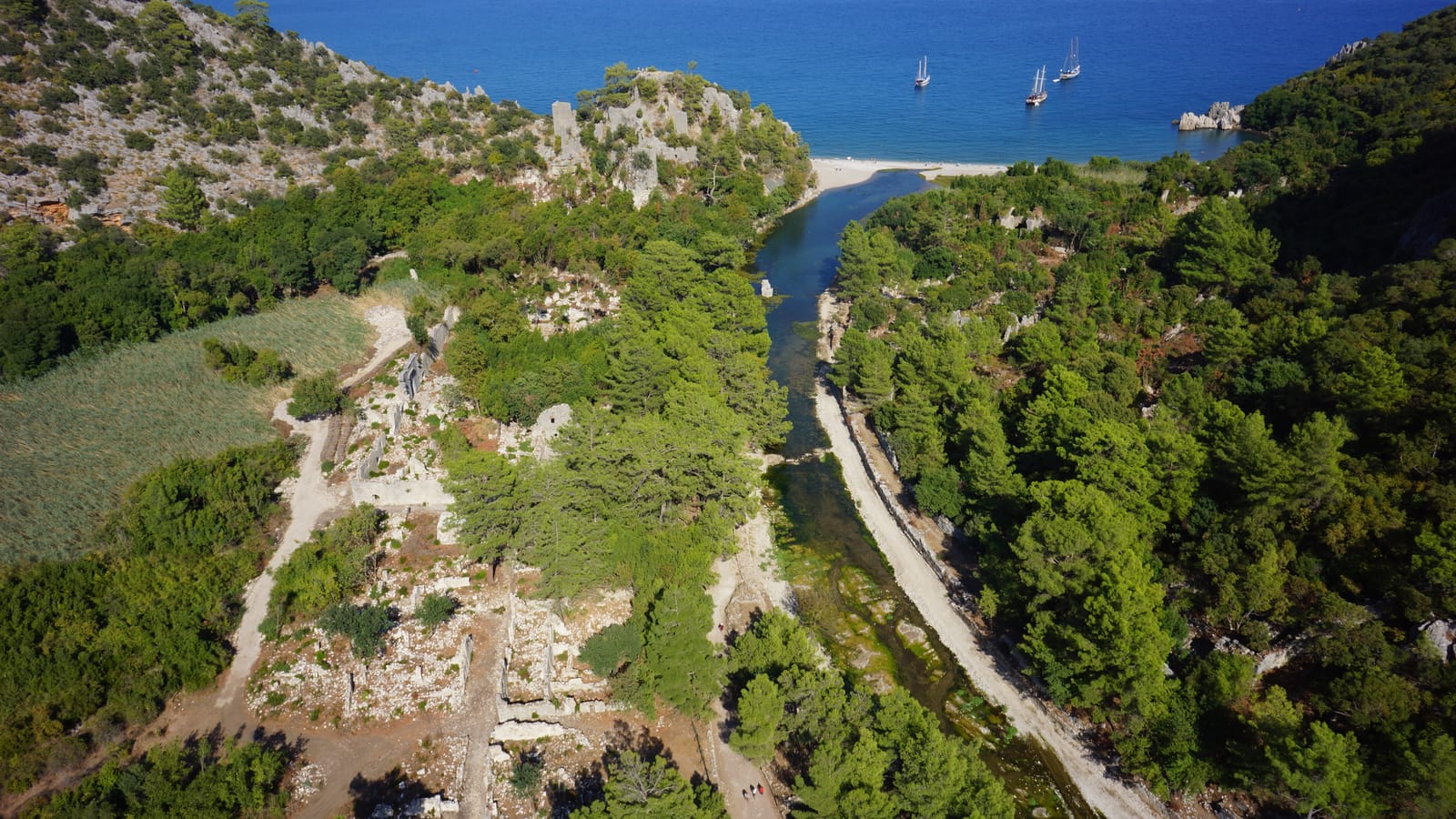
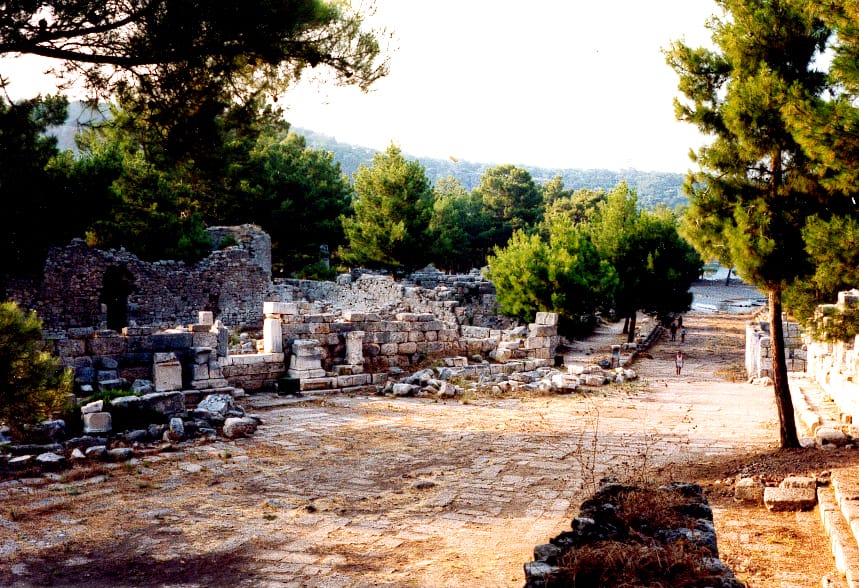
Ancient harbor and ruins of Phaselis with pine trees and Mediterranean Sea

Phaselis

690 bce – 700 cephoto: Wikimedia Commons (CC BY-SA)
1

interest

W 1K
Iron AgeClassicalHellenisticRoman+1LycianGreekRoman+1Antalya

Founded

c. 690 BCE by Rhodian colonists

Harbors

Three (north, south, military)

Alexander's Visit

Wintered here 334 BCE

Hadrian's Gate

Built for imperial visit (129 CE)

Phaselis demonstrates how geography shaped ancient urban life.”

Wfrom_wikipedia

Phaselis was a Greek and Roman city on the coast of ancient Lycia, set on three small bays of the Antalya coast.

read_wikipedia

overview

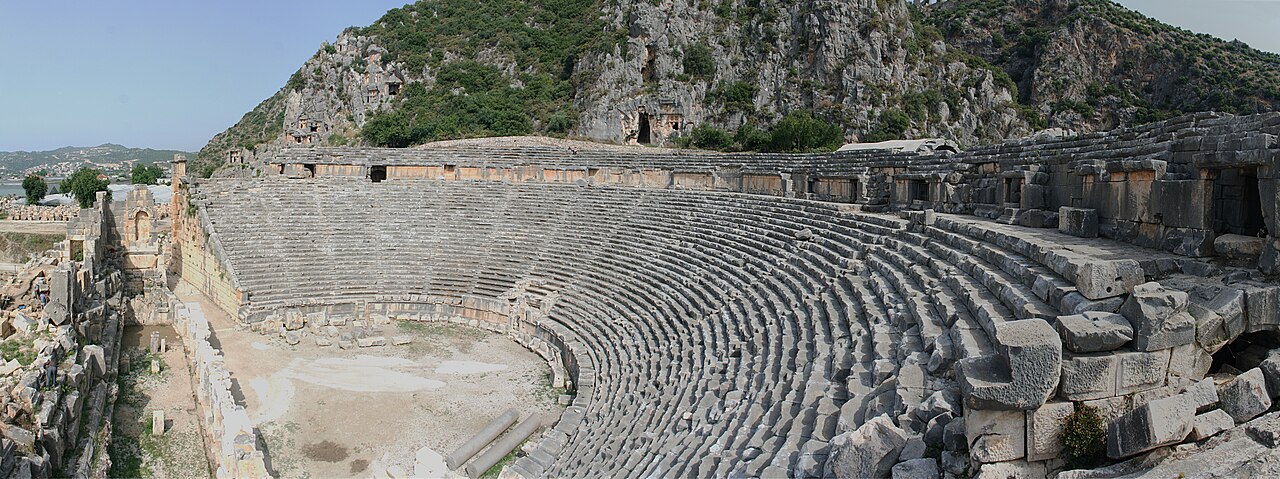
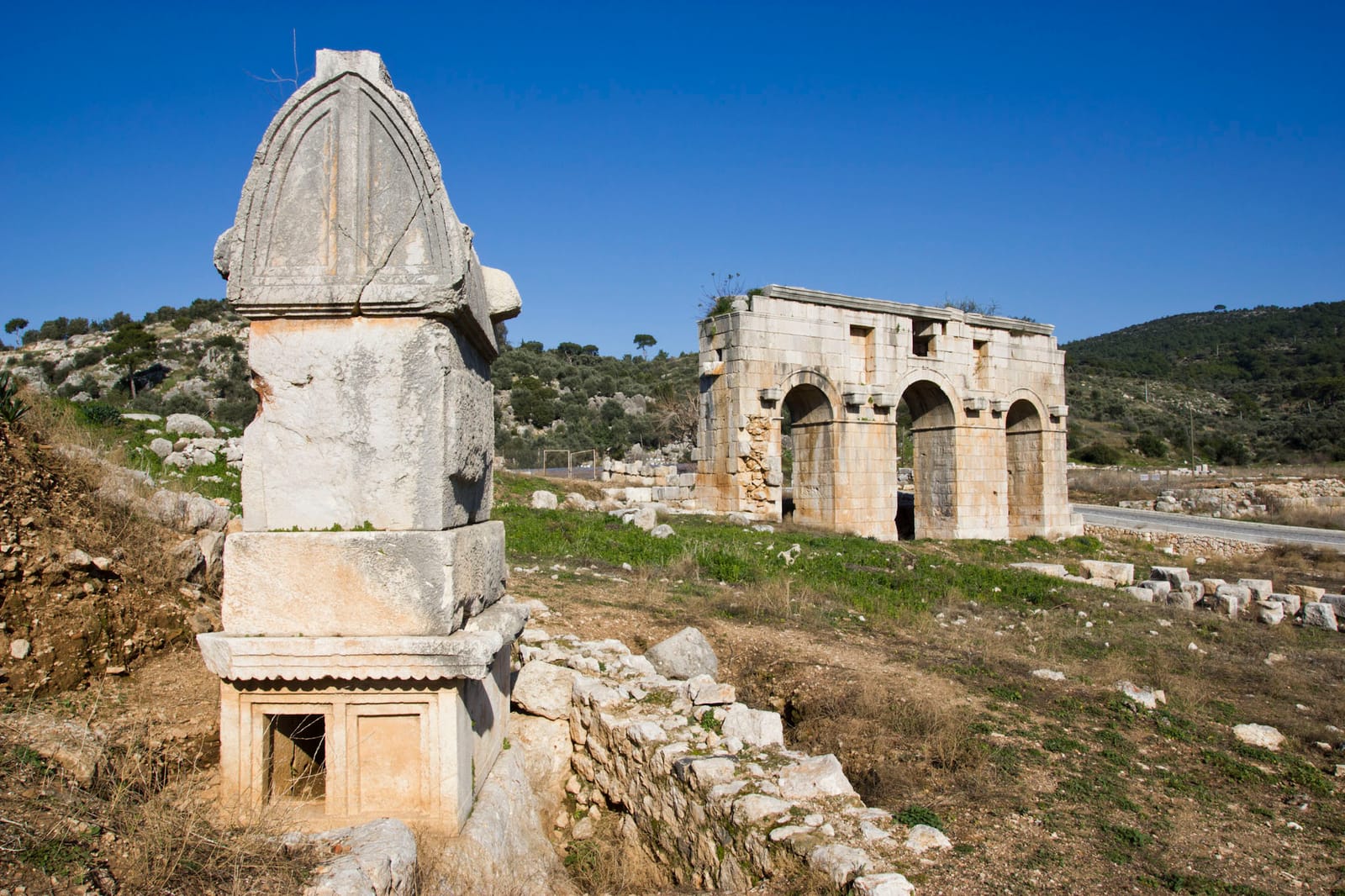
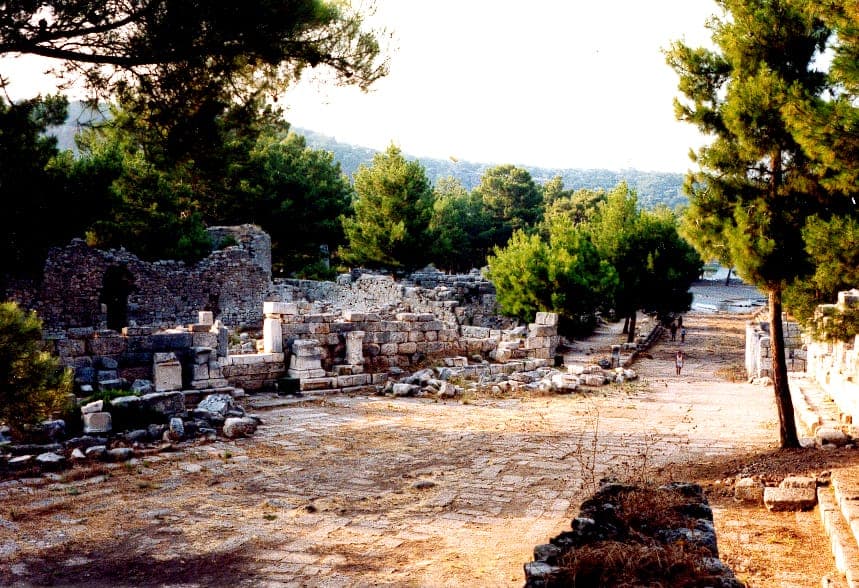
Phaselis occupies one of the most naturally beautiful settings of any ancient city in the Mediterranean. Built on a narrow, pine-forested peninsula between three natural harbors on the Lycian coast, the city enjoyed the advantages of multiple sheltered anchorages — a north harbor, south harbor, and military harbor — making it a crucial waystation for maritime trade between the Aegean and the Levant. Founded by Rhodian colonists in the 7th century BCE (tradition places the founding at 690 BCE), Phaselis prospered through maritime commerce. The city paid tribute to Persian kings, welcomed Alexander the Great who wintered here in 334 BCE (the citizens presented him with a golden crown), and flourished under Roman rule until its gradual decline in the Byzantine period. The ruins stretch along the peninsula's spine. A broad, paved main avenue runs from the southern harbor gate past shops, baths, and an agora to the northern harbor. The aqueduct that brought fresh water from the mountains behind the city survives in impressive sections. Roman baths, a theatre overlooking the north harbor, and the remains of Hadrian's monumental gate (erected for the emperor's visit in 129 CE) punctuate the landscape. The site's integration with its natural setting is remarkable. Ancient walls emerge from pine roots, sarcophagi stand among wildflowers, and the harbors that drew the original settlers still provide sheltered swimming coves. Phaselis is now part of the Beydaglari Coastal National Park.

why_it_matters

Phaselis demonstrates how geography shaped ancient urban life. The city's three harbors allowed it to operate year-round regardless of wind direction — a strategic advantage that explains its commercial success for over a thousand years. Alexander the Great's winter stay at Phaselis is one of the best-documented episodes of his early campaign in Asia Minor, and the city's warm reception contrasts with the resistance he met at nearby Termessos. The site provides a vivid picture of a prosperous Lycian-Roman coastal city where commerce, not conquest, drove prosperity.

evidence

evidence_desc

confirmed

3
  • Arrian and Plutarch record that Alexander the Great wintered at Phaselis in 334/333 BCE and received a golden crown from the citizens.
  • A monumental gate was erected for Emperor Hadrian's visit in 129 CE, as confirmed by the dedicatory inscription.
  • Phaselis was founded by Rhodian colonists, as attested by literary sources (Athenaeus, Thucydides) and the city's use of Rhodian monetary standards.

inferred

1
  • The three-harbor layout suggests deliberate city planning to exploit different wind conditions for year-round maritime operations.

debated

1
  • Whether the traditional founding date of 690 BCE is historically accurate or a later construction remains debated, though archaeological evidence supports settlement from at least the 7th century BCE.

excavation

1811

First modern documentation

Captain Francis Beaufort surveyed the coast and documented Phaselis's ruins from the sea.

1968

Turkish excavations begin

led_by Cevdet Bayburtluoglu

Cevdet Bayburtluoglu began systematic excavations focusing on the main street and public buildings.

2012–2020

New excavation phase

led_by Murat Arslan

Murat Arslan of Akdeniz University resumed excavations, focusing on the harbors and maritime infrastructure.

Community Photos

Share your experience

Have you visited this site? Upload your photos to help others discover it.

location

related_sites

sources

  • Phaselis: Dogu ile Bati Arasinda bir Deniz KentiMurat Arslan (2018)
  • Phaselis and its Territory in AntiquityNicholas Rauh (2004)
  • Wikipedia — Phaselislink

papers