Atlas AnatoliaAtlas Anatolia
Roman mosaics at Tripolis

Tripolis

Yenice300 bce – 700 ce
HellenisticRomanGreekRomanDenizli

Name

"City of Three" — at the junction of Phrygia, Caria, and Lydia

Mosaics

Exceptionally colorful floor mosaics rivaling Zeugma in quality

Theater

Roman theater partially carved into the hillside

Trade

Commercial hub at intersection of major Anatolian trade routes

Province

Near Yenice, Denizli province, Maeander River valley

Status

One of the most exciting ongoing excavations in western Turkey

Tripolis demonstrates that the archaeological map of Anatolia still holds major discoveries waiting to be made.”

Wfrom_wikipedia

Tripolis on the Maeander is a recently excavated Roman city in Denizli with spectacular colorful mosaics, a theater, and commercial architecture at the junction of three ancient territories.

read_wikipedia

overview

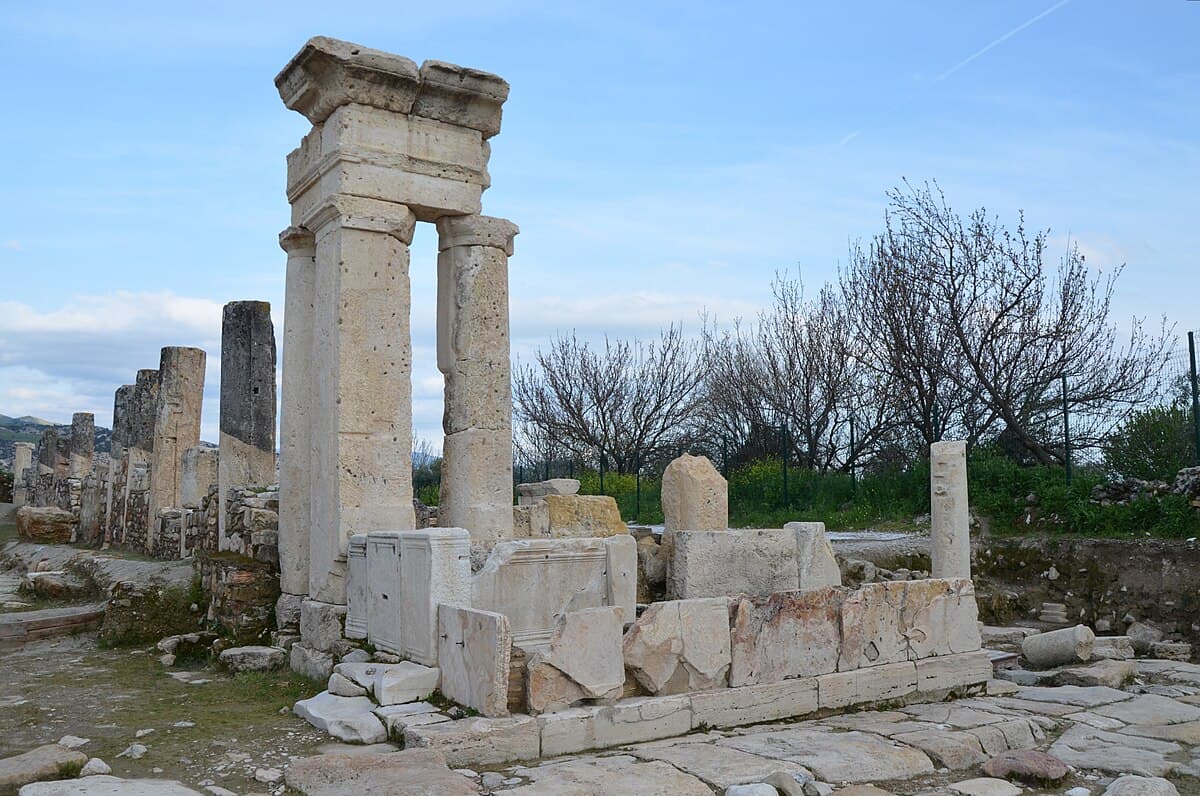
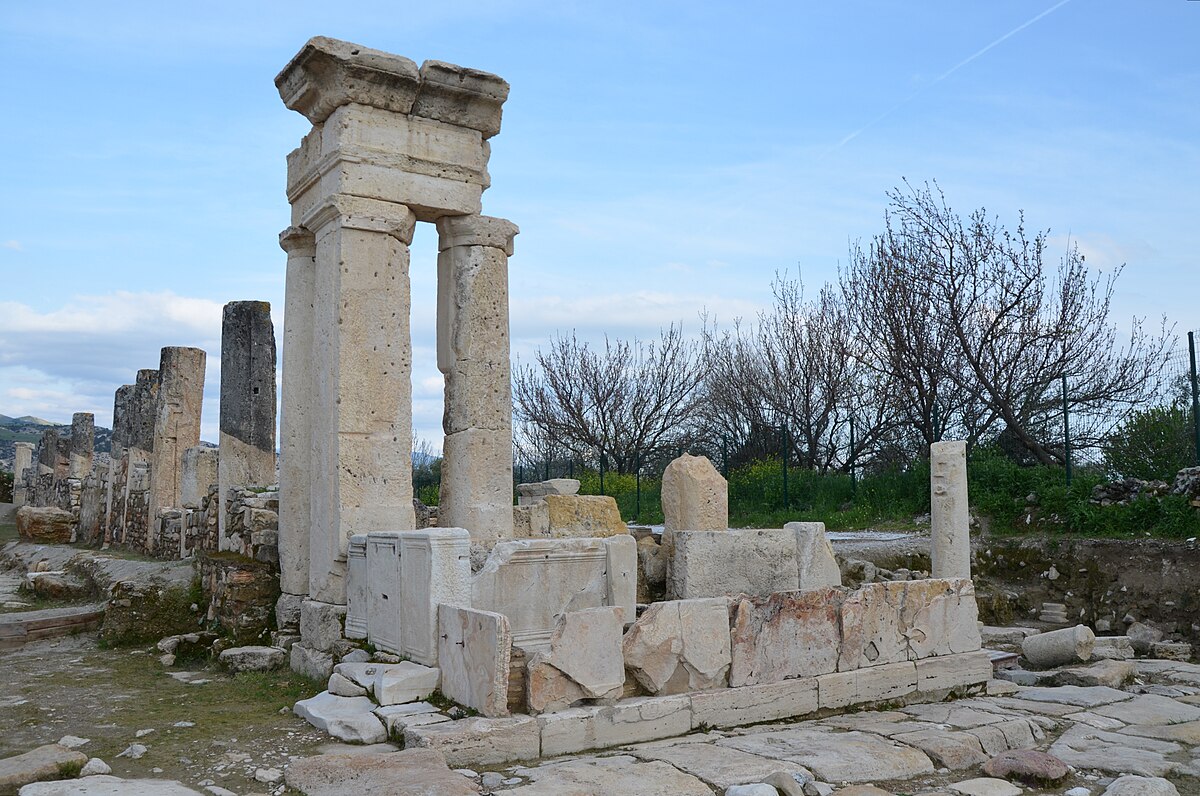
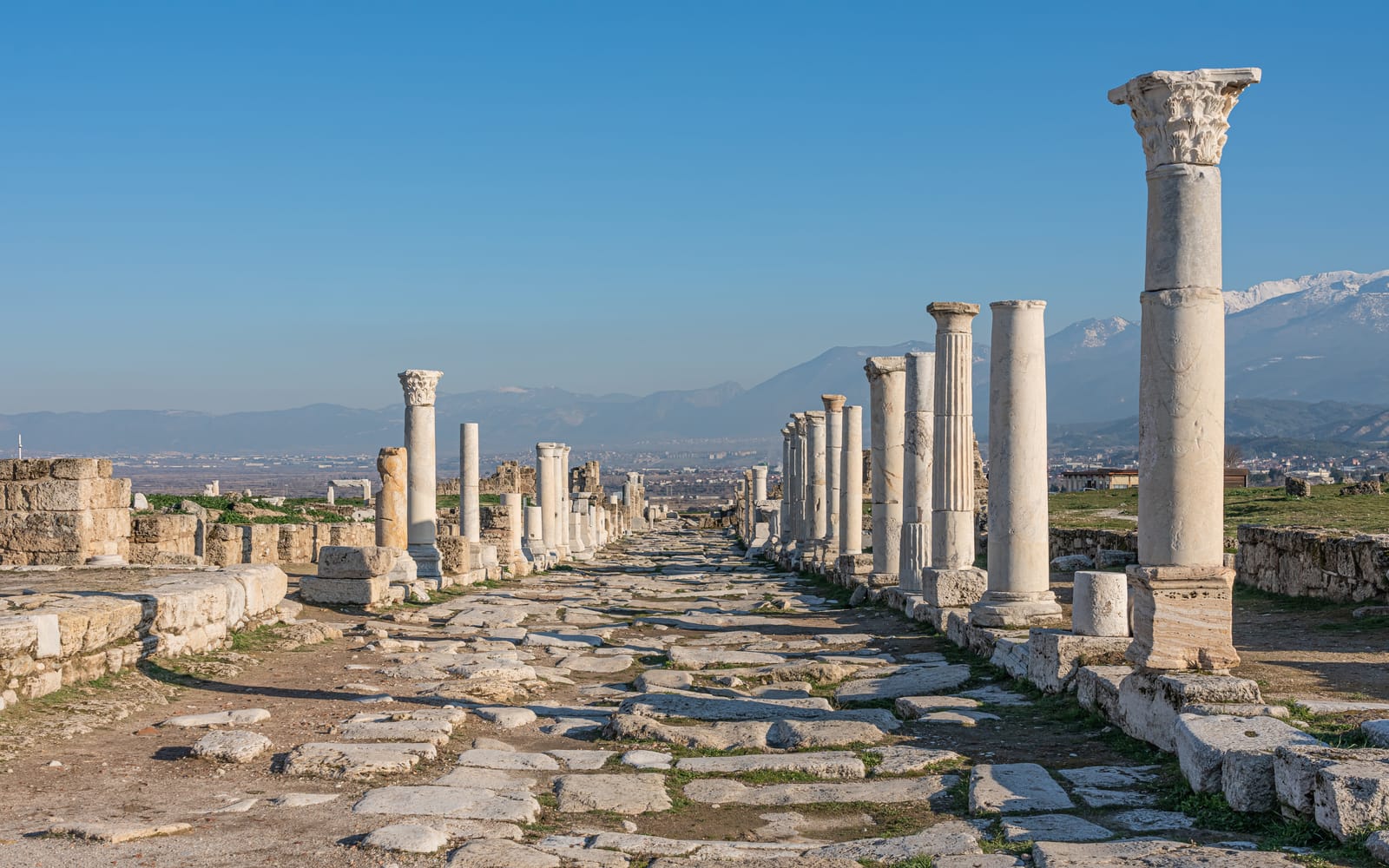
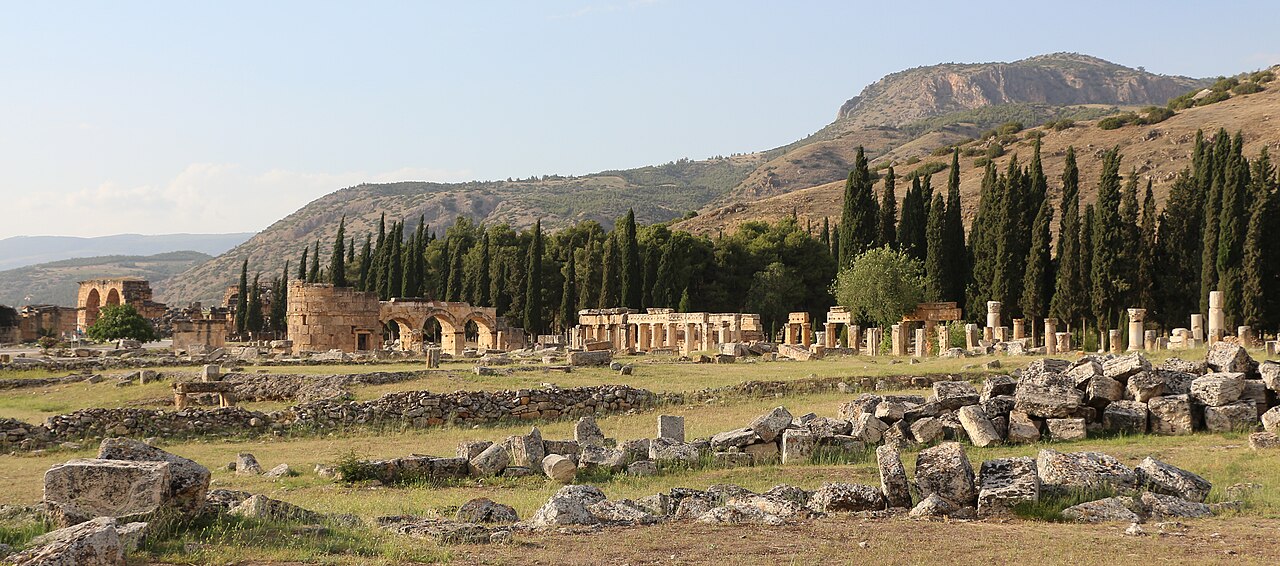
Tripolis lies along the upper Maeander River valley near the town of Yenice in Denizli province, positioned at the junction of three ancient territories — Phrygia, Caria, and Lydia — a geographic circumstance that gave the city its name ("three cities" or "city of three"). This location at the convergence of regional boundaries also placed Tripolis on major trade routes connecting the Aegean coast with the Anatolian interior, generating the commercial wealth visible in its archaeological remains. Though known from ancient literary sources and inscriptions, Tripolis attracted limited archaeological attention until systematic excavations beginning in the 2010s revealed a city of unexpected richness and preservation. The discoveries have made Tripolis one of the most exciting ongoing archaeological projects in western Turkey. The most spectacular finds are the floor mosaics, which rival those of Zeugma in their color and figural complexity. Excavated from Roman-period public buildings and wealthy residences, these mosaics feature mythological scenes, geometric designs, and decorative borders executed with exceptional craftsmanship. Their preservation in vivid color — reds, blues, greens, and golds — makes them among the finest in situ mosaics in the Aegean region of Turkey. The Roman theater, partially carved into the hillside, preserves its cavea and stage building foundations. Recent excavation of the theater area has uncovered architectural decoration and inscriptions documenting the building's construction and renovation phases. A nymphaeum (monumental fountain), bath complex, and commercial agora complete the public building ensemble of a prosperous provincial Roman city. The site's position in the fertile Maeander valley ensured agricultural prosperity, while its strategic location at the intersection of the routes to Laodicea, Hierapolis, and the interior highlands made it a natural trading center. The quality of its mosaics and public architecture demonstrates that even cities often overlooked by ancient literary sources could achieve remarkable levels of cultural sophistication and material wealth.
why_it_matters

Tripolis demonstrates that the archaeological map of Anatolia still holds major discoveries waiting to be made. A city barely known before the 2010s has yielded mosaics rivaling the most celebrated examples from the ancient world, reminding us that our picture of the Roman East remains incomplete. The site's location at the meeting point of three ancient territories made it a microcosm of the cultural interactions that characterized western Anatolia. As an ongoing excavation, Tripolis offers the rare opportunity to watch a major ancient city emerge from the earth in real time, with each season bringing new discoveries.

evidence

evidence_desc

confirmed

3
  • Large-scale floor mosaics with figured scenes and geometric decoration have been excavated in situ, preserved in vivid polychrome colors consistent with high-quality Roman workshop production.
  • Strabo (Geography 13.4.10) mentions Tripolis as a city at the junction of the territories of Phrygia, Caria, and Lydia, confirming its identity and strategic location.
  • A Roman theater with partially preserved cavea and stage building foundations has been excavated, with inscriptions documenting construction patronage.

inferred

2
  • The quality and quantity of mosaic floors in both public buildings and private residences suggest considerable wealth derived from the city's position on major trade routes.
  • The city's continued prosperity into the late Roman period, evidenced by building construction and renovation, suggests resilience during the broader economic transitions of the 3rd-4th centuries.

debated

1
  • Whether Tripolis was originally named Apollonia before being renamed, as suggested by some ancient sources, or whether these were always distinct settlements is debated.

excavation

2010–2024

Pamukkale University excavations

Systematic excavations have revealed the Roman city plan, including theater, bath complex, nymphaeum, agora, and residential quarters with spectacular mosaic floors.

2012

First mosaic discoveries

Initial excavation seasons uncovered large-scale figured mosaics in exceptionally vivid colors, establishing Tripolis as a major source of Roman mosaic art.

2016

Theater excavation

Clearance of the Roman theater documented its construction phases, inscriptions, and relationship to the adjacent public buildings.

2019

Residential quarter mosaics

Excavation of a wealthy residential district revealed additional mosaic floors with mythological scenes, demonstrating private patronage of high-quality mosaic art.

2022

Nymphaeum documentation

Archaeological investigation of the monumental fountain complex revealed its water supply system and decorated facade.

more_photos

artifacts

Community Photos

Share your experience

Have you visited this site? Upload your photos to help others discover it.

location

related_sites

sources

  • Recent Discoveries at Tripolis ad MaeandrumBahadır Duman (2018)
  • Spectacular Mosaics Unearthed at TripolisArchaeology Magazine (2019)
  • Wikipedia — Tripolis on the Meanderlink

papers