Overview
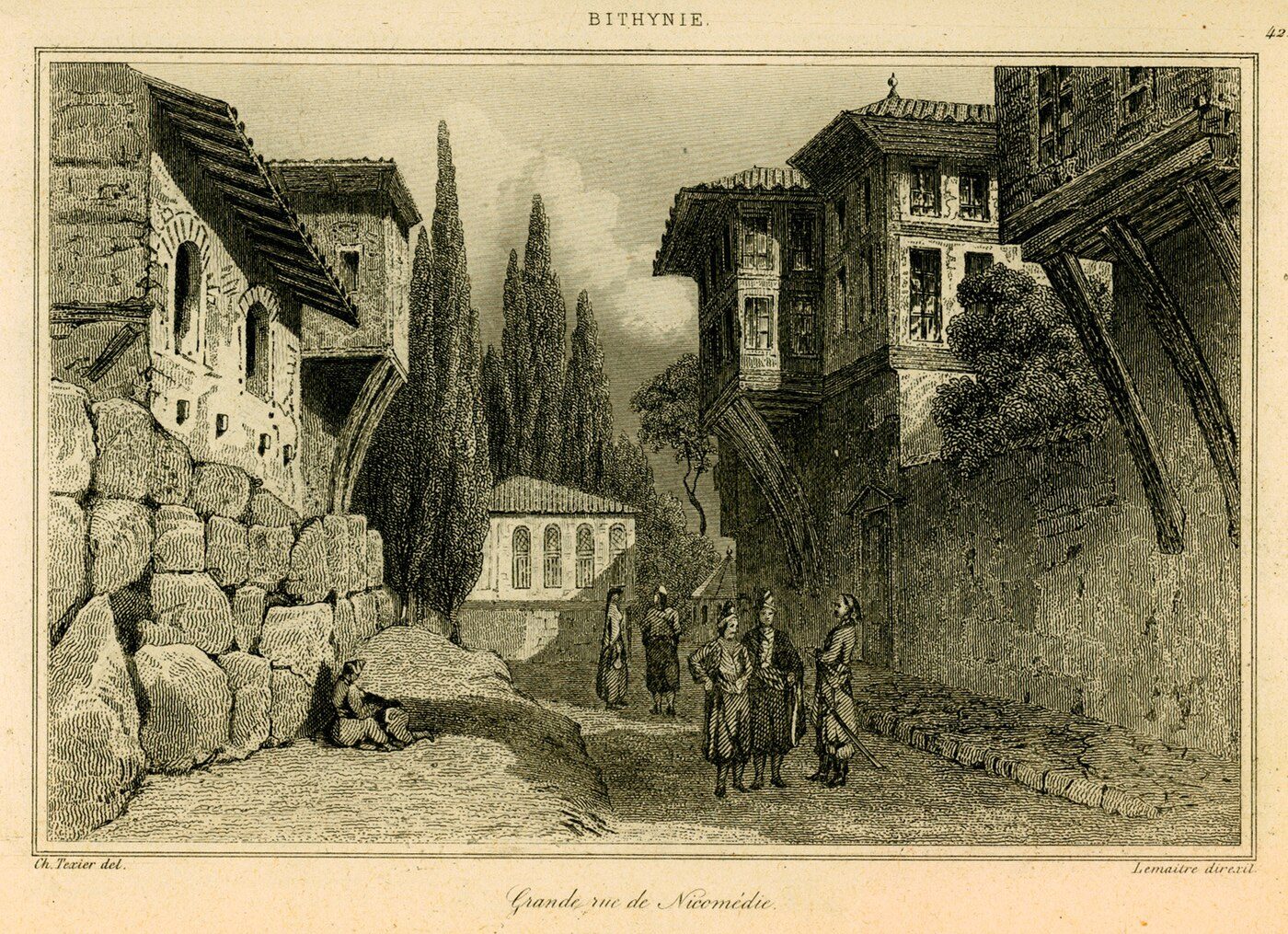
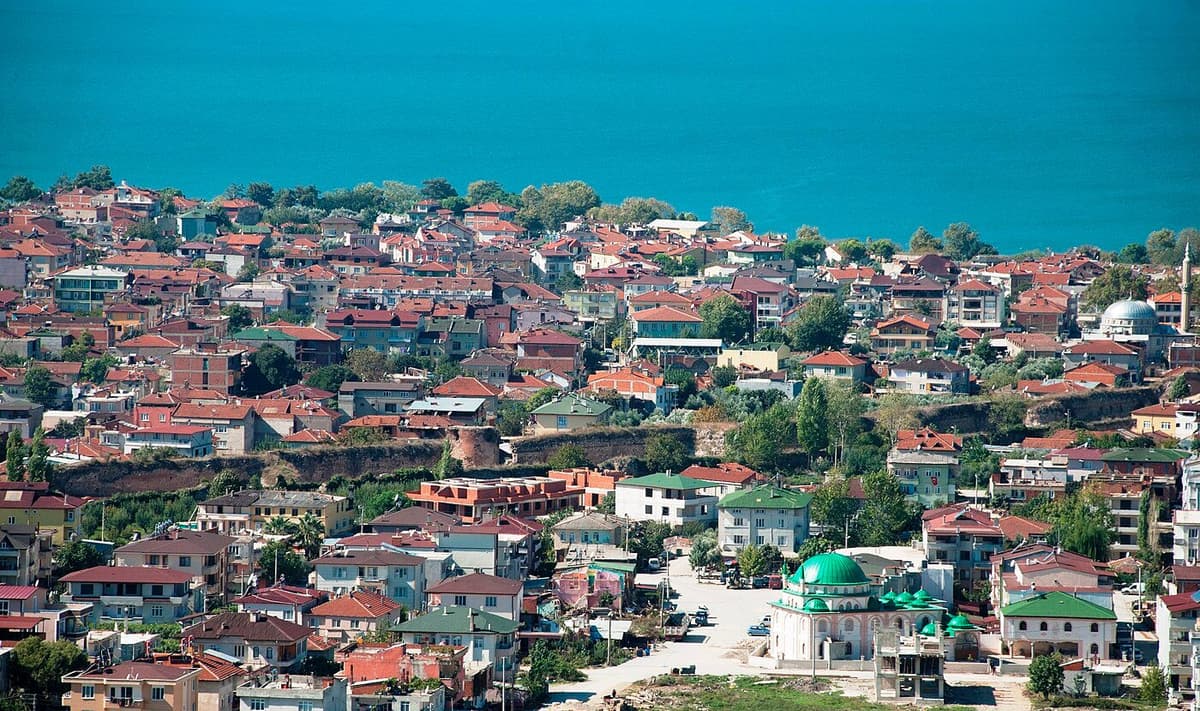
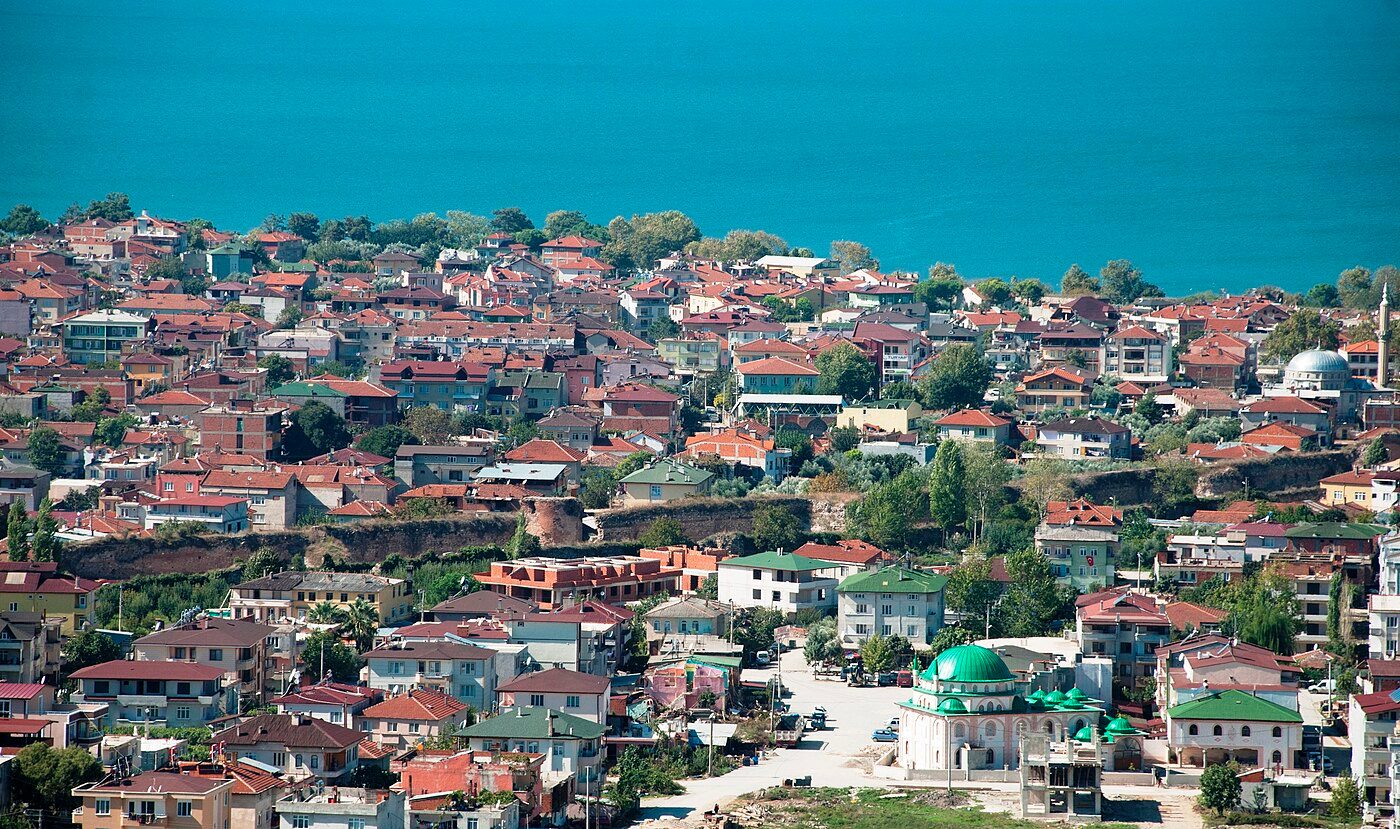
Nicaea — modern İznik — occupies a naturally fortified position on the eastern shore of Lake İznik (ancient Lake Ascania) in Bithynia, enclosed by some of the best-preserved double walls in the ancient world. Founded as a Greek colony in the 4th century BCE and refounded by the Macedonian general Lysimachus around 301 BCE in honor of his wife Nikaia, the city rose to world-historical prominence when Emperor Constantine convened the First Ecumenical Council here in 325 CE.
The Council of Nicaea of 325 CE was one of the most consequential gatherings in the history of Christianity. Approximately 318 bishops assembled to settle fundamental questions of doctrine, most critically the nature of Christ's relationship to God the Father. The council produced the Nicene Creed, which remains the foundational statement of belief for Catholic, Orthodox, and most Protestant churches to this day. The council also established the date of Easter and issued twenty canons governing church discipline. A second ecumenical council held in the same city in 787 CE addressed the iconoclasm controversy.
"Nicaea is a city of Bithynia, situated on the lake Ascanius, which is called by some the lake of Nicaea."
— Strabo, Geographica (c. 20 CE)
The city's massive double walls, stretching over 4.5 kilometers with over 100 towers and four monumental gates, were first built in Roman times and continuously reinforced through the Byzantine period. The walls withstood numerous sieges, including attacks by Arab armies in the 7th and 8th centuries, before finally falling to the Seljuk Turks in 1075. The First Crusade besieged the city in 1097, and it briefly served as the capital of the Byzantine Empire in exile (Empire of Nicaea, 1204-1261) after the Fourth Crusade's sack of Constantinople.
The Hagia Sophia of İznik — not to be confused with its famous Istanbul namesake — is a 6th-century church where the Second Council of Nicaea convened in 787 CE. Under Ottoman rule beginning in 1331, İznik became the center of a celebrated ceramic tile tradition. İznik tiles, with their distinctive cobalt blue, turquoise, and tomato-red designs on white ground, adorned the greatest Ottoman mosques including the Blue Mosque and Süleymaniye in Istanbul.

İznik Gölünün manzarası | Rmystutan (CC BY-SA 4.0)